
The smell of wood smoke and cinnamon hits you before you even park—hay bales stacked in pyramids, families in flannel wandering between rows of orange gourds, and that particular quality of October light that makes everything feel like a memory before it happens. A pumpkin patch road trip across America isn’t just about picking one pumpkin; it’s about chasing fall itself across regions, timing your drive to hit patches at peak season when variety is highest and crowds are manageable.
What makes a dedicated pumpkin patch road trip different from a casual weekend outing is strategy: choosing the right region, hitting patches during their sweet spot (late September through early October), and clustering your stops geographically so you’re not burning gas driving between scattered farms. This guide walks you through exactly which regions deliver the best experience, when to go, what it actually costs, and how to plan transportation so you’re not wasting half your day on logistics.
A pumpkin patch road trip runs roughly $50–$200 per day per family depending on how many patches you visit and which activities you choose—far cheaper than most vacations, but the add-ons (wagon rides, corn mazes, haunted houses) can surprise you if you’re not intentional about your spending.
Your Pumpkin Patch Road Trip at a Glance
Best timing: Late September through early October when all regions overlap at full capacity, variety peaks, and fall weather is ideal (60s–70s Fahrenheit).
Top regional picks: Midwest clusters (Howell’s Pumpkin Patch near Des Moines, Iowa—free admission, 15 acres, tractor rides) for authentic, affordable experiences; East Coast (Cox Farms in Centreville, Virginia—haunted house, petting zoo, “Pumpkin Madness” event) for full entertainment; Pacific Northwest (Willamette Valley near Portland—30+ farms, Instagram-worthy scenery, but expect crowds).
Daily budget breakdown: Pumpkins cost $0.25–$0.50 per pound ($5–$25 per carving pumpkin); activities run $2–$15 each; food vendors charge $3–$8 for snacks; lodging in small towns near patches averages $80–$150 per night.
Crowd strategy: Visit on weekdays (Tuesday–Thursday) to avoid parking fees, shorter lines, and shoulder-to-shoulder crowds; October weekends require arriving by 10 a.m. opening time or expect 30–45 minute waits.
Transportation smart move: Base yourself in one central town near multiple patches (Des Moines for Midwest, Centreville area for East Coast) and drive 30–90 minutes to each patch, rather than moving hotels every night.
When Is the Best Time for a Pumpkin Patch Road Trip USA?
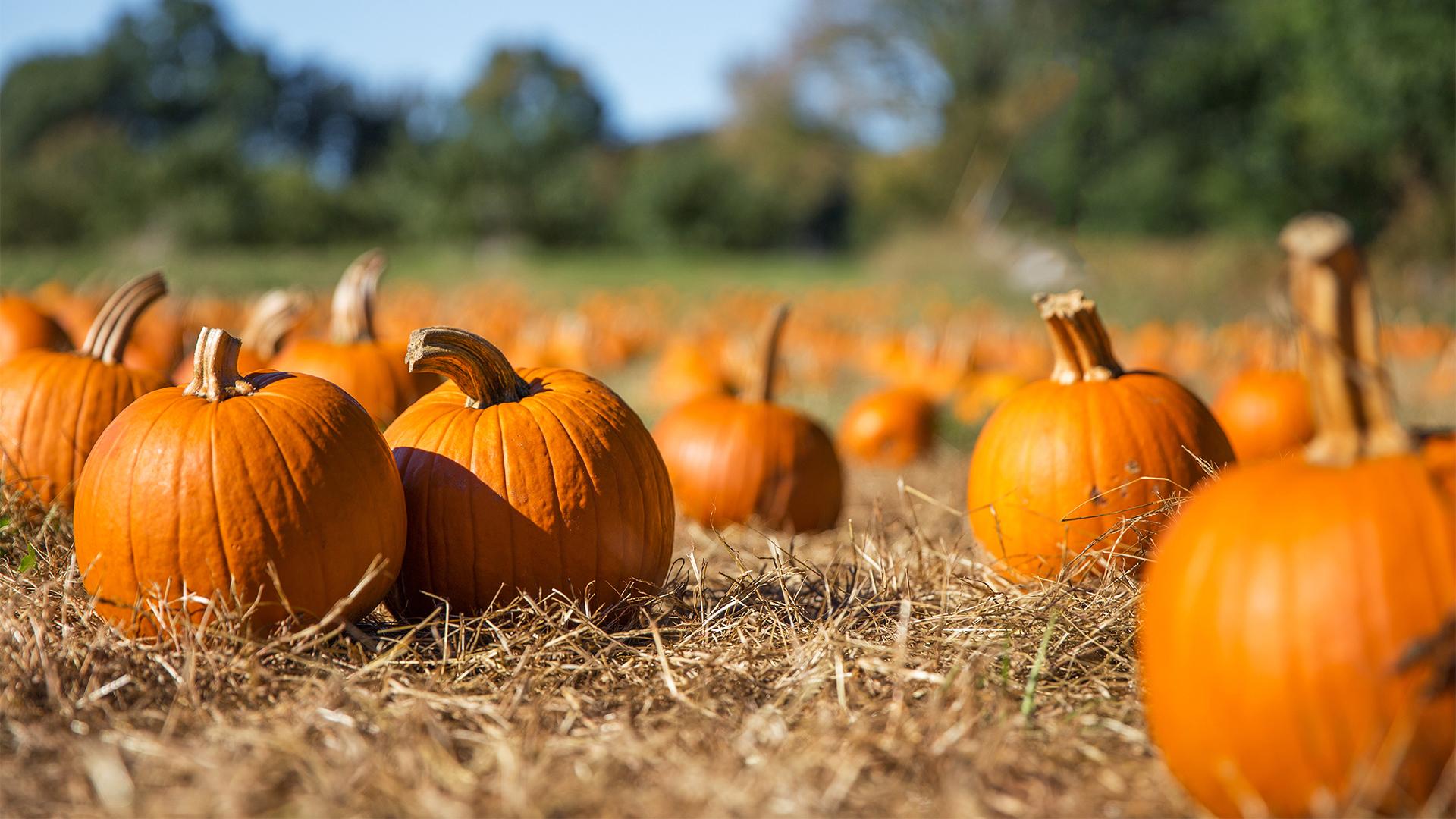
Peak pumpkin patch season runs from mid-September through October, with the sweet spot landing in late September and early October when variety is highest, crowds are manageable, and fall weather is actually comfortable for outdoor picking. Start too early (before mid-September) and you’ll find picked-over patches and limited selection; wait until November and you’re chasing stragglers, shorter hours, and weather that turns unpredictable fast.
The Timing Breakdown
- Early September (Sept. 1–15): A handful of patches open this early—Howell’s Pumpkin Patch in Cumming, Iowa kicks off September 10—but selection is thin and the fall feeling hasn’t arrived yet. Only choose this window if you’re specifically road-tripping the Midwest and want to catch opening-day novelty or avoid later crowds.
- Mid to Late September (Sept. 16–30): This is when serious road-trippers should start. Patches have full inventory, weather is cooling down, and you’ll beat the October school-break rush. Cox Farms in Centreville, Virginia opens September 24, marking the start of peak season across the East Coast and Mid-Atlantic.
- October (Full Month): The absolute best window for a pumpkin patch road trip. Every region is in full swing, variety is at its peak, and fall weather is ideal for spending hours outdoors. Expect crowds on weekends, especially mid-to-late October as Halloween approaches, but weekday visits are still manageable. Most patches operate daily 10 a.m.–6 p.m. during this period.
- November (Through Early Month): Only viable if you’re chasing specific events—Cox Farms runs through November 6 and hosts “Pumpkin Madness” on November 5–6, where you can destroy your used pumpkin for $5–10. Otherwise, patches close or cut hours, selection dwindles to the oddball gourds, and weather becomes unreliable.
Regional Timing Variations
The Midwest opens earliest (early September) and runs through late October. The South and Mid-Atlantic hit their stride mid-September through early November.
The Pacific Northwest and California operate on a slightly later schedule, typically peaking in October. If you’re planning a multi-region road trip, October is your only month where all regions overlap at full capacity.
Crowd Strategy for Your Road Trip
Weekends in October draw families en masse, especially the two weekends before Halloween. If you’re flexible, a mid-week road trip (Tuesday–Thursday) in late September or early October gives you shorter lines, easier parking, and more one-on-one time with farm staff who can recommend the best picking spots.
Weekend visits require arriving by 10 a.m. opening time or accepting 30–45 minute waits at popular patches.
Weather-wise, aim for late September through mid-October when daytime temps hover in the 60s–70s Fahrenheit—cool enough to enjoy outdoor activities without overheating, warm enough that you’re not bundled in a winter coat. Rain is always possible in fall, so check the forecast 3–5 days before departure and build in flexibility for rescheduling if a patch is muddy.
How Much Does a Pumpkin Patch Road Trip USA Cost?
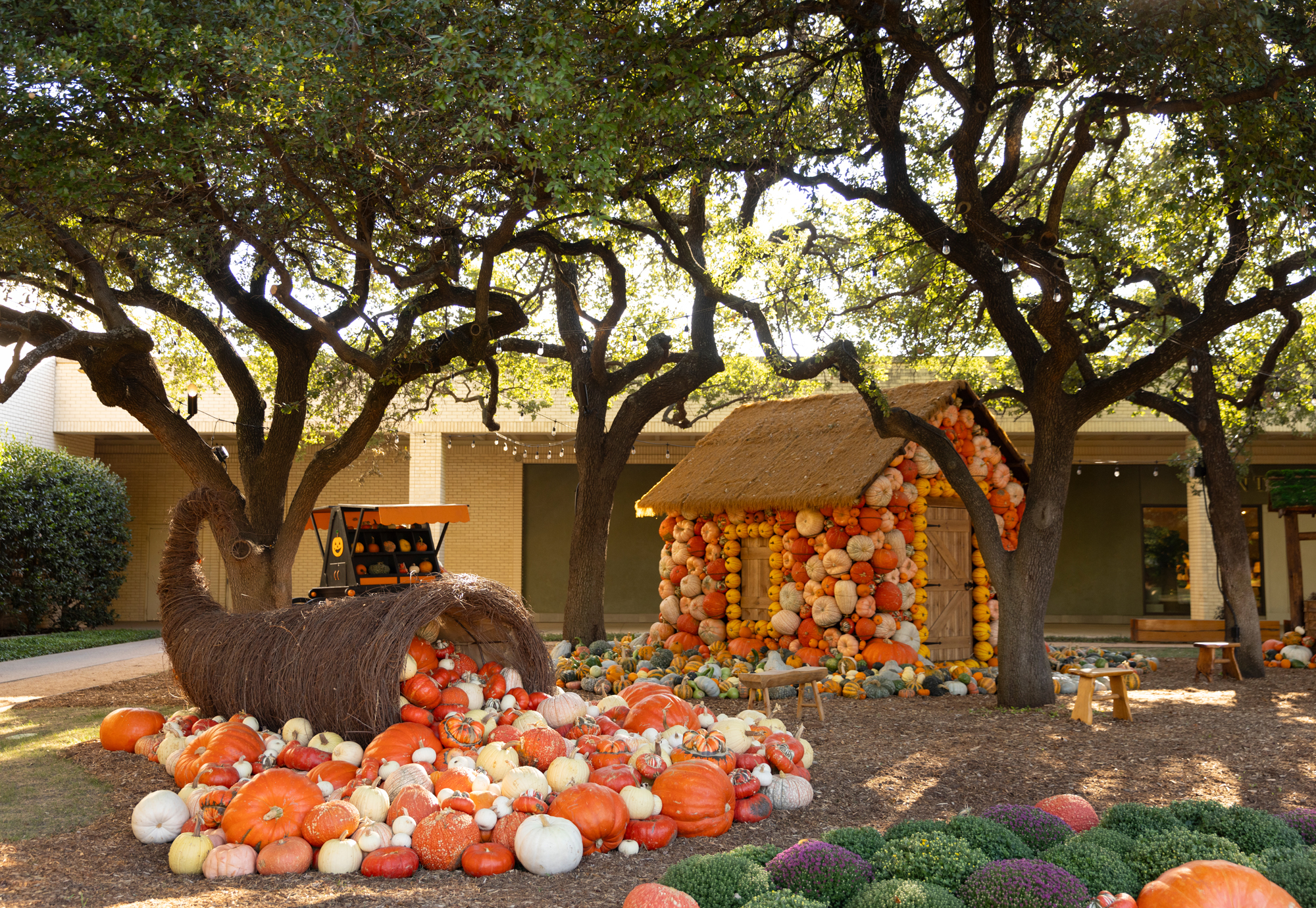
A pumpkin patch road trip costs far less than most family vacations—but the bill adds up fast if you skip the free admission patches and load up on activities at every stop. Budget $50–$200 per day per family depending on how many patches you visit, which activities you do, and whether you’re eating on-site or bringing your own food.
The real money drain isn’t the pumpkins themselves; it’s the add-ons: wagon rides, corn mazes, haunted houses, and petting zoos that can run $2–$15 each.
Admission and Parking
Most pumpkin patches charge zero admission—you only pay for what you pick and what you do. However, parking can surprise you: some patches charge $3 per vehicle on weekends, though this money typically funds local nonprofits.
Always confirm parking costs when you book or arrive, especially if you’re visiting during peak October weekends when lots fill up fast.
Activity Costs Breakdown
Activities are where budgets balloon. Here’s what to expect at most patches across the country:
- Wagon or tractor rides: $2–$10 per person
- Corn mazes: $3–$8 per person
- Haunted houses: $10–$15 per person
- Pony rides: $5–$10 per child
- Bounce houses, slides, play areas: $2–$7 per child
- Petting zoos: $1–$5 per person
- Train rides: $2–$5 per person (children under two often free)
- Face painting: $3–$8 per child
A family of four doing three activities at one patch will spend $30–$60 on top of pumpkin purchases. If you’re road-tripping multiple patches, choose one or two stops where you splurge on activities and keep others simple—just picking pumpkins and eating food.
Pumpkin and Produce Costs
Pumpkins at patches typically cost $0.25–$0.50 per pound, so expect $5–$25 for a carving pumpkin depending on size. Decorative gourds, specialty squash, and fall produce add another $10–$30 if you’re shopping the gift barn or farmers market section.
These prices are usually higher than grocery stores, but the experience justifies it for most families.
Food and Beverage
Most patches have on-site food vendors selling cider, donuts, kettle corn, hot apple cider, and seasonal snacks. Budget $3–$8 per person for snacks and drinks.
A full meal at a patch’s food stand runs $10–$20 per person. Bringing a cooler with your own snacks and drinks saves significantly on a multi-patch road trip.
Lodging for Multi-Day Trips
If you’re road-tripping across regions, overnight stays are your biggest expense. Base yourself in a central town near multiple patches to minimize driving and hotel nights.
For example, staying near Des Moines puts you within reach of several Midwest patches; a hotel near Centreville, Virginia, covers East Coast options. Budget $80–$150 per night for mid-range hotels in small towns near major patch clusters.
Cabin rentals or Airbnb stays often offer better value for families staying 2–3 nights.
Gas and Driving Costs
Calculate roughly $0.65 per mile in fuel and vehicle wear-and-tear (IRS standard). A 500-mile round trip costs approximately $325 in driving expenses.
Grouping patches geographically—visiting 3–4 in one region before moving to the next—cuts total mileage and keeps gas costs reasonable.
Money-Saving Strategy
Visit free-admission patches on weekdays when parking is free and crowds are smaller. Pick one or two patches per trip where you do paid activities; skip activities at others and focus on picking pumpkins and eating food.
Many patches offer discounts for groups or season passes if you’re local, though this doesn’t apply to road-trippers. Bring your own snacks and drinks, and eat one meal off-site at a local restaurant instead of paying patch food prices.
Which Regions Offer the Best Pumpkin Patch Road Trip Experiences?
The best pumpkin patch road trip depends entirely on what you want from the experience — whether you’re chasing massive crowds and TLC-famous farms, seeking quieter Midwest patches with free admission, or hunting East Coast haunted houses and petting zoos. Each region has a distinct personality, and choosing the right one saves you from driving 8 hours to the wrong vibe.
Pacific Northwest and California Patches
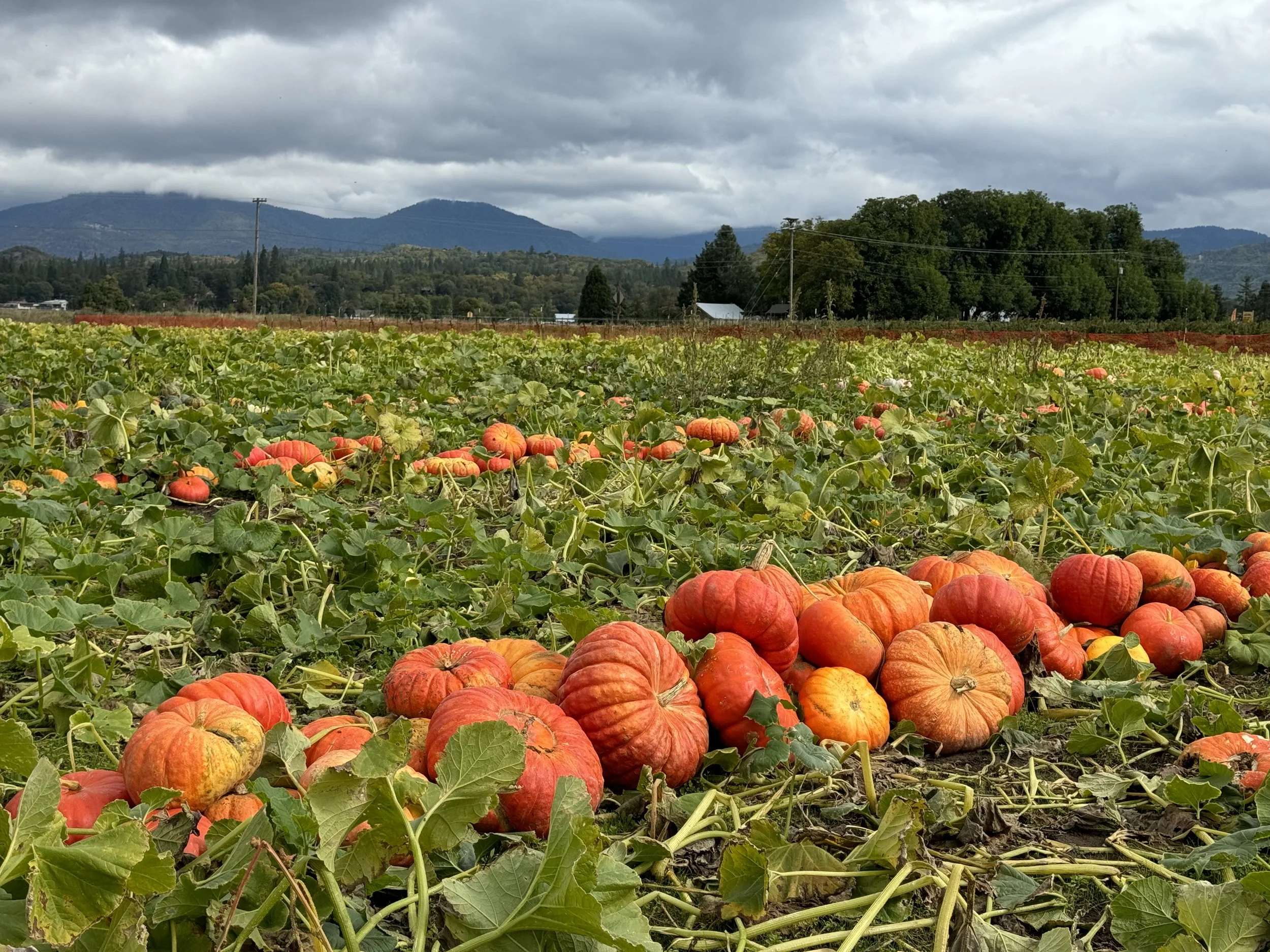
The Pacific Northwest dominates if you want scale and Instagram-worthy scenery. The Willamette Valley near Portland has become the pumpkin patch destination — over 30,000 visitors descend on farms each season, which means you’re guaranteed crowds but also guaranteed a full day of activities.
These patches sit 30 miles west of Portland, making them a natural stop on a longer fall road trip through Oregon wine country or coastal drives.
The trade-off: massive farms mean you’ll wait in parking lines on weekends and navigate shoulder-to-shoulder crowds during peak hours. Go on a weekday morning if you want to actually pick pumpkins without feeling like you’re at a county fair.
California patches tend to be smaller and more scattered, so they work better as part of a broader California road trip rather than a dedicated pumpkin-patch itinerary.
Midwest and East Coast Patches
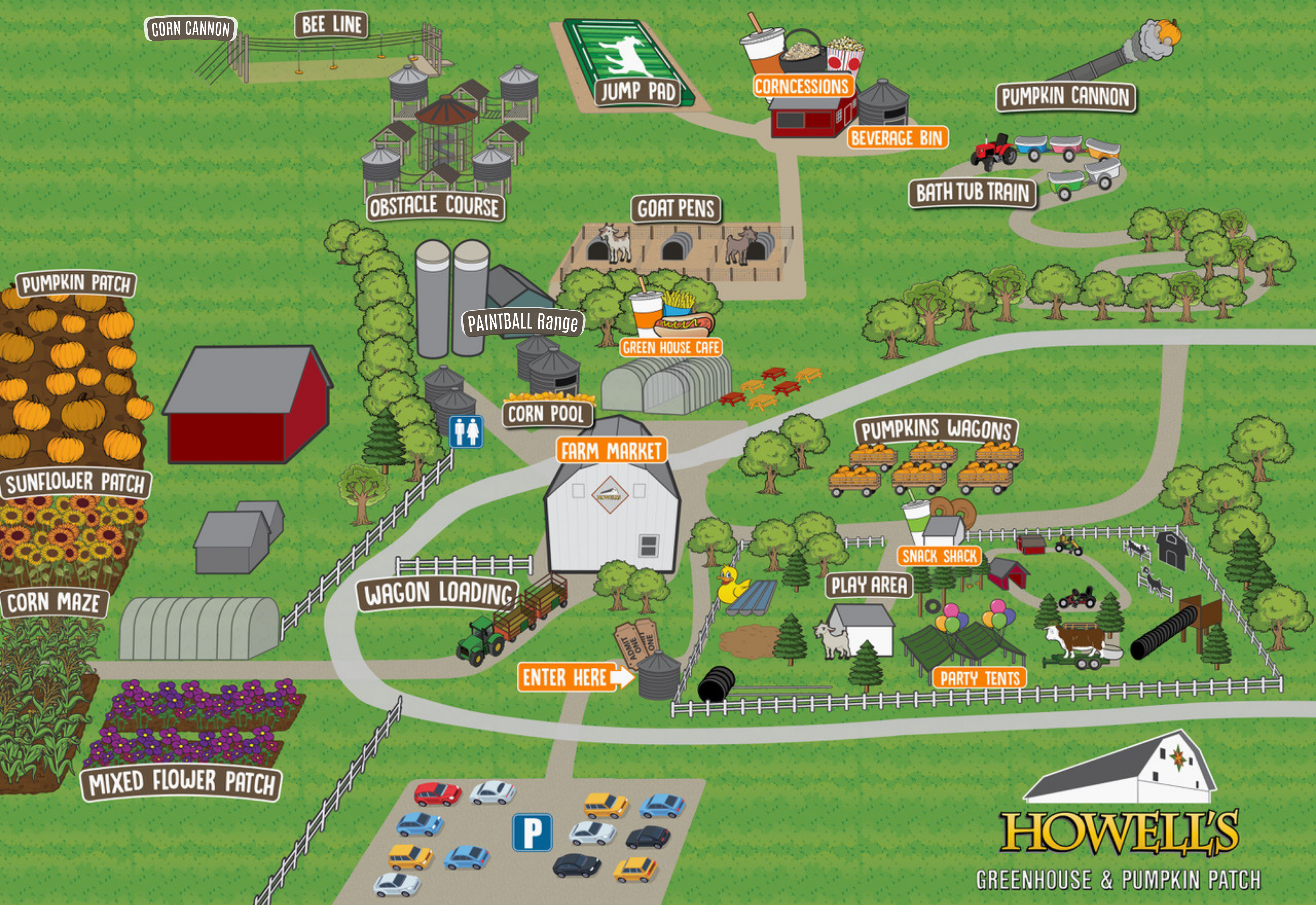
The Midwest is where pumpkin patches make the most sense for a dedicated road trip — farms are clustered, admission is free or cheap, and the experience feels authentic rather than commercialized. Howell’s Pumpkin Patch in Cumming, Iowa (10 miles south of Des Moines off I-35, open Sept. 10–Oct.
31, daily 10 a.m.–6 p.m.) is the anchor stop. Free admission, 15 acres of flowers, antique tractor rides, and a corn maze make it worth the detour.
Parking costs $3 on weekends, but that funds local nonprofits. The kid’s zone runs $7 and includes a hay pyramid, mazes, and a kiddy train — pricey if you do everything, but you don’t have to.
The East Coast option is Cox Farms in Centreville, Virginia (Sept. 24–Nov.
6, daily 10 a.m.–6 p.m.), a family-owned farm established in 1972. It’s the move if you want a haunted house (“Dreams of Darkness,” $15), petting zoo ($1), and the novelty of “Pumpkin Madness” on November 5–6, where you can bring back your used pumpkin to watch it get destroyed.
This works as a day trip from Washington, D.C. or as a stop on a Virginia fall foliage road trip.
- Best for families with young kids: Midwest patches — free admission, tractor rides, petting zoos, and less overwhelming crowds than the Pacific Northwest.
- Best for haunted-house enthusiasts: East Coast patches — Cox Farms and similar Virginia farms bundle horror experiences with pumpkin picking.
- Best for the full fall experience: Pacific Northwest — larger farms offer corn mazes, food vendors, and the energy of thousands of visitors, but expect weekend traffic and parking delays.
Road trip strategy: Midwest patches cluster well around Des Moines and allow you to hit multiple farms in a single weekend without backtracking. East Coast patches work as day trips from major cities rather than multi-stop itineraries.
Pacific Northwest patches demand a full day each, so plan one farm per day if you’re visiting more than one.
How to Plan Transportation for a Pumpkin Patch Road Trip USA?
A pumpkin patch road trip only works if you can actually reach the patches without wasting half your day on logistics — which means choosing your route first, then your stops, then your overnight bases. The biggest mistake is treating this like a standard road trip where you can wing it; pumpkin patches have fixed seasonal hours (typically September through October, some into early November), limited parking on weekends, and activities that fill up fast.
Plan backwards from the patches you want, not the other way around.
Choose Your Route Based on Regional Clusters
Pumpkin patches are not evenly distributed across the country — they cluster in the Midwest and East Coast, with smaller concentrations in the Pacific Northwest and California. Trying to hit patches across multiple regions in one trip wastes driving time and defeats the purpose of a road trip.
Pick one region and build your route within it.
- Midwest loop (best for first-timers): Iowa and Illinois have the highest concentration of patches within 2–4 hours of each other. Howell’s Pumpkin Patch near Des Moines (10 miles south of I-35) is a logical starting point if you’re coming from the north; from there, you can chain together patches across central Iowa without backtracking.
- East Coast corridor: Virginia and surrounding states allow you to hit multiple patches in a 3–5 hour driving window. Cox Farms in Centreville, Virginia (open September 24–November 6) sits on a route that connects to other major patches without dead-end driving.
- Pacific Northwest and California: These regions have fewer patches but offer scenic driving; plan for longer distances between stops and build in time for non-patch activities.
Account for Operating Hours and Seasonal Closures
Patches open on staggered dates and close at fixed times — arriving at 5:45 p.m. to a patch that closes at 6 p.m. means you miss the experience. Most patches operate daily during peak season (mid-September through October), but some open as early as September 10 and others stay open into early November.
Hours are typically 10 a.m. to 6 p.m., but confirm with each patch before you drive.
Plan your daily route to hit patches during their peak hours (11 a.m.–4 p.m. is safest), which gives you buffer time for traffic and parking. If you’re road-tripping on weekends, expect longer waits and full parking lots — weekday visits are faster and less crowded, but require flexible scheduling.
Factor in Parking and Activity Time
Parking is free at most patches, but some charge $3 per vehicle on weekends (usually as a nonprofit fundraiser). More importantly, plan 2–3 hours per patch if you want to do activities beyond picking pumpkins.
Wagon tours, corn mazes, petting zoos, and train rides add $2–$15 per person and eat into driving time. If you’re doing a multi-day road trip, hit 2–3 patches maximum per day to avoid burnout and rushed experiences.
Base Yourself in a Central Town, Not at Each Patch
The smartest move is to pick one town as your overnight base and drive to patches from there, rather than moving hotels every night. This cuts packing/unpacking time and lets you explore the same area’s food and lodging options thoroughly.
For a Midwest trip, base yourself in Des Moines or a smaller town like Cumming, Iowa (where Howell’s Pumpkin Patch is located); for the East Coast, Centreville, Virginia or nearby areas in Northern Virginia work well. You’ll drive 30–90 minutes to each patch from a central base, which is manageable and keeps your trip focused.
Plan for Gas, Tolls, and Seasonal Road Conditions
September and early October typically have clear roads and mild weather; late October can bring rain and occasional early frost, especially in northern regions. Check weather forecasts 3–5 days before your trip and adjust your route if necessary.
Gas costs vary by region, but budget roughly $0.15–$0.20 per mile for a standard vehicle. Some routes (particularly I-35 in Iowa and I-81 in Virginia) include tolls; factor these into your budget and time estimates.
If you’re driving more than 6 hours per day, split the trip across two days with an overnight stop. This prevents fatigue-related mistakes and gives you time to enjoy the patches without rushing.
Book Accommodations Early for Peak Weekends
October weekends fill up fast, especially in towns near major patches. Book hotels or lodges 2–3 weeks ahead if you’re traveling September 24–October 31.
Look for places within 30 minutes of your planned patches — this keeps your morning commute short and lets you hit patches right when they open (10 a.m.), before crowds arrive. Small-town inns and farm-stay options near patches often have character and availability that chain hotels don’t.
Use GPS and Confirm Directions the Day Before
Pumpkin patches are often on rural roads with limited cell service. Download offline maps or screenshot directions the night before.
Call each patch to confirm their exact address and parking instructions — some have separate entrances for parking versus entry, and GPS can send you to the wrong spot. This takes 10 minutes and saves 30 minutes of frustration on the road.
Frequently Asked Questions
What’s the best day of the week to visit a pumpkin patch?
Weekdays are unquestionably better if your schedule allows it. Most patches charge parking fees on weekends (typically $3, though some waive it for nonprofit fundraising), and crowds spike dramatically on Saturdays and Sundays.
Weekday mornings—especially mid-week—mean shorter lines for activities, easier parking, and actual space to walk the patch without dodging strollers. If you’re road-tripping and can time your patch visits for Tuesday through Thursday, you’ll spend less money and less time waiting.
Do I need to book pumpkin patches in advance, or can I just show up?
Most traditional pumpkin patches operate on a walk-in basis with no reservation required—free admission is standard. However, larger operations or those offering special events (like hayrides, corn mazes, or petting zoos) sometimes fill up on peak weekends or close early if parking reaches capacity.
Call ahead if you’re visiting on a Saturday or Sunday, or if you’re planning to arrive during peak hours (late afternoon). For road trips, arriving by mid-morning on a weekday eliminates this problem entirely.
How much should I budget for activities beyond picking a pumpkin?
Pumpkin patches have evolved into full entertainment venues, and costs add up fast. Expect wagon tours at $10 per person, activity zones (hay mazes, obstacle courses, kiddy trains) at $5–$7 per child, pony rides at $5–$8, and face painting at $3–$5 per child.
Food vendors and gift shops push budgets higher. A family of four doing multiple activities can easily spend $60–$100 beyond the pumpkin itself.
If you’re road-tripping on a budget, pick one or two activities per patch rather than trying everything at every stop.
What’s the ideal time window to visit during the season?
Early October is the sweet spot—patches are fully stocked with variety, the weather is reliably cool and crisp, and you avoid the September rush and the late-October Halloween-costume crowds. Most patches open in early September and run through October 31, but selection peaks from October 5–20.
If you’re planning a multi-patch road trip, aim for mid-October to maximize your options across different regions.
Book Your Pumpkin Patch Road Trip Now
Pick your region first—Midwest if you want authentic, affordable patches clustered close together; East Coast if you want haunted houses and novelty events; Pacific Northwest if you’re chasing scale and Instagram moments. Then lock in your dates for late September or early October, book a central hotel 2–3 weeks ahead for peak weekends, and download offline maps the night before you leave.
A pumpkin patch road trip works because it forces you to slow down, commit to a season, and actually be present in fall instead of just photographing it. You’ll drive through small towns you’d never otherwise see, eat cider donuts that taste like they’re made of October itself, and come home with pumpkins that actually have a story attached to them.
Start by choosing whether you’re heading to Iowa (Midwest), Virginia (East Coast), or Oregon (Pacific Northwest), then book your base hotel and confirm patch hours 3–5 days before you leave.
Leave a Reply