
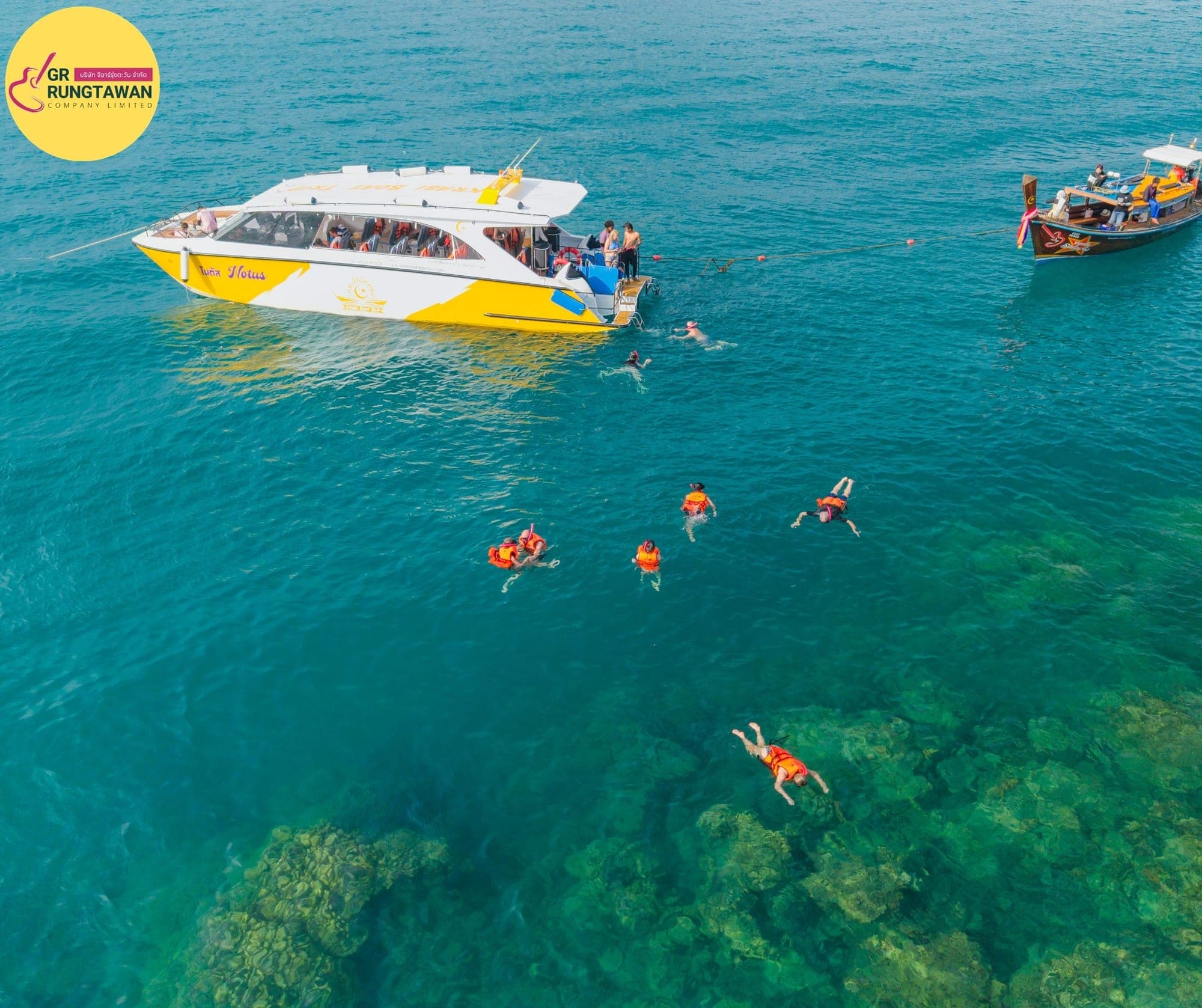
First light on Koh Yao Yai’s Laem Had sandbank is so still the water looks like poured glass, and by the time you walk back to shore the only footprints in the sand are yours.
One bay north, tractors idle beside rice paddies on Koh Yao Noi while fishing nets get mended on the pier boards, and the sandbar to Koh Nui surfaces and vanishes with the tide.
What makes quiet islands near Phuket to visit in January different from every other Andaman escape is that the silence comes from working villages, tide tables and a boat change — not from a fence around a private beach.
Everything runs at full tilt this month, so the emptiness you find is genuine emptiness in high season, not a resort closed for the low one.
This guide helps you decide which island fits the trip you actually want, and how many nights it deserves before the crossings start eating your holiday.
On rough January numbers: a village guesthouse plus shared boats sits around 1,500–2,500 THB a day, mid-range rooms with resort-arranged transfers land somewhere in the 4,000–8,000 THB range, and the splurge tier — Six Senses on Koh Yao Noi, Pimalai on Koh Lanta, Anantara on Koh Yao Yai — starts well above that and does not discount.
The 30-second version: which island, and for whom
- Three nights, one island: Koh Yao Noi — silence after dark, dinner at your own resort, and everything within reach of a bicycle.
- Best empty sand and raw beaches: Koh Yao Yai, with the Laem Had sandbank at sunrise — or Koh Jum’s Golden Pearl Beach if you want kilometres of shoreline to walk without doubling back.
- Best water with no overnight bag: Racha Yai — resident turtles at Ao Siam, a 45-minute speedboat from Chalong, and a snorkel day trip running roughly 1,500–2,200 THB.
- Best for families and longer stays: Koh Lanta, based at Kantiang Bay; Pimalai Resort and Spa if the budget stretches.
- Best paired day out: Koh Ngai and Koh Muk together — keep Koh Muk for Emerald Cave and take the first boat of the morning.
- Leave off the list: Phi Phi, Coral Island, Similan and Surin. All easy to book in January, and none of them sell quiet.
January in the Andaman: what changes for quiet-island trips
January is the month the Andaman stops arguing with you: the sea holds around 28°C, the swell drops to its lowest of the year, and the speedboats that make the far islands reachable run their most reliable schedule. That calm is exactly why the quiet-island trip works now — and exactly why everyone else is in Phuket.
Why January rewards the islands that are harder to reach
Phuket in January is at full throttle — Patong, Kata and Karon at their most crowded, day-trip piers stacked with boats by 8am. The outer islands don’t escape the season; they simply filter it.
Anything requiring a crossing, a boat change or a motorbike to reach absorbs a fraction of the traffic, and the last few kilometres of bad road do the rest of the work.
That filtering effect is strongest mid-week. If your dates are flexible, arriving Sunday to Thursday is the single cheapest upgrade to “quiet” you can make — same island, visibly fewer people on the sand and at the pier.
National park window: Thailand’s offshore marine parks on the Andaman side — Similan and Surin included — typically open from November through mid-May, so January sits squarely inside the season. Park dates and fees change between years, so confirm with the operator before you commit.
What “quiet” actually costs in high season
January is the top of the price curve, and the premium is real. Expect the year’s highest room rates and top-tier day-trip pricing on every island in this article; low season, roughly May to October, is significantly cheaper but comes with closed restaurants, thinned-out ferry schedules and rougher water.
In January you are paying for certainty, not for luxury.
- Where the uplift bites hardest: small beachfront guesthouses with a handful of rooms, since they have no capacity buffer and raise rates the moment demand arrives.
- Where it barely moves: larger resorts and anything inland or village-side, which rarely surge the way beachfront does.
- My move: lock the room and the boat together and early, then stop shopping. In January, the cost of changing plans mid-trip dwarfs the cost of booking the right thing upfront. Exact booking windows per island sit with the transport and logistics guidance.
Weather, sea state and daylight in January
January is the driest, calmest month of the Andaman year — high temperatures typically near 32°C, overnight lows around 24°C, and sea temperature close to 28°C, so no wetsuit and no thermal excuse for skipping the water.
- Sea state: crossings are at their smoothest of the year. If you get seasick, January is the month to attempt the longer routes.
- Cancellations: rare. Even in peak dry season a small operator will occasionally call off a sailing when the Andaman gets a short wind burst; treat one grey, choppy spell as the only realistic disruption to your itinerary, not as a pattern.
- Daylight: sunrise and sunset sit close together, giving you a usable day of roughly 11 hours — enough for an early swim, a midday break and a late swim without ever seeing the light go flat.
- Humidity: at its most bearable of the year, which is what makes hiking viewpoints and cycling practical in January rather than a chore.
Koh Yao Noi — the closest island that still feels genuinely untouched
When Six Senses opened on Koh Yao Noi in 2009, the island was tipped as the next big thing. The resort boom never followed.
Nearly two decades on, this is still an island of about 5,000 people living in Muslim fishing and farming communities between rice paddies and rubber plantations — and that stalled development is exactly why it still feels like somewhere.
What the island is really like
Koh Yao Noi is not a hidden beach paradise with a secret to sell you. It is a working island you happen to be allowed to stay on, and that is the point.
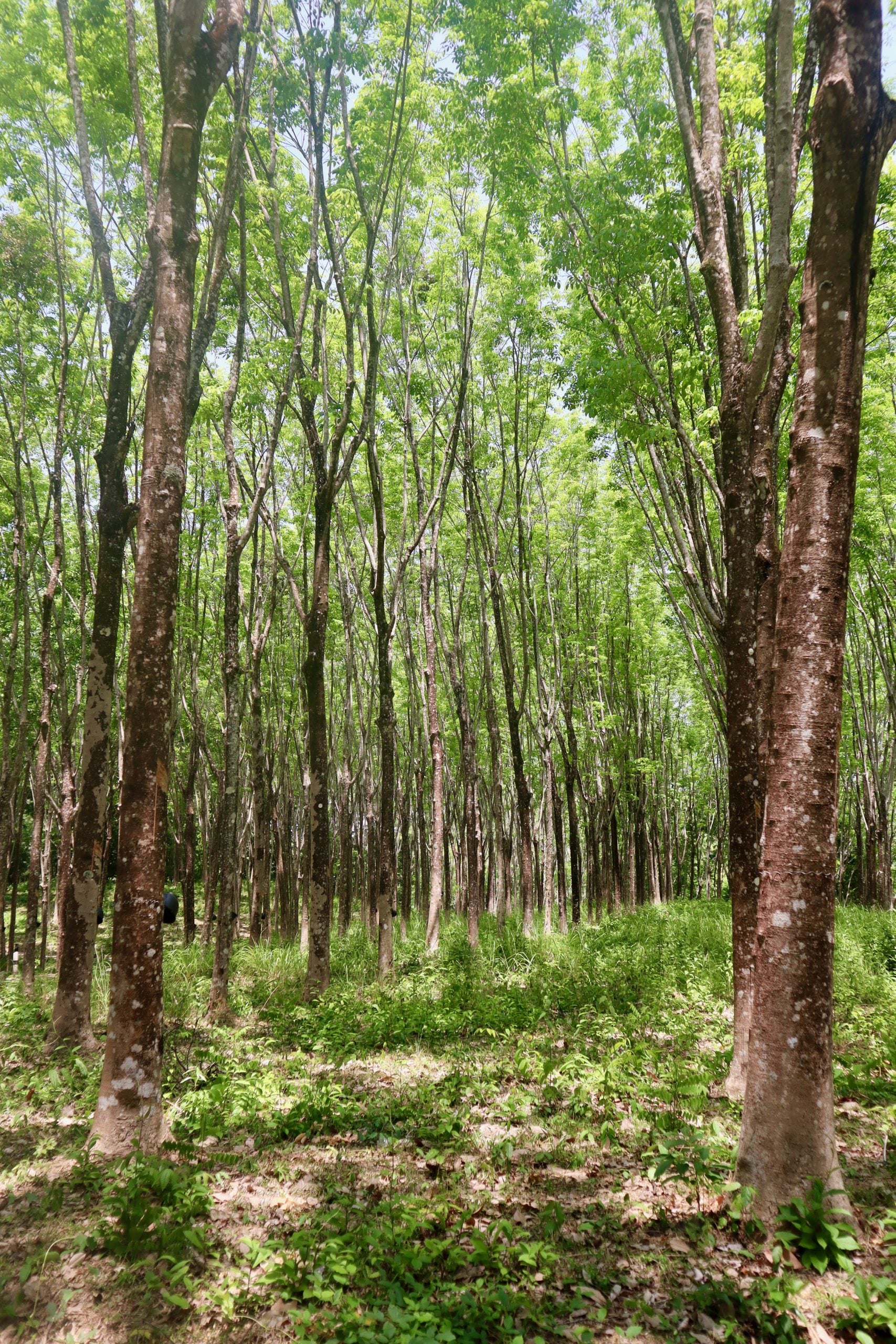
Tractors share the roads with motorbikes, nets get mended on the piers, and the interior is agricultural rather than jungle. Come for the atmosphere and the pace; do not come expecting a long list of things to do.
- Scale: Small enough that you are never far from anything, which is what makes a two or three night stay feel complete rather than rushed.
- Vibe after dark: No nightlife, no beach clubs, and essentially nothing beyond resort and village dining. That is the trade you make for the quiet.
- Getting around: There is no public transport on the island at all. Arrange your accommodation’s pier pickup before you travel — turning up unbooked with bags is the one genuinely avoidable mistake here.
The three beaches worth knowing
The coastline is uneven in quality, so knowing which stretch to swim from saves you a disappointing first afternoon.
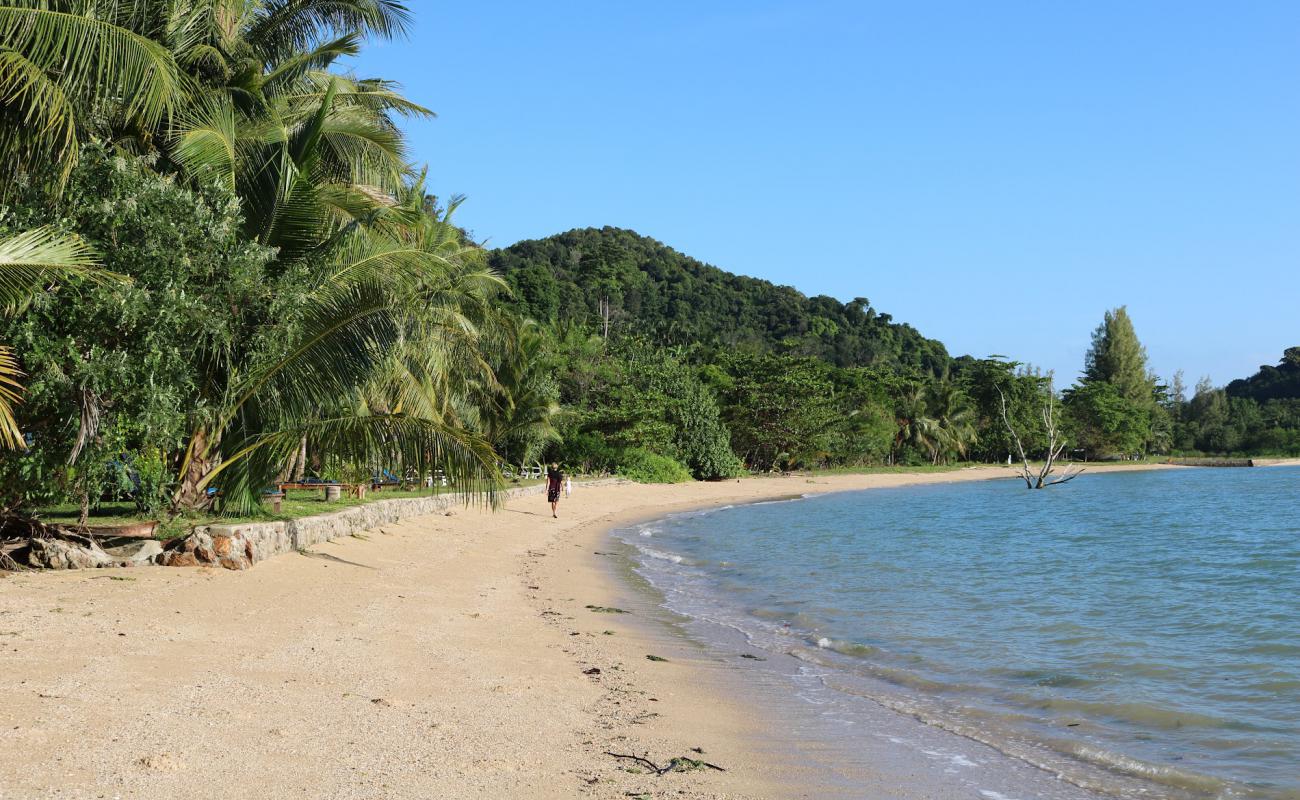
- Tha Khao Beach — for the walk to Koh Nui: The standout experience on the west coast is the sandbar that emerges at low tide and lets you walk across to the tiny island of Koh Nui offshore. Check the tide before you plan it; the crossing disappears as the water comes in.
- Pasai Beach — for sunrise: Positioned to catch first light, with the limestone karsts of Phang Nga Bay lined up on the horizon. This is the beach to be on at dawn and the wrong choice for anyone whose holiday starts at nine.
- Six Senses Beach and Long Beach — for swimming: These are the best stretches of sand on the island for actually getting in the water. Base your swim here rather than hunting the more photographed bays.
What to do in two or three days
Koh Yao Noi rewards people who slow down and punishes people looking for an itinerary. Two to three nights is the right length — enough to cover the island without running out of reasons to stay.
- Morning one — the island loop: Rent a motorbike and circle the island. The full circuit takes a single unhurried morning, and you will pass the paddies, plantations and village waterfronts that make this island different from every other stop on this list.
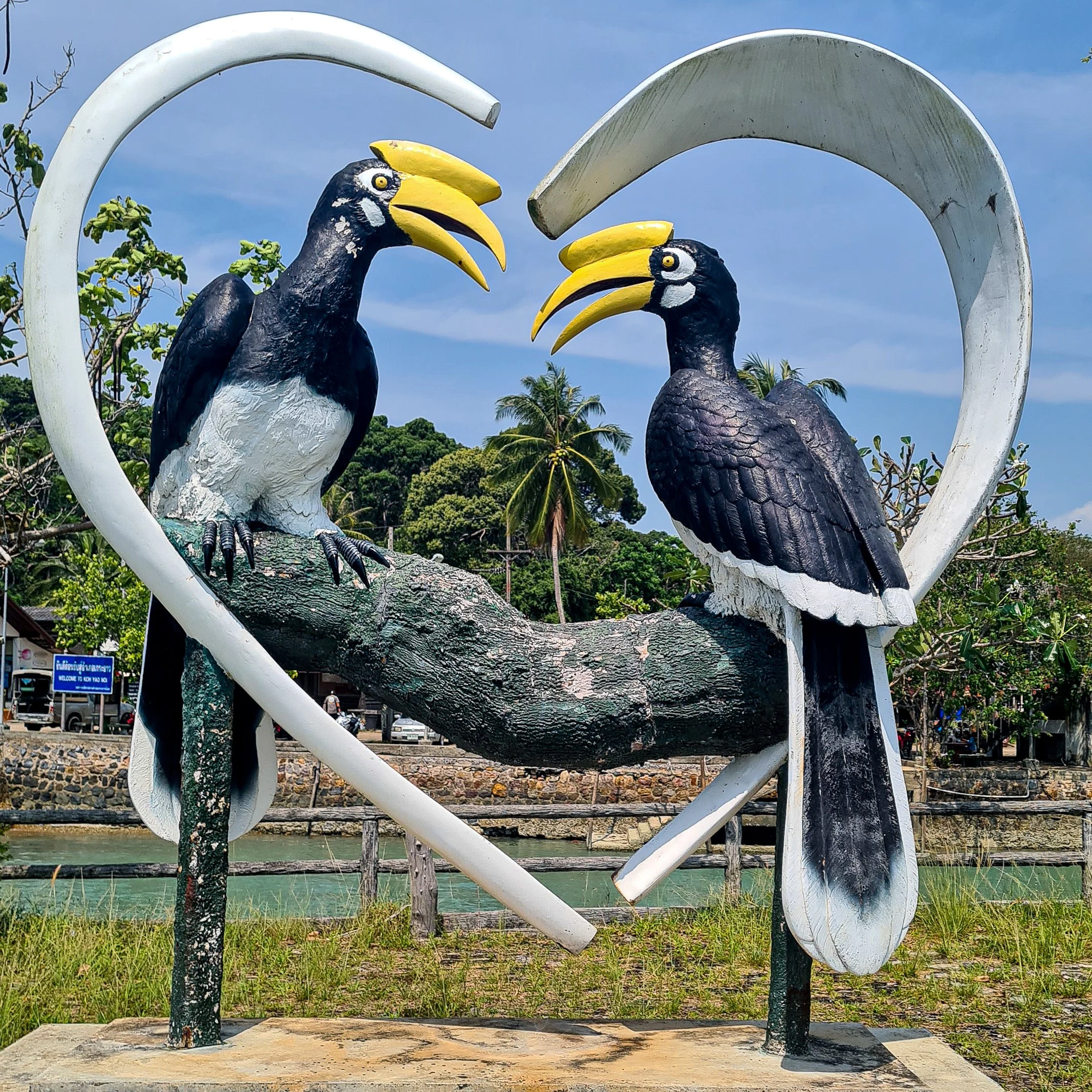
- Afternoon one — Hornbill Viewpoint: The hike up from near Tha Khao Pier is the one climb worth doing here, and it is at its best in the cooler part of the day. Bring water; there is nothing at the top.
- Morning two — the mangroves: Kayak the north-coast mangroves, but time it for high tide. At low tide you will be dragging a kayak through mud, which turns a good morning into a bad one.
- Any low tide — walk to Koh Nui: Slot this in wherever the tide table allows rather than where your schedule wants it.
- Sunrise one morning — Pasai Beach: Worth the alarm once, then go back to bed.
Where it falls short
Honestly, the island is dull for anyone who needs stimulation, and I would send restless travellers elsewhere rather than watch them get frustrated. There is no nightlife, no beach club scene, and no public transport, so you depend entirely on your own two wheels or your resort’s arrangements.
Accommodation runs from guesthouses starting around 1,500 THB per night up to the Six Senses at the top end, and the gap between those two experiences is enormous. My strong advice: book a place that includes dinner.
With limited evening options and no way to get anywhere after dark, dinner-inclusive resorts remove the only real logistical headache of staying here. Plan on two to three nights — one night is not enough to justify the crossing, and longer starts to feel like waiting.
Koh Yao Yai — the longer, emptier neighbour in the same bay
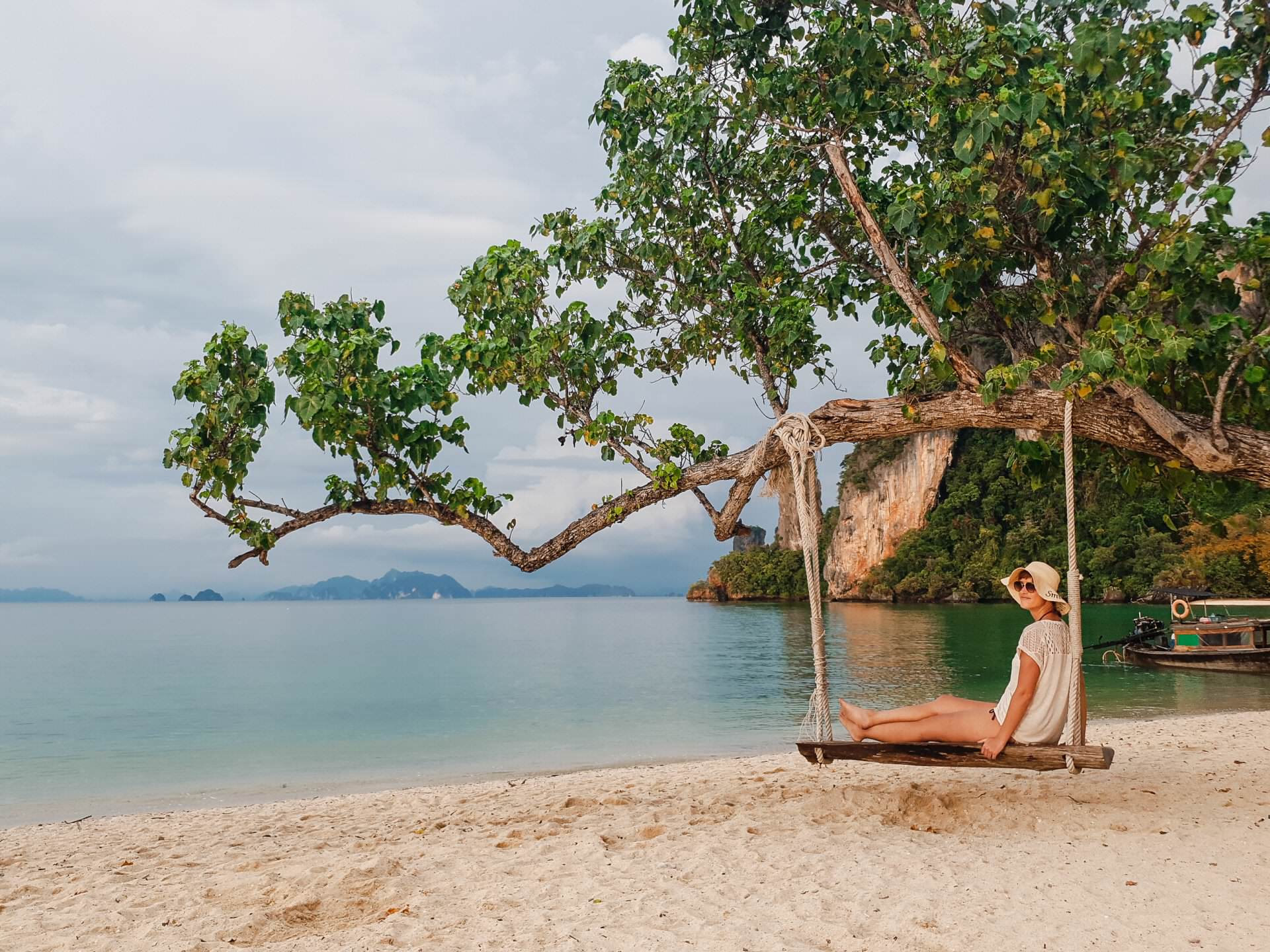
At 26 km from tip to tip, Koh Yao Yai is roughly four times the size of the islands most people picture when they say “quiet island near Phuket” — and that length is exactly why it works. Spread-out geography means the handful of visitors who come here never pool in one place.
I’d rent a motorbike for the stay; it is the only format that makes sense on an island this size, and it is what turns Yao Yai from a beach stop into a real island.
One thing to internalise before you book: most restaurants on the island serve no alcohol, because the population is Muslim. If a sundowner is non-negotiable to you, buy what you want on the mainland and confirm your resort’s policy before you arrive — otherwise you are making an unplanned round trip for a beer.
Loh Pared and Laem Had: the two beaches that define the island
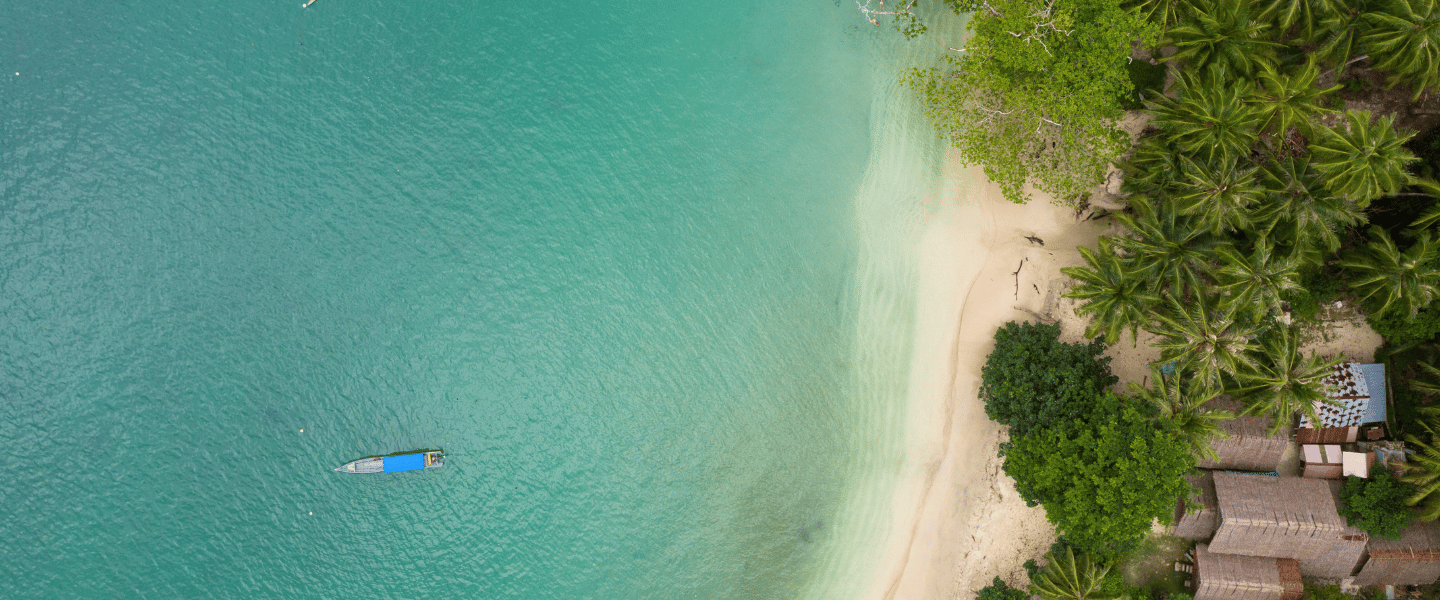
Loh Pared Beach, on the west coast, is the best swimming beach on the island — long, gently shelving, and calm enough in the dry-season window to swim comfortably. The three resorts that line it are the practical reason to base on this stretch: the beach stays serviced but never crowded, and the west-facing position makes it the sunset side.
Laem Had Beach, up on the northern tip, is the island’s best beach full stop. A sandbank runs out from the shore into shallow water, and at low tide you can walk far enough out that the coastline rearranges itself around you.
Set an alarm for it: sunrise at Laem Had is the single best hour on the island, with the sandbank exposed, the water glassy, and nobody else there. This is the one early start I would insist on.
- Swim here: Loh Pared — the only beach I’d trust for a proper swim rather than a wade.
- Photograph here: Laem Had — sandbank geometry changes with every tide, so shoot it at sunrise and again at low tide if you can.
- Plan around the tide: Laem Had is a low-tide show. Ask your resort the night before when low tide falls, and build your morning around that number.
The far south and the fishing villages
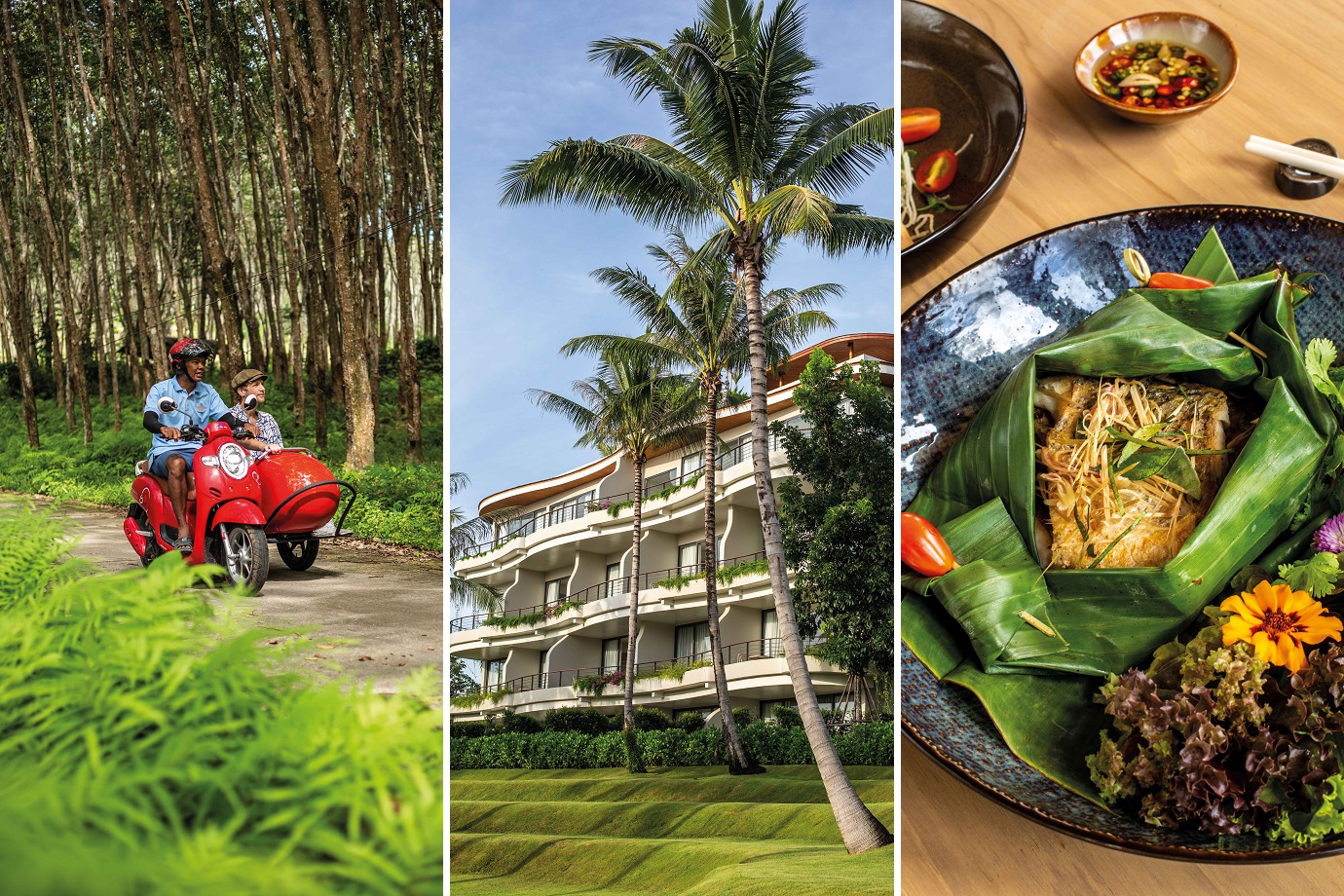
The southern end of the island is where Yao Yai stops performing for visitors and just works. Phru Nai Pier is a working fishing pier first and a photo stop second — nets get mended on the boards in full view, and the boats tied up here are the island’s actual economy rather than a set dressing.
Go late afternoon, keep to the edges, and let the net-mending be the scene you watch rather than something you stage.
The view back across the bay from the south is the reason the big resort here exists: Anantara Koh Yao Yai sits where limestone rocks break the sea surface in clusters, the classic Phang Nga Bay formation seen from sea level rather than from a viewpoint. Sea Breeze Resort occupies the same coastline at a fraction of the price, and honestly, for the view alone, it is the smarter booking — you are paying for the same rocks either way.
Should you pick Yao Yai over Yao Noi?
Pick Yao Yai if your quiet is measured in distance. It is longer, flatter, emptier, and slower to cross end-to-end, and the beaches here are better raw sand than what you’ll find on the smaller neighbour.
Pick it if you want to swim at a serviced beach and still have a whole sandbank to yourself at sunrise.
Pick the smaller island instead if you want everything within reach without committing to a motorbike, and if you’d trade beach quality for a tighter, more village-scale feel. In feel and scale these are genuinely different places: Yao Yai is a long, spread-out working island you explore, the other is a compact one you settle into.
For a January trip where the point is doing less, I’d take Yao Yai.
Racha Yai — the quietest island you can reach without an overnight bag
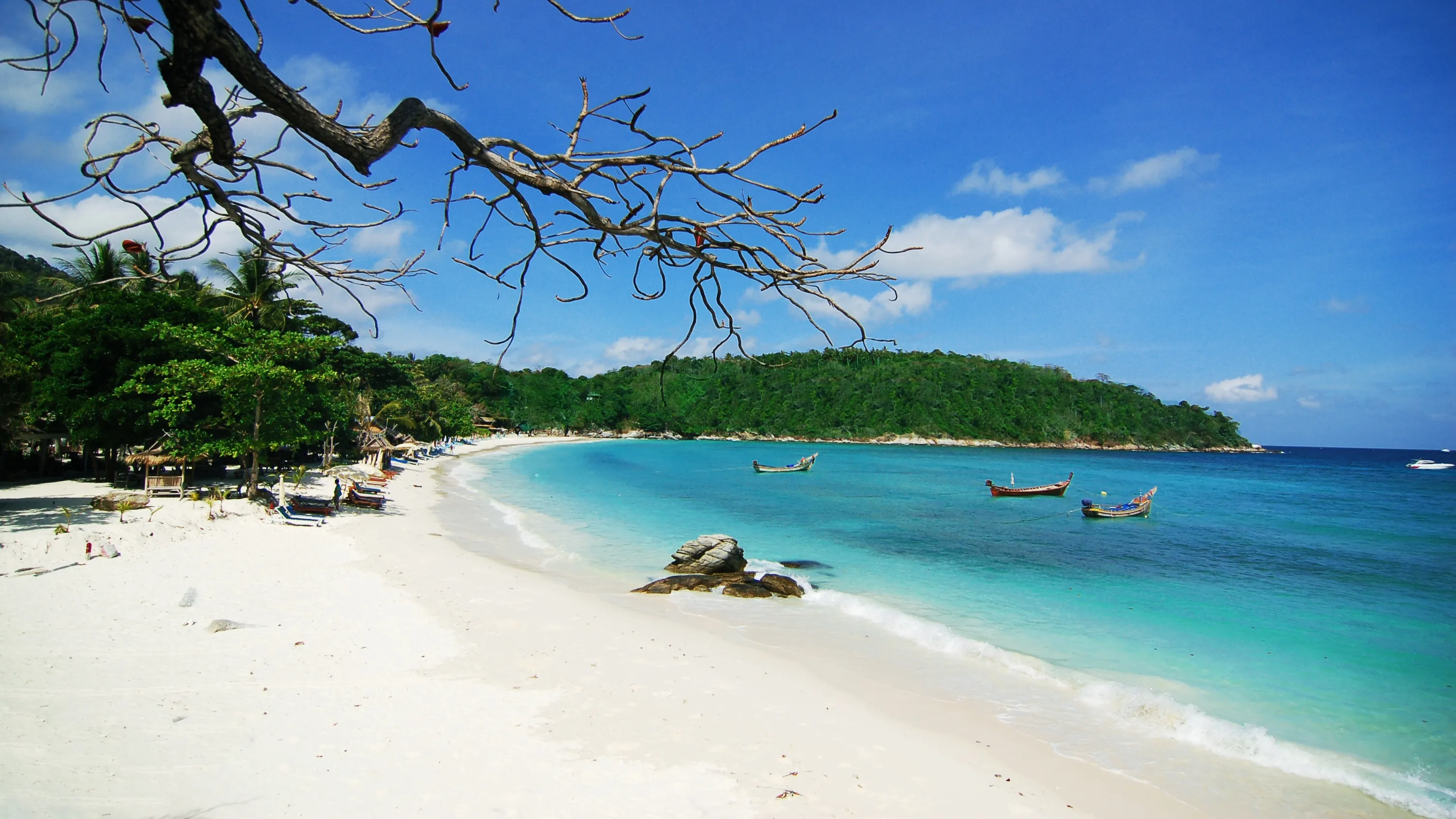
Ao Bungalow is the postcard: a long, curving sand bay with clear water straight off the sand and a handful of beach restaurants tucked behind the tree line. It is the reason Racha Yai works as a January day trip — you get genuinely good water without committing to a stay or a long crossing.
Why it qualifies as quiet
Racha Yai is not empty, but it is a different category of busy from Phi Phi. Expect lower hawker pressure and fewer mass-tour boats — the crowd here is mostly divers and snorkellers focused on the water, not the beach bars.
If your definition of quiet is “nobody selling me anything while I swim,” Racha Yai delivers; if you want an island to yourself, this is not it, and the overnight islands in this guide beat it on that count.
- For beach-only travellers: Ao Bungalow is the base — long sand, swimmable water, and restaurants within walking distance, so you can spend the day without planning anything.
- For avoiding crowds: Book the boat that arrives later in the morning rather than the first departure, when the sand is still empty and the dive groups are still gearing up.
- For the honest trade-off: Racha Yai wins on underwater quality per minute travelled and loses on isolation. Pick it for the water, not the solitude.
What you actually see underwater
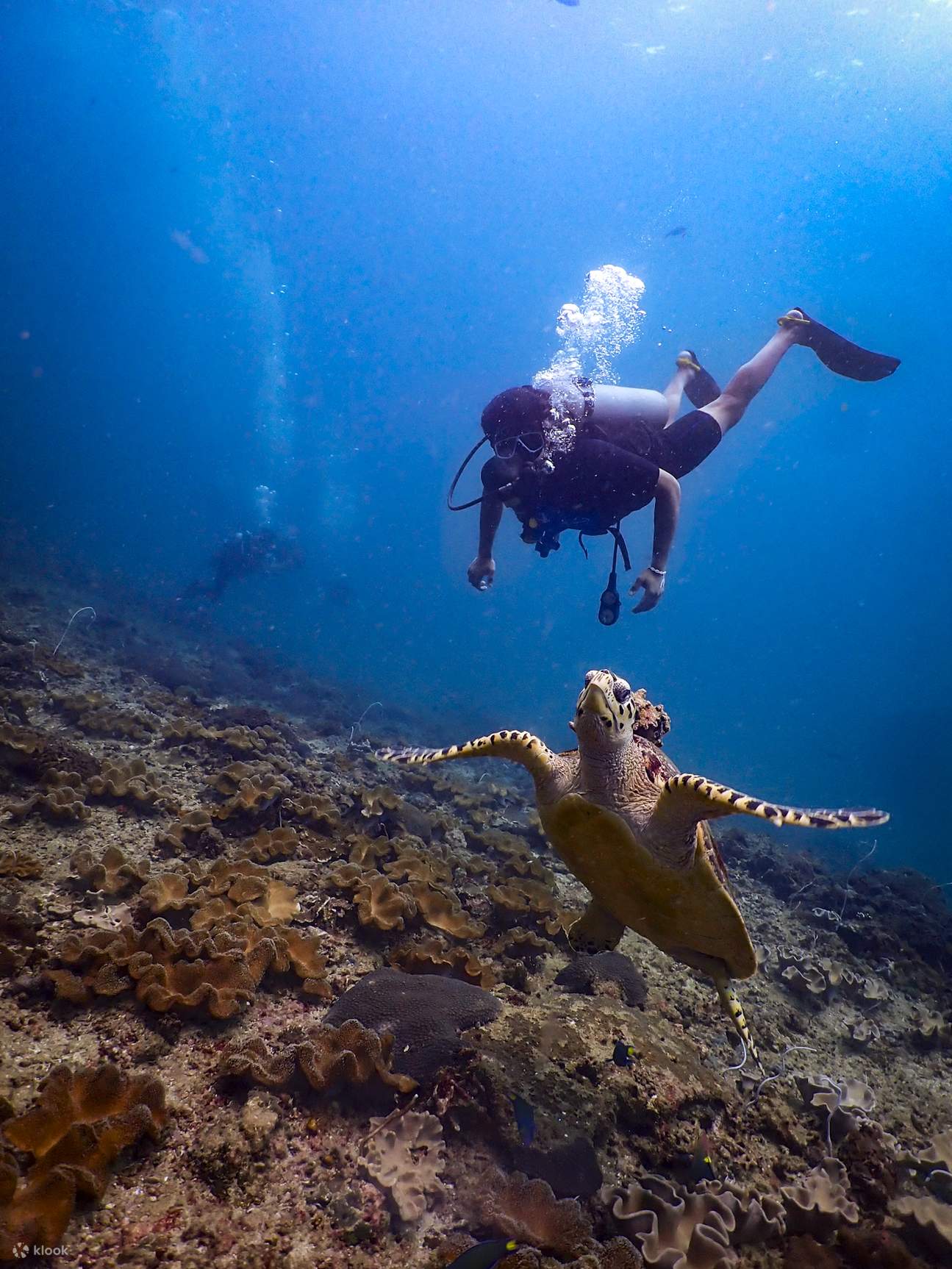
On good days visibility around Racha Yai runs about 15–30 m, which is the best you can reasonably expect this close to Phuket. The headline sighting is the resident sea turtles at Ao Siam — this is the site to ask your operator to prioritise, and it is the single detail worth confirming before you pay.
- Ao Siam: The turtle site. Shallow enough for snorkellers, which is why it is the site that makes a snorkel-only trip worth the money.
- Racha Yai’s bays: Sandy bottoms and easy entries, the right choice for new divers and anyone nervous in open water.
- Racha Noi: Uninhabited, exposed, and a genuinely advanced dive site — stronger currents and rockier terrain. This is for certified, experienced divers only, and it is not a snorkeller’s island.
On price, expect roughly 1,500–2,200 THB for a snorkel day trip and around 2,500–3,500 THB for a two-dive trip, though rates vary by operator and what’s bundled in. The gap buys you tanks, weights and a guide; if you are not certified, the snorkel trip is the better use of the day, because the underwater scenery at Ao Siam is close to what the dives offer.
Day trip or overnight?
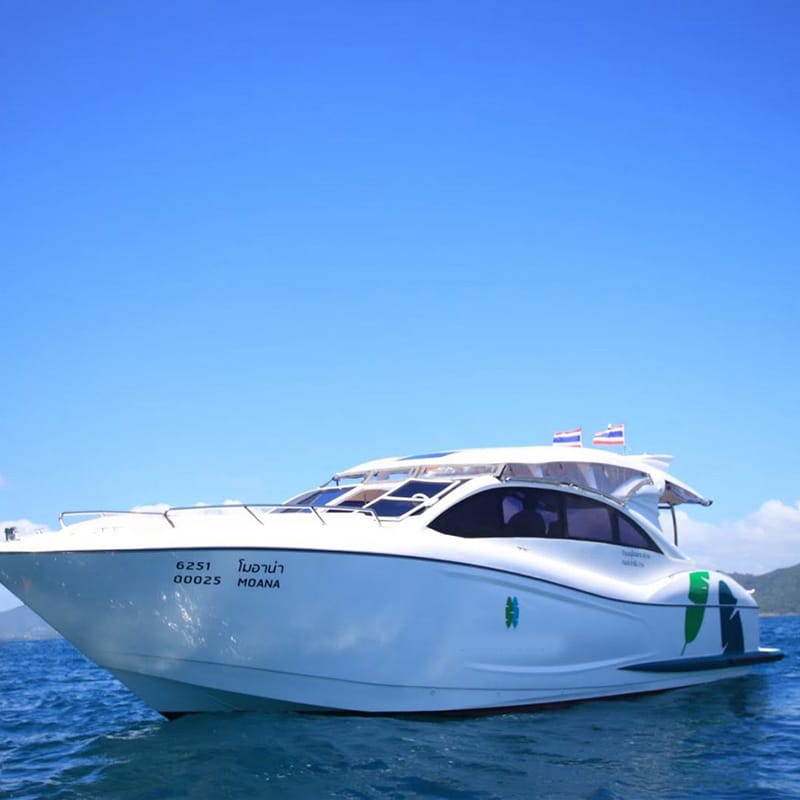
Day trip, without hesitation. The speedboat crossing from Chalong takes about 45 minutes, which is short enough that an overnight adds cost and complexity without adding quiet.
Use Racha Yai as the one day of underwater time in a January trip otherwise spent on the longer-stay islands — it slots in easily before or after a stay elsewhere, and the beach restaurants at Ao Bungalow mean you never need to pack food.
- Best use: A single full-day trip for snorkellers and divers who want top-tier visibility without an overnight bag.
- Skip it if: Your priority is an island where you wake up alone — the stay-over islands in this guide do that job better.
- My read: Racha Yai is the highest-value day trip near Phuket for anyone whose trip needs one great underwater day and nothing else.
Koh Jum — the low-key island most Phuket visitors never consider
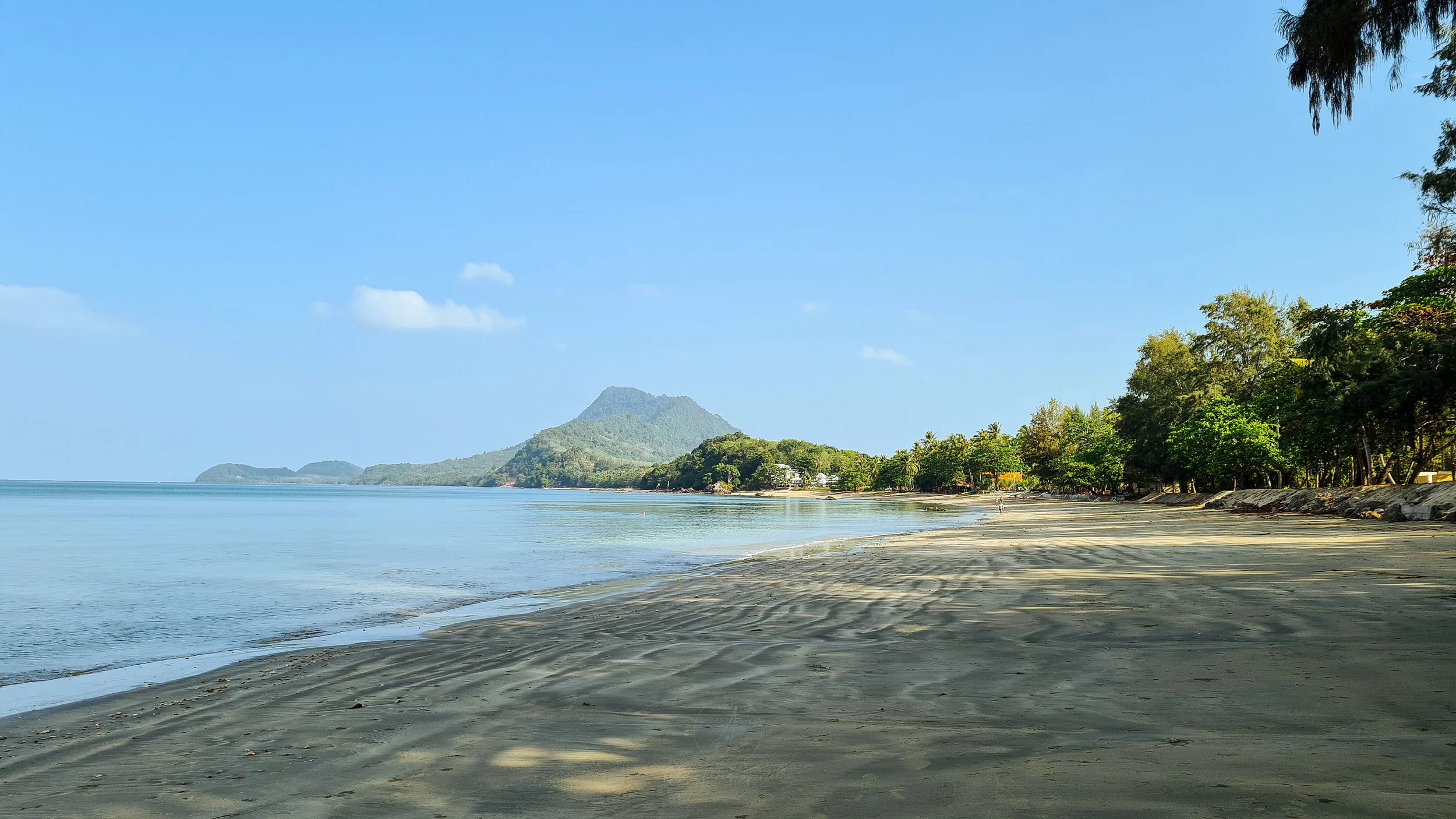
Nine kilometres long and reached by changing boats through Krabi rather than sailing direct from Phuket, Koh Jum collects almost none of the package-tour traffic that lands on the better-known Andaman islands — which is exactly why its west coast still reads as a beach, not a resort strip. The extra transfer step is the reason it stays quiet, and it is worth the effort for anyone whose January brief is solitude over convenience.
The island is too long to cover on foot and too spread out for one base to do everything. Rent a motorbike for the duration of your stay; that is the standard way to move between the west-coast beaches, the northern sunset side and the trailhead inland.
Prices and rental formats vary by shop, so confirm the fuel arrangement and whether the bike is delivered to your accommodation when you book.
Golden Pearl Beach and the west coast
Golden Pearl Beach is the main beach and it delivers on the promise of the photo you clicked: several kilometres of continuous sand running down the west coast, with the forested cone of Khao Ko Pu rising directly behind it. Fewer beach vendors, fewer longtail queues, and enough empty shoreline that the “quiet islands” search actually resolves here.
- Golden Pearl Beach: The swimming and walking beach. Its multi-kilometre length is the point — you can walk a long way without doubling back past the same crowd.
- Sunset Beach in the north: The move for the evening. Smaller, more exposed and positioned for the sunset rather than for swimming; plan your motorbike loop so you end here rather than crossing the island after dark.
- Photographers: Shoot Golden Pearl with Khao Ko Pu behind it in the morning light, then reposition north for the evening — the two beaches want opposite times of day.
The Khao Ko Pu hike — and the turn people miss
Khao Ko Pu is the low mountain you can see from the whole west coast, and the climb to its summit is only just over 400 metres — a half-day outing, not an expedition, and the single best thing to do on the island besides nothing.
The route starts through working rubber plantations, then passes a set of abandoned buildings. This is the decision point: the correct path branches left at the abandoned buildings. Take the wrong fork and you end up on a path with a genuine cobra hazard — this is not a scare story, it is the reason the hike is worth doing with someone who knows the way rather than guessing at the split.
- Waypoint to memorise: Left at the abandoned buildings. Write it on your phone; the junction is unmarked.
- Footwear: Closed shoes with grip. Rubber plantation paths are slick underfoot and the wrong path is unmaintained.
- Local guide: The cheapest insurance on this hike. Ask at your accommodation the day before; guides are arranged informally, not through an office.
- Why bother: The view is the payoff — the whole west-coast beach line, Golden Pearl and Sunset Beach, laid out in one frame.
Village life and the honest downside
There is real village life on Koh Jum, not a beachfront economy pretending to be one. Bang Ting Rai is the village to see it in, and if your dates coincide with the school festival, go — it is the one evening on the island where the community, not the beach, is the attraction.
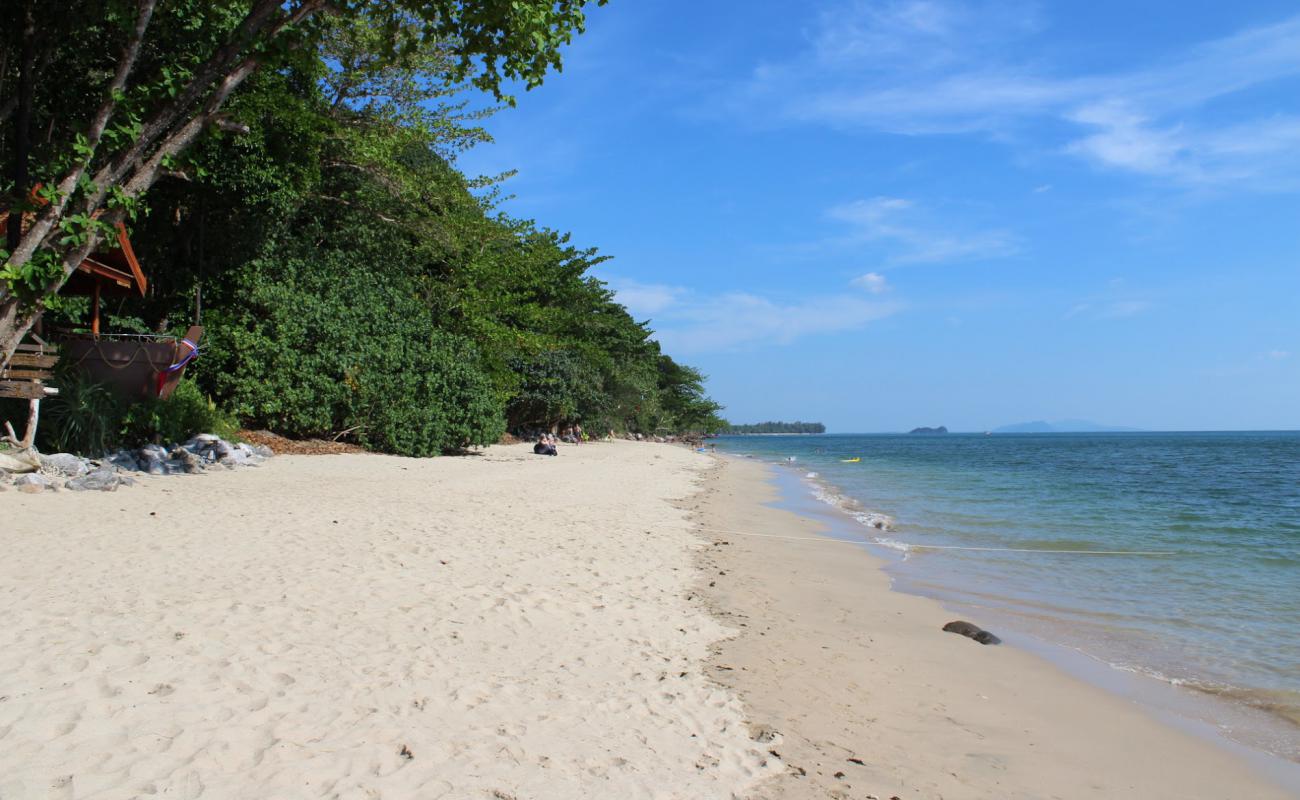
The downside is specific and recurring: garbage is burned along the beaches on a regular cycle, and the smoke drifts across the sand. It is the trade-off for an island without a waste-collection system, and it is the reason Koh Jum’s emptiness does not look like a resort brochure on every single day. If you are sensitive to smoke, ask your accommodation where the nearest burn site sits relative to your beach and set your walking plans around it.
My read: Koh Jum beats every other island on this list for travellers who want a functioning village and a long empty beach over polished facilities. Accept the smoke and the unmarked trailhead, and it is the most genuinely low-key island within reach of Phuket in January.
The quiet on Koh Lanta isn’t distributed evenly — it runs in a gradient down 27 km of coastline, and the nine west-coast beaches get progressively emptier the further south you go. Choosing the wrong end is the single mistake that turns this island into just another busy resort strip.
Beach by beach, north to south
Koh Lanta earns its reputation as the most touristy island on this list, and that reputation is accurate for the north. It also stops being true somewhere around the middle of the west coast. Pick your base with that line in mind.
| Beach | What it’s actually like | Who should book here |
|---|---|---|
| Pra-Ae (Long Beach) | Long, flat sand that works for swimming and morning jogging; one bar runs live music weekly | Anyone who wants a walking base with a bit of life after dark but no party scene |
| Klong Nin | Mid-island, west-facing, and the beach to be on when the sun goes down | Sunset chasers and travellers splitting days between beach and inland exploring |
| Kantiang Bay | A sheltered crescent and the last genuinely comfortable beach before the road steepens | Almost everyone; this is the base I’d pick for a first quiet-island trip |
| Klong Jark | Deserted, with no facilities | Self-sufficient travellers who stocked up and want nobody else on the sand |
| Bamboo Bay | Deserted, with no facilities | Same deal as Klong Jark — beautiful, but you bring everything |
My call: Kantiang Bay is the sweet spot — quiet enough to feel like the escape you came for, comfortable enough that you can eat well and book a proper room. Pimalai Resort and Spa is the anchor property there and the reason the bay stays polished rather than scrappy.
If your budget stretches to it, book it; if not, the bay still works. Klong Jark and Bamboo Bay are the fantasy, but fantasy without facilities gets old around the second evening.
What to do when you tire of the beach
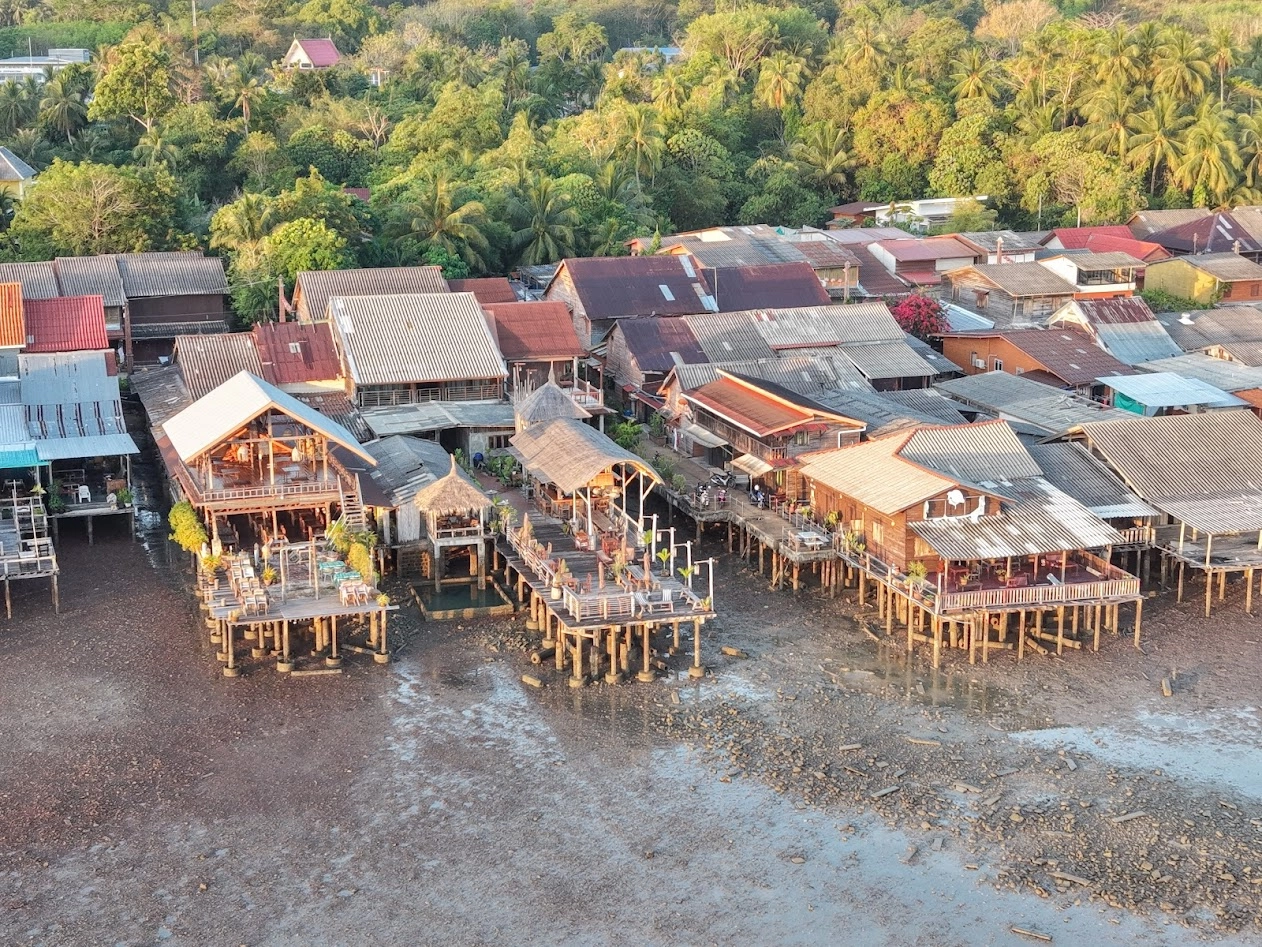
- Lanta Old Town: Wooden shophouses on the east coast, worth an afternoon of slow wandering and a seafood lunch. It’s the one place on the island that predates tourism and still looks like it.
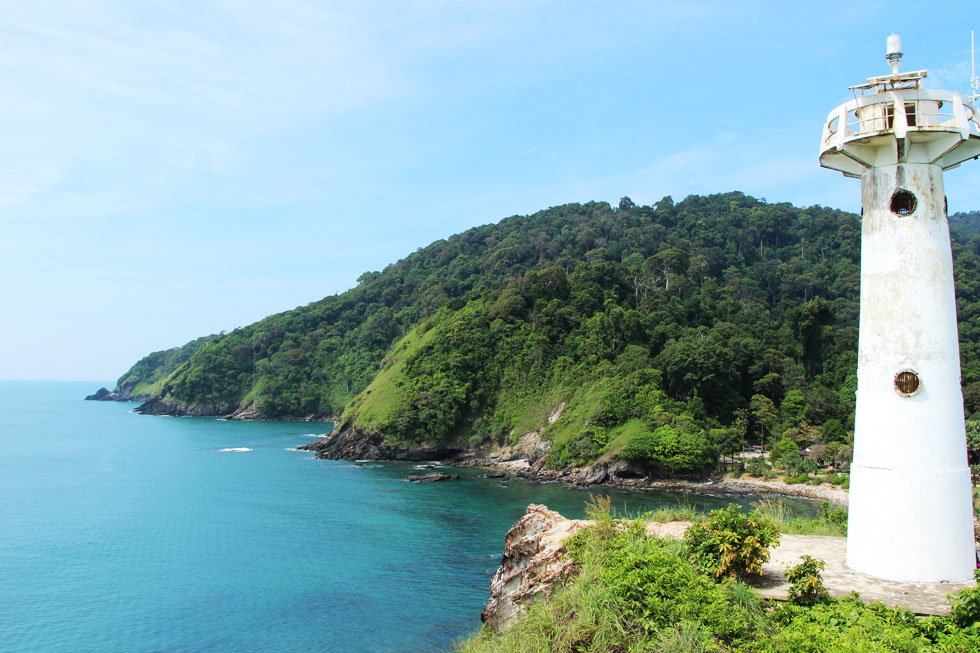
- Mu Koh Lanta National Park: Sitting on the southern tip, it charges entry of around 200 THB — confirm the current rate with the park before you go. The lighthouse viewpoint is the payoff, and the monkeys here are bold enough to go through an unattended bag, so keep food locked away.
- Khlong Chak cave hike: The trail runs past bat-filled caves to a waterfall in the jungle behind the west coast. Go in the morning before the heat builds.
- Motorbike rental: Typically 200–300 THB per day. This is how you actually see the island — and how you reach the beaches the shared trucks skip. Take photos of existing scratches before you ride off.
The limitation that decides your trip
Koh Lanta is large enough that “quiet” requires effort. The north carries the density of a working tourist island, and the far south has no facilities at all — the quiet is real, but so is the isolation.
Everything that makes the island easy, restaurants, ATMs, shops, sits between those extremes.
The other limitation is transit time. Koh Lanta is the furthest island in this article from Phuket, and reaching it means a longer journey than anything else on the shortlist.
If you have only a couple of nights, the distance eats the trip. Three or more nights is when the island starts paying you back.
One structural change is coming: a 2 km mainland bridge is under construction, with completion expected around 2029 — confirm current status before booking near the far south, as the character of those beaches is the most likely thing to change first. For now, go before it’s easier to reach.
Koh Ngai and Koh Muk — tiny, quiet, and flawed in specific ways
These two islands sit close enough together to combine, and both come with a catch you should know before you pay for the transfer: Koh Ngai’s main beach is a tide-dependent strip, and Koh Muk has sand flies that shrug off repellent. Neither is a reason to stay away.
Both are a reason to plan the day around them.
Koh Ngai: beauty priced in, tide dependent
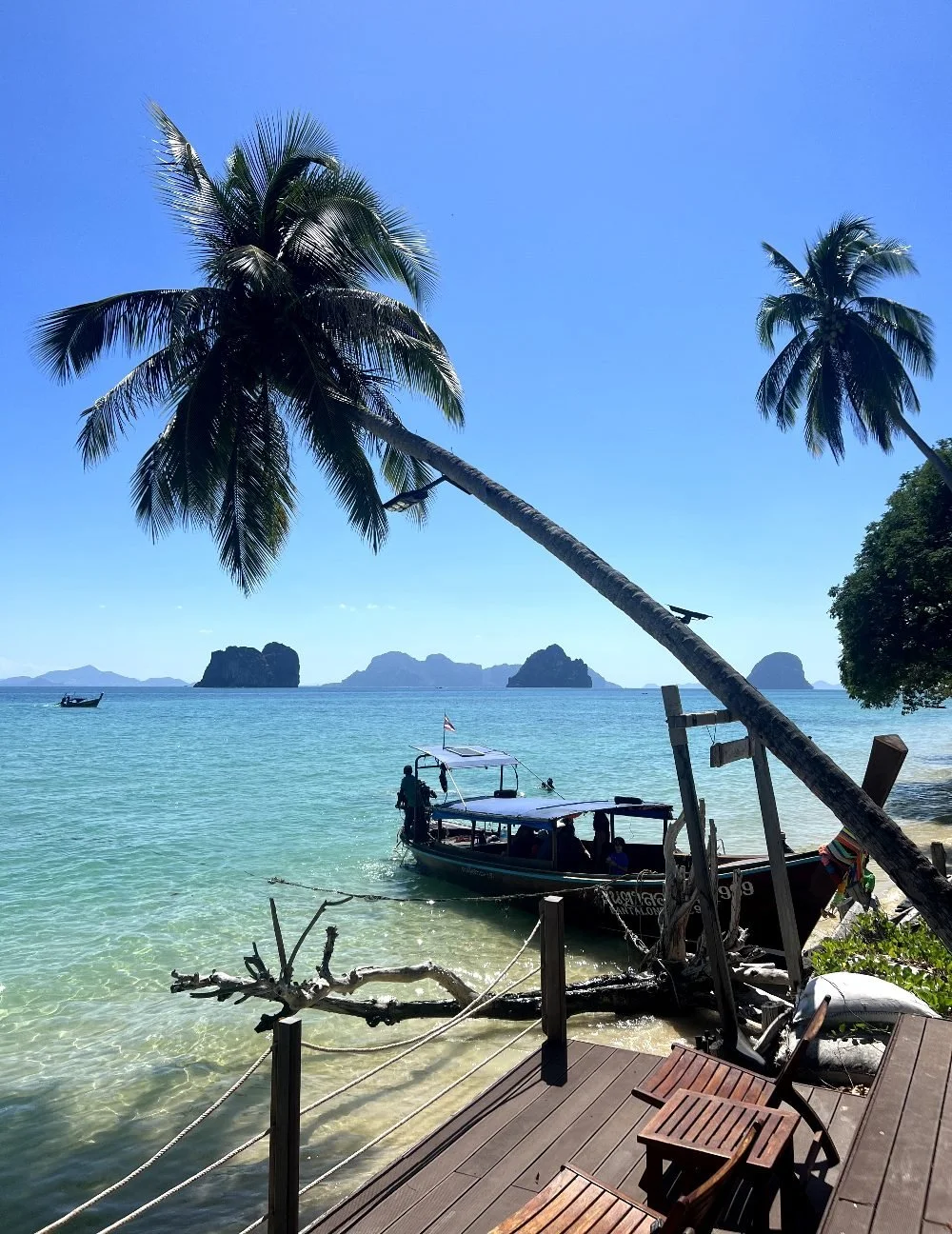
Koh Ngai is a slender 4 km island with a reputation for exceptional beauty and accommodation priced accordingly — you are paying for isolation, not for facilities. Go in with that expectation and the island works.
What the postcards leave out is the tide table. The main beach is only fully accessible at low tide, and at low tide you cannot swim — the water pulls back past the sand and you are walking on wet flat.
Build your day around the tide chart, not the other way round, and expect the beach protection structures along the shore to be a visual nuisance in photos.
- Where to snorkel: The northeast end of the main beach is the only worthwhile spot. Go there, not the middle of the beach.
- Where to walk: The jungle path over to Paradise Beach is the island’s best half-day — look for hornbills in the canopy on the way.
- Manage the expectation: Paradise Beach has lost its palm trees. It is still pretty; it is not the palm-fringed cove in older guidebooks and blog photos.
Koh Muk: one cave, and the sand-fly question
Koh Muk lies roughly 8 km from Koh Ngai and is the more lived-in of the two, which is exactly why most boat tours stop here: Emerald Cave. You swim about 80 m through a dark sea tunnel into a hidden grotto lit by a shaft of sky — genuinely one of the Andaman coast’s best experiences, and genuinely ruined by timing.
Boats converge early in the morning, so either be on the first departure or accept a queue of heads in the water with you.
Then there is the sand-fly problem. Koh Muk’s sand flies are notorious for biting through standard repellent, so treat this as a real planning factor, not a minor annoyance:
- Best beach: Charlie Beach, on the west coast. It is the one stretch worth building an afternoon around.
- Skip it: The jungle viewpoint. The climb is not rewarded by a view that justifies the effort in January heat.
- Sand-fly defence: Cover up at dawn and dusk rather than relying on spray, and shake out anything left on the sand before you put it back on.
Should you skip one of the two?
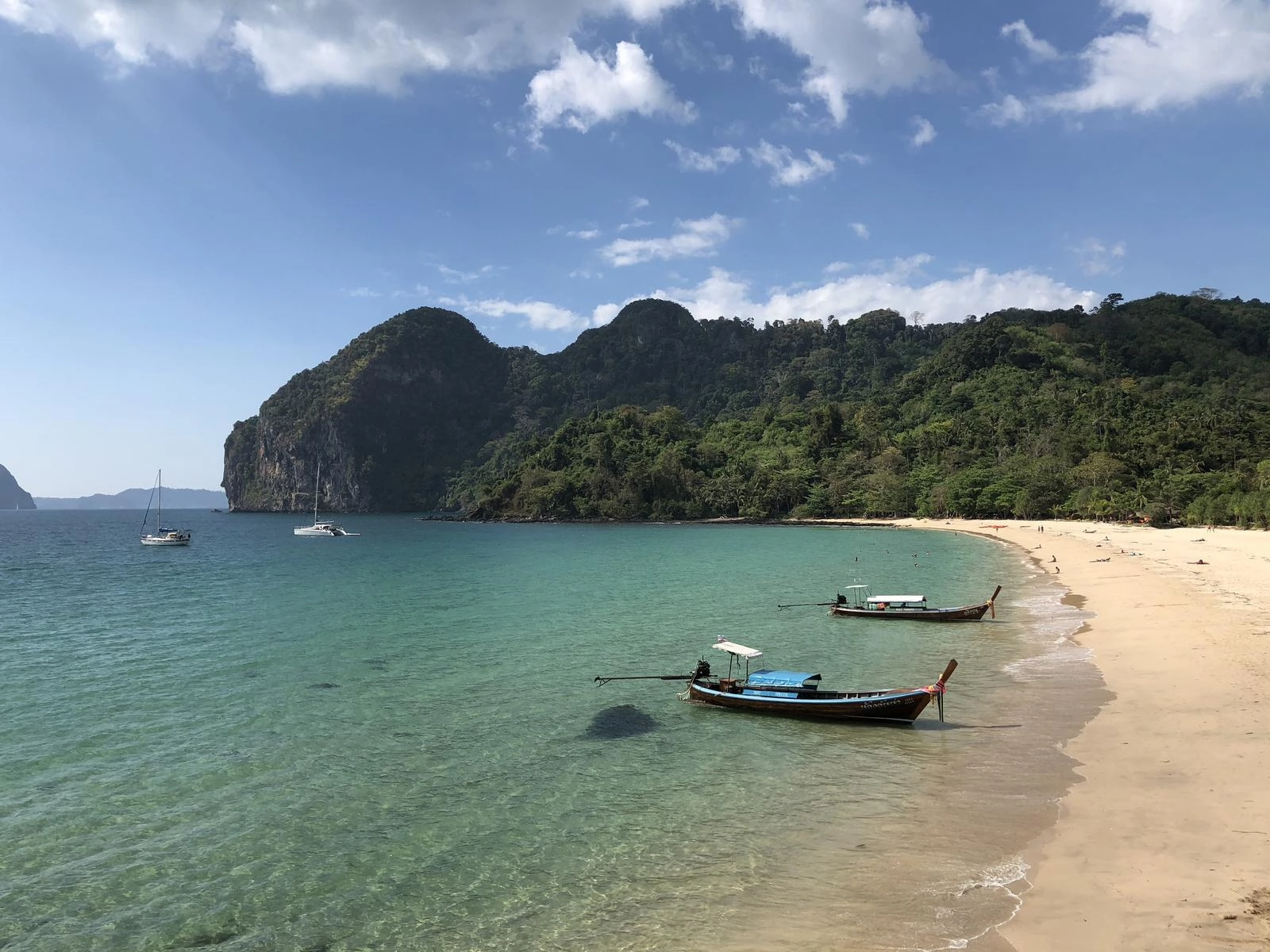
My call: do not skip either if you have a full day and a private or small-group boat — Koh Ngai delivers the swim-and-snorkel half, Koh Muk delivers the story you will actually tell people.
Skip Koh Ngai if your transfer arrives at low tide and leaves before the water comes back in. You will see a wide wet flat and a rock groin, and you will wonder what you paid for.
Skip Koh Muk if you are travelling with young children or anyone anxious about confined dark water — the Emerald Cave swim is non-negotiable for the island’s appeal, and the sand flies will not care that you are on holiday.
If you can only keep one, keep Koh Muk. The cave is unique in this part of the Andaman; Koh Ngai’s beach is beautiful but repeatable elsewhere.
Getting to these islands from Phuket in January
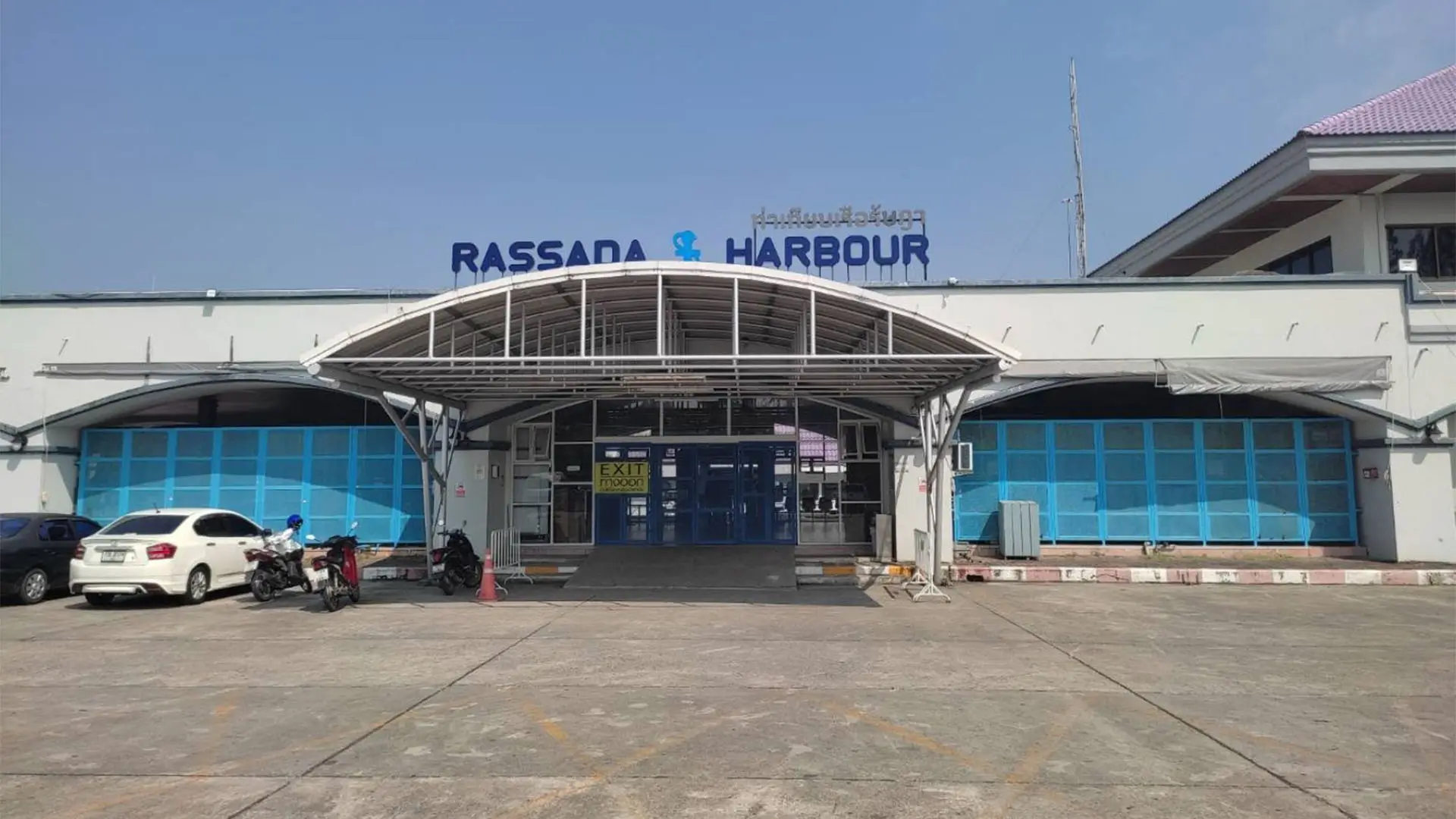
Rassada Pier looks like chaos at 7:30am — minivans unloading backpackers, ticket touts calling island names, and longtail crews hauling fuel drums — but the pier you leave from is the single decision that determines which “quiet island” you actually reach. Book the wrong crossing and you will end up on the same boat as forty day-trippers headed for Maya Bay.
Which pier you leave from
Phuket has several departure points, and operators rarely explain why it matters. The short version: northeast piers serve the quiet Yao islands, Chalong serves the southern day-trip islands, and Rassada is the long-haul hub heading toward Krabi province.
| Pier | Serves | What to know |
|---|---|---|
| Bang Rong | Koh Yao Noi and Koh Yao Yai | The correct pier for the quietest crossings. Allow roughly 30–45 minutes by road from Phuket International Airport in January traffic, and confirm the timing with your transfer driver rather than assuming it. |
| Ao Por | Phang Nga Bay services and some northeast routes | Useful if you are already staying on Phuket’s east coast; not worth backtracking to from the south. |
| Chalong | Southern island day trips | The hub for speedboat day-trip operators. Departures are early and the boats here are the most likely to be large-group charters. |
| Rassada | Krabi-bound ferries, then onward to Koh Jum and Koh Lanta | Plan this as a full travel day with at least one boat change. Koh Jum and Koh Lanta are reached through Krabi, not directly from Phuket. |
Booking rules that keep a quiet trip quiet
Cheap group tours are where quiet trips die. Before you pay, get written answers to these:
- Passenger count: Ask the boat’s capacity and the expected group size. Anything around 40 or more passengers is a mass-tour product — that is the single biggest red flag.
- Inclusions: Confirm equipment quality, lunch, drinking water and hotel transfer in the quoted price, so nobody can upgrade you at the pier.
- National park fees: Ask whether entry fees are included. Maya Bay charges 400 THB entry and some operators collect it separately in cash on the day.
- Cancellation policy: Get the weather-cancellation refund terms in writing before booking. If the operator will not state a clear refund or reschedule policy for cancelled crossings, book elsewhere.
- Pier pickup: Insist your resort or operator confirms pickup. Public transport does not exist on the smaller islands.
Insider detail: small island resorts in January are the real bottleneck, not the boats. Reserve the room first, then let the resort book your boat and pickup — their crews hold seats that disappear from online inventory weeks earlier.
Costs and what’s worth paying for
- Pay for: smaller-capacity speedboats and private or semi-private transfers. You are buying a fraction of the passenger load, better equipment and a crew that will actually turn back if conditions change.
- Pay for: resort-arranged boat-and-pickup packages. The premium is modest compared with the cost of a wasted crossing.
- Do not pay for: the cheapest advertised island hop. The discount usually comes from group size and stripped-out inclusions.
- Budget separately: national park entries and lunch when a tour quote excludes them, and confirm those exclusions before departure day.
Which quiet island near Phuket is right for you?
Three of these islands work for nearly everyone; the other three only work for specific travellers. The match matters more in January than any other month, because a wrong fit means burning your holiday on boat transfers between places you didn’t want.
Pick by traveller type
Sort by what you actually do all day before you sort by how the place photographs.
| Traveller type | My pick | Why |
|---|---|---|
| Couples | Koh Yao Noi | It delivers silence after dark and dinner at your own resort. The Koh Lanta south coast only wins if you want a beach bar within walking distance. |
| Snorkellers | Racha Yai | Its clear water and resident turtles beat everything else in this guide. Nothing else comes close for reef time. |
| Cyclists | Koh Yao Noi | This is the only island where a bicycle is the right vehicle: shaded lanes, short distances and almost no traffic. |
| Photographers | Koh Yao Yai | It owns first light on empty sand. Pick Koh Jum instead if you want silhouettes and sunset over open water. |
| Families | Koh Lanta | It has enough restaurants, road and rescue options that a rainy afternoon isn’t a crisis. Base at Pra-Ae for a swimmable, walkable stay. |
| Long-stay travellers | Koh Lanta, then Koh Yao Yai | Both reward a week. Koh Jum works too, if you accept fewer comforts in exchange for more nothing. |
Pick by how many nights you have
- Three nights: one island, no day trips. Choose Koh Yao Noi. Splitting three nights across two islands wastes the trip on packing.
- Five nights: Koh Yao Noi for the longer stretch and Koh Yao Yai for the shorter one — same bay, one crossing, and the change in scale is genuinely worth it.
- Seven nights: Koh Lanta’s south for the bulk, Koh Jum for the tail end. Slot Racha Yai in as a reef day from the Phuket end so the trip isn’t beach-only.
Useful night minimums: Koh Ngai and Koh Muk only make sense as a two-night pair, Koh Yao Yai from three nights up, and Koh Jum and Koh Lanta from four. Everything below that and the crossings run your itinerary instead of you.
The islands to leave off your list
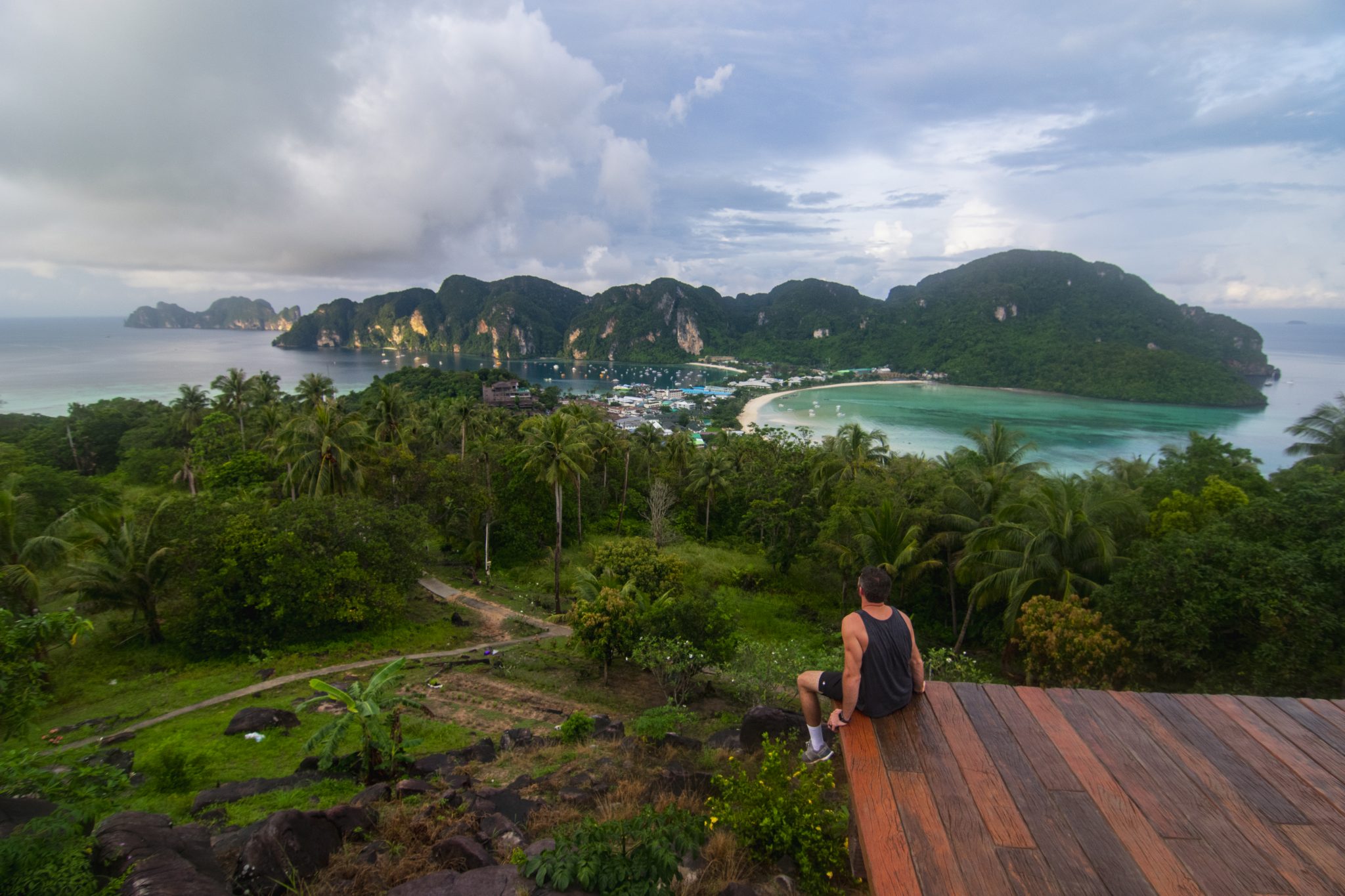
All four of these are open, reachable and simple to book in January — which is exactly the problem. They are what everyone else books, and quiet is not what they sell.
- Phi Phi: the most photogenic of the four and the least quiet. The famous bay runs on back-to-back day-trip boats with paid park entry, and Phi Phi Don’s beachfront is built for bars, not silence.
- Coral Island: a beach-chair and water-sports operation with constant half-day tour turnover. Fine for a child’s first snorkel; wrong for this brief.
- Similan Islands: world-class water inside a short open season, so January compresses every diver into the same big-boat days. Superb diving, zero solitude.
- Surin Islands: a long, boat-heavy culture-and-reef trip rather than a quiet-beach trip. Save it for a trip built around diving, not rest.
Frequently Asked Questions
What should I pack that most people forget?
Closed shoes with grip, because the Khao Ko Pu trail on Koh Jum runs through slick rubber plantation paths, and something to cover up with at dawn and dusk on Koh Muk for the sand flies.
Beyond that, plan around the tide table rather than the clock — several of the best beaches and the walk to Koh Nui only exist at low tide.
Can I do these islands without renting a motorbike?
On Koh Yao Noi, yes, provided you arrange your accommodation’s pier pickup in advance, since the island has no public transport at all.
On Koh Yao Yai, Koh Jum and Koh Lanta, a motorbike is the only format that makes sense, and it is what turns the island from a beach stop into a real island.
How much cash should I carry?
Enough for national park entries and lunch on any tour that excludes them — some operators collect fees separately, in cash, on the day.
Island facilities also sit between extremes, particularly on Koh Lanta where everything useful clusters in the middle of the coast, so do not assume an ATM is near your beach.
Is this a good first trip to Thailand?
Yes, if you want rest rather than a highlight reel, and Koh Lanta is the gentlest entry point thanks to its restaurants, roads and sheer choice of bases.
Sort by what you plan to do all day using the traveller-type table above, and the rest of the decisions fall into place quickly.
Book the room first, then let the resort book the boat
My move for January: settle on Koh Yao Noi for three nights, or split five nights between Koh Yao Noi and Koh Yao Yai if you want the change of scale, and reserve the room before you look at a single timetable.
Then let the resort arrange the boat and the pier pickup, because their crews hold seats that vanish from online inventory weeks earlier.
Nobody hands you an empty sandbank and a working fishing village in peak season unless you go looking for exactly this.
Pin the island that matched your traveller type, and get that room locked before the small beachfront places fill.
Leave a Reply