
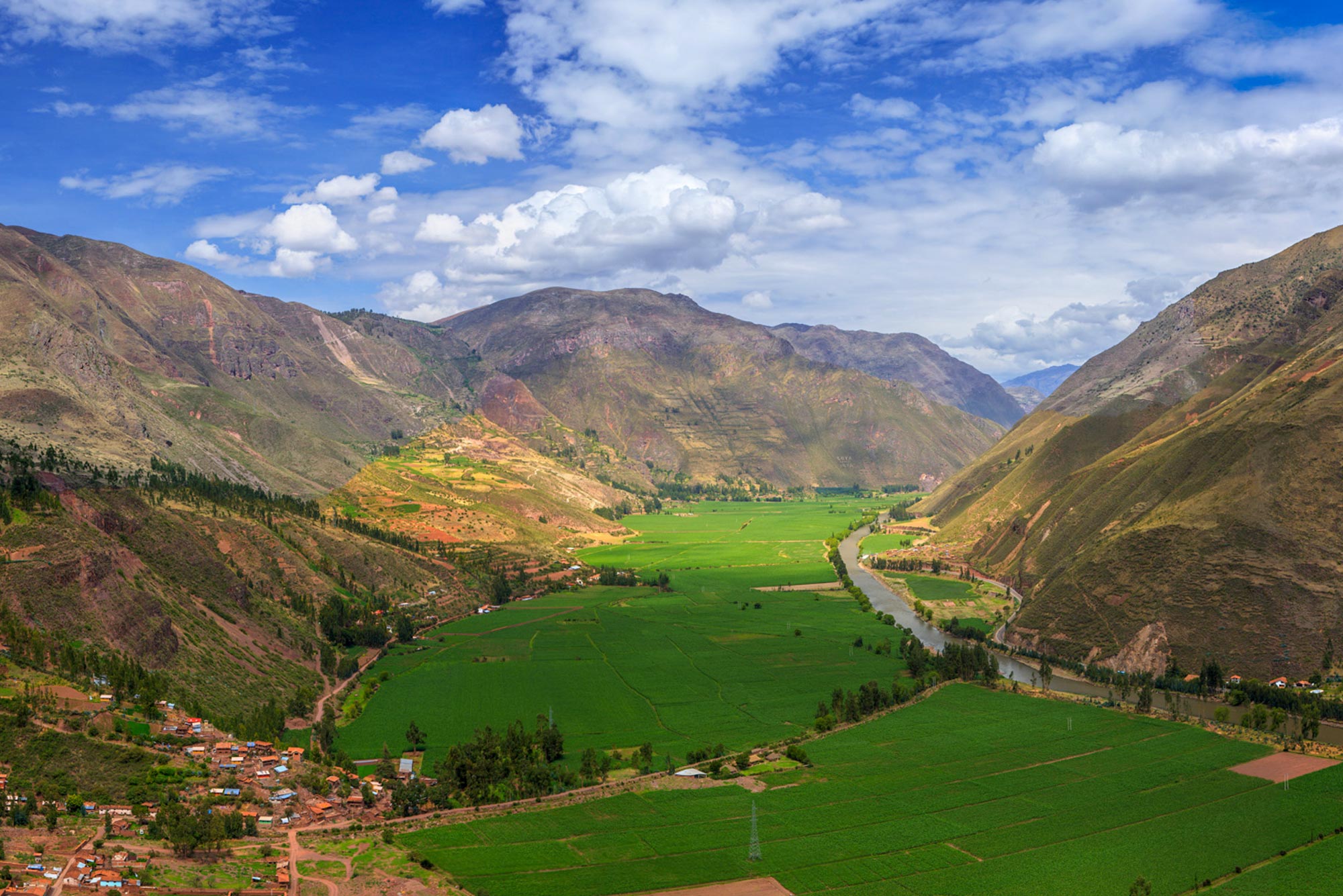
The wind cuts across open terraces where stone walls still channel water the way the Incas designed, and the only sound is your own breathing as you look down on the valley floor far below.
These lesser-known corners keep the real scale of Inca engineering without the tour buses that pack the main complexes, so you stand alone on a platform watching shadows move across fields that still feed local families today.
This guide helps you decide which sites match your fitness level, time, and interest in either ruins or quiet village life.
Expect $3–5 entry at community sites, $40–60 for a half-day local guide, and $80–150 per day for a private driver from Cusco.
Quick Picks for Sacred Valley Hidden Gems
Best ruins for views: Huchuy Qosqo gives the widest panoramas and most complete structures if you have a full day and solid fitness.
Best atmospheric stop: Ñaupa Church rewards photographers with dramatic light inside the cave shrine, though the short scramble keeps it quiet.
Best quick scenery: Taray Viewpoint delivers the classic valley panorama from the roadside before you reach Pisac.
Best village base: Yucay offers peaceful fields and a true local feel for couples wanting a slower overnight.
Best cultural stop: Huilloc and Patacancha provide direct weaving and farming demos when you book through the community office ahead.
Best transport choice: Private driver wins for two or more sites in one day, while local buses suit budget travelers heading to Lamay or Amaru.
Best season: May through October brings firm trails and clear skies for higher routes like Pumamarca or Huchuy Qosqo.
Best Archaeological Sites Among Sacred Valley Hidden Gems
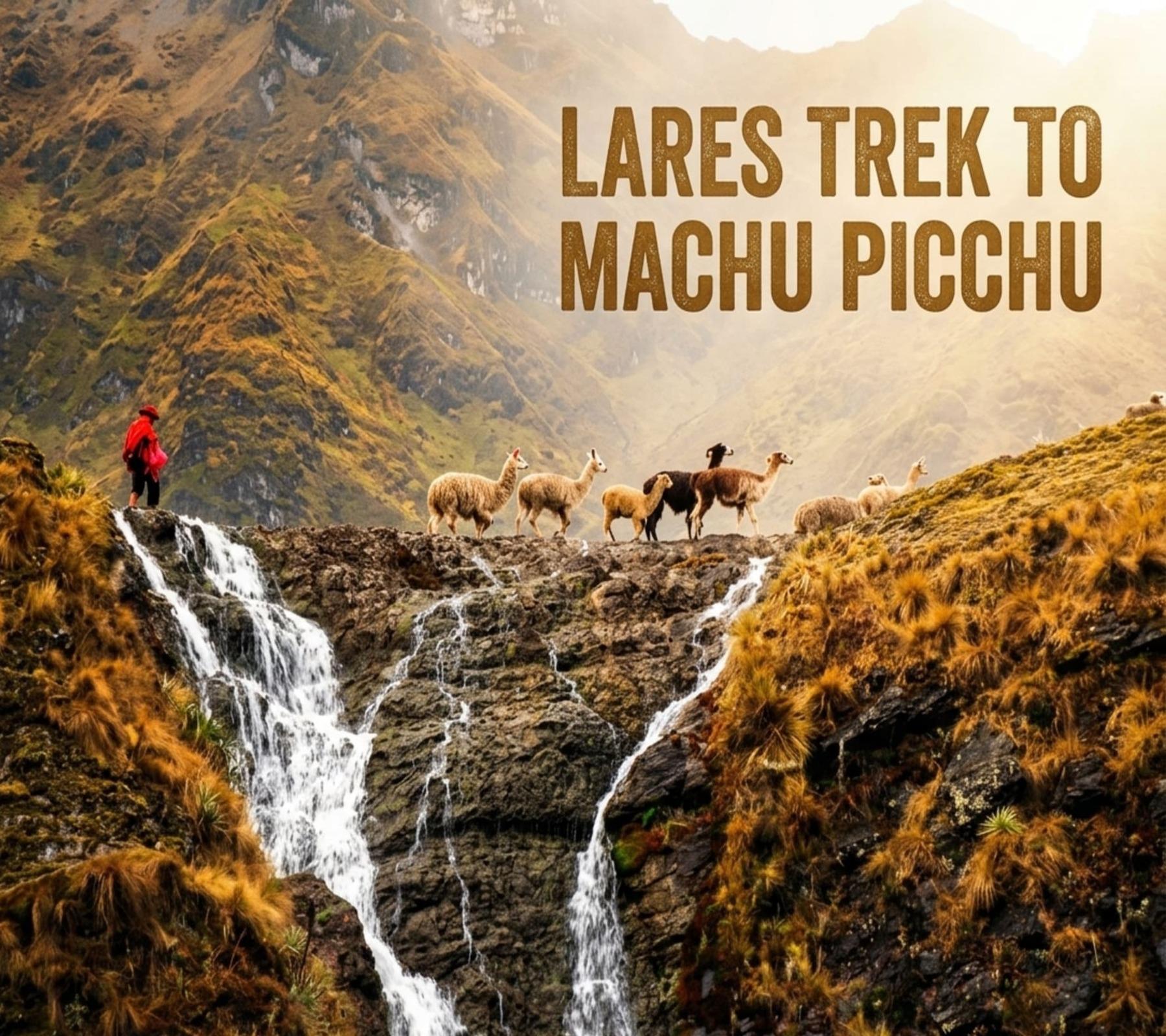
Stone platforms and carved niches set into sheer cliffs separate these four sites from the valley’s better-known complexes, giving travelers direct contact with Inca planning that still shapes daily routes today.
Pumamarca near Ollantaytambo
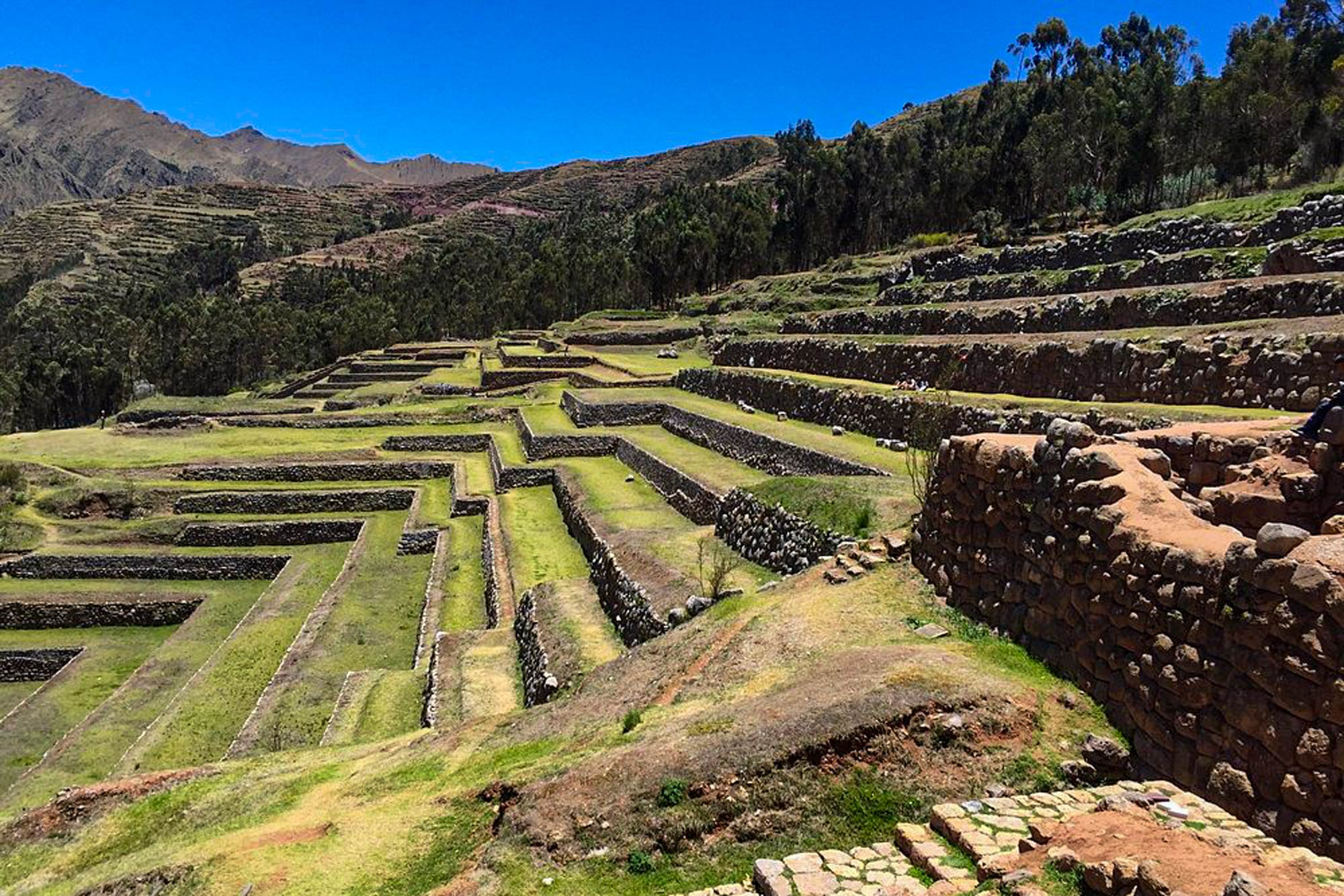
Pumamarca suits hikers who want to see how the Incas controlled valley access from above; skip it if you prefer flat ground or have limited time, because the steep final climb is the price of the overlook. The site wins for anyone tracing supply lines—the terraces and storehouses sit directly above the old trail that once linked Ollantaytambo to the Patacancha drainage.
Arrive by mid-morning to avoid the only daily local bus that drops workers at the lower trailhead. I recommend combining the visit with a packed lunch on the upper platform so you can watch cloud shadows move across the valley floor without rushing the descent.
Ñaupa Church near Ollantaytambo
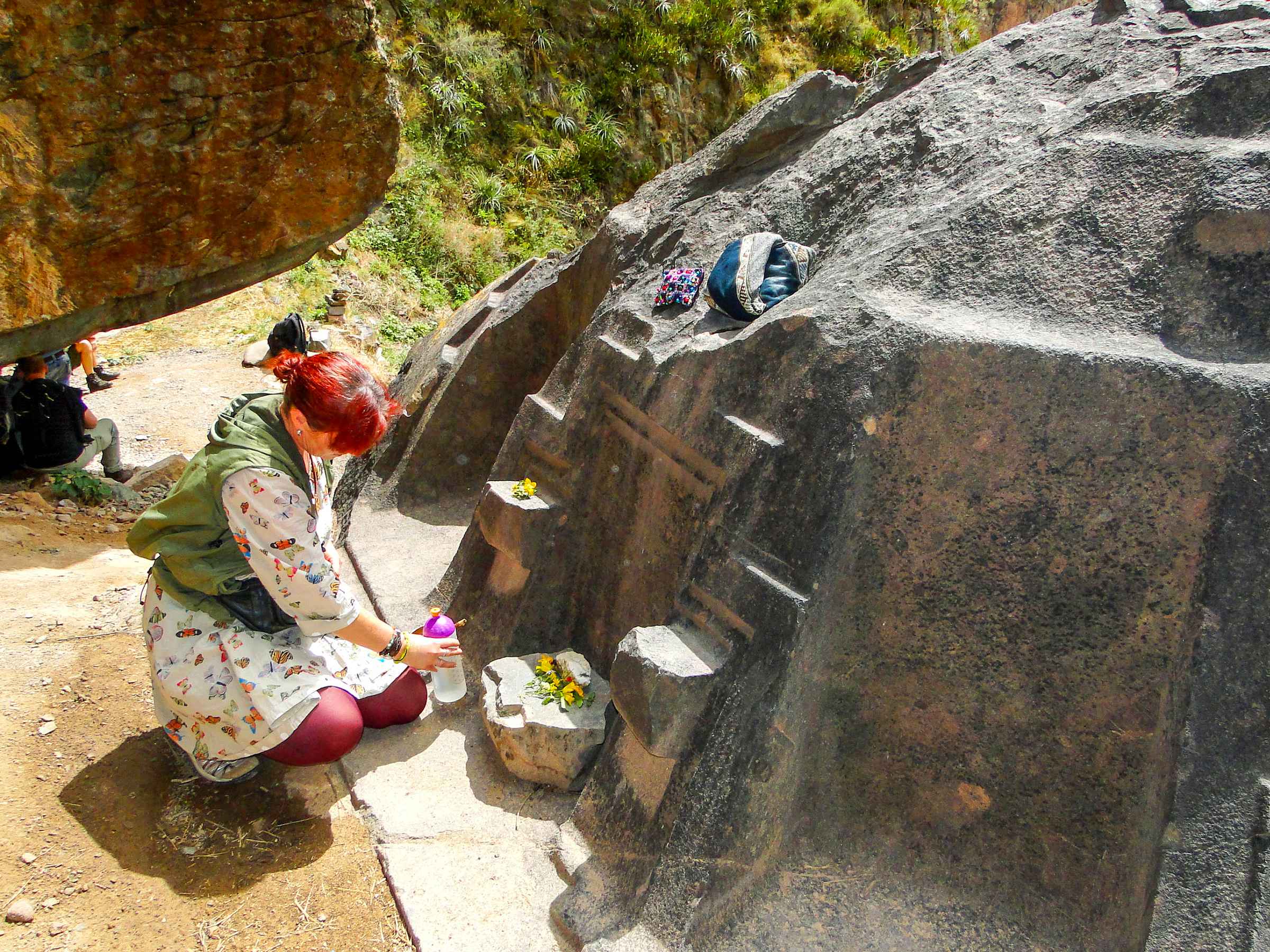
Ñaupa Church rewards visitors who value ritual atmosphere over scale; anyone needing wheelchair access or flat paths should pass, since the cave entrance sits above a short but exposed scramble. The carved stone altar inside the rock overhang still shows soot from centuries of offerings, a detail that makes the huaca feel actively used rather than staged.
Walk the final ten minutes from the roadside pull-off instead of driving the last stretch—local drivers use the narrow track for farm traffic and prefer hikers keep it clear. This is the stop I suggest for photographers chasing dramatic light, because the cliff walls funnel golden hour directly onto the niche.
Ancasmarca near Calca
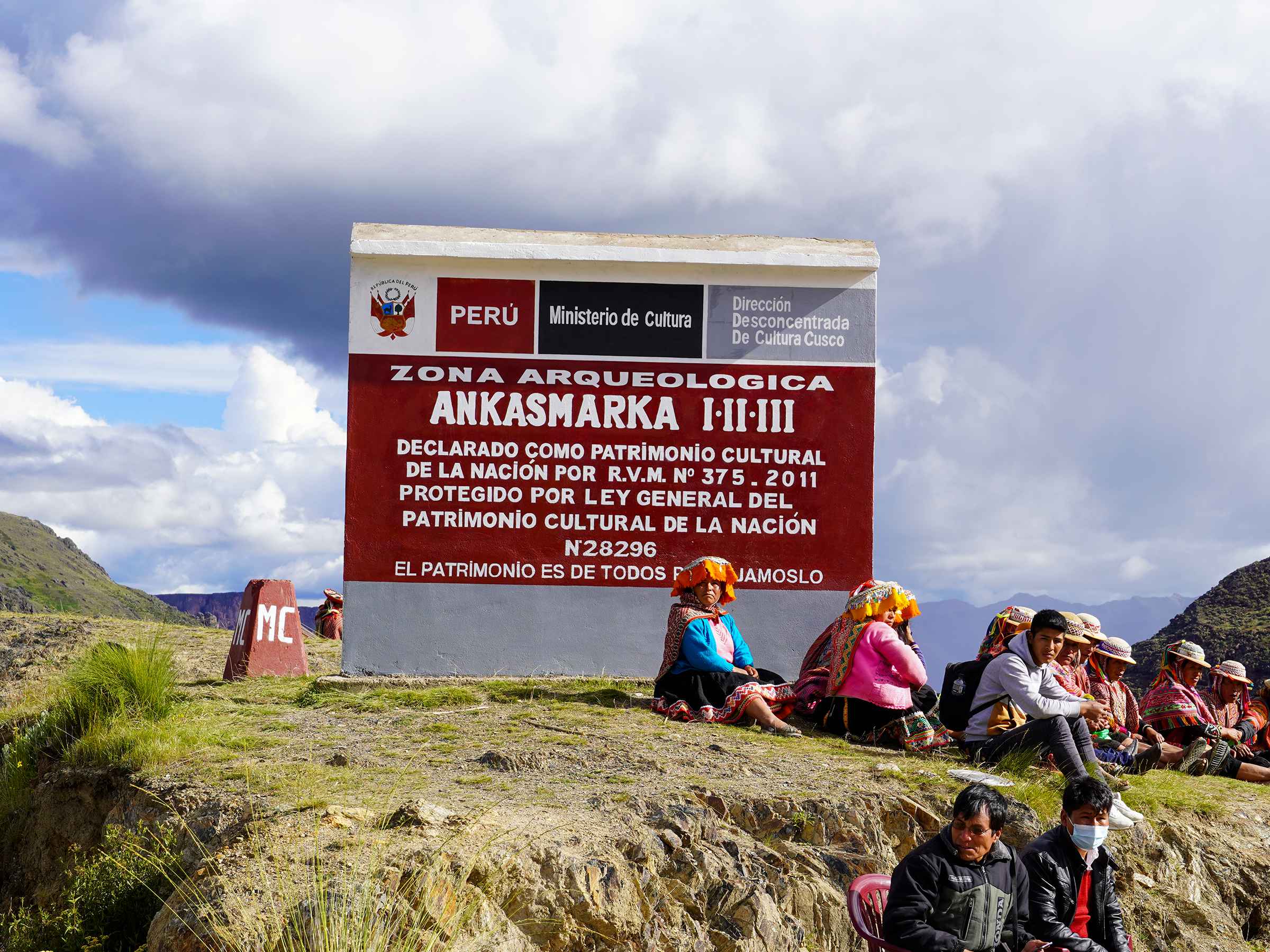
Ancasmarca fits travelers already driving the Calca–Urubamba road who want a quick terrace walk without a full hike; skip it if your schedule is tight, because the site adds little new insight once you have seen Pumamarca. Its compact set of walls and farming terraces sits on a low ridge that still serves as a local shortcut between fields.
Expect roughly $3–5 entry if the community collector is present, though the amount varies by season and provider. Stop here only after you have secured transport onward to Lamay, since the return buses thin out after mid-afternoon.
Huchuy Qosqo above Lamay
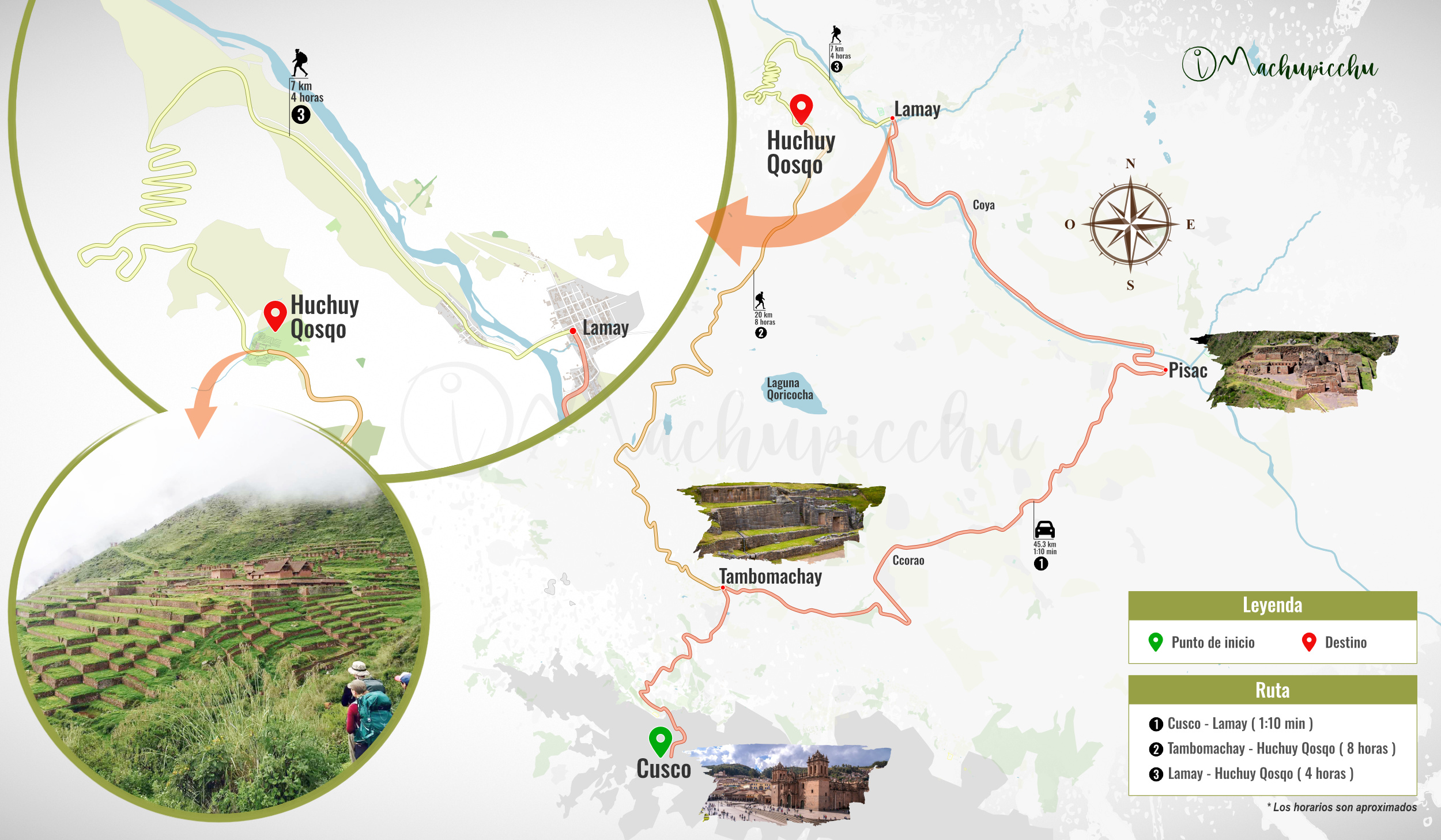
Huchuy Qosqo delivers the strongest payoff for fit hikers seeking panoramic valley views plus ruins in one outing; anyone still adjusting to altitude or traveling with young children should choose a lower site instead. The 4-to-6-hour round-trip from Lamay village crosses open puna before dropping onto the citadel’s miniature plazas and aqueducts.
A local guide from the Lamay community office cuts navigation risk on the unmarked upper sections and supports the village directly—book the morning departure so you finish before afternoon clouds build. I recommend this as the single archaeological priority if your time in the valley is limited to two days.
- Pumamarca offers the clearest view of Inca logistics with moderate effort.
- Ñaupa Church provides the most atmospheric single stop but requires the shortest yet steepest access.
- Ancasmarca works as a low-commitment add-on only when passing through Calca.
- Huchuy Qosqo rewards the longest hike with the widest views and most complete structures.
Most Scenic Natural Spots and Viewpoints
The curve just before Pisac delivers the valley’s strongest single payoff: a sweeping overlook of patchwork terraces along the Vilcanota River framed by the snow peaks of Sawasiray and Chicon.
Arín Falls near Calca
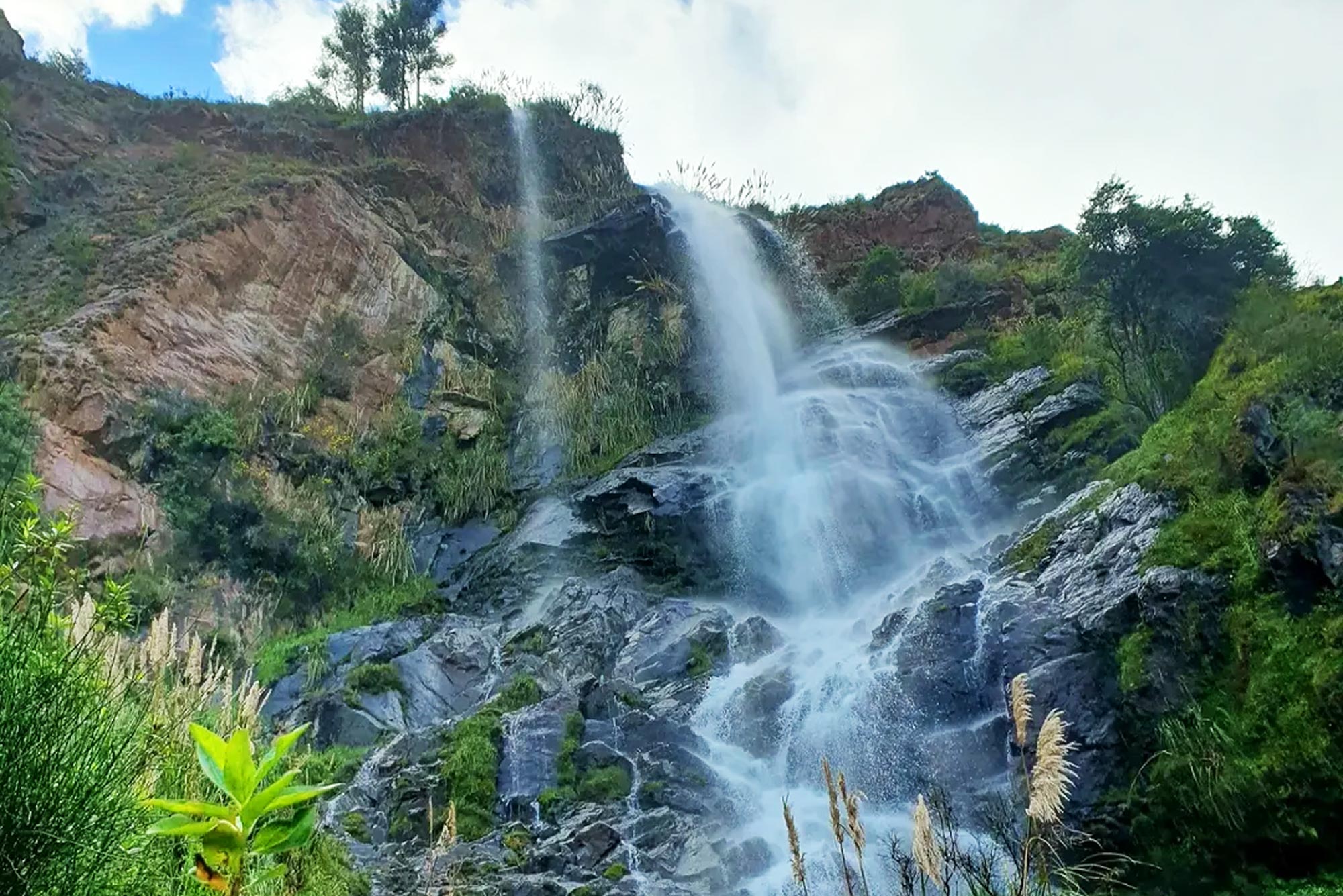
Arín Falls works best for travelers who want a short, green-side reward after time in Calca or Lamay. Skip it in the dry season when flow drops to a trickle; visit instead from November through April when recent rain turns the cascade into a reliable photo stop without any long hike required.
The single practical action that improves the visit is to arrive before 10 a.m. so the light hits the water and you avoid midday tour vans.
Taray Viewpoint near Pisac
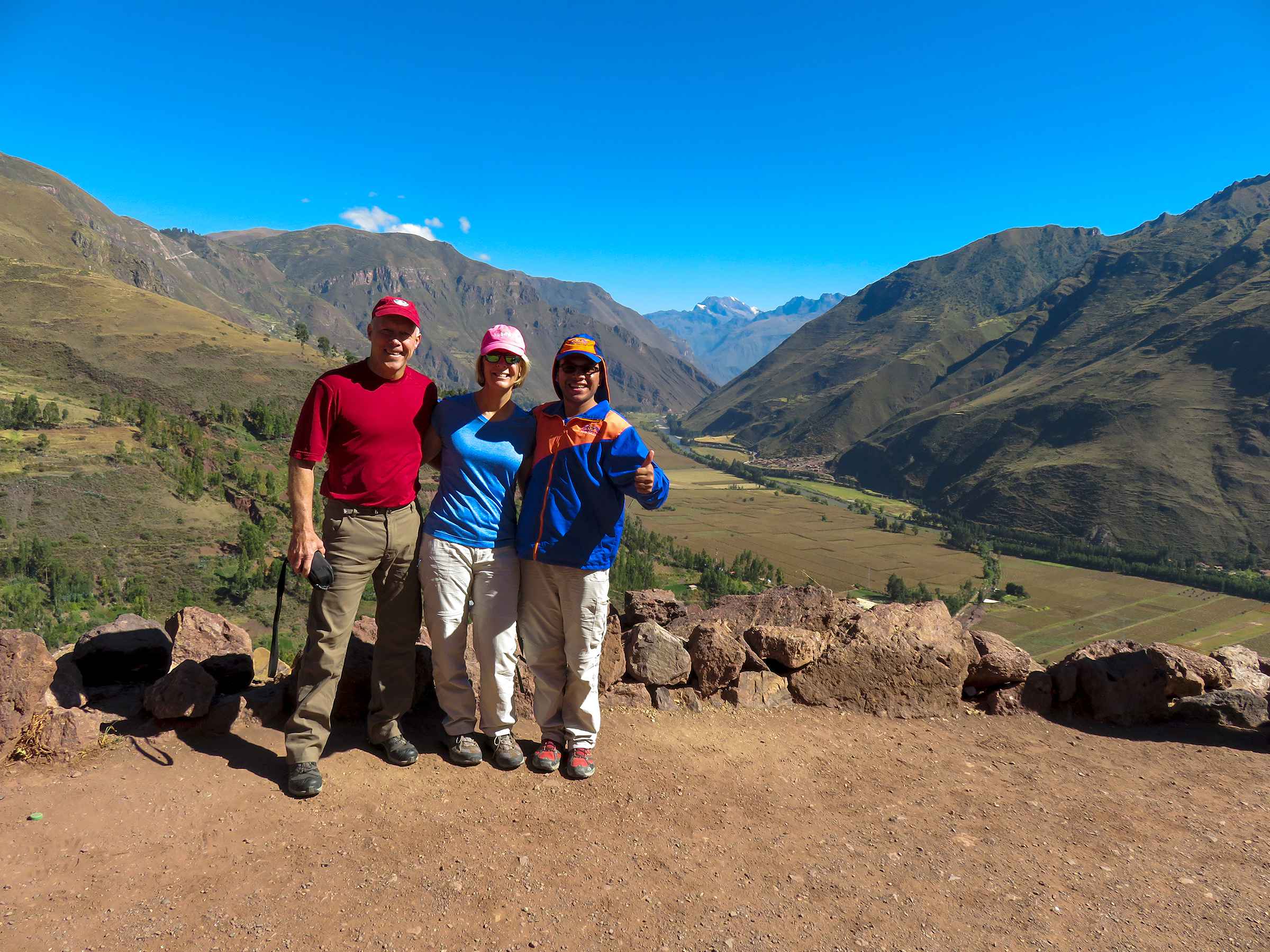
Taray Viewpoint beats every other roadside stop for first-time visitors who want the classic Sacred Valley panorama without leaving the main road. Pull off at the obvious curve before entering Pisac; the terraces, river, and distant snow peaks line up in one frame.
It is the clear choice over lower viewpoints because the elevation gives depth to the fields and keeps the composition uncluttered. Park on the wide shoulder, spend ten minutes at the rail, then continue downhill into Pisac for lunch.
This stop wins for anyone prioritizing quick scenery over a full hike.
Off-the-Beaten-Path Villages for Authentic Experiences
Yucay sits at 2,857 meters with open fields around its church where locals play soccer daily, giving travelers a direct window into Andean routines that commercialized towns have lost.
Yucay
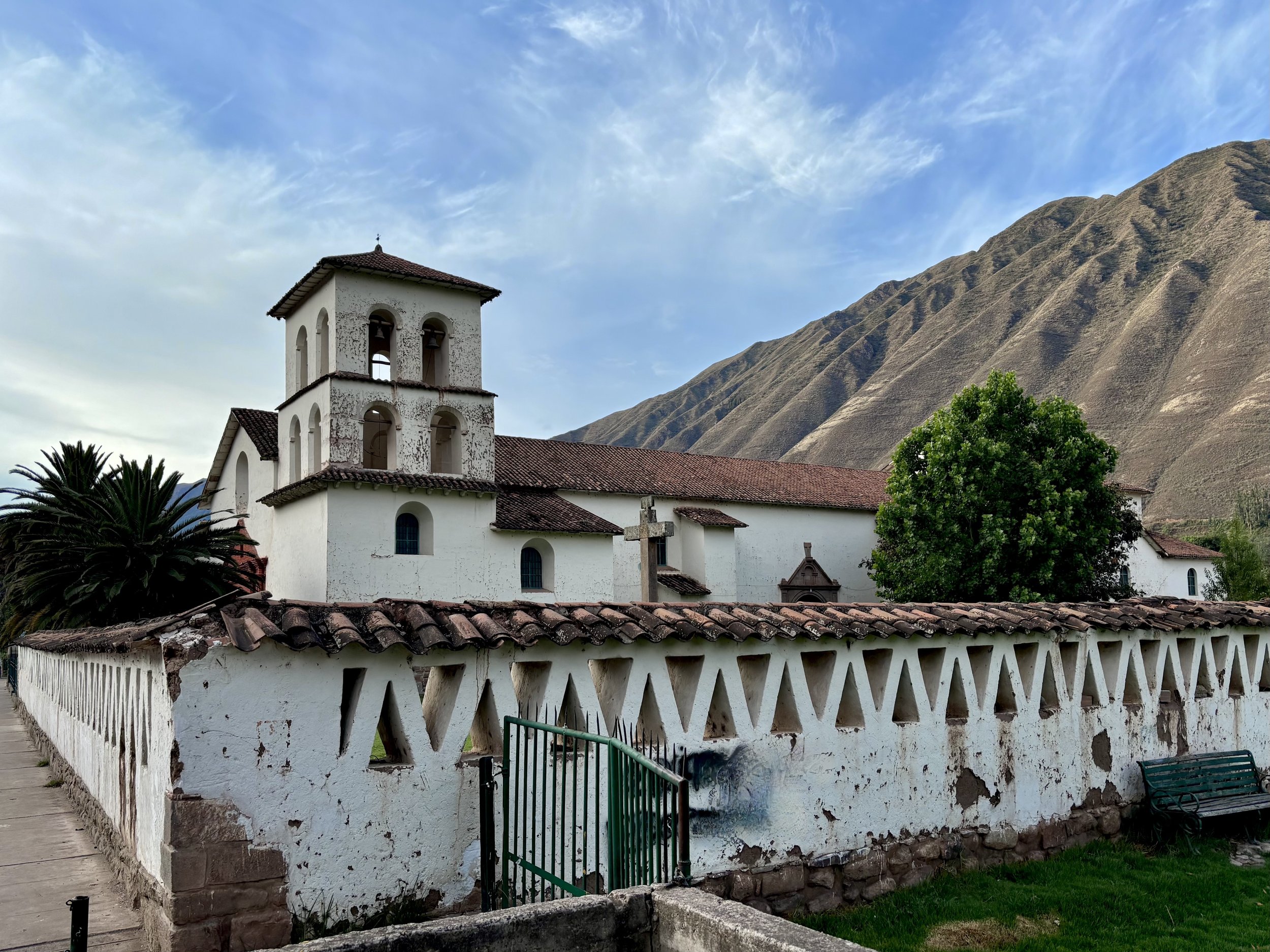
Yucay works best for couples or solo travelers who want a quiet overnight base before or after hikes. Skip it if your schedule is packed with multiple sites in one day—the village rewards slow mornings rather than rushed stops.
Its main draw is the peaceful layout that still feels like a true Inca royal retreat rather than a tourist stop.
Book a simple guesthouse room facing the fields instead of anything closer to the main road for quieter nights. Arrive before 10 a.m. to watch community games without feeling like an outsider.
Urquillos
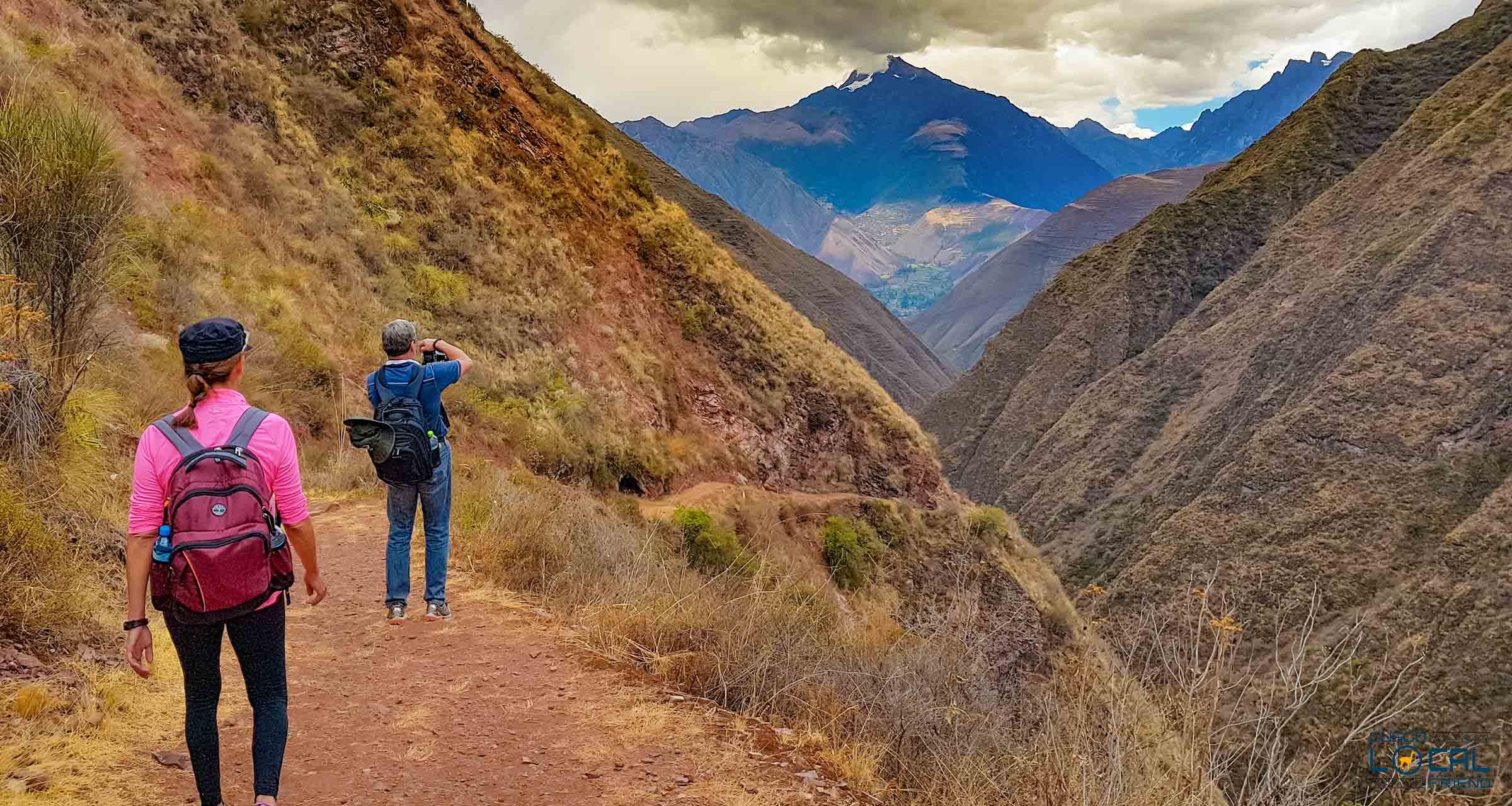
Urquillos suits hikers who need an easy acclimatization walk with real Inca remains but without the permit lines at bigger sites. Skip it if you prefer paved paths or guided group tours—the village stays deliberately low-key.
The riverside location and original trail sections make it the clearest choice for a half-day outing that still feels remote.
Start the Urquillos Hike from the Chinchero side early to catch the waterfalls before afternoon clouds build. Pack light layers only; the route stays moderate and does not require technical gear.
Huilloc and Patacancha

Huilloc and Patacancha deliver the strongest community-run weaving and farming demonstrations for anyone who wants direct interaction with local families. Skip them if you only have time for viewpoints or ruins—these stops center on daily life rather than photo backdrops.
They win for travelers who value ethical, small-scale experiences over convenience.
Arrange visits through the community tourism office the day before rather than showing up unannounced. Focus on one workshop instead of trying to see everything in a single stop.
Chinchero
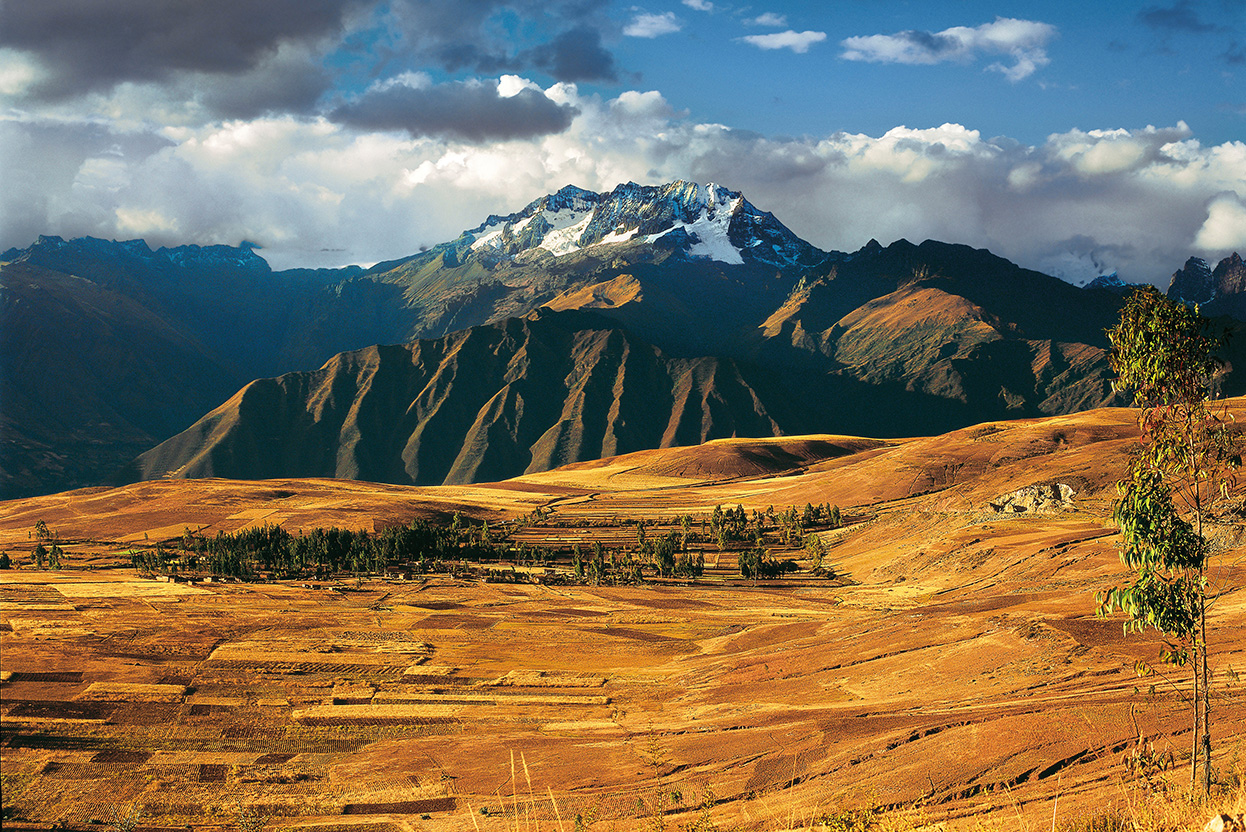
Chinchero fits travelers who want market energy and Inca terraces without the scale of Pisac. Skip it on Sundays when tour buses dominate the plaza.
The combination of living terraces and smaller crowds makes it the practical pick for a half-day cultural stop on the way to higher trails.
Visit the market stalls before noon for fresher produce and fewer vendors competing for attention. Use the village as a trailhead for the Urquillos route when you want to combine culture with light hiking.
Lamay
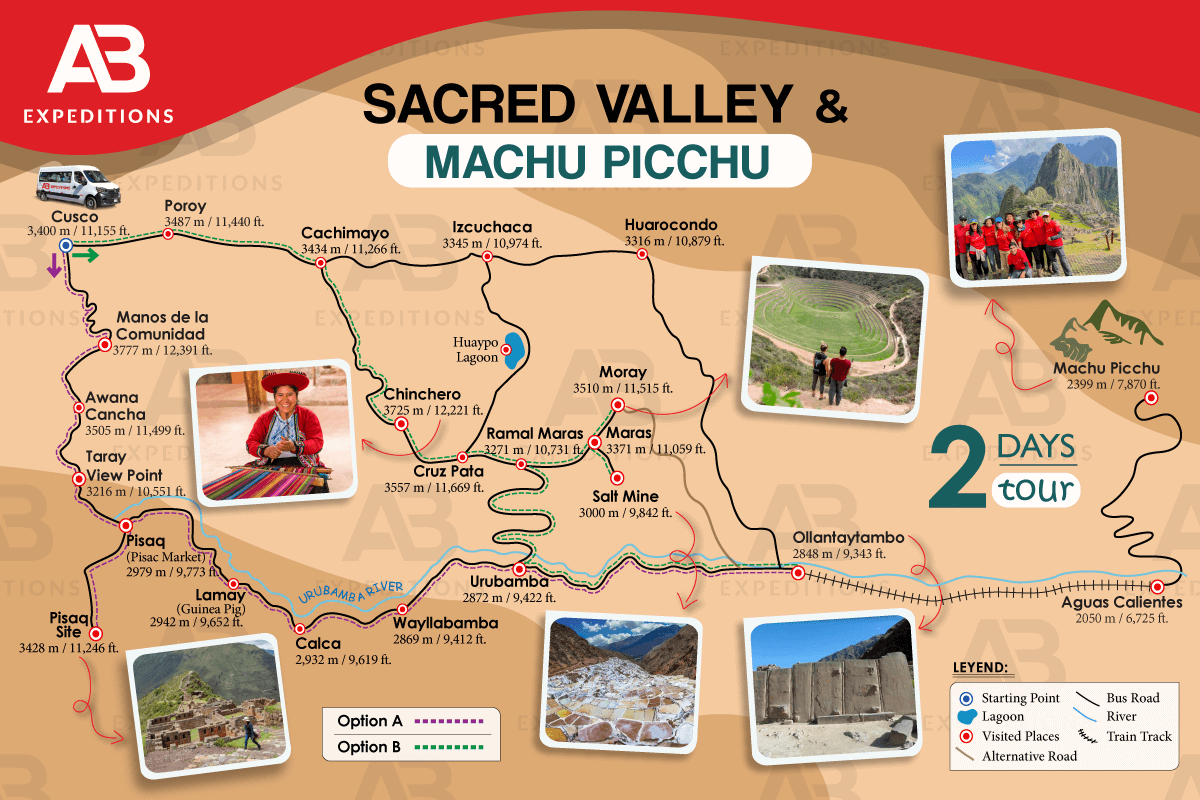
Lamay serves families or small groups looking for genuine llama-herding communities and sustainable stays run by locals. Skip it if you need quick highway access or luxury amenities—the village keeps things simple by design.
Its name and daily rhythms around the animals give it the clearest edge for anyone seeking non-commercial Andean life.
Choose a community homestay organized directly through the village rather than outside operators. Plan the Cusco-Pisac-Lamay hike route from here when you want shorter daily distances during acclimatization.
Amaru
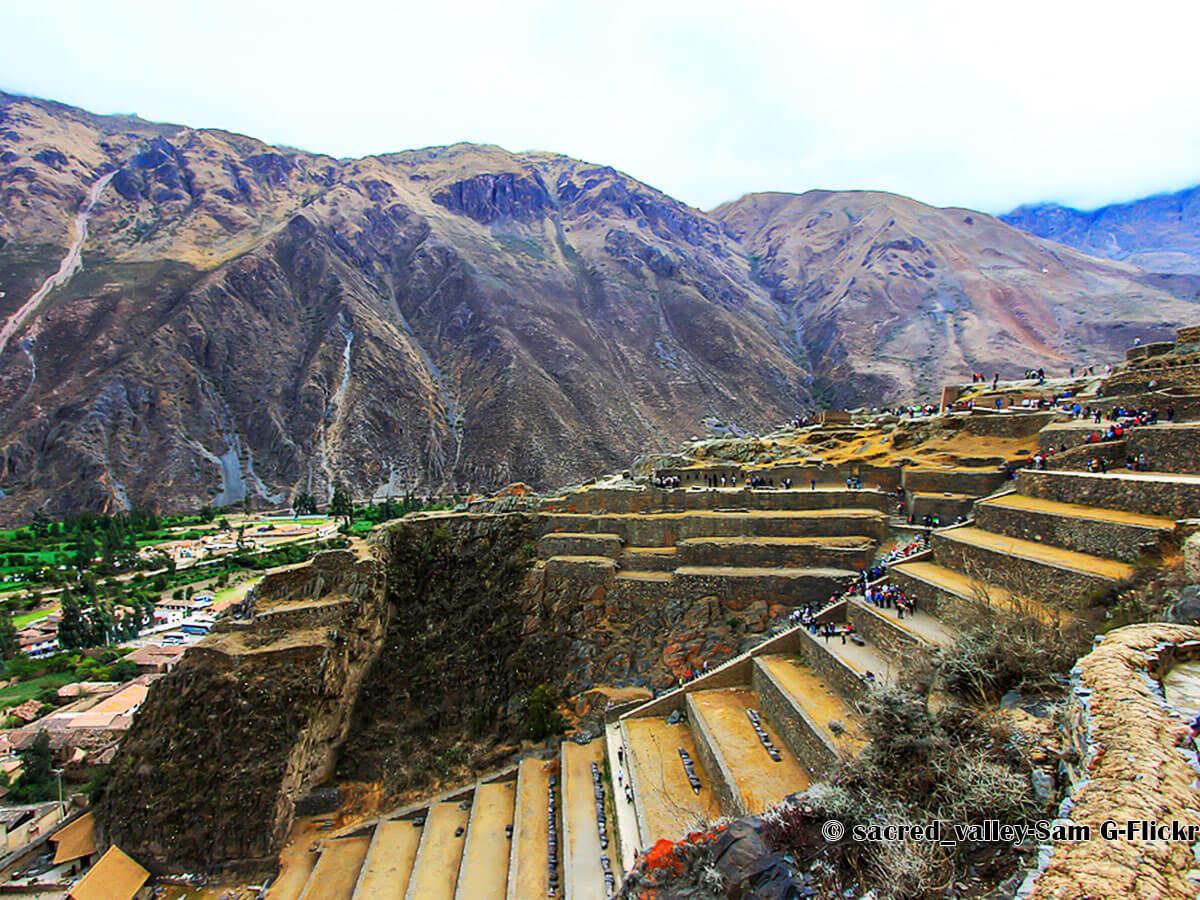
Amaru works for travelers who already have a local guide and want to extend time in quieter farming hamlets near Pisac. Skip it if you are driving independently without contacts—the access roads stay narrow and poorly signed.
It earns its place for those prioritizing low visitor numbers over easy logistics.
Combine Amaru with a stop at Parque de la Papa on the same day to keep driving minimal. Confirm road conditions with your driver before committing to the detour.
Parque de la Papa near Pisac
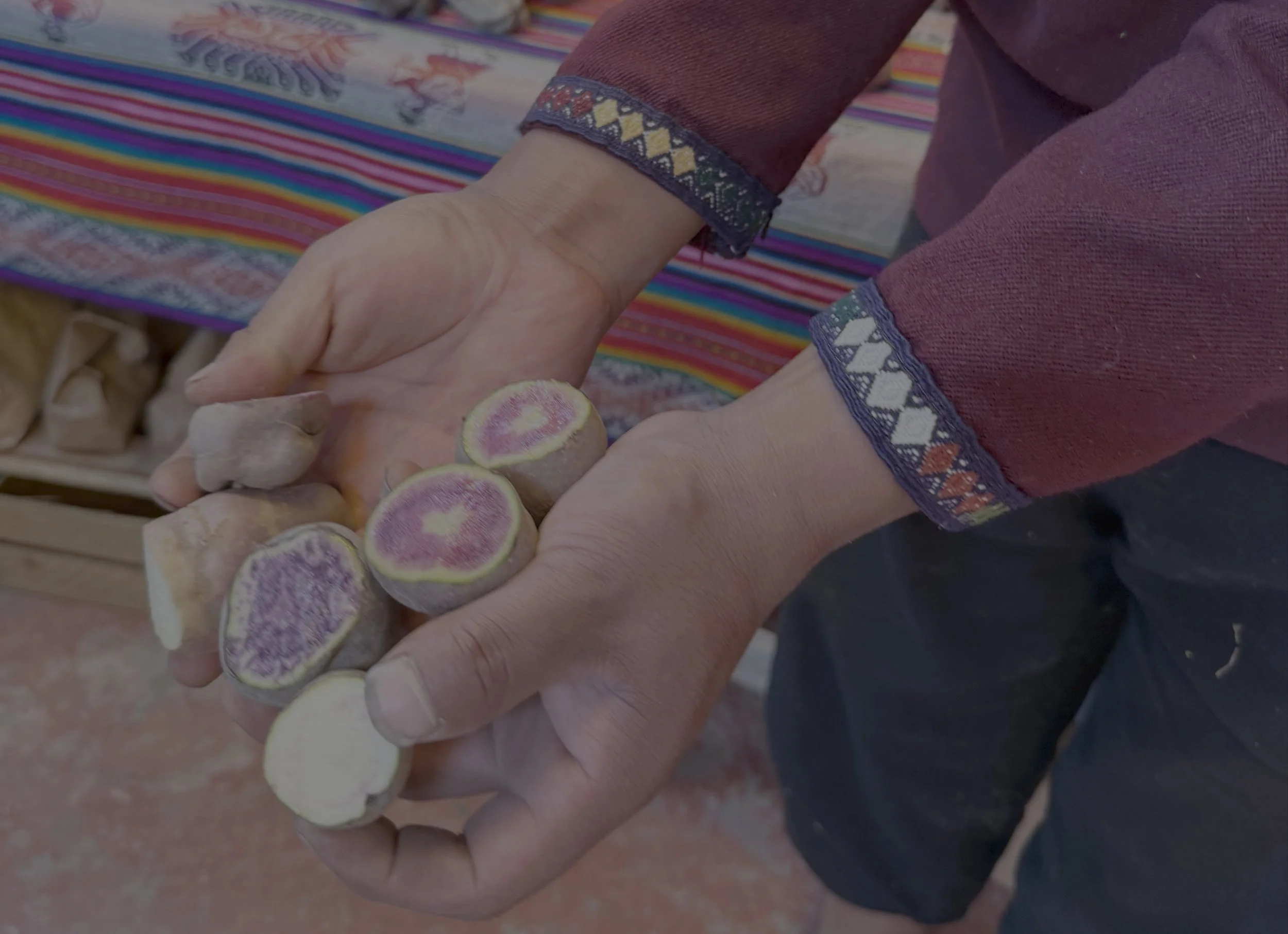
Parque de la Papa near Pisac is the right choice for food-focused travelers who want to see traditional Andean potato varieties in their original setting. Skip it if your interest stays strictly on ruins or viewpoints—the park centers on living agriculture.
It stands out for anyone planning meals around local ingredients rather than standard tourist menus.
Time your visit for late morning when farmers are most likely to explain current harvests. Buy only what you can carry or eat that day to support the community directly.
- Yucay offers the easiest access and quietest overnight option for couples.
- Urquillos and Lamay win for hikers who want moderate trails tied to real communities.
- Huilloc, Patacancha, and Amaru suit those who already travel with a guide and prioritize direct local interaction over convenience.
- Chinchero and Parque de la Papa deliver the strongest daytime cultural stops without requiring full-day commitments.
How to Reach Sacred Valley Hidden Gems from Cusco?
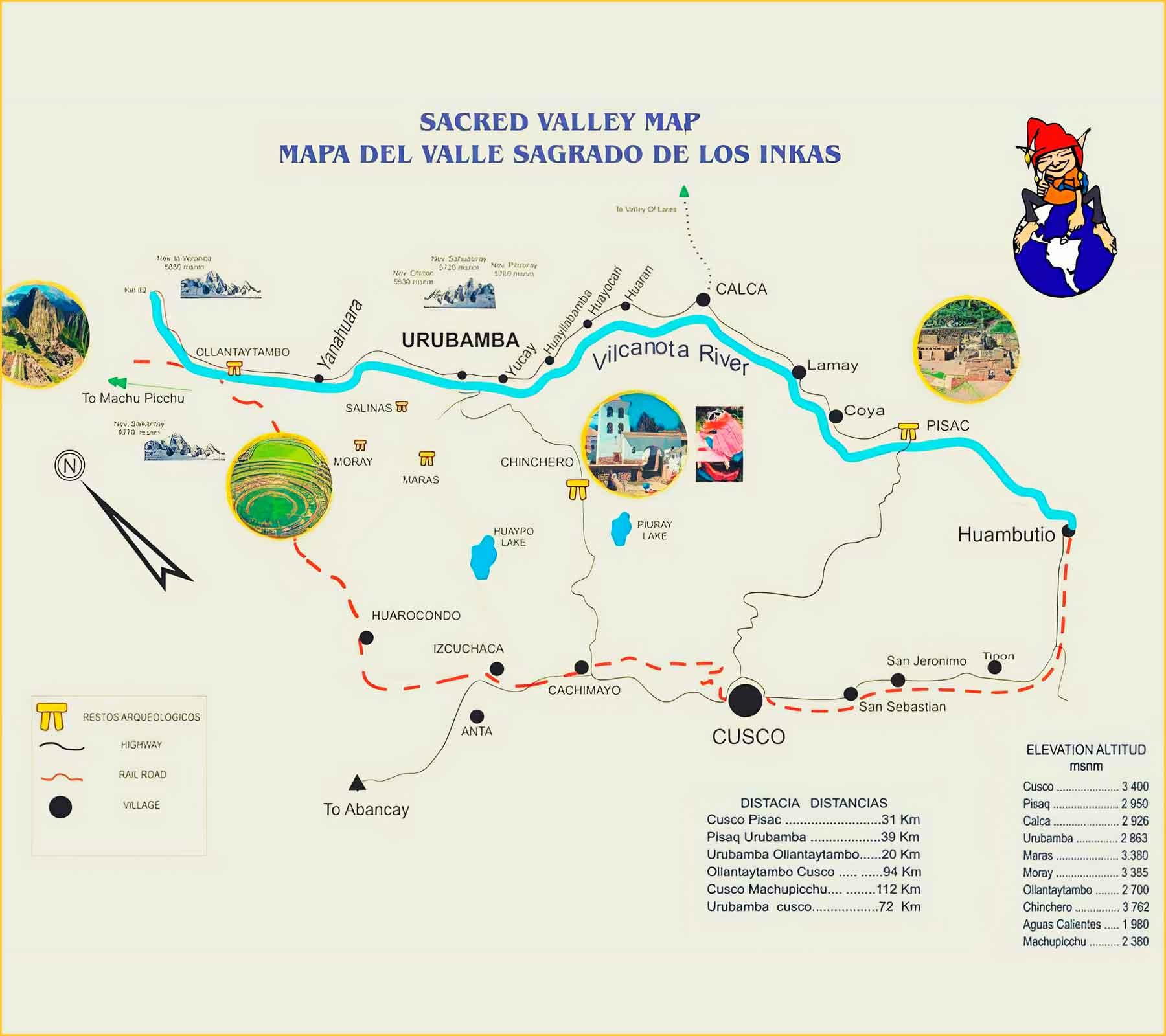
The fastest route from Cusco to the eastern cluster of hidden gems runs along the Pisac highway and reaches Taray Viewpoint in under an hour, letting you skip the main tourist stops entirely.
Private drivers or small-group tours booked the day before in Cusco give the clearest advantage here. They drop you directly at trailheads for Ancasmarca or Huchuy Qosqo and wait at lower villages like Lamay, saving the two-hour waits that come with coordinating local buses between sites.
Skip public transport if your time is limited; the colectivos that leave Cusco’s Avenida La Cultura only run reliably until mid-morning and force extra transfers at Calca.
For the western side near Ollantaytambo, the Chinchero road works better. It climbs first through the high plains then drops into the valley, placing you within 30 minutes of Huilloc or Patacancha once you pass the Chinchero turnoff.
This route also works well if you plan to combine a morning at Parque de la Papa with an afternoon visit to Pumamarca.
Rent a car only if you are comfortable with narrow mountain roads and have already acclimated; otherwise a private driver remains the safer choice for reaching multiple remote points in one day without backtracking.
– Private driver from Cusco: Best for anyone visiting two or more sites in a single day; main reason it wins is direct drop-offs at trailheads with flexible timing.
– Local bus to Calca then onward colectivo: Best for budget travelers staying near Lamay or Amaru; skip it if you carry heavy daypacks or need to reach Pumamarca before afternoon clouds build.
– Tour operator pickup in Cusco: Best for first-time visitors who want one arranged stop at Yucay en route; it loses to private drivers when you want to linger at viewpoints like Taray without a fixed schedule.
Is the Dry Season the Best Time to Visit Sacred Valley Hidden Gems?

The dry season from May through October turns the Sacred Valley’s lesser-known trails into firm, dust-free paths that let you move quickly between remote sites without slogging through mud or waiting out sudden downpours.
This window wins for anyone whose priority is reliable access and unobstructed views of the surrounding peaks. Clear skies dominate, and the high-altitude terrain stays stable enough for longer walks to places such as hillside terraces above the main towns.
Skip the dry season only if your main goal is photographing swollen waterfalls or lush green slopes; those conditions arrive with the rains.
The rainy months of November to April bring fuller streams and brighter vegetation, yet they also leave many side trails slick and slow. Early morning or late afternoon departures still reduce crowds year-round, but only the dry season guarantees you can finish a full circuit without weather cutting the day short.
Who Should Visit in the Dry Season
Travelers planning multi-site days or higher-elevation walks benefit most. The stable weather removes the need to carry extra rain layers or reroute around flooded sections, so you can focus on the sites themselves rather than logistics.
Who Can Skip It
Photographers chasing dramatic water flow or families with very young children who prefer shorter, greener outings may accept the mud and shorter daylight of the shoulder months instead.
Altitude acclimatization remains essential regardless of season; many of the quieter villages sit above 3,500 meters, so build at least two nights in the valley before attempting longer routes. A practical first step is to base in one of the lower towns for a day of gentle walking before heading higher.
I recommend locking in your dates between May and September whenever possible. The combination of firm trails and predictable weather simply removes the most common reasons visitors cut their exploration short.
What Gear and Essentials Do You Need for Exploring Hidden Gems?
Which layers handle rapid altitude shifts on trails above 3,500 meters?
Merino wool base layers paired with a lightweight wind shell win for day hikes to sites like Huchuy Qosqo or Ancasmarca. These pieces regulate temperature when sun gives way to sudden Andean wind without adding bulk that slows steep climbs.
Skip heavy fleece unless you plan evening returns—most trails warm quickly once you start moving.
Do standard hiking boots suffice or do you need extra grip for mud and stone?
Trail-running shoes with aggressive lugs outperform bulky boots on the rocky Inca paths near Pumamarca and the canal-side routes out of Yucay. They dry faster after brief showers and reduce ankle fatigue on the 3- to 6-hour options.
Bring gaiters only if rain is forecast; otherwise they add unnecessary weight.
What small items actually matter once you leave the main roads?
Electrolyte tablets, a compact first-aid kit with blister treatment, and a reusable bottle you can refill at village taps cover the essentials without overpacking. I recommend adding a small tube of high-SPF lip balm and a wide-brim hat—the UV at these elevations is stronger than most travelers expect.
Leave the trekking poles behind unless tackling the full Calca-Saqllo route; they become awkward on narrow terraces.
Which Hidden Gems Require a Local Guide?
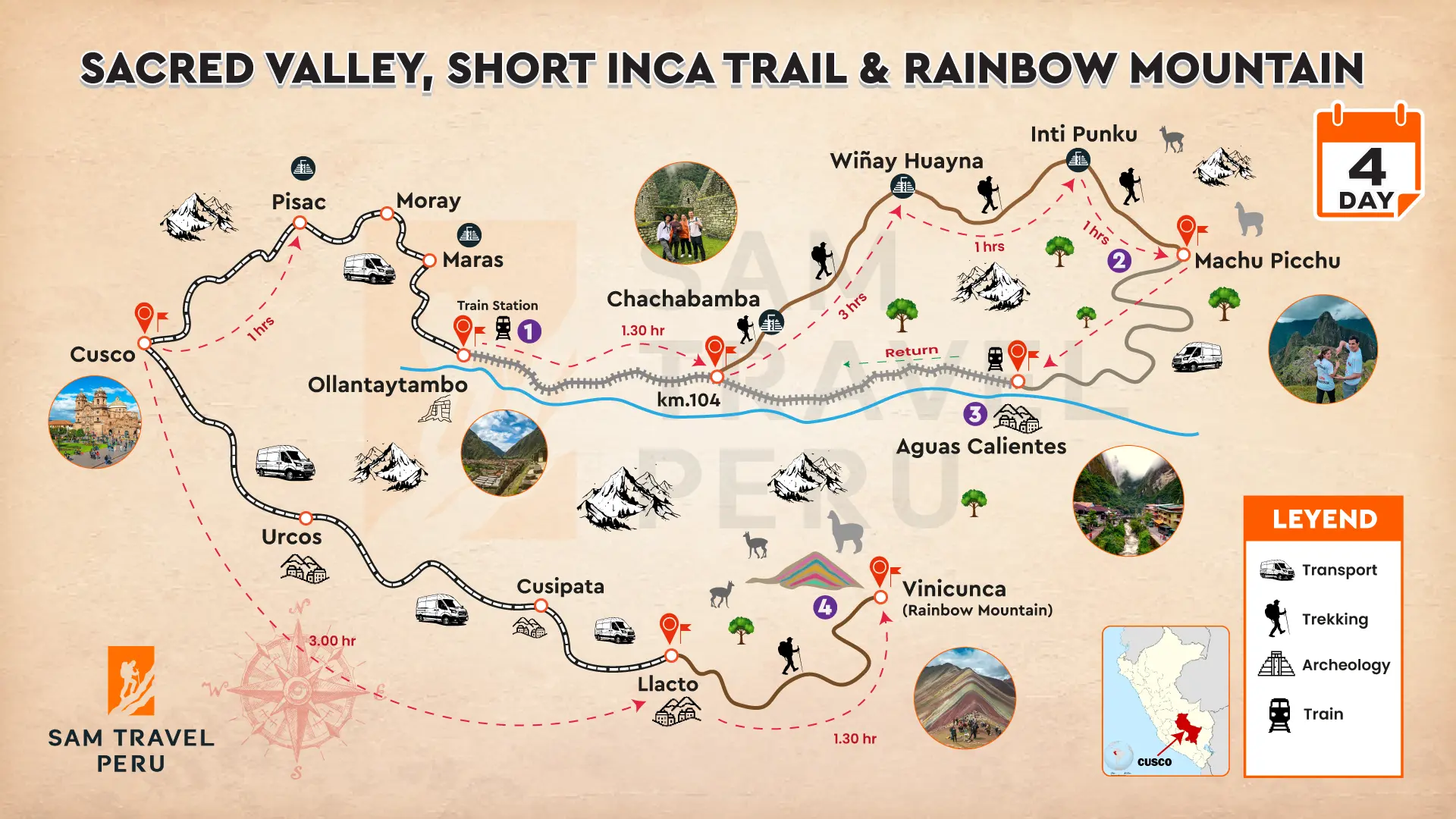
Remote highland trails above 3,500 meters turn navigation into the deciding factor for safety and enjoyment, especially when unmarked Inca paths cross private terraces or shift after rain.
Huchuy Qosqo above Lamay
Huchuy Qosqo is the clear case where a local guide changes the outcome. The site sits on a high plateau reached only by steep, unsigned trails that fork repeatedly through eucalyptus groves and open puna.
First-time visitors gain the most from a guide who knows the current condition of the Cusco-Pisac-Lamay route and can point out the exact turn that avoids the longer Saqsayhuaman detour. Experienced hikers with offline maps and solid altitude acclimatization can skip the expense and go independently.
Remote sections of Ancasmarca near Calca
Ancasmarca’s upper terraces and irrigation channels sit on a steep, exposed slope with no signage or maintained path. A guide is essential for anyone who has not hiked the Calca-Saqllo approach before; the single practical action is to arrange the guide the evening prior through the Calca municipal tourism office rather than hoping to find one at the trailhead.
Skip the guided version only if you are traveling with a group that already carries a detailed topographic map and has confirmed the route with locals the same morning.
- Huchuy Qosqo wins for first-timers who value both safety and context; independent hikers lose time and risk missing the best viewpoints.
- Ancasmarca requires a guide mainly for route-finding; the payoff is lower if you already know the Calca area well.
- Both sites stay free to enter, but guide fees typically run in the $40–60 range for a half-day and vary by group size and season.
I recommend booking the guide directly through a Cusco-based operator that also handles the return transport, because the same vehicle can drop you at Lamay or Calca and eliminate the need to negotiate separate taxis on the way back.
Frequently Asked Questions
When is the best time to visit Sacred Valley hidden gems?
The dry season from May to October delivers the clearest skies and driest trails, making it the practical choice for reaching higher sites such as Pumamarca or viewpoints above Lamay. Most travelers should book transport and any required permits in this window to avoid weather-related delays.
The rainy season from November to April can still work if your priority is fuller waterfalls and greener landscapes, but expect mud and occasional trail restrictions. Skip this period if you need reliable road access or are traveling with children.
How do I reach the Sacred Valley hidden gems from Cusco?
Local buses run regularly from Cusco to main valley towns such as Calca and Ollantaytambo, after which short taxi or combi rides connect to villages like Yucay and Lamay. This option suits independent travelers on a budget who are comfortable navigating Spanish-language schedules.
Private transfers or day tours arranged through operators in Cusco or Urubamba provide door-to-door service and are the better choice for groups or anyone short on time. Book at least two days ahead during peak months to secure reliable drivers familiar with the smaller roads.
Do I need to prepare for altitude at these sites?
Many hidden gems sit above 3,500 meters, so spend at least two nights in the Sacred Valley before attempting longer walks such as the Huchuy Qosqo day hike. This acclimatization step prevents headaches and fatigue that can cut trips short.
Carry water, coca leaves or acetazolamide if recommended by your doctor, and plan shorter outings on arrival day. Skip strenuous trails on the first full day if you feel any dizziness.
Final Thoughts on Sacred Valley hidden gems
Book a private driver the day before in Cusco so you can reach Huchuy Qosqo or Pumamarca without waiting on buses or worrying about afternoon clouds.
These quieter corners let you experience the valley’s real rhythm instead of fighting crowds at the big complexes.
Start with Taray Viewpoint on your first morning to get the lay of the land before choosing your next stop.
Leave a Reply