
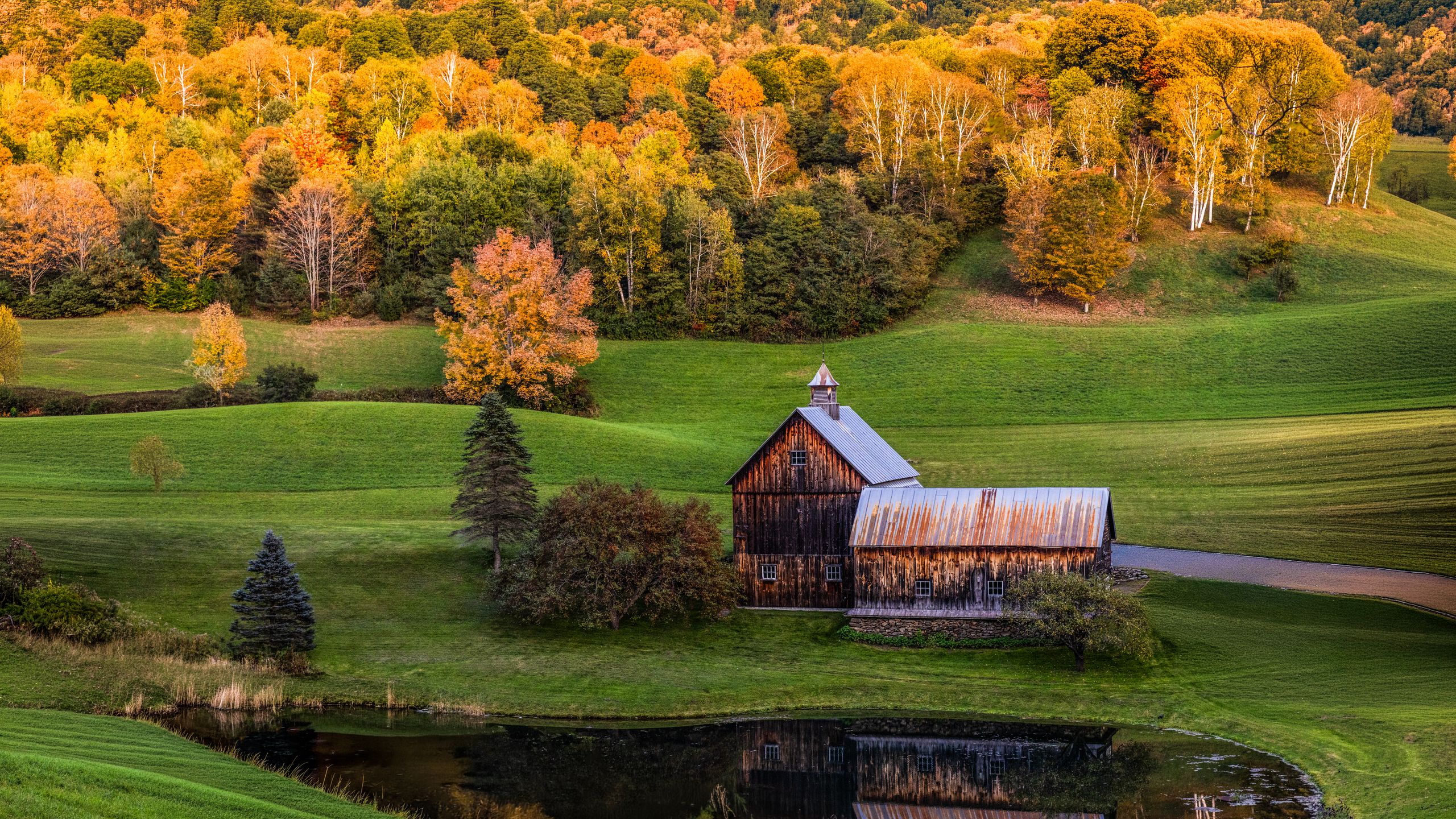
The autumn sun in Santa Fe doesn’t just illuminate — it glows. At 7,000 feet in the high desert, the low-angle October light turns golden aspens luminous against centuries-old adobe walls, and the last ninety minutes before sunset feel almost cinematic.
Crisp 60°F air, skies so blue they look photoshopped, and the scent of piñon smoke drifting from courtyard fireplaces — this is autumn as you’ve always wanted to experience it but rarely find outside a painting.
What makes Santa Fe’s fall aesthetic genuinely unlike anywhere else is that pairing: nature’s gold set against terracotta, tan, and earthy brown adobe that dates back centuries. You won’t find that contrast in Vermont or Colorado.
This guide walks you through exactly when to book, which scenic drives and hikes deliver the most color, and the unique aerial and guided experiences that take your trip from beautiful to unforgettable.
Expect to spend roughly $100 to $150 per day for a budget trip focused on self-driving the byways and hiking free trails. Mid-range runs $200 to $350 daily with a boutique hotel near the Plaza and a chairlift ride, while a splurge day of $400 or more adds a hot air balloon flight or private guided backcountry hike.
When Is Peak Fall Foliage Season in Santa Fe?
The fall color window in Santa Fe runs on two clocks — one for the high peaks, one for the city — and missing it by a week means bare branches instead of gold.
Expected Timing for Sangre de Cristo Mountains in 2026
For 2026, peak foliage in the high-altitude Sangre de Cristo Mountains is expected between late September and mid-October. The aspens above 9,000 feet shift fast and fade within two to three weeks, so your margin for error is thin.
At lower elevations around downtown Santa Fe — roughly 7,000 feet — cottonwoods and maples hold their color from late October into early November. That gives you a second wave if the mountains are already bare.
| Elevation Zone | Expected Peak Window | Key Trees |
|---|---|---|
| High peaks (9,000–12,000+ ft) | Late Sept – mid-Oct | Aspens, scrub oaks |
| Mid-mountain (7,500–9,000 ft) | Early – mid-October | Aspens, Gambel oaks |
| City level (~7,000 ft) | Late Oct – early Nov | Cottonwoods, maples |
How Weather Patterns Affect Aspen Color Changes
Cold nights paired with sunny, dry days produce the most saturated aspen gold. That’s the formula. What wrecks it:
- Warm September: Pushes color later and dulls it — leaves turn muddy yellow instead of luminous gold.
- Hard early freeze: Can brown and drop leaves before they ever peak.
- Summer drought stress: Sometimes triggers earlier color, but with less vibrancy.
- Heavy wind or rain: Can strip an entire aspen grove in a single afternoon — this happens regularly at higher elevations.
Start monitoring fall color reports from the Santa Fe National Forest ranger station in mid-September. These updates track which elevations are turning and let you time your trip to the week rather than guessing months ahead.
Book accommodations early. Autumn is Santa Fe’s highest-demand shoulder season, and the brief foliage window compresses everything into a few weeks. Vacation rentals and boutique hotels near the Plaza fill first — lock in your dates by August if you’re targeting October.
A downtown base puts you within easy reach of the Santa Fe National Forest Scenic Byway and the trailheads covered in the hiking section below.
Why Does Autumn Deliver the Ultimate Santa Fe Aesthetic?
The Santa Fe fall aesthetic isn’t just about color—it’s about light. The angle of the autumn sun interacts with the thin, high-desert air to produce a specific quality of illumination that makes the gold of aspens and the earth tones of adobe virtually glow, especially in the last ninety minutes before sunset.
Crisp Air and Azure Skies Advantages
Santa Fe’s autumn weather is its greatest asset for experiencing the outdoors. With over 300 days of sunshine a year, you’re almost guaranteed the city’s signature bright blue skies, which serve as the perfect canvas for fall color.
This isn’t the humid, hazy autumn of the East Coast; it’s sharp, clear, and invigorating.
- Visibility: The crisp, dry air provides exceptional clarity, making distant mountain vistas and fall foliage feel immediate and vivid.
- Comfort: Daytime highs are typically in the 60s°F, ideal for active pursuits like hiking or biking without summer’s heat. Evenings are cool enough for a fireplace.
- Activity Window: This is prime season for everything from high-altitude hikes on trails like Aspen Vista to simply enjoying a meal on a downtown patio.
Golden Aspens Contrasted Against Adobe Architecture
This contrast is the visual signature of a Santa Fe autumn. While other destinations have fall color, Santa Fe pairs it with a centuries-old architectural palette of earthy brown, tan, and terracotta adobe.
You don’t need to drive into the mountains to see it. The golden leaves of cottonwood and aspen trees frame the historic downtown plaza and spill into courtyards throughout the city.
Head to the Railyard district or Canyon Road in the late afternoon to see the gold leaves illuminated against deep adobe shadows. This synergy of natural and man-made color is uniquely Santa Fean.
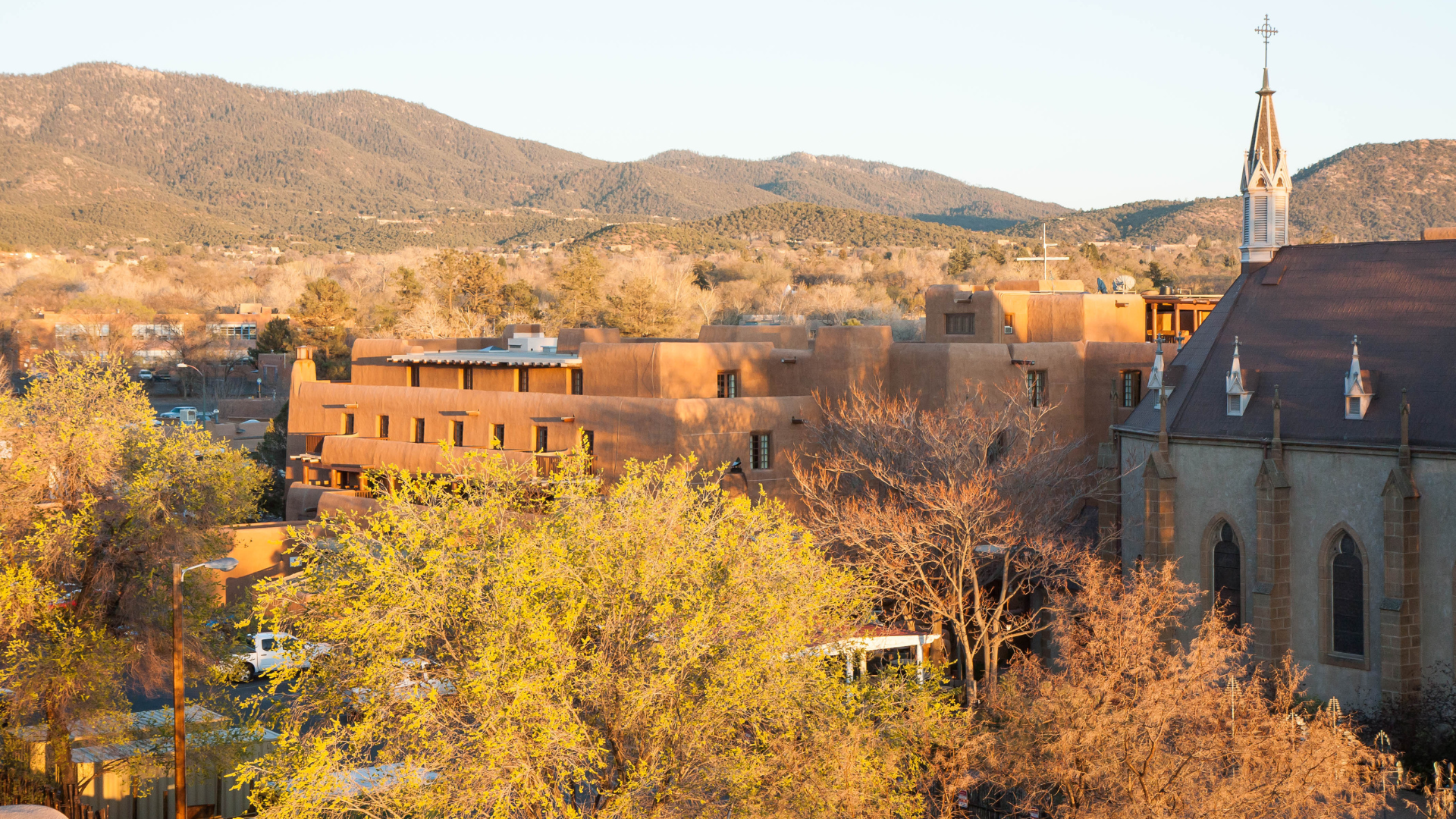
Insider Detail: For the most dramatic photo of this contrast, seek out the smaller residential lanes just east of the Plaza (like East Palace Avenue) in the late afternoon. The low-angle sun will backlight the leaves while the adobe walls hold their rich, warm color.
Best Scenic Drives for Capturing Fall Colors
The aspens along Highway 475 turn so aggressively gold that even locals who’ve watched it for decades still pull over — and you should too, because this 16-mile corridor delivers more concentrated color per mile than anywhere else in the state.
Here’s how the four main drives compare at a glance:
| Route | Distance | Time | Best For |
|---|---|---|---|
| Santa Fe National Forest Scenic Byway | 16 miles one-way | ~45 min without stops | Maximum color density, shortest commitment |
| High Road to Taos | 105 miles one-way | Full day | Cultural villages plus mountain scenery |
| Low Road Return (Rio Grande) | ~75 miles one-way | ~1.5 hours | Cottonwoods over water, sunset timing |
| Valles Caldera National Preserve | ~50 miles from Santa Fe | ~1 hour each way | Wide-open grasslands, wildlife, volcanic geology |
Santa Fe National Forest Scenic Byway
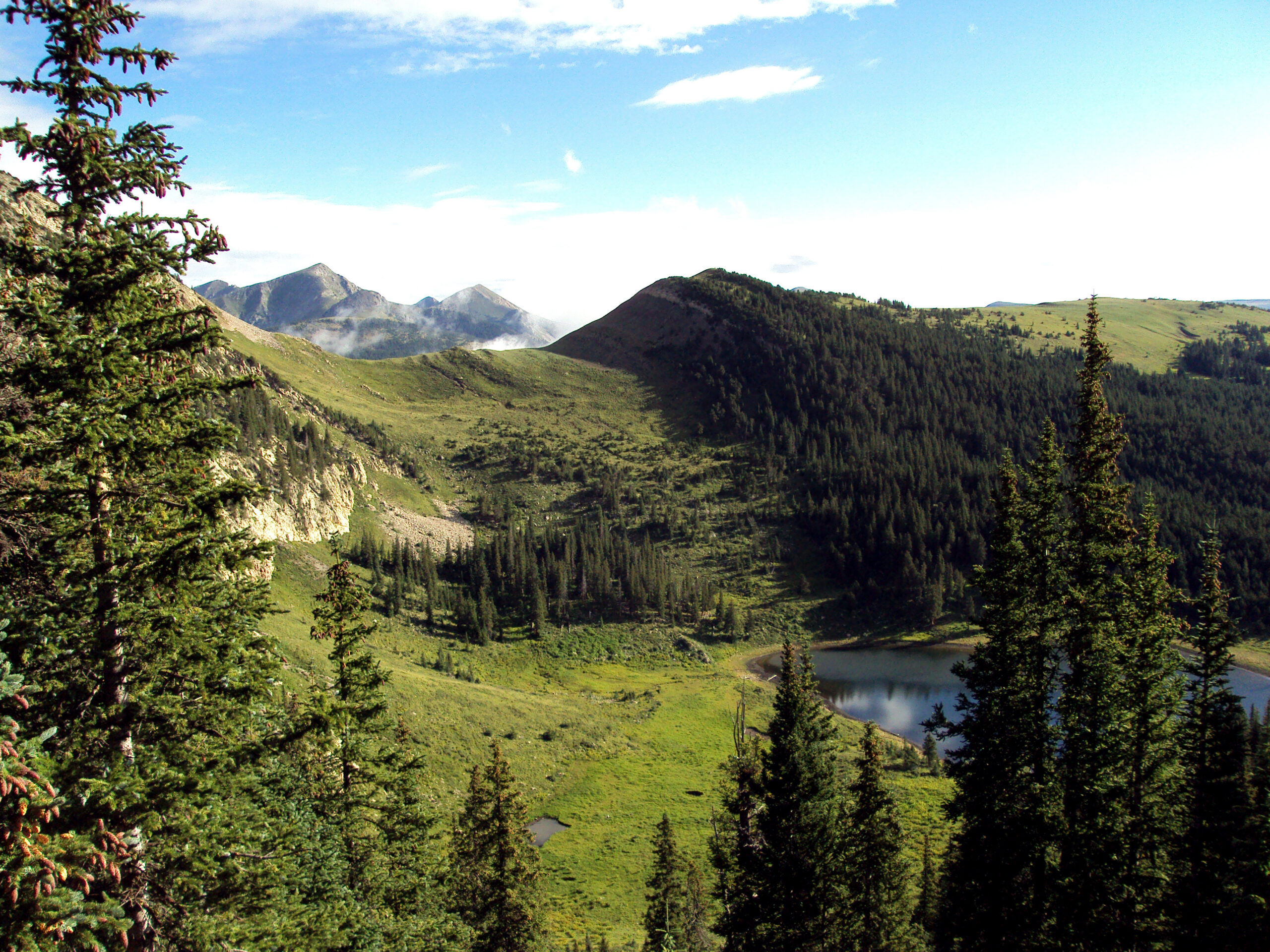
This is the drive that should be your first priority. The route begins at the Palace of the Governors on Santa Fe Plaza and follows Highway 475 straight up to the Ski Santa Fe base area, climbing from high desert into genuine alpine terrain.
The transition happens fast — within 16 miles you move from sage scrub into dense stands of aspen that peak between late September and mid-October.
Drive up in the morning when eastern-facing slopes catch direct light. Stop at Aspen Vista Trail (about 13 miles up) if you want to stretch your legs among the thickest concentrations of color.
The upper half of the road delivers the densest foliage — once you pass the 9,000-foot mark, aspen corridors close in around the pavement in a way that feels almost cinematic.
Insider tip: Arrive before 9 a.m. on weekends. This is the most popular foliage drive in northern New Mexico, and the narrow road creates real congestion by mid-morning during peak season. Weekdays are substantially calmer.
High Road to Taos with Village Stops
This 105-mile route demands a full day but rewards you with something the byway cannot — fall color layered with Spanish colonial architecture and remote mountain villages where pinon smoke drifts from adobe chimneys in October. The road climbs west of the Sangre de Cristos through a high plateau, eventually delivering views of the 13,101-foot Truchas Peaks.
Plan your stops in this order to match the driving flow:
- Chimayo: Visit El Santuario de Chimayo, the centuries-old pilgrimage site. Even if faith isn’t your focus, the surrounding cottonwood groves and adobe walls make this a photographer’s stop.
- Truchas and Las Trampas: These tiny villages sit at high elevation with mountain backdrops that look painted in October. Las Trampas has a stunning 18th-century mission church worth a pause.
- Picuris Pueblo: Respectful visitors are generally welcome — confirm current access policies before entering pueblo land, as hours and permissions change.
- Talpa and Ranchos de Taos: The final approach into Taos passes through these hamlets, ending at the iconic rear façade of the San Francisco de Asís Mission Church.
Budget the entire day. The road is winding, the villages deserve slow exploration, and you’ll want to arrive in Taos with time to eat before turning back.
Santa Fe makes the ideal base — you’ll find mountain inns and boutique hotels clustered near the Plaza, giving you walkable restaurant access after a long driving day.
Low Road Return Along the Rio Grande
If you take the High Road up, return via the Low Road — New Mexico Highway 68 along the Rio Grande — before sunset. The old cottonwoods put on a different show here: vivid yellow canopies reflected in the river, backed by the red-orange gorge walls.
Cottonwood color peaks slightly later than the aspens, often holding through late October.
The drive is faster and flatter than the High Road, roughly 75 miles back to Santa Fe, taking about 1.5 hours without stops. Timing matters: the late afternoon sun hitting the west-facing cottonwood stands along the river is genuinely spectacular.
Aim to hit this stretch in the final 90 minutes of daylight.
Insider tip: Stop at the Rio Grande Gorge Rest Area between Pilar and Taos for one of the best overhead views of the gorge with color on both banks. It’s free, easy to access, and most tourists drive right past it.
Route to Valles Caldera National Preserve
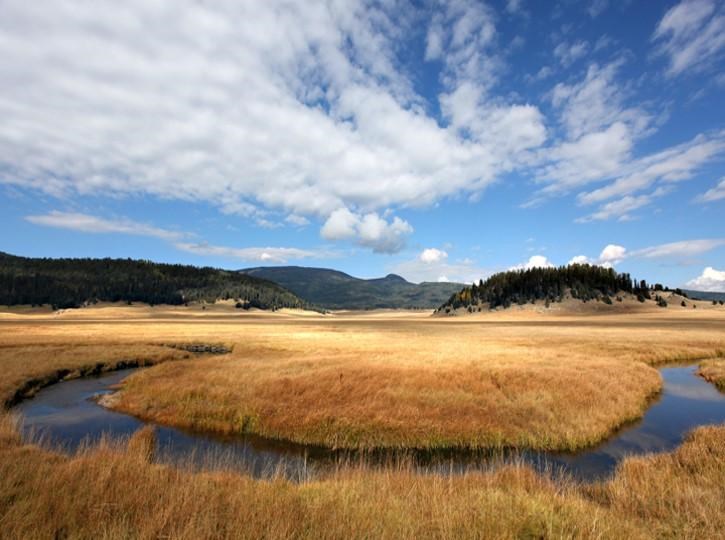
This one is for anyone who wants wide-open space instead of winding mountain roads. The Valles Caldera — a 13.7-mile-wide volcanic crater formed roughly 1.5 million years ago — sits about 50 miles northwest of Santa Fe and looks nothing like the rest of the state.
In autumn, the massive grassland floor turns gold while red-tailed hawks circle overhead, and the scale is almost absurd.
The preserve’s ranch roads and trails are open for hiking, horseback riding, and wildlife viewing, though some activities require advance reservations — especially during peak season. Confirm current access and vehicle-entry policies with the National Park Service before you go, as reservation requirements and fees have varied in recent years.
This pairs well as a half-day trip if you’ve already done the byway and want something different. Los Alamos sits about 30 minutes closer to the preserve than Santa Fe and works as a secondary base if you’re exploring multiple days across the region.
Top Hiking Trails for Vibrant Aspen Views
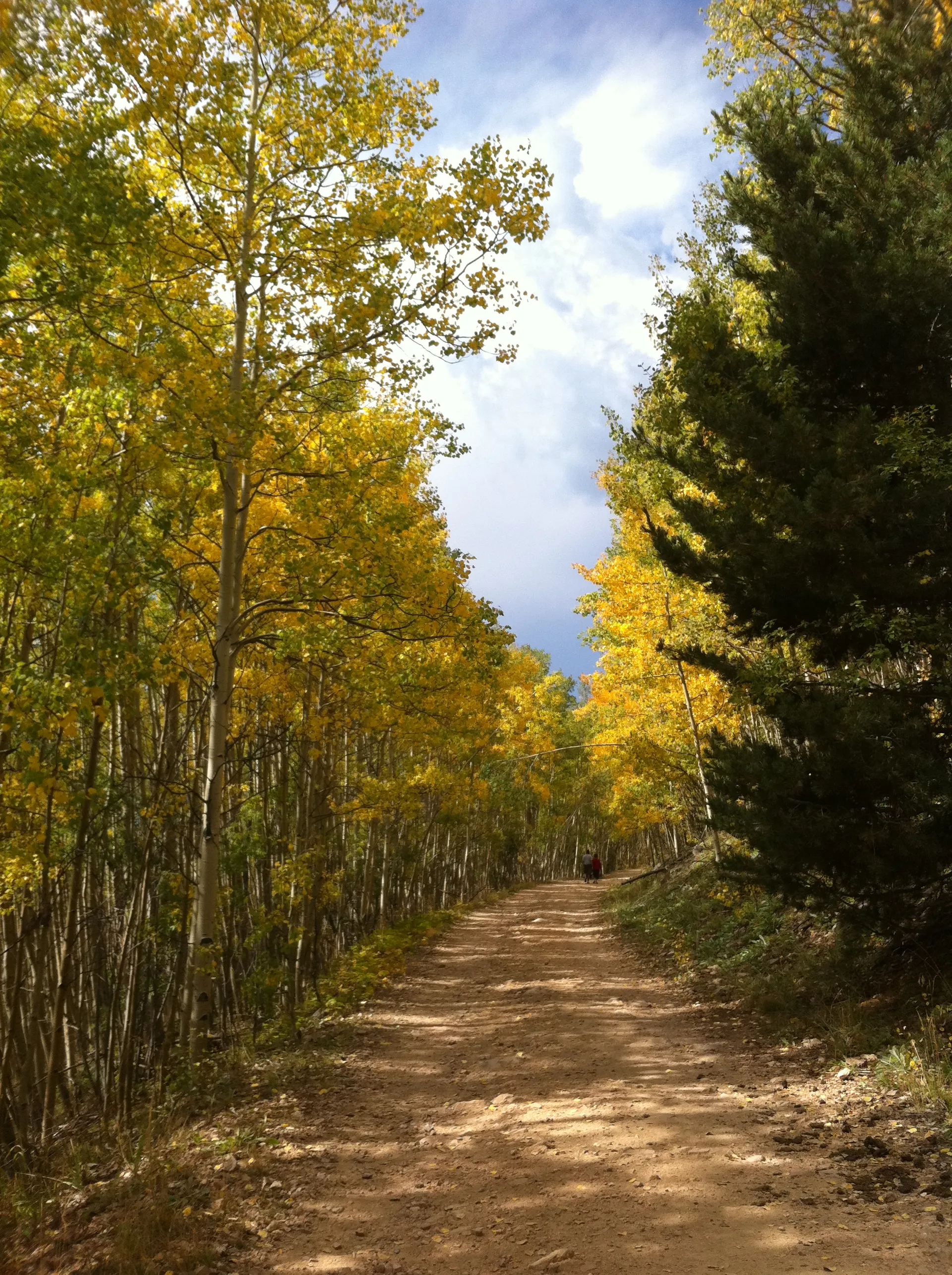
The golden tunnel of aspens along Aspen Vista Trail is the single most reliable, concentrated display of fall color you can walk through in the Santa Fe area—and it’s worth organizing your entire hike around.
Aspen Vista Trail
This is your non-negotiable if you want maximum color with minimal effort. The trail is a wide, well-graded forest road, making it accessible for most fitness levels.
You don’t need to tackle the full 11 miles; the first mile alone delivers an overwhelming wall of yellow. For the best experience, aim for a weekday morning to avoid weekend crowds.
- Best for: Photographers, families, and anyone seeking a guaranteed, immersive aspen experience.
- Access: Located at the end of Hyde Park Road (NM 475), the same route as the Santa Fe Ski Basin. A Santa Fe National Forest parking pass is required.
- Insider Tip: The color progression moves up the mountain. If the lower groves seem a bit green, continue uphill—the most intense gold is often just a little farther along.
Santa Fe Baldy and Lake Katherine
This is a serious, high-altitude endeavor with a serious payoff. The 14-mile round trip hike to the 12,631-foot summit takes you from golden aspen groves through alpine terrain to a panoramic view few visitors ever see.
The aspens here are part of a larger journey, not the sole attraction.
- Best for: Experienced hikers seeking a challenging full-day adventure and iconic New Mexico summit views.
- Key Detail: The trail to Lake Katherine (a stunning alpine lake) is slightly shorter but still strenuous. Start by 7 AM to avoid afternoon thunderstorms, a real safety concern at this elevation.
- Guided Option: If navigating high-altitude terrain feels daunting, consider a guided hike with an outfitter like Santa Fe Walkabouts, which offers trips tailored to ability through the Sangre de Cristos.
Cross of the Martyrs and Picacho Peak
Don’t overlook the trails right in town for a quick dose of autumn ambiance. These offer a different aesthetic: golden cottonwoods and scrub oaks against a backdrop of adobe and city skyline, with the Sangre de Cristos glowing on the horizon.
- Best for: A short morning hike, sunset stroll, or for visitors with limited time who still want a trail experience.
- The Combination: Hike up to the Cross of the Martyrs for panoramic city views, then continue on the Picacho Peak Trail for a slightly more rugged, less-traveled loop that rewards you with colorful foothill vegetation.
- Logistics: Trailheads are easily accessible from downtown Santa Fe, no driving into the mountains required. Perfect for combining with other Santa Fe activities.
Bottom Line: Base yourself in Santa Fe and use the city as your gateway. For a premier aspen immersion, prioritize the Aspen Vista Trail.
For a bucket-list summit push, plan for Baldy. For an effortless urban-nature blend, the downtown trails deliver.
Unique Ways to Experience Fall Foliage

Standing at ground level among golden aspens is beautiful — but seeing them from above, where entire mountainsides ripple like liquid gold, changes everything. Santa Fe offers three distinctly different ways to get closer to the color: lift it, ride through it, or float over it.
Here’s how to pick the right one for your trip.
| Experience | Best For | Effort | Typical Cost Range |
|---|---|---|---|
| Scenic Chairlift | Anyone — zero fitness required | Sit and ride | ~$20–35 per person |
| Mountain Biking | Active travelers wanting immersion | Moderate to strenuous | ~$50–100+ bike rental/day |
| Hot Air Balloon | Celebration trips, photographers | Stand and float | ~$200–350 per person |
Ski Santa Fe Scenic Chairlift Rides
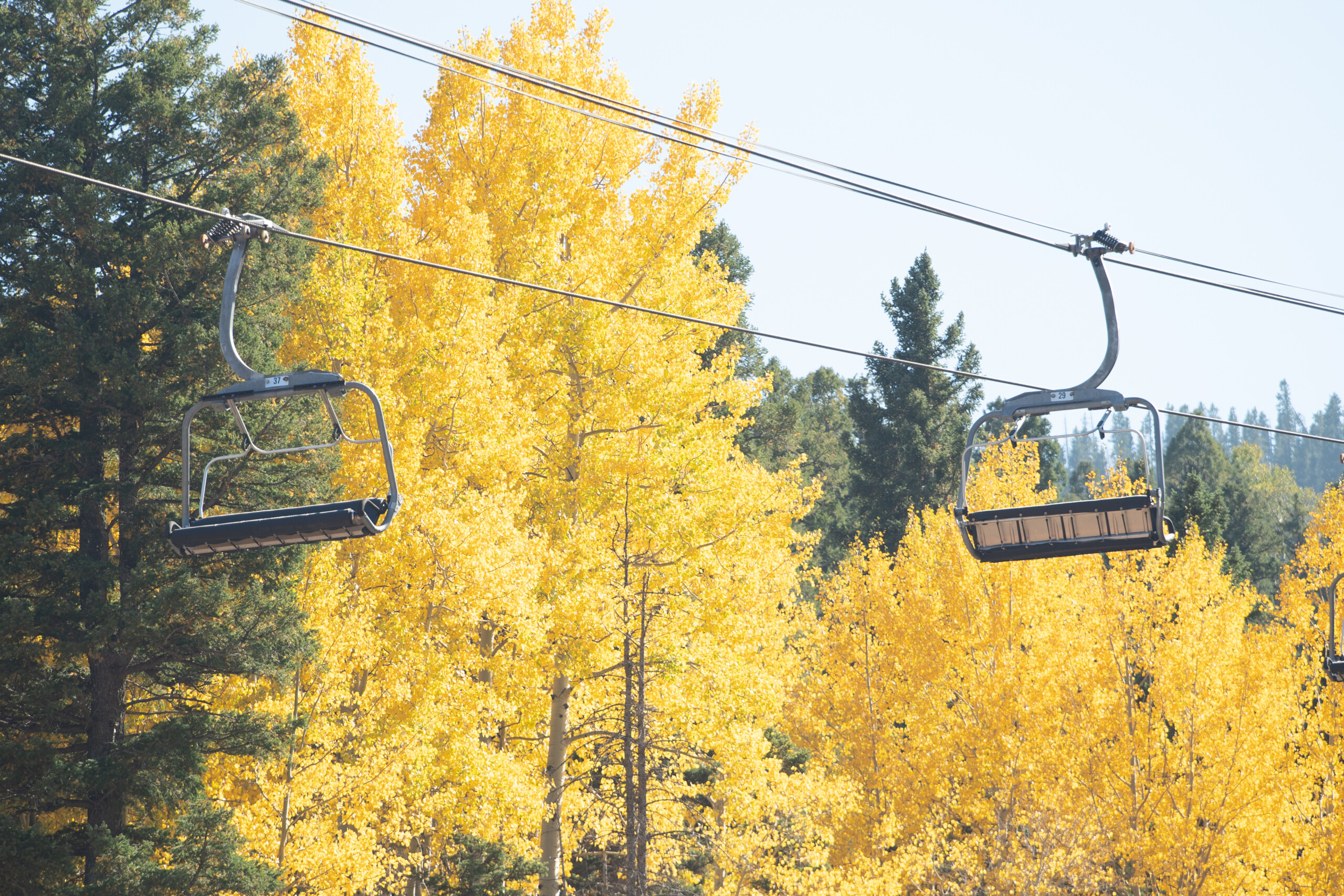
This is the single easiest way to see Santa Fe’s fall color at scale — no hiking boots, no sweat, no scrambling for a viewpoint. Ski Santa Fe runs its chairlift during foliage season, carrying riders up the mountain through shimmering aspen canopy to a vantage point where the Sangre de Cristo range unfolds in every direction.
What makes it worth it: The perspective from the lift is genuinely mesmerizing. Aspens don’t just glow from above — they shimmer, their leaves catching light differently with every gust.
You’ll understand why locals consider this the definitive autumn experience.
- When to go: Operates weekends during peak foliage, usually late September through mid-October — confirm the current season’s schedule directly with Ski Santa Fe, as dates shift annually based on conditions.
- What to bring: A fully charged camera or phone. You will be shooting non-stop, and there’s no outlet at 11,000 feet.
- Insider detail: Morning rides typically offer softer light and thinner crowds. Arrive right at opening — by midday, the line can stretch considerably on peak color weekends.
- Getting there: The chairlift sits at the Ski Santa Fe base area, about 16 miles from the Plaza via the Santa Fe National Forest Scenic Byway (Highway 475). The drive itself is a foliage spectacle, so build in extra time.
Mountain Bike Rentals from Local Shops
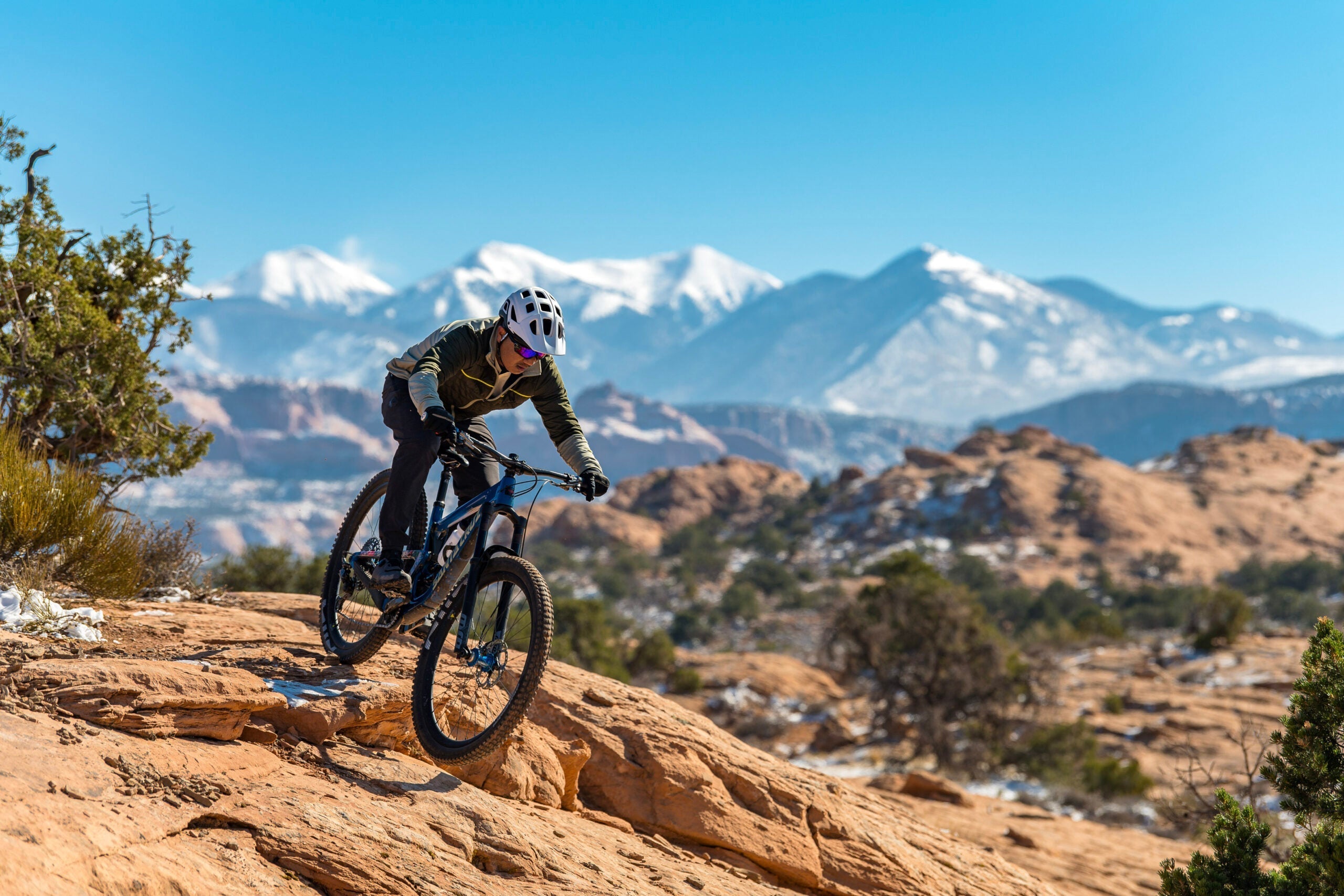
Pedaling through falling aspen leaves on a crisp October morning is Santa Fe at its most immersive. New Mexico Bike N Sport, a long-established local shop, rents high-end mountain bikes and will spend real time matching you to the right bike and trail — not just handing you keys and pointing at a map.
They’ll even install your own pedals if you bring them, a detail road-tripping cyclists appreciate.
The trail vs. city decision: This matters. Mountain trails above the Ski Basin corridor put you directly inside aspen groves, but don’t overlook riding through town.
Santa Fe’s cottonwood trees — one of Georgia O’Keeffe’s favorite subjects — turn brilliant yellow each fall along the river and city paths. A city ride pairs easily with gallery stops and lunch on Canyon Road.
- Rental expectations: Expect roughly $50–100+ per day depending on bike tier and duration. Book in advance during foliage weekends — popular models go fast.
- Trail recommendation: Ask the shop staff which trail has the best color that specific week. Aspen timing shifts with elevation, and these locals ride daily.
- Best for: Travelers who want physical engagement with the landscape rather than observing it from a window or overlook.
Hot Air Balloon Rides Over the Landscape

New Mexico’s connection to ballooning runs deep — the Albuquerque International Balloon Fiesta draws pilots from around the world every October. Santa Fe-area operators offer a far more intimate version of that magic: small-group or private flights drifting over adobe rooftops, golden river valleys, and mountain ridgelines painted in amber and rust.
The honest take: This is the most expensive and least controllable option of the three. Flights are weather-dependent and typically launch at dawn when winds are calmest.
You’ll need an early alarm and flexible scheduling. But the payoff — floating in near-silence above a landscape glowing in autumn light — is the kind of memory that justifies the cost for milestone trips.
- When to book: Reserve at least 2–4 weeks ahead during October. Operators fill quickly with visitors timing their trips around foliage and the nearby Balloon Fiesta.
- What to expect: Flights typically last 45 minutes to over an hour, followed by a traditional champagne toast. Wear layers — the air at altitude is brisk at dawn.
- Weather reality: Flights cancel in wind or poor visibility. Book early in your trip so you have backup days to reschedule if conditions don’t cooperate.
Should You Join a Guided Tour for Autumn Adventures?
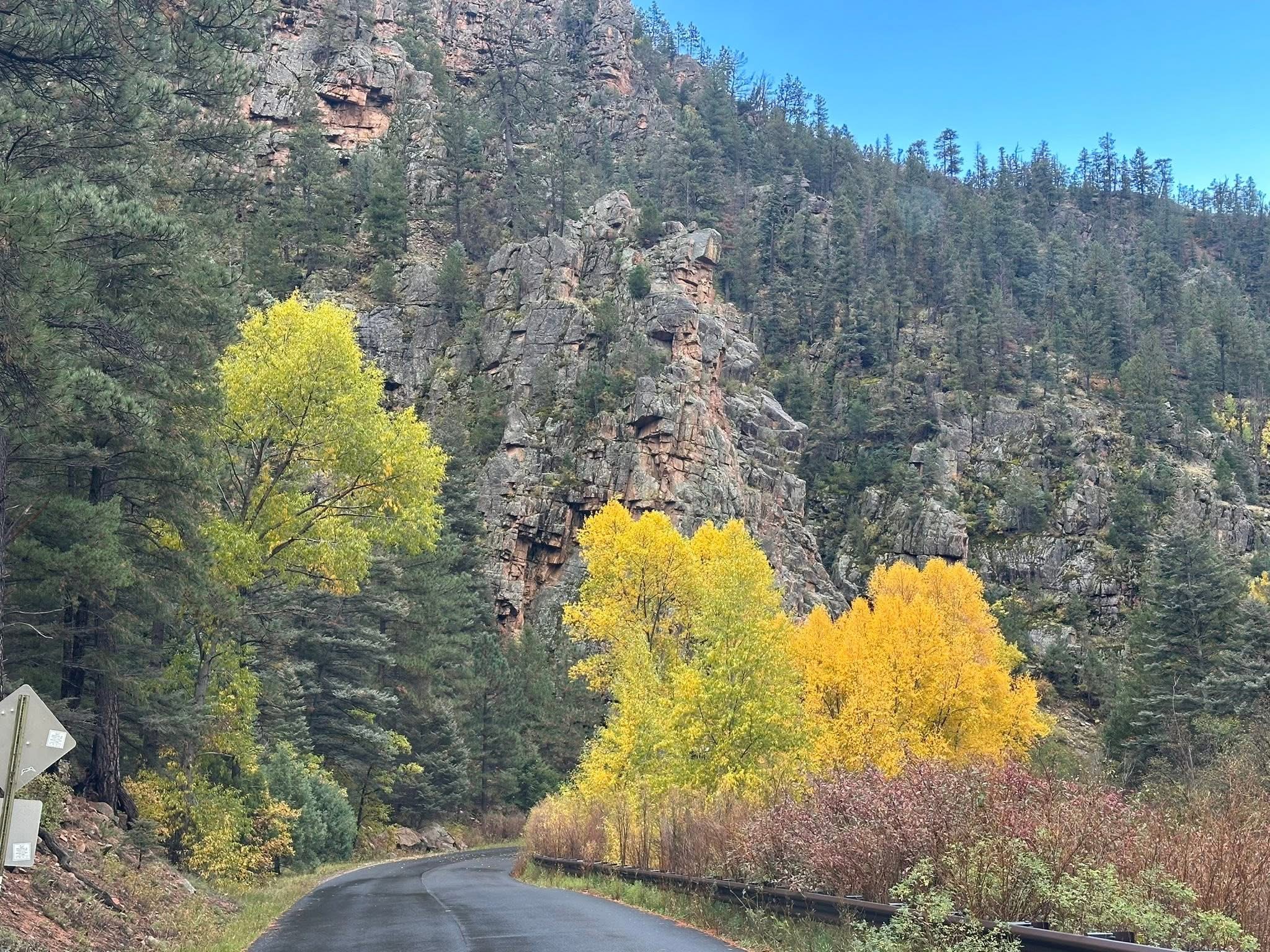
A local guide who knows exactly where the aspens peaked yesterday — not where they peaked last year — is the single biggest advantage you can buy during Santa Fe’s short fall window. Self-driving the scenic byways and hiking Aspen Vista on your own works beautifully, but a guided outing into the backcountry puts you on trails most visitors never find and eliminates the guesswork of chasing color at altitude.
Outspire Pecos Wilderness Hikes
Outspire runs small-group and private guided hikes into the Pecos Wilderness, the vast federally designated wilderness area east of Santa Fe that holds some of the densest aspen stands in the Sangre de Cristo range. Their fall-season outings typically focus on trails through golden corridors that road-based visitors simply cannot access without a knowledgeable leader.
Expect half-day and full-day options, usually departing from Santa Fe in the morning.
- Best for: Hikers who want backcountry depth without route-finding stress — ideal if you’re comfortable with 4 to 8 miles of moderate-to-strenuous terrain but unfamiliar with the trail network.
- What sets it apart: Outspire’s guides are naturalists, not just trail leaders. You’ll learn about elk migration patterns, piñon-juniper ecology, and the Indigenous history of the Pecos corridor while walking through it.
- Planning baseline: Expect roughly $100–$175 per person for group hikes, with private outings priced higher — confirm current rates directly with Outspire because pricing and availability shift seasonally.
- Insider move: Book for the first week of October in a typical year. Guides scout conditions days in advance and will steer your group toward the exact elevation band peaking that week rather than defaulting to a fixed route.
Santa Fe Walkabouts Sangre de Cristo Options
Santa Fe Walkabouts specializes in interpretive hikes through the Sangre de Cristo Mountains with an emphasis on cultural and natural history. Their fall offerings lean into the high-country color season, guiding hikers through mixed conifer and aspen zones above 9,000 feet.
This is the right pick if you want the storytelling and context that turn a beautiful walk into something you actually remember.
- Best for: Travelers who want a slower pace, richer narrative, and less physical intensity than a Pecos Wilderness summit push — suitable for moderate fitness levels.
- What sets it apart: Walkabouts guides weave in geology, settler history, and plant identification. You’ll finish knowing why the aspens turn gold here two weeks before the cottonwoods in the city.
- Planning baseline: Pricing varies by group size and itinerary — reach out to Santa Fe Walkabouts directly for current fall-season schedules and rates, typically announced in late summer.
- Insider move: Ask about their less-trafficked Sangre de Cristo routes that avoid the Aspen Vista crowds entirely. The color is comparable, and you may have the trail to your group.
Both operators work best as a complement to the scenic drives and front-country hikes covered earlier in this guide — not a replacement. If you have three or more days in Santa Fe during peak foliage, dedicate one to a guided backcountry outing and self-guide the rest.
The combination delivers both the iconic roadside views and the backcountry solitude that makes this season unforgettable.
For the do-it-yourself inclined, pick up Day Hikes in the Santa Fe Area from the Rio Grande Chapter of the Sierra Club and the maps in the High Desert Field Guides — both available at Collected Works Bookstore on Galisteo Street. These are the references local hikers actually use.
Frequently Asked Questions
When exactly should I book a Santa Fe fall trip for 2026?
Peak foliage in the high-altitude Sangre de Cristo Mountains is expected between late September and mid-October 2026, though the exact window shifts a few days each year depending on weather patterns. Lower-elevation cottonwoods around town typically peak a week or two later, so even if you miss the mountain gold, the city itself still delivers.
Book lodging at least two to three months ahead — fall is Santa Fe’s second-busiest season after Indian Market in August, and vacation rentals with hot tubs and fireplaces go first.
Can I see fall foliage without hiking?
Absolutely. The Santa Fe National Forest Scenic Byway (NM 475) starts at the Plaza and climbs through massive golden aspen stands — you never have to leave the car.
The Ski Santa Fe scenic chairlift ride puts you above the canopy with zero trail effort. Downtown itself is a color show: cottonwood trees along the Santa Fe River trail and golden leaves framing adobe walls around the Historic Plaza make a slow afternoon walk genuinely stunning.
If you want the aerial perspective without a hike, hot air balloon rides launch from the area and give you the full tapestry from above.
What should I pack for autumn in Santa Fe?
Layers are non-negotiable. Daytime highs in September and October usually sit in the 60s°F at city elevation (7,000 feet), but mornings start in the 30s and 40s, and the mountain trails can drop 20 degrees cooler than downtown.
The sun is intense at altitude — over 300 days of sunshine annually — so sunglasses, sunscreen, and a hat matter even on crisp days. If you’re hiking to places like Lake Katherine or Santa Fe Baldy (12,631 feet), expect winter-like conditions at the summit.
A windproof shell, fleece midlayer, and moisture-wicking base will handle every scenario from a Plaza stroll to a ridgeline trek.
Is Santa Fe crowded during peak fall color?
Busier than summer? No. Busier than you might expect?
Yes. October brings a noticeable uptick — Albuquerque Balloon Fiesta visitors often tack on a Santa Fe side trip, and fall art events draw dedicated crowds.
The Aspen Vista Trail, the most popular foliage hike, fills its parking lot by mid-morning on weekends. Go midweek if your schedule allows, and hit trailheads before 8 a.m. for solitude.
Downtown is rarely overwhelming in autumn — you’ll feel more “pleasantly alive” than “crowded out” — but restaurant reservations for dinner on Friday and Saturday nights are worth making in advance.
Start Planning Your Santa Fe Fall Escape
Lock in your dates around the late-September-to-mid-October window if mountain aspens are your priority, or aim for the late-October second wave for the city’s cottonwood display. Book your lodging near the Plaza now — the best vacation rentals with fireplaces and patios vanish months ahead.
Plan your first full day around the Santa Fe National Forest Scenic Byway and Aspen Vista Trail, then use the remaining days for the High Road to Taos, a chairlift ride, or a guided backcountry hike with Outspire.
The golden aspens against centuries-old adobe is a combination that exists nowhere else on earth, and it lasts only a few fleeting weeks each year.
Check the Santa Fe National Forest ranger station website starting in mid-September for live foliage reports so you can time your visit to the exact week the color peaks at your target elevation.
Leave a Reply