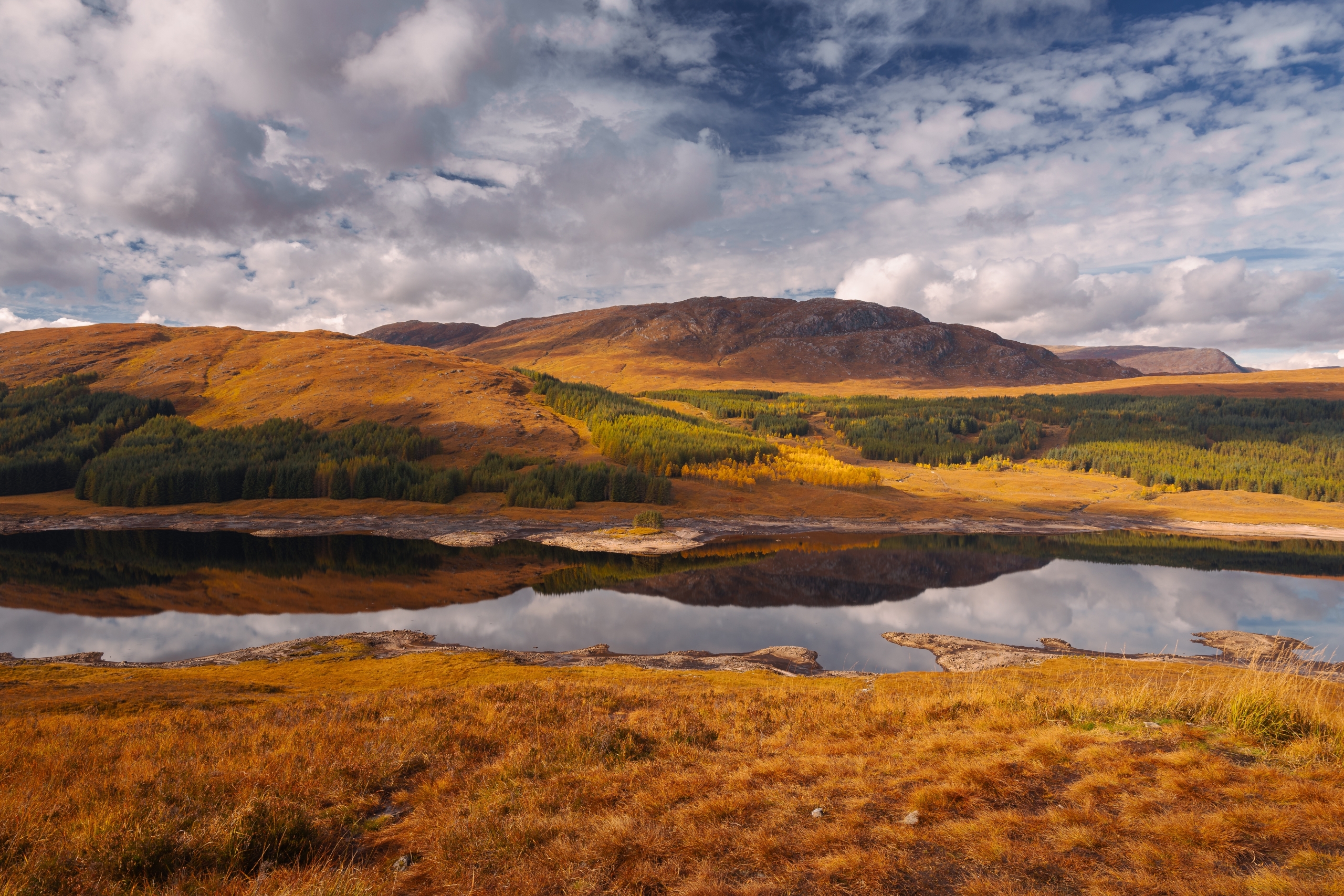
The moment you step off the plane in September, you feel it: the light shifts golden, the air tastes like woodsmoke and rain, and the mountains emerge from mist without a single tour bus blocking your shot. Scottish autumn is the season everyone talks about but nobody actually visits, which means you get Eilean Donan Castle to yourself, the Quiraing trail without queuing, and a hotel room with a fireplace for half the summer price.
Unlike New England’s predictable foliage or the Alps’ crowded shoulder season, Scottish autumn is genuinely unpredictable—weather swings from crisp sunny mornings to sideways rain in hours, and the foliage peaks shift by weeks depending on rainfall and temperature. This guide cuts through the guesswork and tells you exactly when to go, where to stay, and which ten destinations deliver the most dramatic autumn scenery without the summer chaos.
Budget ranges: expect £80–120 per night for a boutique hotel with a fireplace and countryside views (£150–250 in summer), car rental at 30–40% off peak rates, and restaurant meals 15–25% cheaper once the festival crowds vanish after early September.
Your Autumn Scotland Snapshot
Peak Season: Mid-October for foliage and light; September for warmth and longer days; November for lowest prices and fewest crowds.
Top Five Destinations: Perthshire for forest color (The Hermitage walk is non-negotiable), Isle of Skye for iconic hikes without summer bottlenecks, Cairngorms for high-altitude drama and whisky distilleries, Glencoe for mountain intensity, and Edinburgh for urban culture once the festival ends.
Budget Reality: Accommodation drops 30–50% below summer rates; car rental follows the same pattern; meals and attractions stay consistent but feel cheaper because you’re not fighting crowds.
Weather Essentials: Temperatures range 8–14°C (46–57°F); wind and moisture make it feel colder; waterproof hiking boots and a three-layer system (base layer, fleece, waterproof shell) are non-negotiable, not optional.
Daylight Reality: September sunrise ~7 AM, sunset ~8 PM; October sunrise ~7:30 AM, sunset ~5:30 PM; November sunrise ~8 AM, sunset ~4 PM—plan hikes for mid-morning and expect darkness by 5 PM in late autumn.
Why is Autumn the Best Time to Visit Scotland?
September through November transforms Scotland into a landscape where golden light cuts through mist, hotel rooms cost 30–40% less than summer rates, and you can actually see the mountains without queuing behind 200 other tourists—yet most visitors still haven’t figured this out.
Vibrant Fall Foliage and Dramatic Landscapes
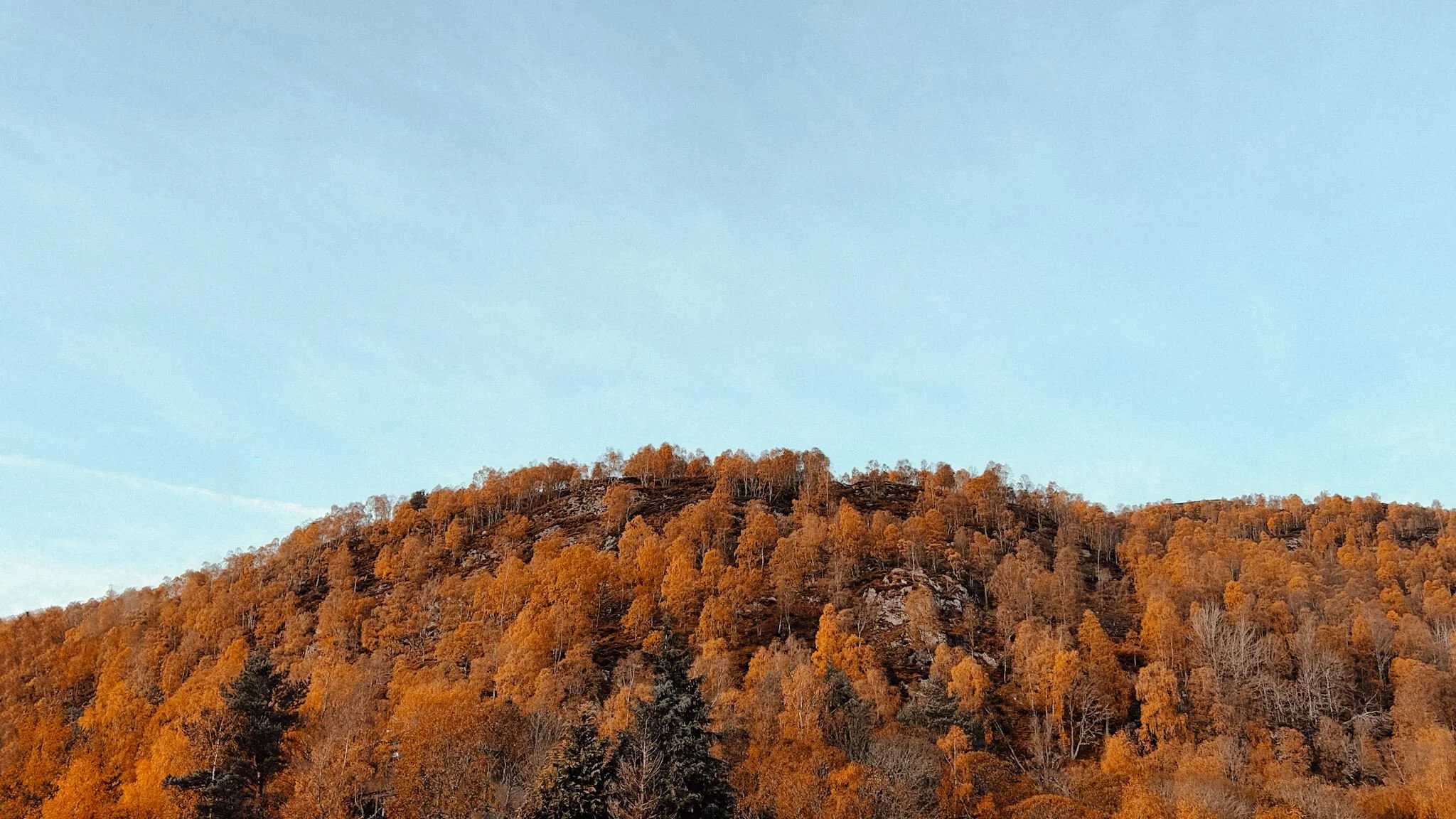
Autumn in Scotland peaks in October, when the Highlands shift from green to amber, rust, and deep burgundy almost overnight. Highland Perthshire, known as “Big Tree Country,” delivers the most reliable color show—Douglas fir forests frame the golden deciduous trees in stark contrast, and The Hermitage walk is the single best vantage point for this effect without a long hike commitment.
The Cairngorms and Kintail mountains follow close behind, with the Falls of Glomach route (21 km, 8 hours) offering autumn color at elevation for hikers willing to commit. Unlike New England’s predictable peak, Scottish foliage depends on rainfall and temperature swings, so mid-October typically hits the sweet spot, but confirm timing with local tourism boards before booking—weather can shift the peak by 2–3 weeks.
Fewer Crowds and Peaceful Sightseeing
Summer brings 4+ million visitors to Scotland; autumn drops that to a fraction, meaning you can photograph Eilean Donan Castle, hike the Quiraing on Isle of Skye, or walk the Fife Coastal Path without waiting for strangers to move. Popular sites like the Old Man of Storr remain accessible but lose the shoulder-to-shoulder crowds that make autumn the actual peak season for serious travelers.
This quiet also means better wildlife encounters—red deer are more visible during the September rut, and golden eagles hunt more actively in clearer autumn light.
More Budget-Friendly Accommodation and Car Rentals
Accommodation prices drop 30–40% the moment summer ends, and car rental follows the same pattern. A boutique Scottish hotel with a roaring fireplace, roll-top tub, and countryside views costs roughly £80–120 per night in autumn versus £150–250 in July.
This price collapse extends to B&Bs, cabins, and lodges across the Highlands and islands—the same room that required booking 6 months ahead in June becomes available with 2–3 weeks’ notice. Budget travelers win hardest here: the off-season pricing makes a week-long road trip through Glencoe, Skye, and the North Coast 500 feasible on a mid-range budget.
Golden Hour Light for Photographers
Summer’s endless daylight (sunrise ~4 AM, sunset ~10 PM) forces photographers to shoot midday or plan 4 AM wake-ups for decent light. Autumn flips this entirely: the sun rises around 7–8 AM and sets by 5–6 PM, making the blue hour and golden hour fall at reasonable times—roughly 7–9 AM and 3–5 PM.
The lower winter sun dips Scottish mountains and coastlines in amber and rose tones for hours, not minutes, because the sun spends most of the shorter day either rising or setting. This is why autumn is the season photographers actually choose Scotland, not the other way around.
Unique Autumn Wildlife Encounters
September marks the red deer rut in the Highlands—stags are vocal, visible, and competing for mates, making them easier to spot during dawn and dusk hikes in Cairngorms and Kintail. Golden eagles hunt more actively in the clearer autumn weather, and migrating birds pass through coastal areas like the Fife Coastal Path in October.
The Scottish Highlands’ wildlife is most active during the shoulder seasons because temperatures are mild enough for daytime movement but cool enough to reduce insect pressure—midges, the summer scourge, vanish by late September, making hiking and outdoor time genuinely enjoyable instead of a battle.
10 Best Places to Visit in Scotland in Autumn
Autumn transforms Scotland’s landscapes into a photographer’s dream and a hiker’s playground — but the real win is that you’ll experience these places almost entirely alone. Summer crowds vanish by September, accommodation prices drop sharply, and the light turns golden for hours each day.
Here are the ten destinations that deliver the most dramatic autumn scenery, the best wildlife encounters, and the easiest logistics for a self-drive trip.
1. Perthshire (The “Big Tree Country”)
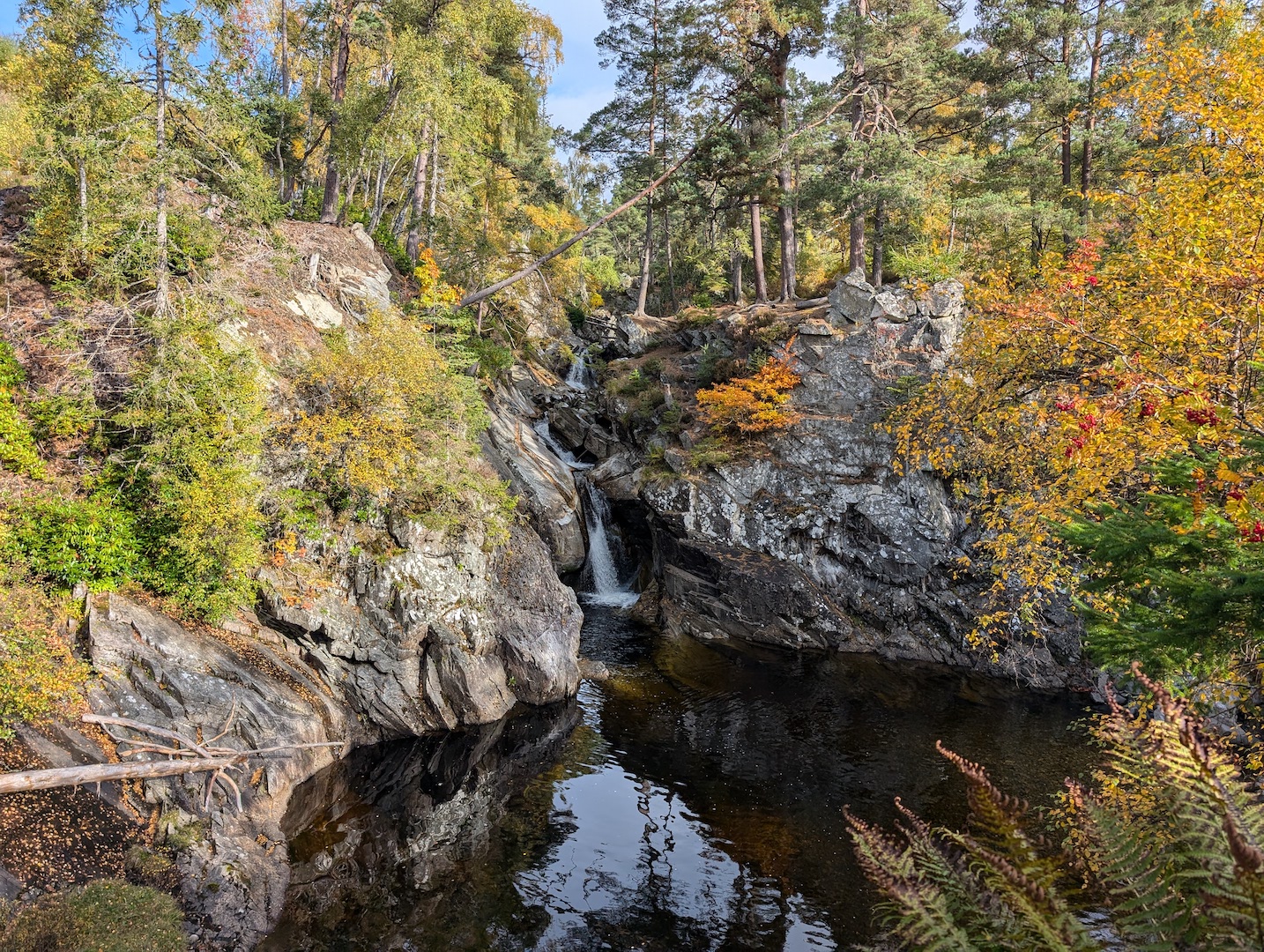
Perthshire is the single best place in Scotland to see autumn foliage — ancient woodlands of Douglas firs, birches, and oaks turn orange and deep red across thousands of acres. The Hermitage is the standout walk: a short forest loop where towering firs frame the changing leaves and a river gorge, and the contrast between golden canopy and dark green conifers is sharper here than anywhere else in the country.
Base yourself in the Victorian town of Pitlochry, which sits at the heart of the region and offers easy access to forest walks, distilleries, and in October, the Enchanted Forest light show — a seasonal outdoor spectacle that transforms the woodland after dark. Stay in Pitlochry proper to walk to restaurants and shops without driving.
2. Cairngorms National Park
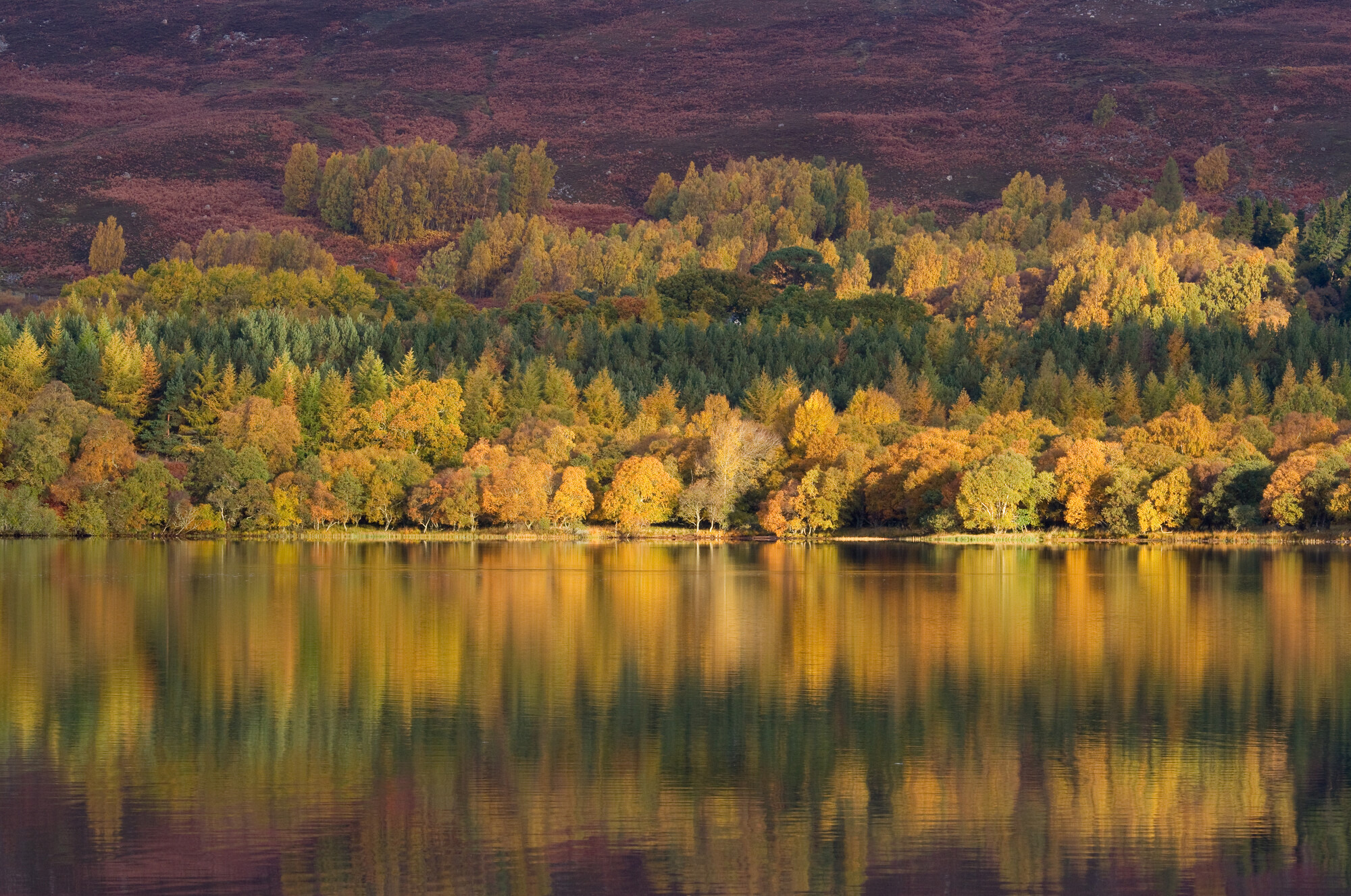
Cairngorms delivers high-altitude drama — mountain peaks turn purple and bronze as the season shifts, and the park’s famous distilleries become less crowded but fully operational. This is the place to hike serious terrain (Quiraing and Old Man of Storr on Skye get the Instagram crowds, but Cairngorms peaks offer the same views without the bottleneck).
The park also hosts one of Scotland’s three official Dark Sky Parks, making autumn nights ideal for stargazing once you’ve finished hiking. Base yourself in Aviemore or Braemar for overnight access to trailheads and whisky distillery tours.
3. Trossachs & Loch Lomond National Park
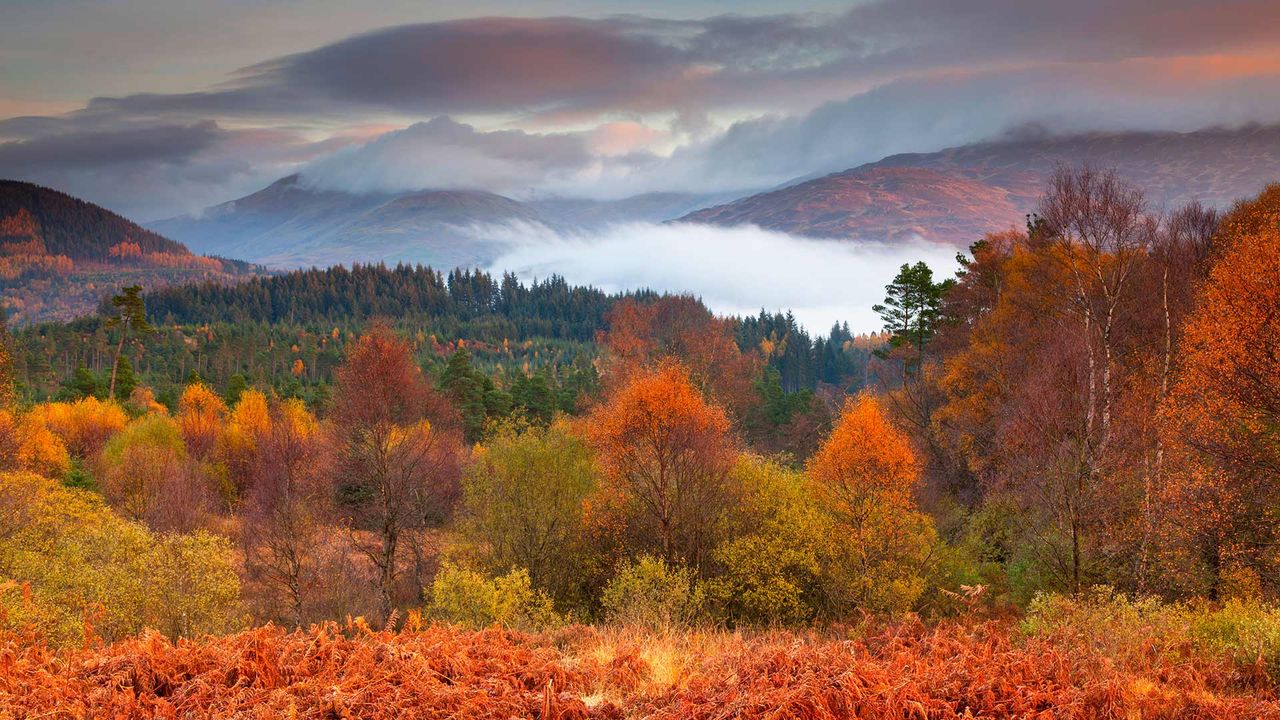
The Trossachs wins for anyone who wants forest scenery without the drive to the far Highlands — it’s close enough to Glasgow and Edinburgh for a weekend but feels completely remote. The Three Lochs Forest Drive is the scenic centerpiece: a winding route through ancient woodland where autumn light filters through the canopy and trails branch off for walks of any length.
Nearby Killin village offers the Falls of Dochart, a short waterfall walk that’s photogenic in any season but especially dramatic when surrounded by turning leaves. Strathyre is the best overnight base, with easy access to forest drives and village restaurants.
4. Glencoe and Rannoch Moor
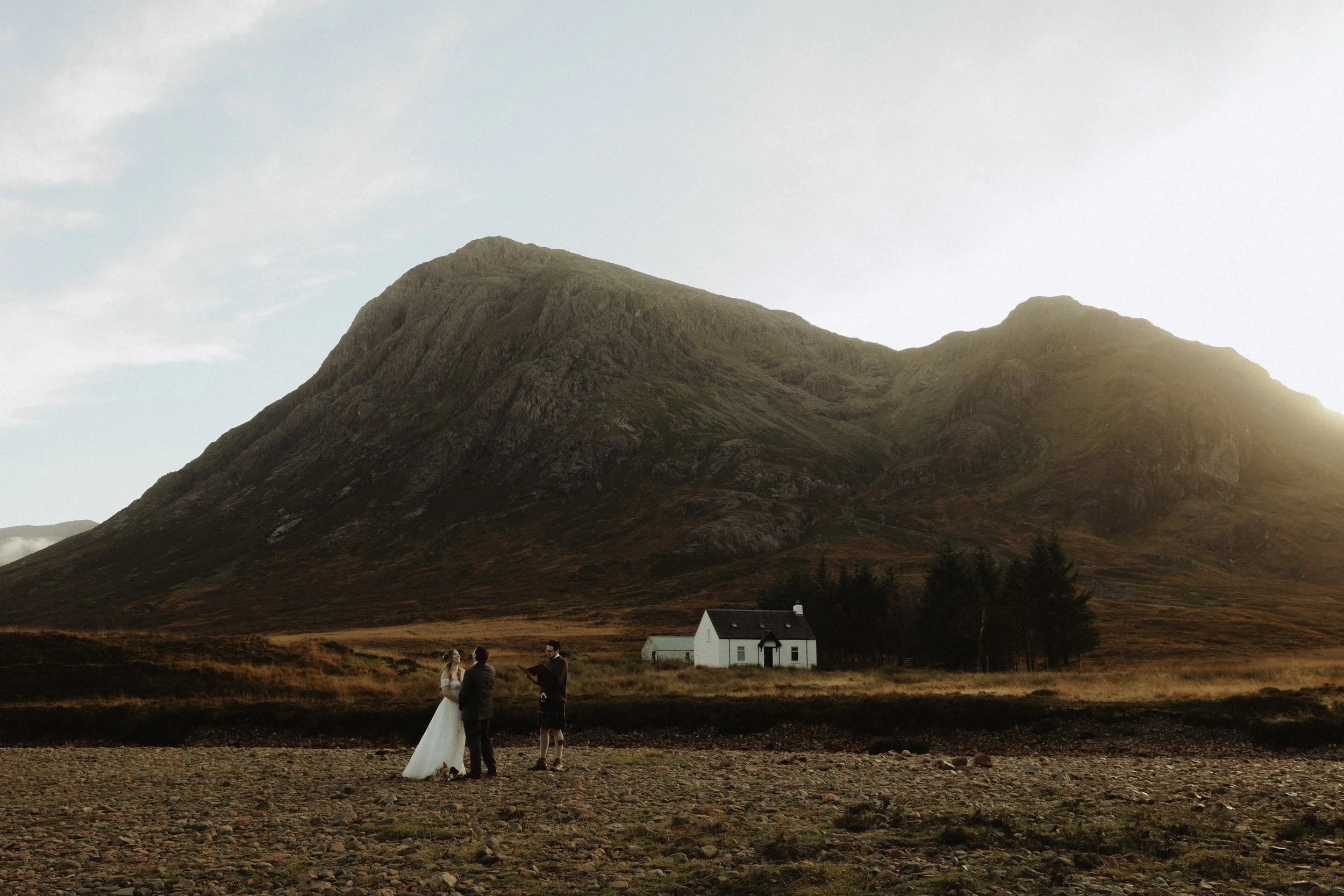
Glencoe is Scotland’s most dramatic mountain pass — steep ridges and rocky peaks create a landscape that feels almost Alpine. In autumn, the moorland turns bronze and russet, and the mountains shift from grey to purple as the light changes.
This is a drive-through destination (the A82 cuts straight through) or a serious hiking destination (multiple ridge walks and scrambles), and autumn is the ideal time because summer’s tour buses have vanished. Rannoch Moor, just east of Glencoe, is equally striking: a vast, treeless plateau that feels like the edge of the world, especially when mist rolls in.
Stop overnight in Glencoe village or continue to Kinloch Rannoch for a quieter base.
5. Isle of Skye
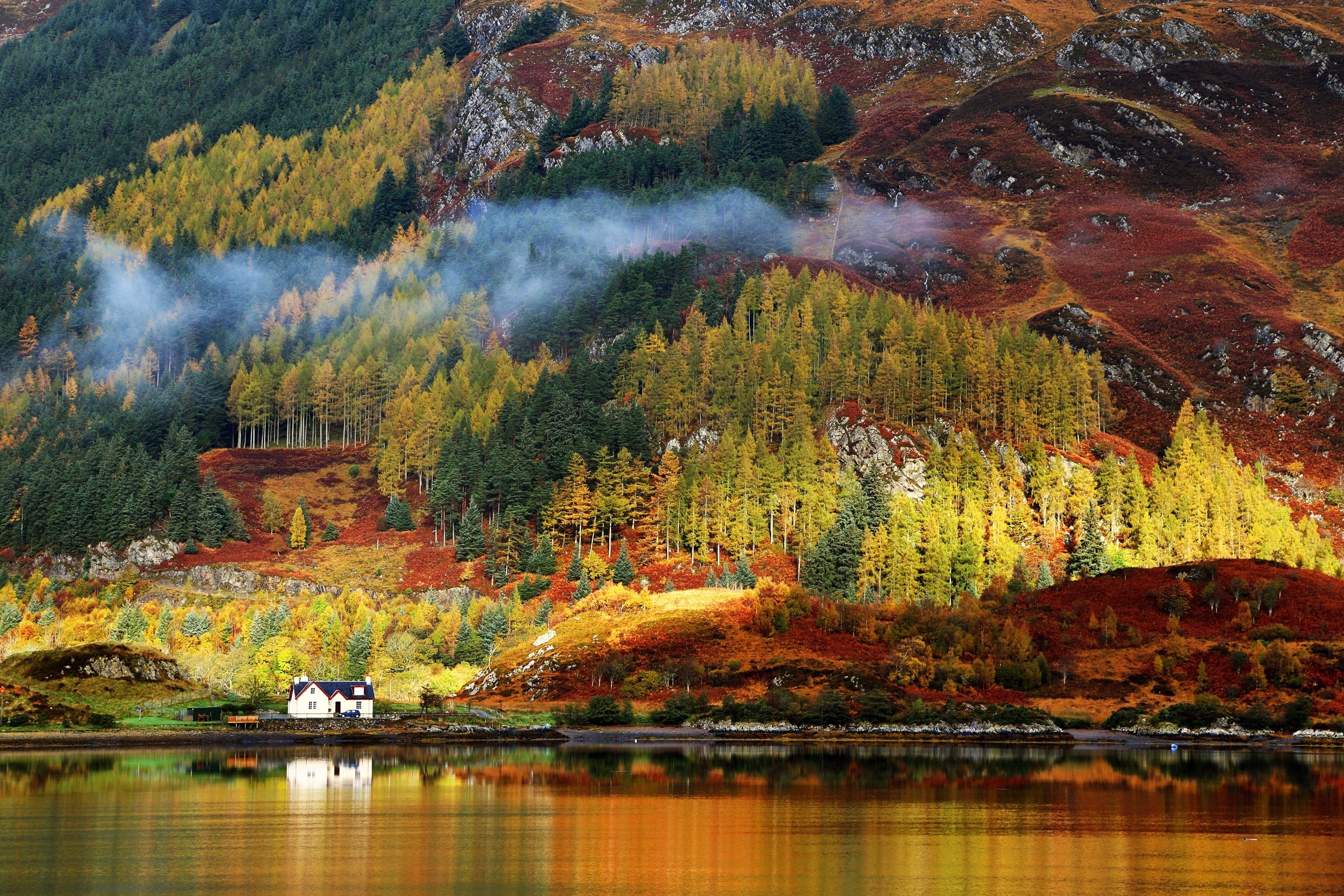
Skye is non-negotiable for autumn travel — the Quiraing and Old Man of Storr hikes are world-famous, but they’re also packed with summer tourists. In autumn, you’ll have these trails almost to yourself, and the light is better.
The island’s dramatic cliffs, lochs, and moorland turn deep gold and purple as the season progresses. The downside: weather is unpredictable and daylight hours are short (sunset by 4:30 p.m. in November), so plan hikes for mid-morning and expect rain.
Ferry access from Mallaig takes about 30 minutes; book accommodation in Portree (the main town) or smaller villages like Uig for overnight stays. Skye requires a full 2–3 days to explore properly.
6. Glenfinnan and the Wild West Coast
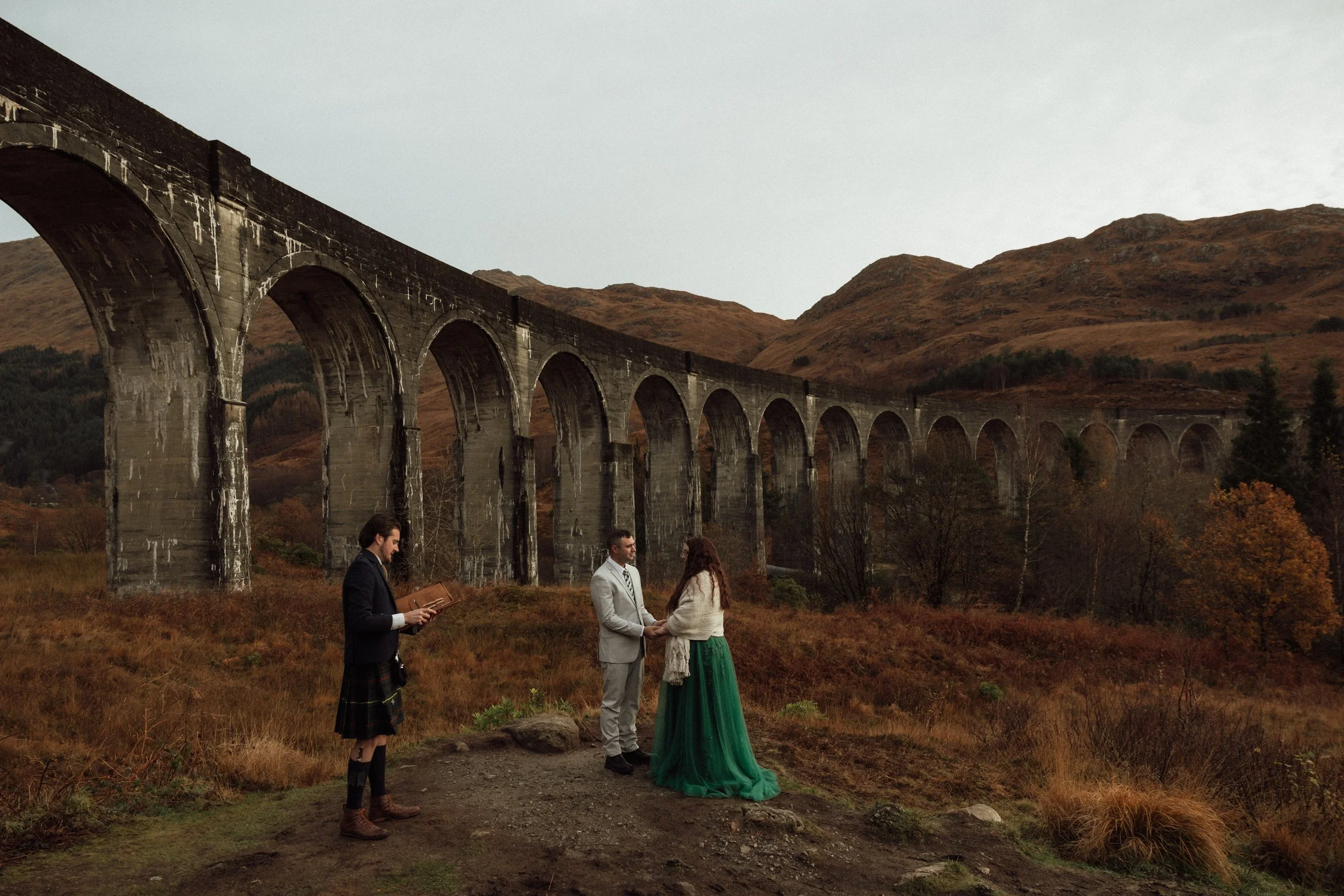
Glenfinnan is famous for the Glenfinnan Viaduct (the Harry Potter bridge), but the real draw in autumn is the wild west coast beyond it. From Glenfinnan, drive to Arisaig for pristine sandy beaches that are nearly empty once summer ends — the water is cold, but the views of the Hebridean islands are worth standing in the wind for.
The Crofters Rest bar in Arisaig offers warming drinks and local food after a beach walk. This is a scenic drive destination rather than a hiking hub, and it’s best visited as a day trip from a base further south (Glencoe or Fort William) or as an overnight stop if you’re heading to the Isle of Skye.
7. Fife Coastal Path and Historic Villages
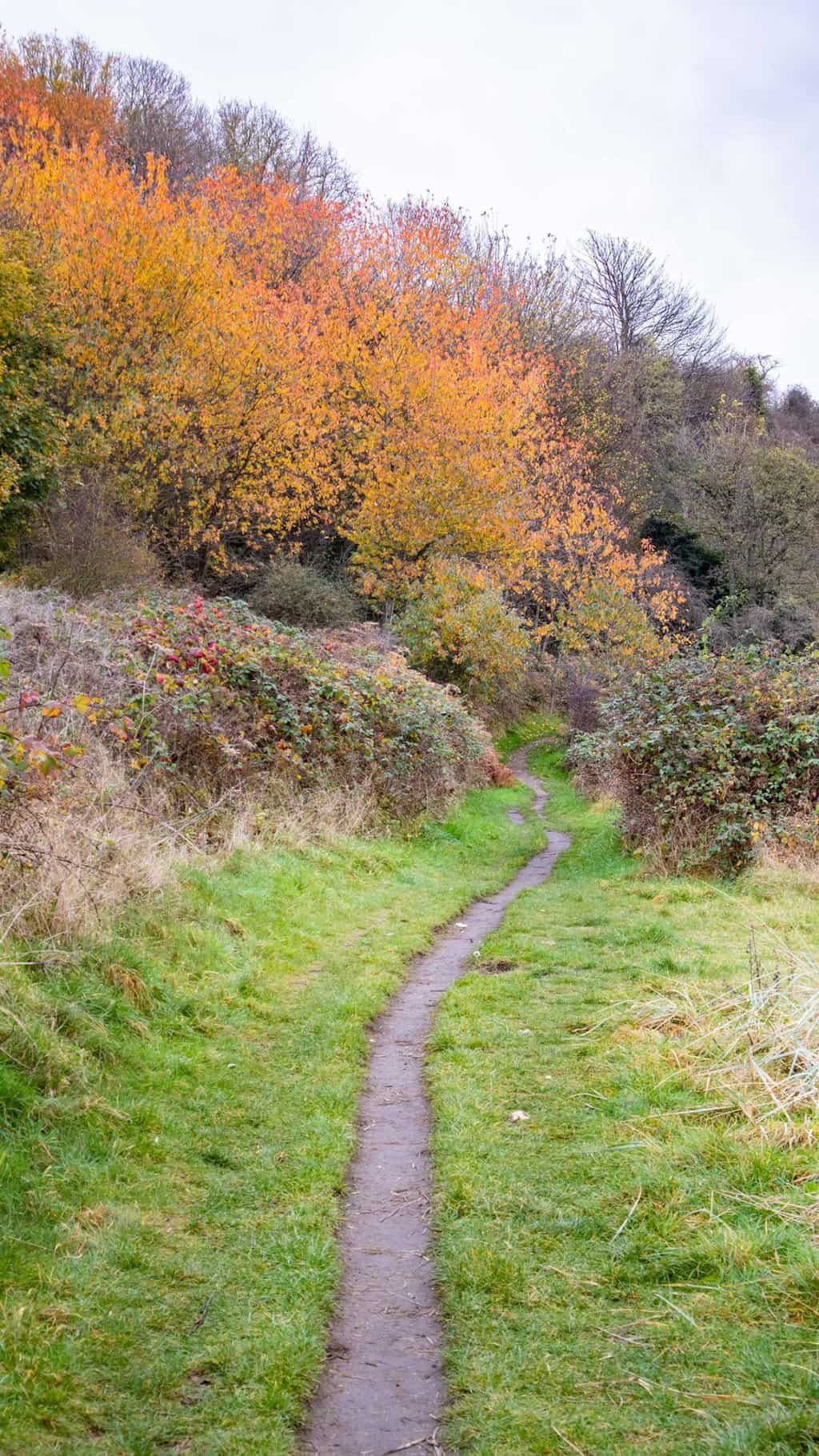
The Fife Coastal Path is a 47-mile walking route along the east coast, but you don’t need to walk the whole thing — day hikes between villages are the move. Autumn light on the North Sea is moody and dramatic, and the path passes through picture-postcard fishing villages like Crail, Anstruther, and Pittenweem.
This region is close to Edinburgh (45 minutes by car), making it ideal for a day trip or overnight escape. The villages have restaurants, pubs, and small hotels, so you can base yourself in one and walk sections of the path without backtracking.
The coastal light in autumn is exceptional for photography.
8. Kintail and Eilean Donan Castle
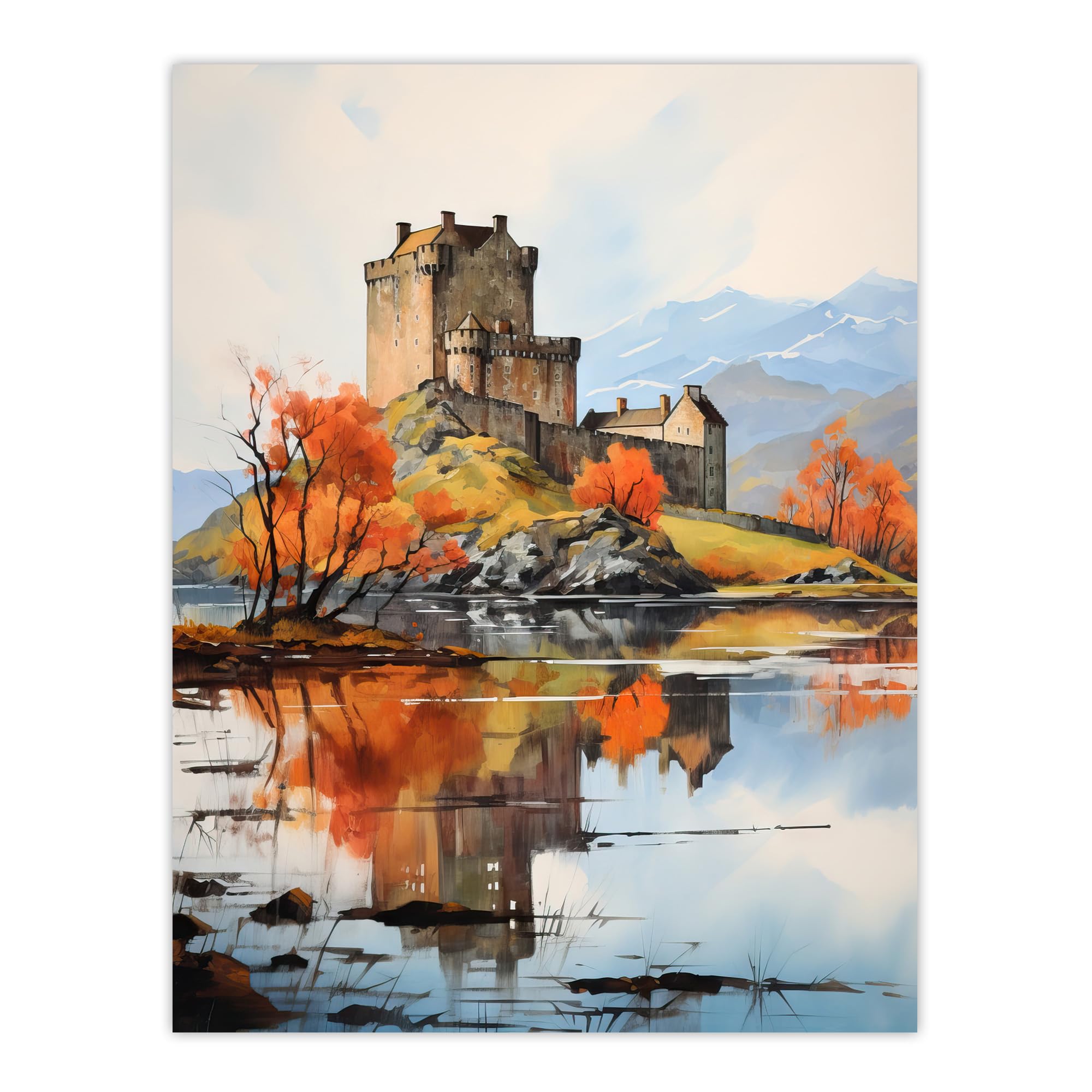
Eilean Donan Castle is Scotland’s most photographed castle, and autumn is when it actually looks its best — the surrounding hills explode in color, and the castle’s reflection in the loch is clearest in calm autumn light. The walk from Dornie village to the castle is short and easy, making it accessible for any fitness level.
For serious hikers, the Kintail ridges above the castle offer high-altitude walks where you’ll hear red deer stags rutting (the autumn mating season) — a visceral wildlife encounter that summer visitors miss entirely. Base yourself in Dornie or the nearby village of Shiel Bridge for overnight access to both the castle and the ridges.
9. Plockton Coastal Haven
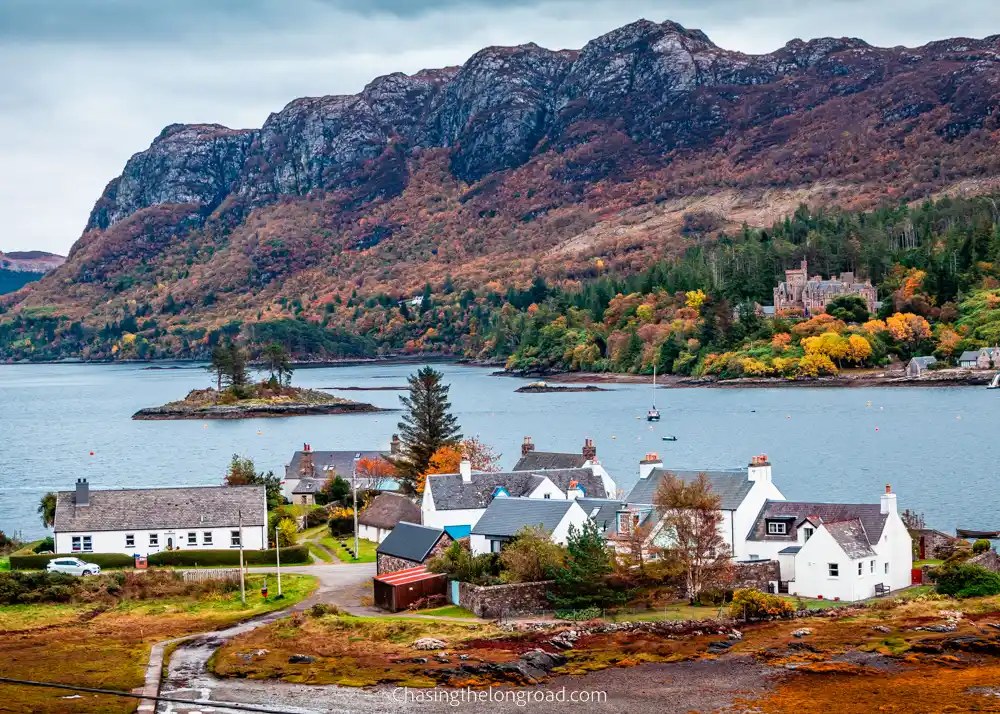
Plockton is a tiny, charming village on the west coast with palm trees (yes, really — the Gulf Stream keeps it mild), colorful houses, and a sheltered bay. It’s the kind of place where you walk the waterfront, eat fresh seafood, and watch the light change over the water.
Autumn brings calm seas and fewer tourists, making it ideal for a quiet overnight stay. The village is small enough to explore on foot, and it’s a natural stop on a road trip between Eilean Donan Castle and Skye.
Stay in one of the village’s small hotels or guesthouses for waterfront access.
10. Edinburgh for an Autumn City Break
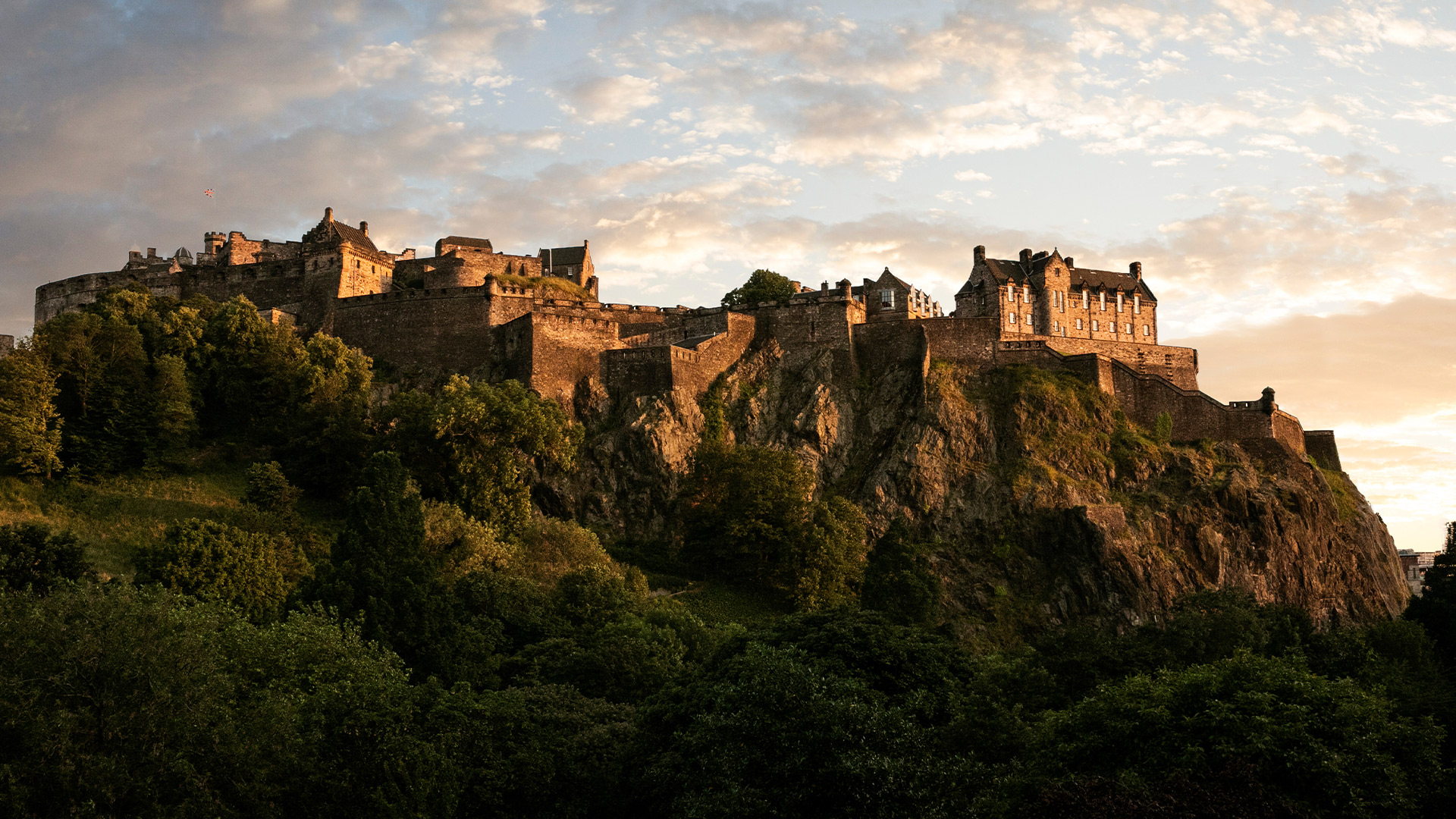
Edinburgh in autumn is a completely different city from the crowded festival hub of August — the capital is still vibrant, but you can actually walk down the Royal Mile without being shoulder-to-shoulder with tourists. The castle, historic Old Town, and Georgian New Town are best explored when you’re not fighting crowds.
Autumn light on the castle at sunset is exceptional. The city’s restaurants, museums, and whisky bars are fully operational, and accommodation prices drop significantly after the festival ends in early September.
Base yourself in the Old Town or New Town for walkable access to attractions and restaurants.
Comparison Overview: Which Destination Fits Your Trip?
| Destination | Best For | Drive Time from Edinburgh | Stay Duration |
|---|---|---|---|
| Perthshire | Forest foliage and easy day trips | 1.5–2 hours | 1–2 nights |
| Cairngorms | High peaks and whisky distilleries | 2–2.5 hours | 2–3 nights |
| Trossachs & Loch Lomond | Accessible wilderness close to cities | 1–1.5 hours | 1–2 nights |
| Glencoe & Rannoch Moor | Dramatic mountain scenery | 2.5–3 hours | 1–2 nights |
| Isle of Skye | Iconic hikes and island landscapes | 5–6 hours (includes ferry) | 2–3 nights |
| Glenfinnan & West Coast | Scenic drives and empty beaches | 3–4 hours | 1 night or day trip |
| Fife Coastal Path | Coastal walks and fishing villages | 45 minutes | 1 night |
| Kintail & Eilean Donan | Castle photography and deer rutting | 4–5 hours | 1–2 nights |
| Plockton | Quiet village charm and seafood | 4.5–5 hours | 1 night |
| Edinburgh | Urban culture and walkable attractions | Base city | 2–3 nights |
How to String These Together: A Sample Road Trip
If you have 7–10 days, the most logical route is: Edinburgh (2 nights) → Perthshire (1 night) → Cairngorms (2 nights) → Glencoe (1 night) → Isle of Skye (2 nights) → return south. This avoids backtracking and keeps driving manageable (no more than 3 hours between stops).
Alternatively, for a shorter 4–5 day trip, stay in Edinburgh and take day trips to Perthshire, Trossachs, and Fife Coastal Path. For a west-coast focus, base yourself in Fort William or Glencoe and explore Glenfinnan, Kintail, and Skye as multi-day excursions.
What to Pack for an Autumn Trip to Scotland?

Scottish autumn weather swings between crisp sunny mornings and sudden rain within hours—which means your packing strategy isn’t about one perfect outfit but about building a system where you can shed or add layers without carrying a suitcase on the trail. Temperatures typically range from 8–14°C (46–57°F), but wind and moisture make it feel colder, and the deeper into November you travel, the sharper the bite gets.
Essential Clothing Layers
Start with a moisture-wicking base layer (merino wool or synthetic, not cotton—cotton holds sweat and chills you fast). Add a mid-weight fleece or wool sweater next, then top it with a windproof and waterproof outer shell jacket.
This three-layer system lets you adjust on the fly: strip the fleece in afternoon sun, add it back when clouds roll in. Bring two pairs of thermal leggings or long underwear so you can rotate them while one dries—damp base layers are misery on a Scottish hillside.
Pack a lightweight wool beanie and a neck gaiter or scarf; you’ll lose heat fast through your head and neck, and wind exposure is relentless in the Highlands and on coastal paths like the Fife Coastal Path. Bring gloves rated for wet conditions (leather soaks through; look for synthetic or wool-blend options).
A long-sleeve thermal shirt under your regular layers adds insulation without bulk. Avoid heavy denim or canvas; they absorb water and never dry.
Stick to wool, synthetic, or quick-dry blends.
For evenings in cosy cabins or boutique hotels, pack one warm sweater or jumper you don’t mind wearing repeatedly—Scottish accommodations lean into the hygge aesthetic, and you’ll want something comfortable for fireside hours. One pair of casual trousers and one pair of jeans work for village cafes and casual dinners; you don’t need formal wear unless you’re planning upscale Edinburgh dining.
Footwear and Outdoor Gear
Waterproof hiking boots are non-negotiable—not optional. Scottish terrain is boggy, muddy, and wet year-round, and autumn rain is frequent and heavy.
Look for boots with good ankle support and aggressive tread; Cairngorms National Park trails and moorland paths will test cheap footwear fast. Bring two pairs of wool hiking socks and rotate them daily; wet feet lead to blisters and hypothermia risk.
Pack one pair of waterproof casual shoes or slip-ons for village walks and accommodation entry—you’ll want to leave muddy boots outside.
A waterproof daypack (20–30 liters) with a rain cover is essential for day hikes; Scottish weather changes in minutes, and you need to carry layers, water, and snacks without everything getting soaked. Bring a compact, lightweight rain jacket separate from your outer shell—sometimes you need just the rain layer without the bulk of your full shell.
Pack a waterproof bag or dry sack for electronics and documents; phone screens fog up in damp conditions, and a waterproof pouch keeps essentials safe.
Gaiters (fabric wraps that cover the gap between boot and pant leg) are worth the small pack space—they stop mud and water from pouring into your boots on wet moorland. A lightweight, packable down or synthetic insulated jacket adds warmth without weight and compresses small enough to fit in a daypack.
Bring a small umbrella or consider a rain hat with a brim instead; umbrellas are useless in Scottish wind, but a hat keeps rain off your face and lets you see the landscape.
For coastal areas and exposed ridges, windproof gloves beat regular wool ones—wind chill on Isle of Skye or Glencoe can make 10°C feel like freezing. Pack one pair of lighter gloves for milder days and one insulated pair for higher elevations or late-October travel.
Bring a small first-aid kit, sunscreen (autumn sun reflects off water and snow at higher elevations), and lip balm with SPF—wind and sun exposure cause chapping fast.
Where Should You Stay in Scotland During Autumn?
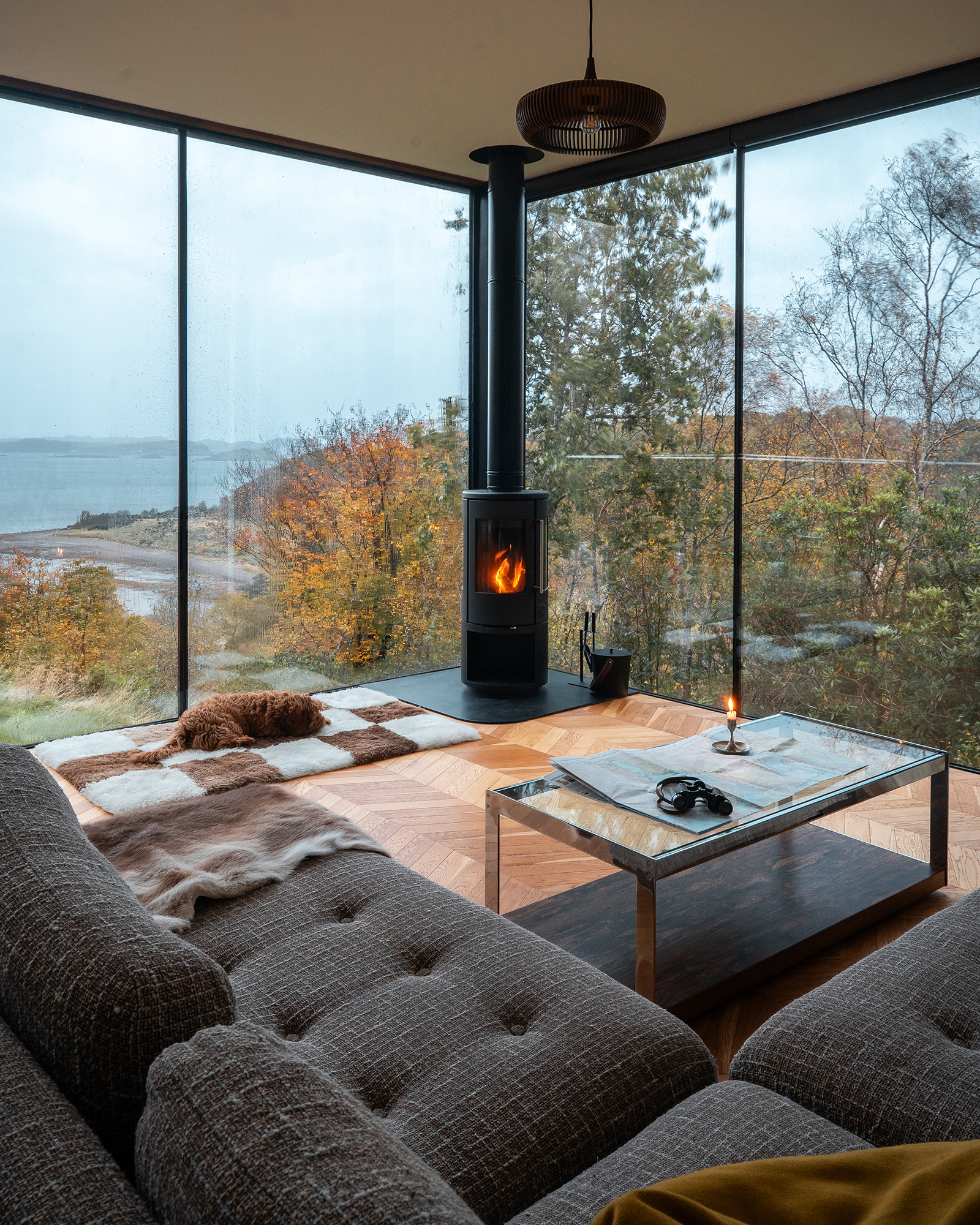
Autumn lodging in Scotland means choosing between staying put in a base town for easy access to multiple regions, or moving nightly to follow the foliage and light. The best move depends on whether you’re road-tripping or settling in—but either way, expect rates 30–50% lower than summer, with availability still strong through October and tightening in November as winter bookings begin.
Cozy Cabins and Boutique Hotels
Autumn in Scotland demands a fireplace, a roll-top tub, and a view that doesn’t require leaving your room. Boutique Scottish hotels and countryside cabins dominate autumn stays because they deliver exactly what the season demands: warmth, character, and the kind of light that makes morning coffee worth sitting up for.
Skip chain hotels entirely—they miss the point of traveling here in fall.
Base yourself in one of these towns for easy access to multiple regions without daily packing:
- Portree, Isle of Skye: The island’s main hub puts you within reach of the Fairy Pools, Old Man of Storr, and Trotternish Ridge without the tourist crush of summer. Boutique hotels here serve local produce and offer genuine Highland hospitality. Stay 2–3 nights to justify the ferry crossing and explore Skye’s autumn drama properly.
- Pitlochry, Perthshire: The gateway to “Big Tree Country” and the Cairngorms, Pitlochry is walkable, has reliable restaurant options, and sits on the main road north—ideal if you’re splitting time between the Lowlands and Highlands. Book a cottage with a fireplace here and use it as your base for day trips into Rannoch Moor and Glencoe.
- Callander, Trossachs & Loch Lomond: Closer to Glasgow and Edinburgh, Callander works for travelers who want mountain scenery without the drive time. The town itself is quieter than Portree but still has good lodging and restaurant options. From here, you can reach Loch Lomond, Ben A’an, and the Trossachs National Park in under 30 minutes.
- Fort William or Glencoe: Choose Fort William if you want town amenities and a base for Cairngorms access; choose Glencoe village if you want to wake up inside the drama. Glencoe is smaller and more atmospheric but has fewer dining options—plan accordingly.
For cabin-specific stays, look for properties with wood stoves, underfloor heating, and covered porches—these details matter when October rain arrives at 3 p.m. and you’re still out hiking. The insider move: book cabins with hot tubs on the property; they’re only marginally more expensive than standard cottages but transform a rainy evening into the trip’s best memory.
Best Booking Platforms for Unique Scottish Stays
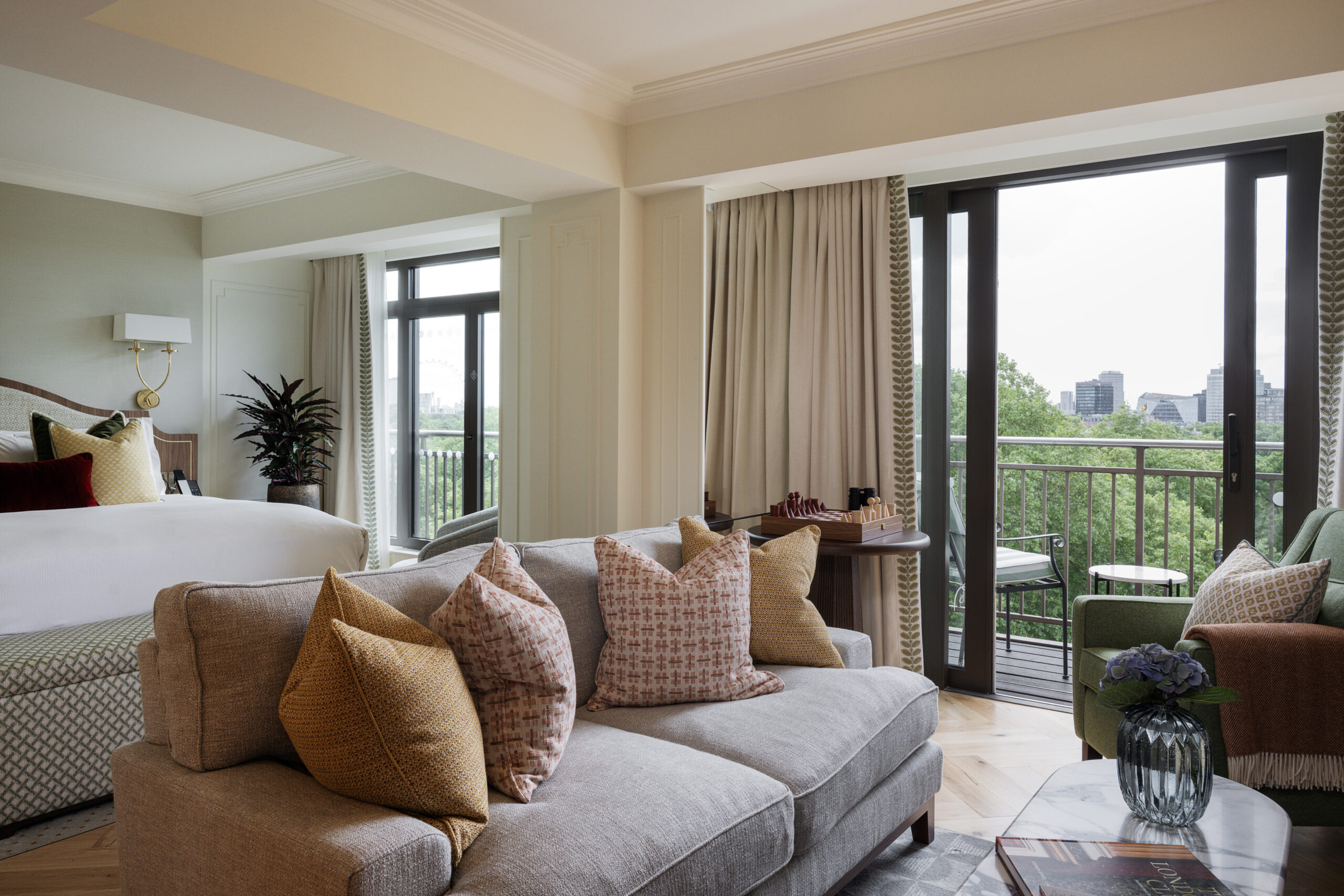
Generic hotel booking sites bury Scotland’s best autumn properties under mass-market noise. Use these platforms instead to find the specific cabins, lodges, and boutique hotels that actually deliver on the “cozy Scottish autumn” fantasy:
- Kip Hideaways (kiphideaways.com): Specializes in off-grid and semi-remote cabins across Scotland with fireplaces and countryside isolation. Best for travelers who want to disappear completely. Expect to pay a premium for genuinely unique properties, but availability remains strong into November because the platform attracts fewer casual bookers.
- Seasgair Lodges (seasgairlodges.com): Focuses on Scottish lodges and cottages with authentic Highland character. Their properties lean toward families and groups, but solo travelers and couples find excellent value here. Filter by “fireplace” and “autumn availability”—don’t assume summer-only pricing.
- Chic Hotels Scotland (chicscotland.com): Curates boutique hotels and small inns across Scotland with design-forward interiors and local restaurant partnerships. Use this for town-based stays in Portree, Pitlochry, and Edinburgh when you want walkable access to food and attractions without sacrificing character.
- Coolstays Scotland (coolstays.com/scotland): Aggregates independent cabins, cottages, and small hotels across regions. The search filters are strong—use “autumn” and “fireplace” to cut through noise. Booking windows are typically 60–90 days out, so plan accordingly.
Booking strategy: Reserve accommodations 6–8 weeks ahead for September and early October, when availability is highest and prices haven’t yet spiked for half-term school holidays (late October in Scotland). November stays book later but also fill faster—don’t wait past mid-September if you’re targeting late autumn.
Always confirm heating systems and fireplace functionality before booking; some “cozy cabins” are poorly insulated and rely on electric heat, which defeats the purpose.
One critical detail most platforms don’t highlight: ask the property directly whether they provide extra blankets, hot water bottles, and robes. Autumn nights are cool, and these small luxuries separate a genuinely comfortable stay from a shivering one.
Properties that volunteer this information upfront are usually well-maintained overall.
Frequently Asked Questions
When exactly is autumn in Scotland?
Autumn runs from the September equinox through the December solstice, but Scotland’s true autumn months are September, October, and November. September still carries summer warmth and longer daylight—ideal for hiking and outdoor photography.
October is peak color season and the sweet spot for most travelers. November brings shorter days, colder temperatures, and the first real chance of snow in the Highlands, but also the quietest crowds and lowest accommodation prices.
When is the peak time to see fall colors in Scotland?
October is your window for the most vibrant reds, golds, and burnt oranges across Perthshire, the Cairngorms, and Glencoe. The exact peak shifts by a week or two depending on elevation and location—higher mountains turn earlier than lowlands.
If you’re chasing color specifically, book mid-to-late October and confirm with local tourism boards closer to your travel dates, since timing varies year to year based on temperature and rainfall.
Is autumn in Scotland too cold?
No. Autumn in Scotland is genuinely milder than the same months in continental Europe. September averages around 55–59°F (13–15°C), October around 48–52°F (9–11°C), and November around 41–46°F (5–8°C).
You’ll need layers and a waterproof jacket, but you won’t need heavy winter gear until late November. Compare this to Austria or Germany at the same time—you can walk around a Christmas market in a knitted jumper rather than five layers of padded jackets.
The real threat is wind and rain, not freezing temperatures.
Are there midges in Scotland during autumn?
Midges peak in July and August, then decline sharply through September and are largely gone by October. Autumn is actually one of the best seasons to escape them.
A light insect repellent is still useful in early September, but by mid-autumn, midges are no longer a planning factor.
Can you see the Northern Lights in Scotland in autumn?
Spotting the Northern Lights in Scotland requires perfect conditions all at once: cold, crisp air; completely clear skies; a dim moon; and zero light pollution from nearby cities. These conditions rarely align, making Scotland a harder bet than destinations further north.
Your best chance is the north coast or the Orkney Islands in late autumn and winter when nights are longest, but success is never guaranteed. Treat it as a bonus if it happens, not a primary reason to visit.
Book Your Autumn Scotland Trip Now
Reserve accommodations 6–8 weeks ahead for September and early October, when availability peaks and prices haven’t spiked for school holidays. If you’re targeting November, don’t wait past mid-September—late autumn books fast despite lower prices.
Scottish autumn delivers what summer crowds destroy: solitude, light, and the kind of landscape that makes you understand why people move here permanently. You’ll photograph Eilean Donan Castle without waiting for strangers to move, hike the Quiraing in actual quiet, and sit by a fireplace in a £100-per-night hotel that would cost £250 in July.
Start by picking one region from the ten destinations above—Perthshire if you want easy foliage access, Skye if you want iconic hikes, Cairngorms if you want elevation and whisky—then book your base hotel and plan day trips from there. You don’t need a complex itinerary; you need a fireplace, good boots, and the confidence to drive into Scottish weather knowing the light will reward you.
Leave a Reply