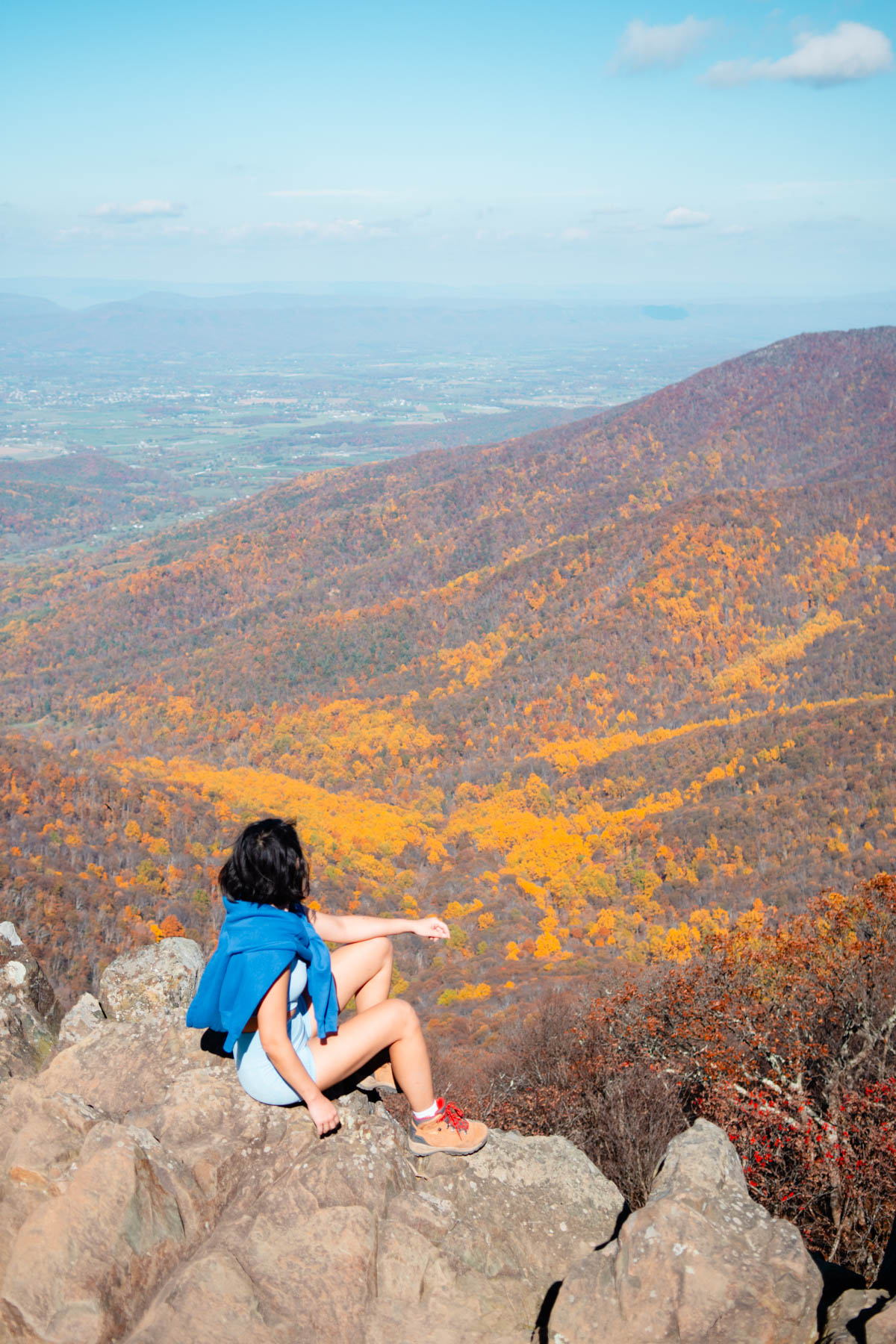
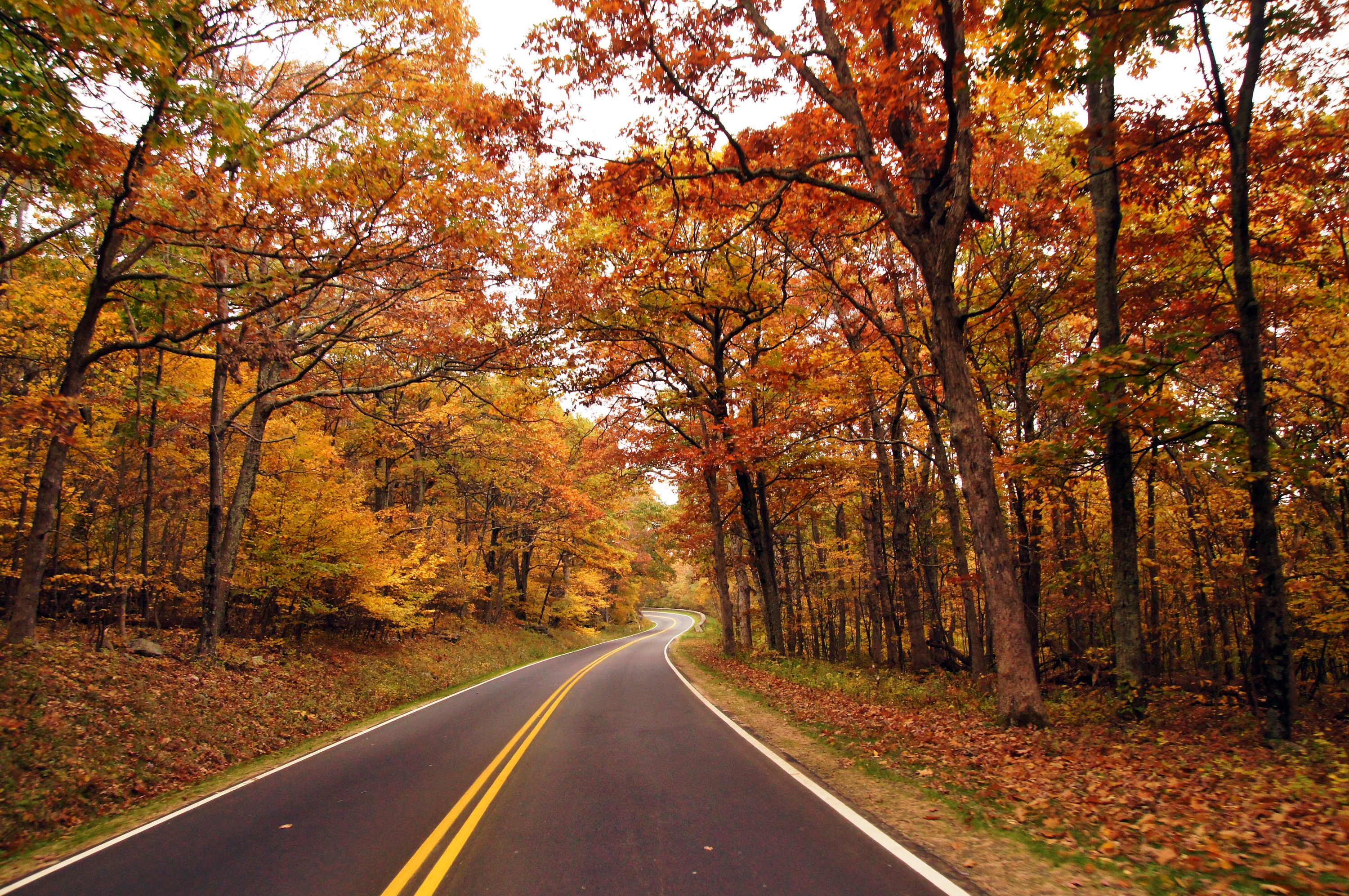
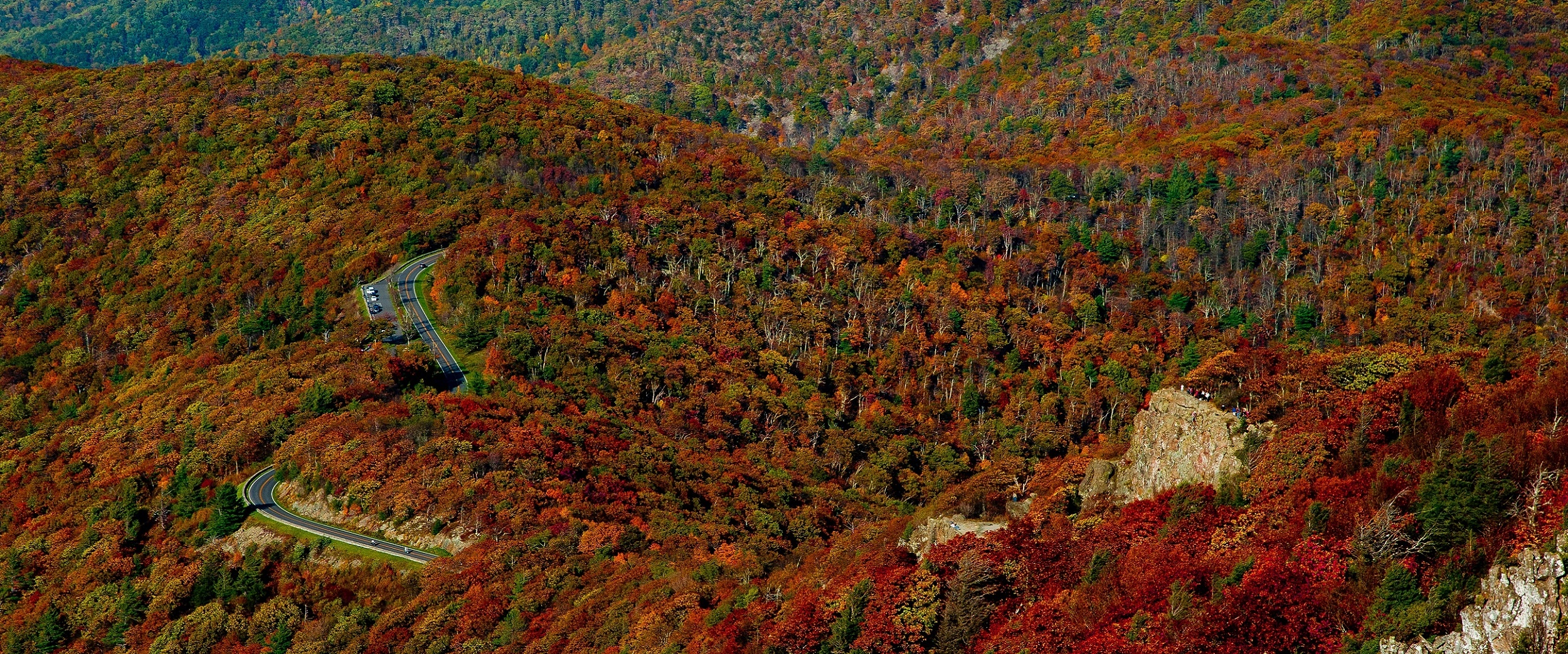
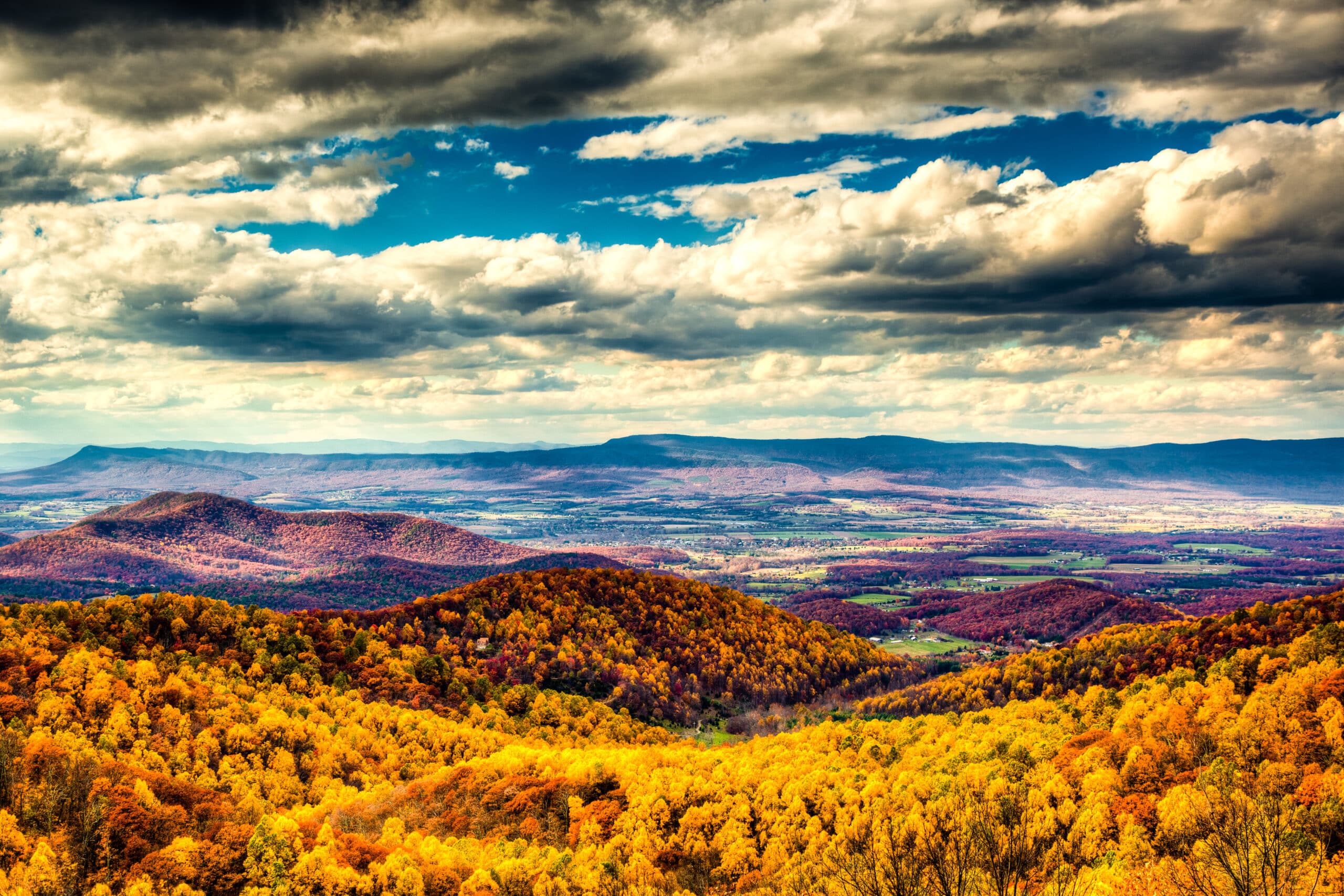
The moment you crest Thornton Gap and hit Skyline Drive in mid-October, the entire Shenandoah Valley unfolds in reds, golds, and burnt oranges that stop you mid-breath—this is the view that justifies every leaf-peeping cliché you’ve ever heard. The valley’s staggered elevation zones mean peak color doesn’t happen all at once; instead, higher ridges turn brilliant first while lower valleys follow days or weeks later, giving you a moving target that rewards flexibility over rigid calendar planning.
What makes Shenandoah different from other fall foliage destinations is this elevation advantage: you’re not chasing color across a flat landscape, you’re watching it cascade down mountainsides in waves, which means a single drive up Skyline Drive captures multiple color stages simultaneously. This guide cuts through the confusion and tells you exactly when to book, which entrance to use from DC, where to hike without fighting crowds, and how to actually see peak color instead of arriving a week too early or too late.
Budget-wise, you’re looking at roughly $30 for park entry, $100–$200 for a night’s lodging in a nearby town (budget cabin) to $300+ for a boutique retreat, and meals running $15–$40 per person depending on whether you’re eating at a casual diner or a farm-to-table restaurant.
Your Quick-Reference Fall Foliage Plan
- Best timing: Mid-October through early November, with peak color typically hitting mid-to-late October across all elevation zones simultaneously.
- Best entrance from DC: Thornton Gap (90 minutes to 2 hours), which puts you directly in the heart of peak color zones without wasted driving through lower elevations.
- Must-do scenic spots: Skyline Drive for panoramic views, Big Meadows for expansive landscape photography, Massanutten Mountain for solitude without crowds.
- Top hikes: Old Rag Mountain (9 miles, most iconic), Dark Hollow Falls (7 miles, waterfall payoff), Hawksbill Summit (shorter alternative to Old Rag).
- Gateway towns: Winchester (Old Town shopping + Apple Trail), Harrisonburg (Farmers Market + Arboretum), Luray (caverns backup option).
- Real-time tracking is essential: Subscribe to Virginia is for Lovers’ weekly foliage reports and NPS updates starting mid-September—foliage timing shifts 1–2 weeks annually based on summer weather.
When Is the Best Time to Visit Shenandoah Valley for Fall Foliage?
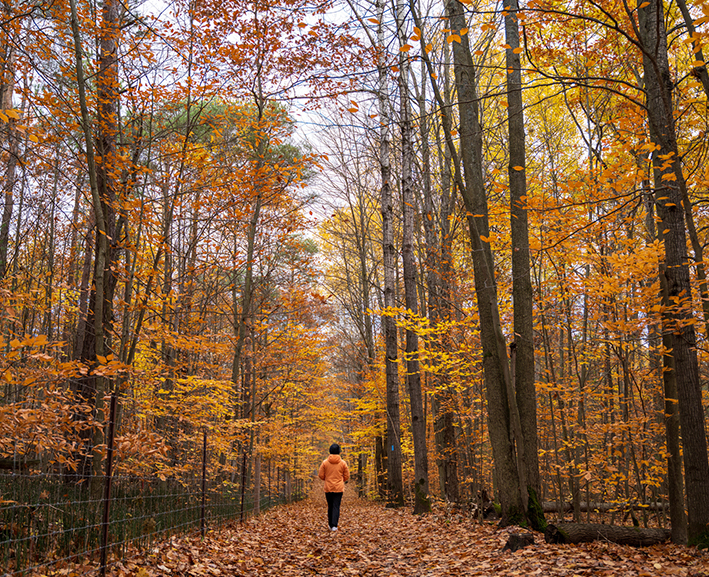
Mid-October is when the Shenandoah Valley’s elevation zones align to deliver peak color simultaneously—higher elevations along Skyline Drive turn earlier in the season, while lower valleys follow days or weeks later, but mid-October typically catches both in their prime. The exact timing shifts each year based on summer heat and early-fall rainfall, so relying on real-time foliage reports rather than a fixed calendar is the only way to nail your visit.
Mid-October to Early November Peak
Peak foliage typically occurs from mid-October to early November, though the window narrows each year. Mid to late October delivers the most vibrant, consistent color across the entire valley—this is when you’ll see reds, oranges, and golds all at once rather than scattered patches.
Monitor the Virginia Department of Forestry’s fall foliage reports and the NPS Fall Color Report (which resumed in 2024 after a gap) for weekly updates starting in September. The Smoky Mountains Fall Foliage Prediction map and Virginia is for Lovers’ weekly email reports also track color progression in real time, so you can adjust your travel dates within a 2–3 week window rather than booking months ahead and hoping.
Early Fall Mild Temperatures
September through early October brings daytime highs of 65°F to 75°F—comfortable for all-day hiking and driving without heavy layers. This window works best if you prioritize comfort over peak color intensity.
Early-fall foliage is patchy and still mostly green, so choose this timing only if you’re flexible on color saturation and want to avoid crowds and cooler nights. Nights drop to 45°F to 55°F, so a light jacket is enough.
Mid-Fall Cooling Conditions
Mid-October through early November sees daytime temperatures drop to 50°F to 60°F, with nights falling to 30°F to 40°F. This is the sweet spot—cool enough to trigger peak color, warm enough for comfortable hiking and scenic driving without heavy winter gear.
Higher elevations like Big Meadows run 5°F to 10°F cooler than the valleys, so plan layers. This is when the valley fills with leaf-peepers, so expect crowded Skyline Drive pullouts and full parking lots at trailheads on weekends; weekday visits are significantly quieter.
Late Fall Crisp Air and Fewer Crowds
Late November brings daytime highs of 40°F to 50°F and freezing nights, with color fading as leaves drop. Crowds thin dramatically, and the landscape shifts from vibrant foliage to bare branches and brown ground cover.
Choose this window only if solitude matters more than color—you’ll have trails and overlooks nearly to yourself, but you’re trading peak visual impact for peace. Pack a heavy jacket and expect some trails to be muddy or icy at higher elevations.
Real-time tracking is non-negotiable: Subscribe to Virginia is for Lovers’ weekly foliage email reports, check the NPS Weekly Broadcasts (resuming mid-September each year), and follow @ShenandoahNPS on Instagram for updates posted in real time. These reports shift the peak window by a week or more depending on summer weather, so a calendar date alone will cost you a trip.
How to Drive to Skyline Drive from Washington DC
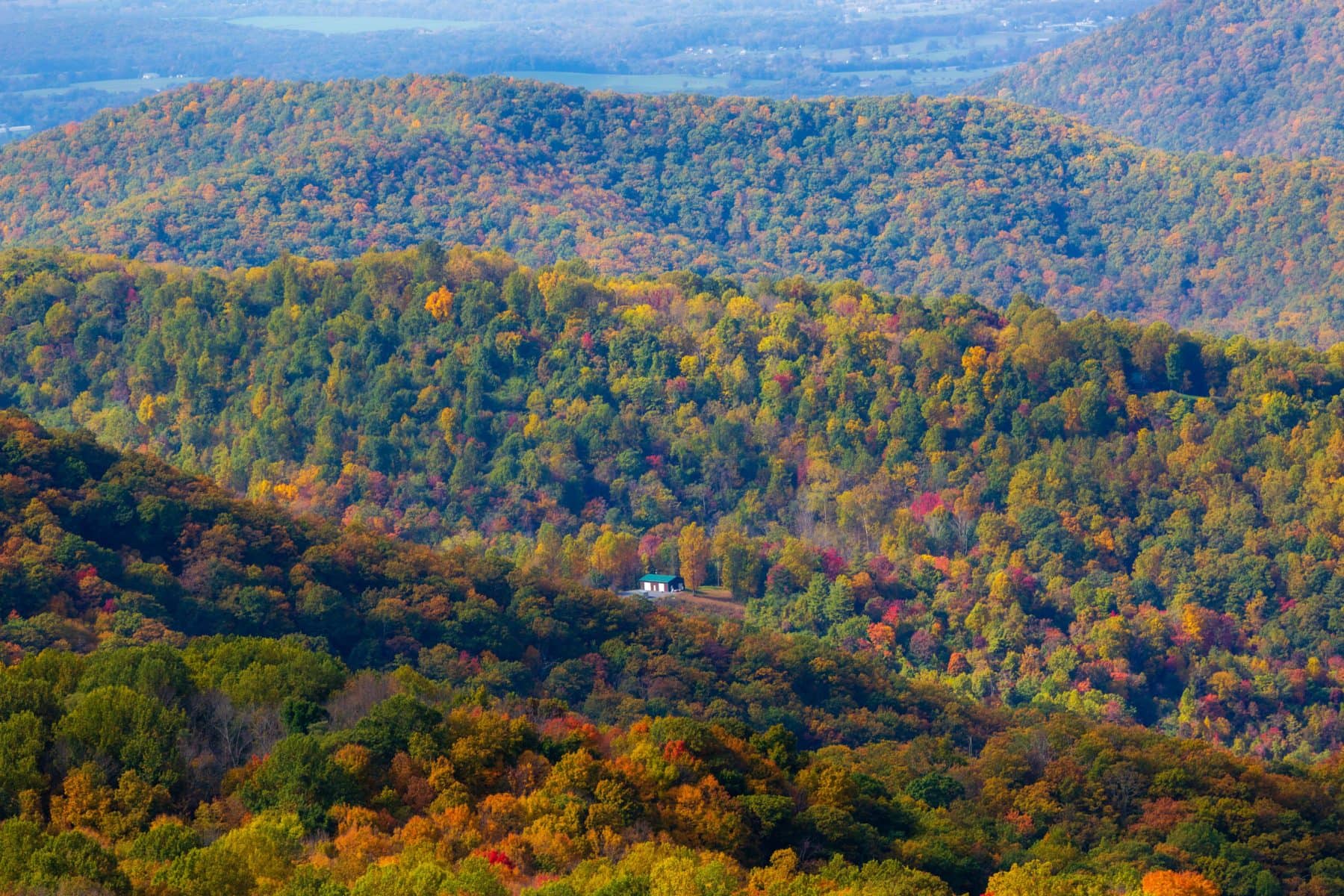
Thornton Gap Entrance is the fastest and most direct route from Washington DC, cutting your drive time nearly in half compared to southern entrances. This northern gateway sits closest to the capital and puts you immediately on the 105-mile scenic spine of Skyline Drive without backtracking through the valley floor.
Thornton Gap Entrance Recommendation
Thornton Gap (mile marker 31.5) wins for DC-based travelers because it’s the shortest push from the metro area and delivers you straight into the park’s most dramatic foliage zones. The entrance sits near the park’s middle section, giving you instant access to Big Meadows and the northern high-elevation overlooks where colors peak earliest.
If you’re doing a day trip from DC, this entrance eliminates wasted driving time on local roads.
Take I-66 West from DC toward Front Royal, then follow US-29 South and VA-231 to reach the entrance. The route is straightforward highway driving with no confusing backroads—critical when you’re chasing peak color and daylight.
90-Minute to 3-Hour Drive Times
From central Washington DC to Thornton Gap typically takes 90 minutes to 2 hours under normal traffic conditions. Add 30 minutes if you’re leaving during Friday afternoon rush or hitting weekend traffic heading west.
Early morning departures (before 7 a.m.) cut drive time closer to 90 minutes; afternoon starts often stretch toward 2.5 hours.
Plan for gas and a bathroom stop if you’re making this a full-day foliage run—the drive is manageable but not short enough to skip a break. Once inside the park, allow 3–4 hours minimum to drive the entire Skyline Drive if you’re stopping at overlooks; most visitors spend 5–6 hours for a proper fall color experience.
Four Park Entrances Overview
Shenandoah National Park has four main entrances, each serving different starting points and trip lengths. Choose based on where you’re coming from and which section of Skyline Drive you want to prioritize.
| Entrance | Best For | Drive Time from DC | Key Access |
|---|---|---|---|
| Thornton Gap (North-Central) | DC day trips; mid-park foliage zones | 90 min–2 hrs | Big Meadows, high-elevation overlooks |
| Front Royal (North) | Northern Skyline Drive; Appalachian Trail access | 75–90 min | Limberlost Trail, Dicey Ridge overlooks |
| Swift Run Gap (South-Central) | Southern foliage zones; less crowded | 2–2.5 hrs | Jones Run Falls, Doyles River Falls |
| Rockfish Gap (South) | Blue Ridge Parkway connection; extended trips | 2.5–3 hrs | Humpback Rocks, southern trails |
Insider detail: Front Royal entrance is technically closer to DC (75–90 minutes), but Thornton Gap is the smarter choice for foliage because it puts you in the heart of peak color zones immediately—you won’t waste time driving through lower elevations that turn color later. If you’re staying overnight in the Shenandoah Valley area, Front Royal offers easier access to the town’s restaurants and lodging, but for a pure foliage day trip, Thornton Gap is the move.
Confirm current road conditions and any seasonal closures on the National Park Service website before departing, especially in late fall when weather can shift quickly at higher elevations.
How Much Does It Cost to Visit Shenandoah National Park for Fall Foliage?
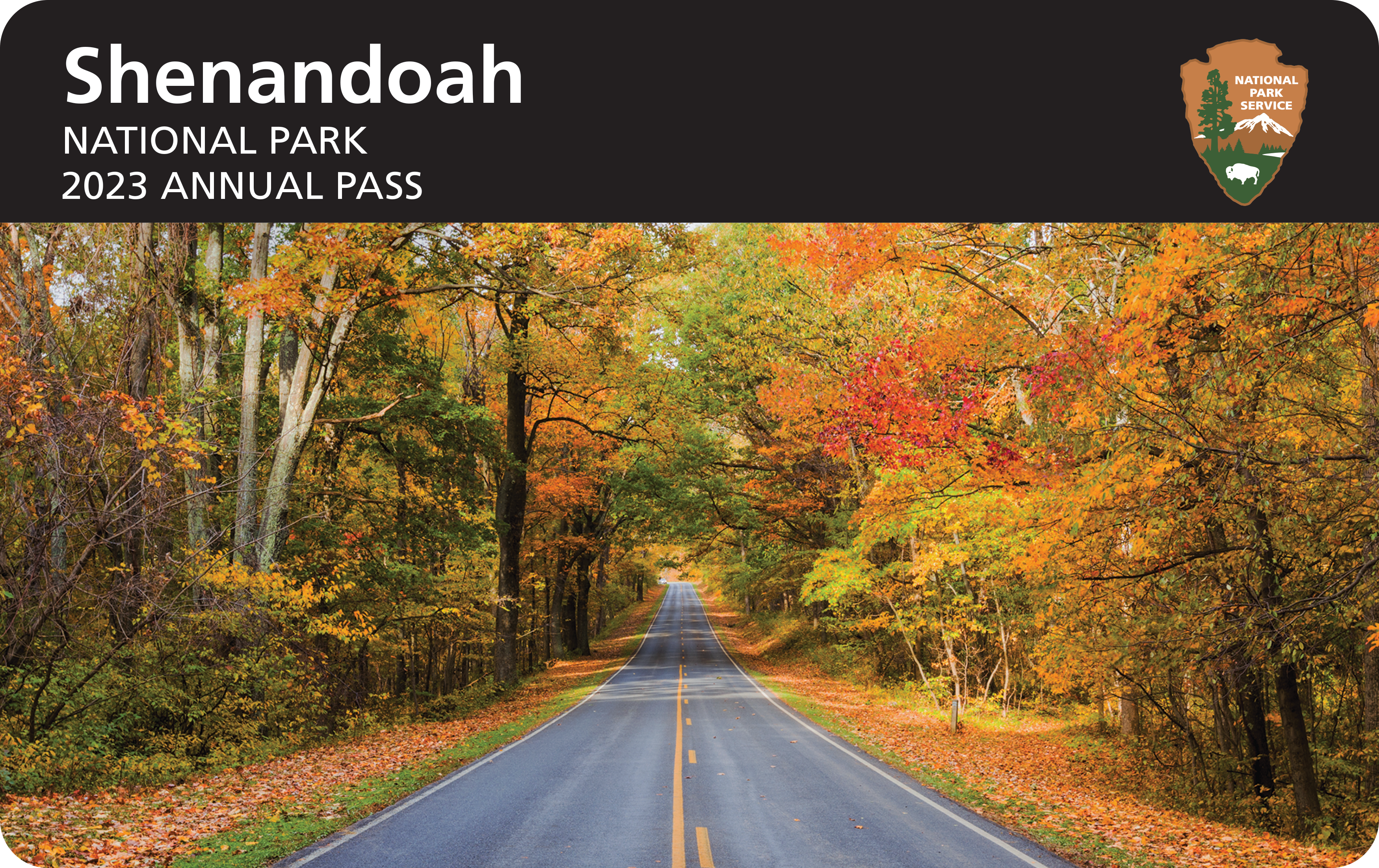
Entry to Shenandoah National Park is cheap enough that the real cost decision is whether to buy a single-visit pass or commit to an annual one—and that math flips fast if you’re planning a second trip within 12 months.
Standard Per-Vehicle and Per-Person Fees
A single vehicle pass costs $30 and covers up to four passengers for seven consecutive days. If you’re traveling solo or with a motorcycle, expect to pay $25.
Individual pedestrians or cyclists pay $15 each. These fees grant unlimited access to Skyline Drive and all park facilities during your visit window, making them reasonable for a full day of scenic driving and hiking.
Annual Pass Options
The Shenandoah Annual Pass ($55) covers unlimited vehicle entry for a full year and includes up to four passengers per visit. This pass pays for itself after just two visits, making it the obvious choice if you’re planning to return in fall or any other season.
If you’re a national parks collector, the America the Beautiful Pass ($80) covers entry to all 423 U.S. national parks for 12 months—a better value if you’re hitting more than one park system this year.
Free Entry Days
Shenandoah National Park participates in the National Park Service’s fee-free entrance days throughout the year. These typically occur on select weekends and federal holidays, though dates vary annually.
Check the official National Parks website before your trip to confirm if your visit falls on a free-entry day—peak fall foliage weekends occasionally align with these dates, which means significantly higher crowds but zero entrance cost.
Insider tip: Purchase your pass online at the National Parks website before arriving. This skips the entrance station line entirely and guarantees you have the right pass type loaded and ready, which saves 10–15 minutes on busy fall weekends when lines back up to the road.
Best Scenic Spots for Shenandoah Valley Fall Foliage
Skyline Drive’s 105-mile stretch delivers the most consistent, jaw-dropping panoramic views of fall color in the region—and you don’t have to leave your car to see them. This is the move if you want maximum scenery with minimal effort, though the trade-off is crowds during peak foliage weekends in mid-October through early November.
Skyline Drive Panoramic Views
Skyline Drive wins for pure visual impact. The road climbs through elevations that shift color at different times—higher elevations turn earlier in the season, while lower valleys follow weeks later.
This staggered timing means you can chase peak color by adjusting which section of the drive you prioritize.
- Best for: Photographers, couples, anyone short on time or hiking ability.
- Timing advantage: Higher elevations show color first; lower sections peak later—use this to extend your viewing window across the season.
- Insider tip: Arrive before 9 a.m. on weekends to secure overlook parking; midday traffic clogs the drive, especially mid-October through early November.
- Wildlife bonus: Dawn and dusk along Skyline Drive offer the best chances to spot white-tailed deer, wild turkeys, and migratory hawks against the colored backdrop.
Big Meadows Open Spaces
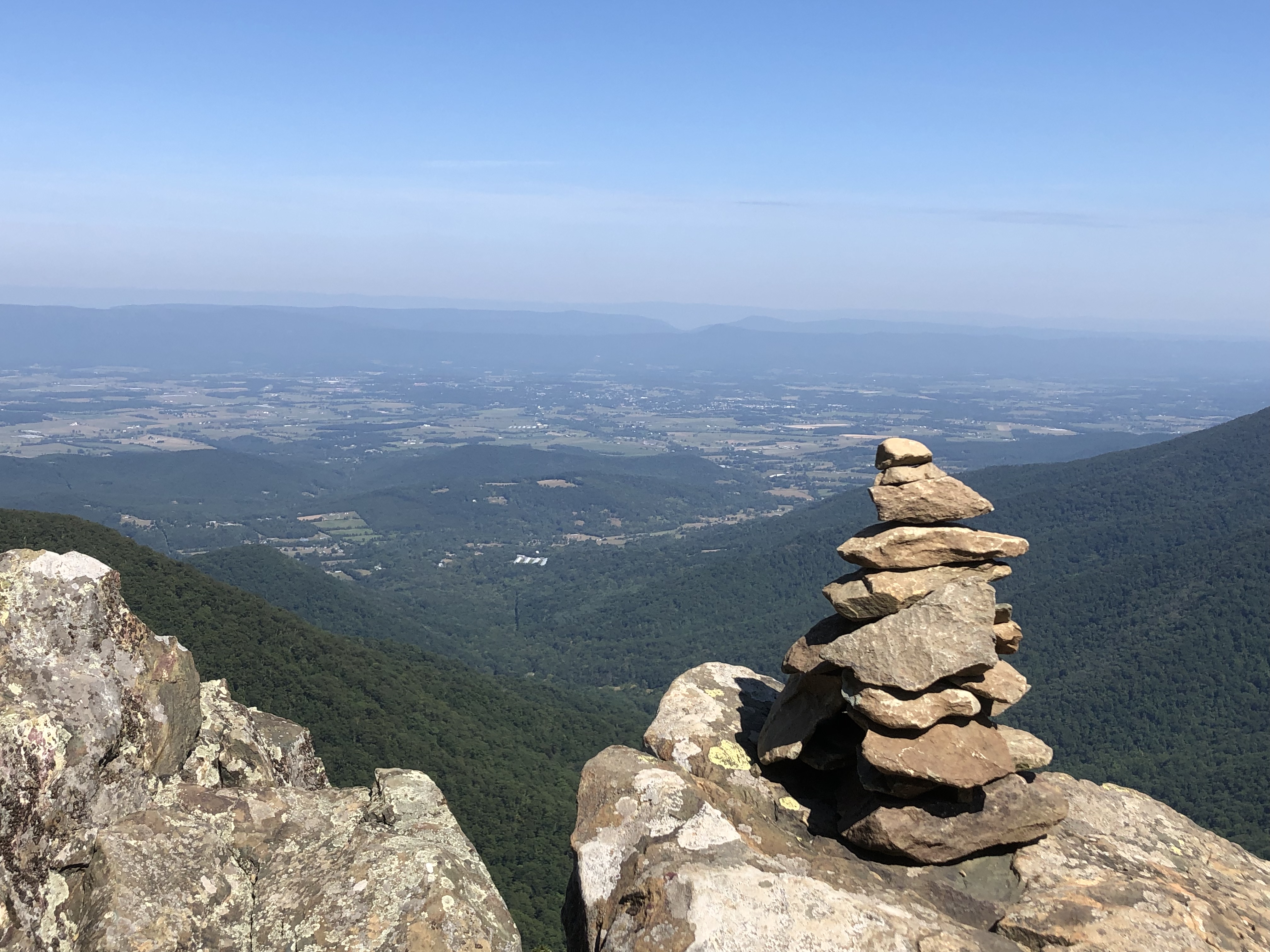
Big Meadows delivers what Skyline Drive overlooks cannot—expansive, unobstructed open space where fall foliage frames the entire landscape instead of just framing the view. The meadow’s openness makes it ideal for photographers seeking wide-angle shots and for anyone who wants to step out and breathe in the season without dense forest closing in.
- Best for: Photographers wanting landscape-scale compositions, families wanting a gentle walk with big views, wildlife watchers with binoculars.
- Why it stands out: The open meadow lets you see color across entire ridgelines and valleys at once, not just from a single overlook.
- Insider tip: Visit at dawn or dusk when light is softest and wildlife activity peaks—you’ll see more deer and migratory birds than midday visitors.
Massanutten Mountain Viewpoints
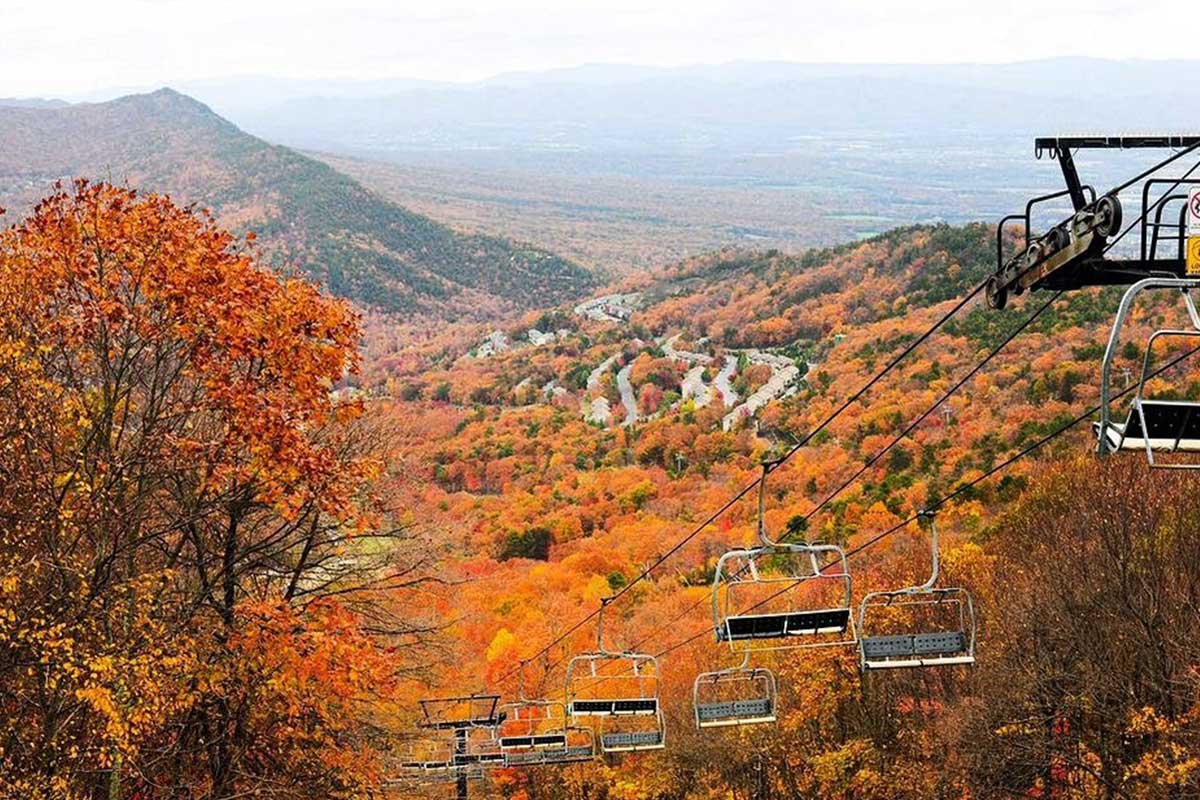
Massanutten Mountain, near Harrisonburg, offers quieter viewpoints than Skyline Drive and Big Meadows—fewer crowds means easier parking, more breathing room, and a genuine sense of solitude during peak foliage season. This is the pick if you want photography-worthy views without the October weekend traffic jam.
- Best for: Photographers prioritizing light and composition over crowds, quiet appreciation seekers, anyone avoiding the Skyline Drive crush.
- Location advantage: Near Harrisonburg, making it a natural stop if you’re basing yourself in the central Shenandoah Valley or combining it with a Blue Ridge Parkway drive.
- Trade-off: Less developed infrastructure than Skyline Drive—fewer amenities, but that’s exactly why it stays peaceful.
Quick comparison: Skyline Drive wins for accessibility and consistent views; Big Meadows wins for expansive landscape photography; Massanutten Mountain wins for solitude and avoiding crowds. Choose based on whether you prioritize ease of access, photographic scope, or peaceful viewing.
Top Hiking Trails in Shenandoah Valley During Fall
Fall hiking in Shenandoah rewards early risers and weekday visitors—Old Rag Mountain and Dark Hollow Falls draw crowds by mid-morning, so arrive before 8 a.m. if you want solitude and the best light for photography. The park’s 101 miles of maintained trails range from easy riverside walks to steep ridge scrambles, so pick based on your fitness level and how much elevation gain you’re willing to trade for views.
Waterproof hiking boots matter here: several trails cross wet areas and creek beds, especially after autumn rain. Layer aggressively—mornings are crisp, but midday sun on exposed ridges warms fast.
Base yourself in a nearby lodge or cabin if you’re planning multiple hikes across different days. This saves you from driving the full Skyline Drive twice and lets you tackle trailheads at first light without a 90-minute commute from Washington DC.
Old Rag Mountain
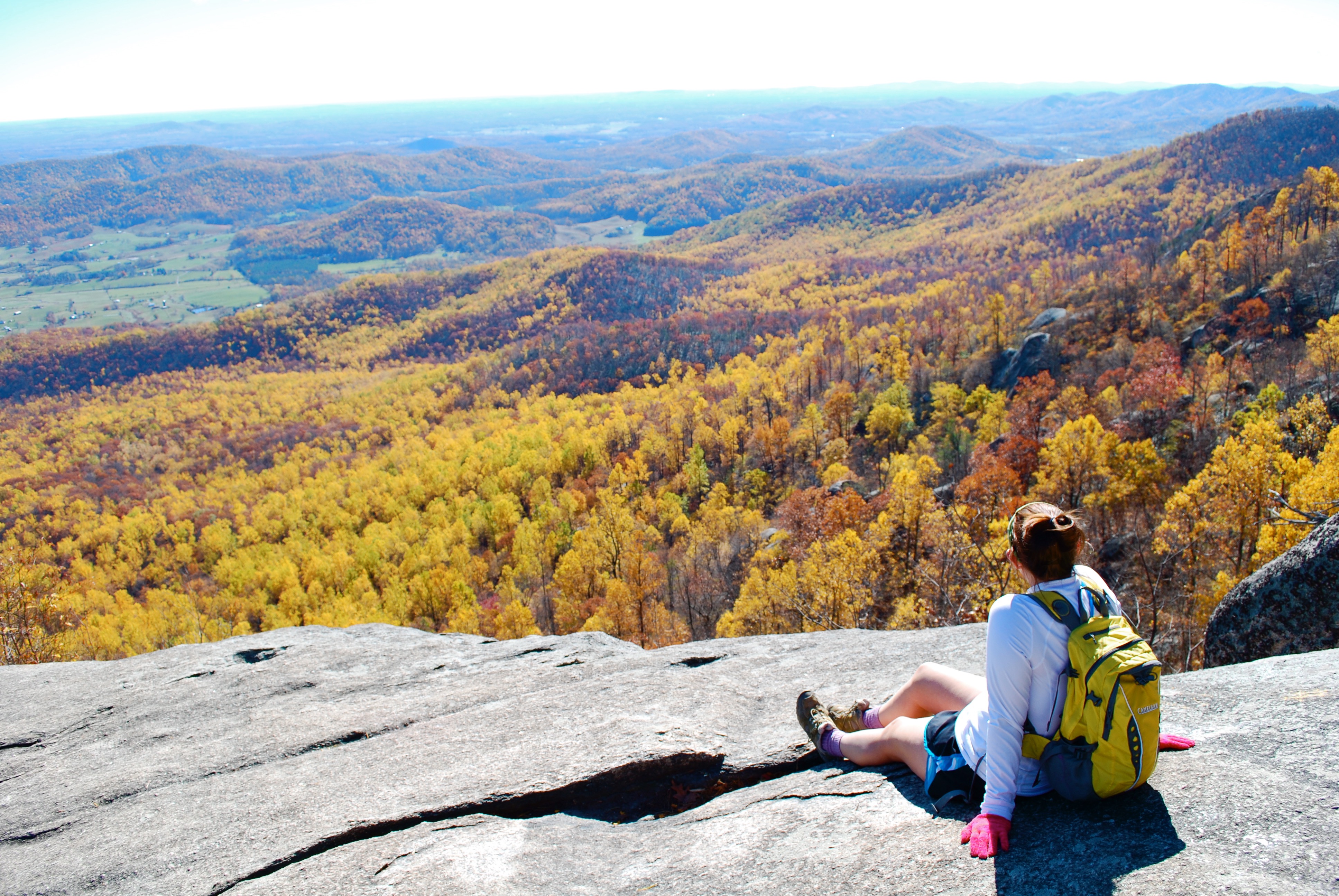
This is the most iconic hike in Shenandoah and also the most crowded—but the reputation is earned. The 9-mile loop combines challenging scrambling terrain with 360-degree views of the valley painted in reds, golds, and oranges.
The final push to the summit involves rock climbing (nothing technical, but exposed), so it’s not a casual stroll. The payoff is sweeping fall skylines that justify the effort and the crowds.
Expect to share the trail with dozens of other hikers, especially on weekends. Weekday mornings in mid-October offer the best balance of peak color and fewer people.
Dark Hollow Falls Trail
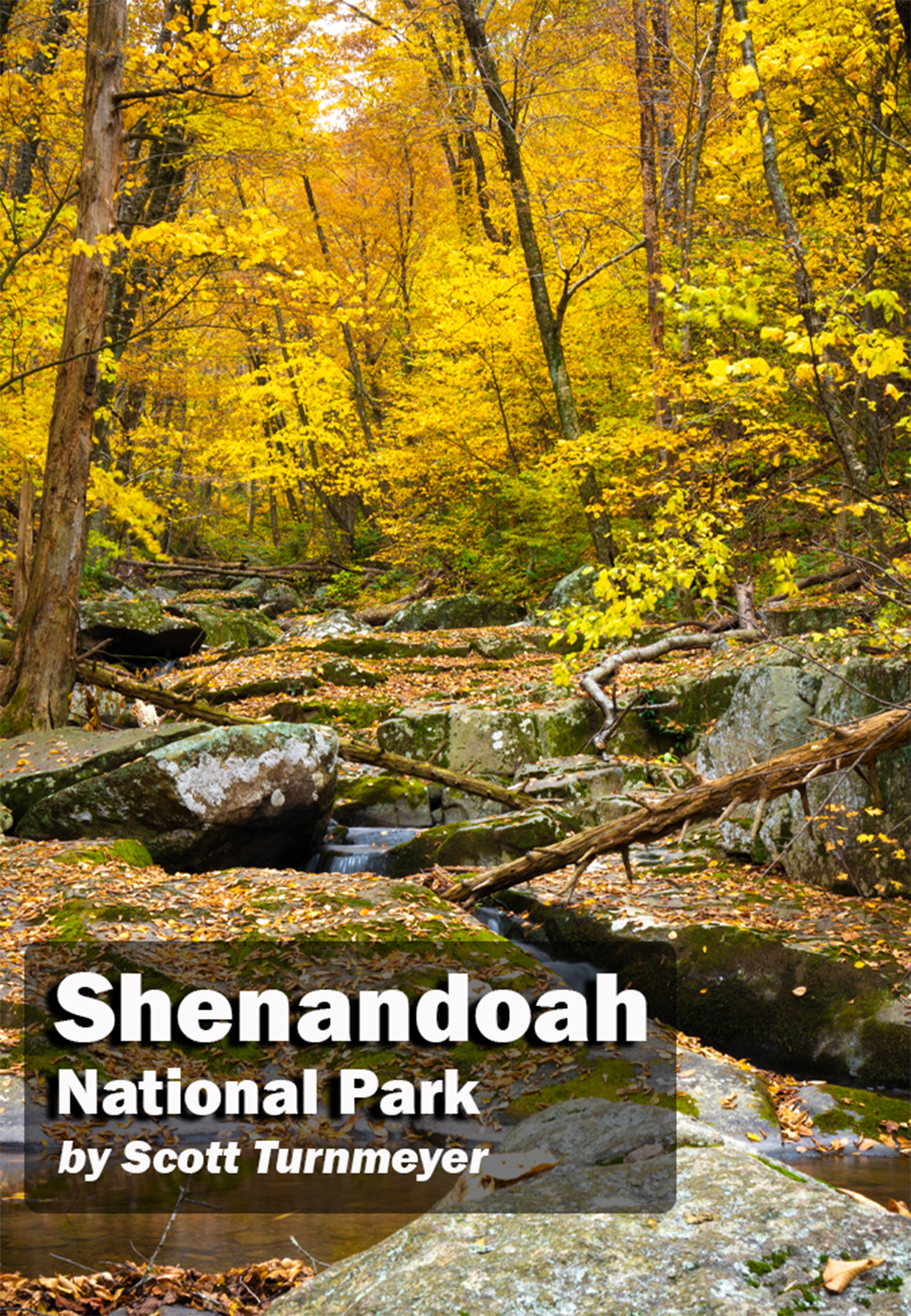
This 70-mile round-trip waterfall hike is the move for anyone wanting a shorter, less brutal option that still delivers drama. A picturesque waterfall framed by autumn-colored trees is the payoff, and the damp areas along the trail mean moss and ferns stay vivid green against the golden foliage overhead.
The trail is moderate and well-maintained, making it accessible for families and less experienced hikers. Go on a weekday morning to avoid the midday crush.
Hawksbill Summit

Hawksbill is Shenandoah’s highest point, and the views justify the climb. The trail is shorter and less crowded than Old Rag, making it a smarter choice if you want peak-season color without fighting for space on the rocks.
Sweeping views of the valleys and mountains in full fall dress reward the effort, and the exposed summit catches wind—bring a windproof layer even if the valley feels warm.
Jones Run Falls
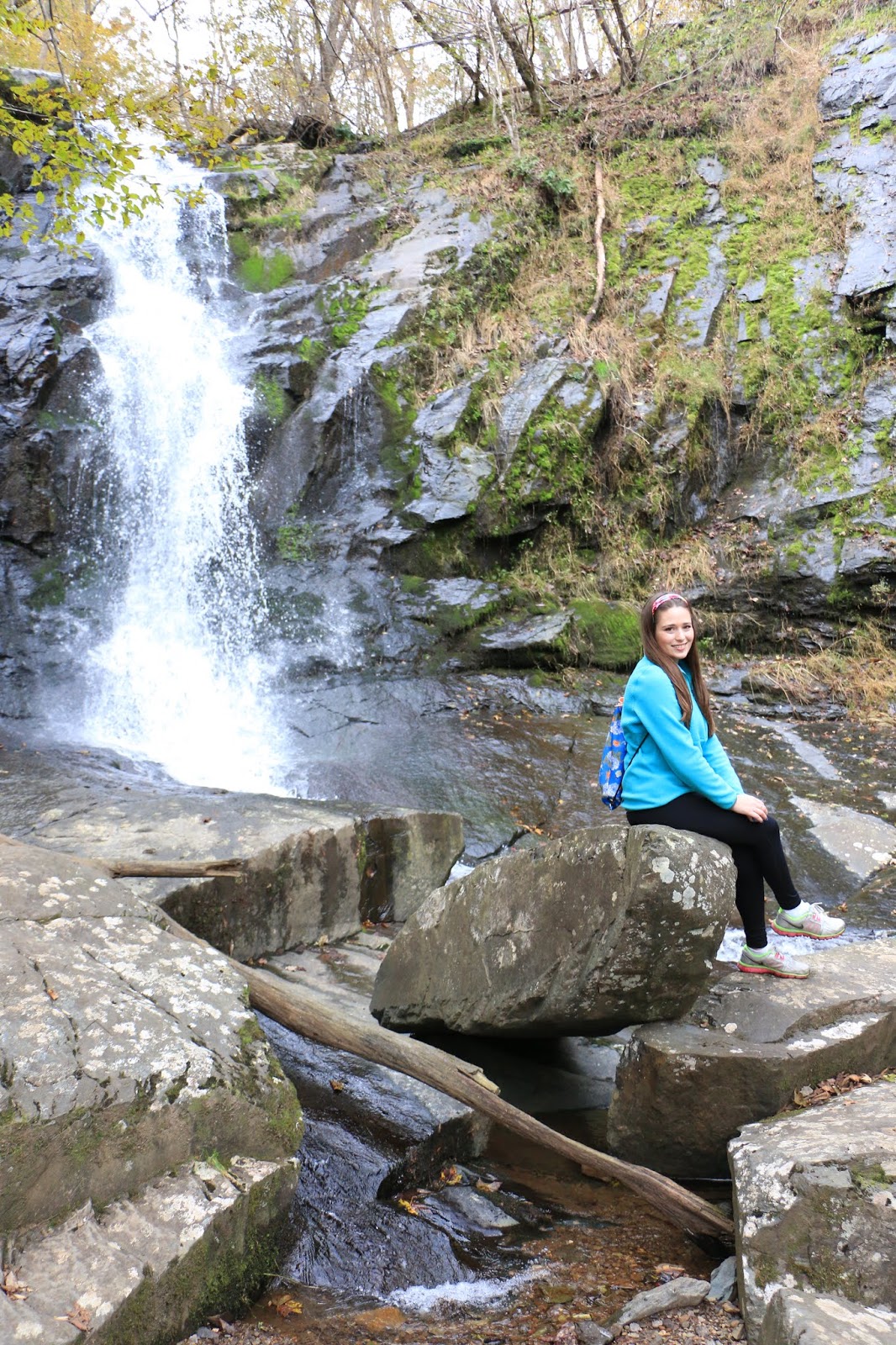
Located at milepost 84.1 on Skyline Drive, this waterfall trail offers a quieter alternative to the big-name hikes. The falls and surrounding forest create a serene autumn setting without the Old Rag crowds.
It’s a solid mid-range option for hikers who want water features and color without the scrambling or the early-morning alarm.
Doyles River Falls
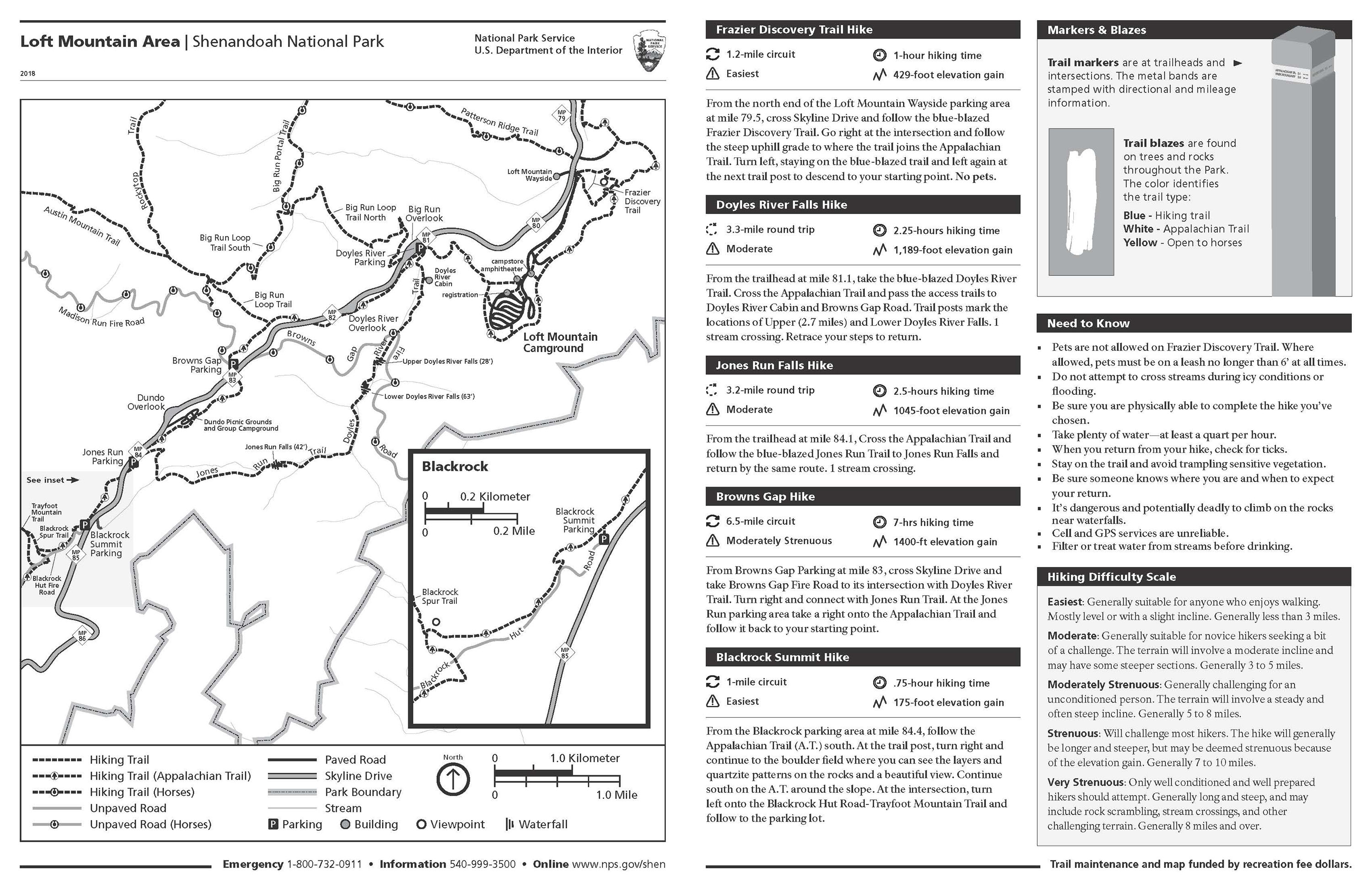
Positioned at milepost 81.1, Doyles River Falls combines waterfall scenery with fall foliage in a less-trafficked corner of the park. The trail is moderate and rewards effort with a genuine waterfall and forest immersion.
This is a good choice if you’re already driving the southern section of Skyline Drive and want to break up the drive with a solid hike.
Loft Mountain Loop
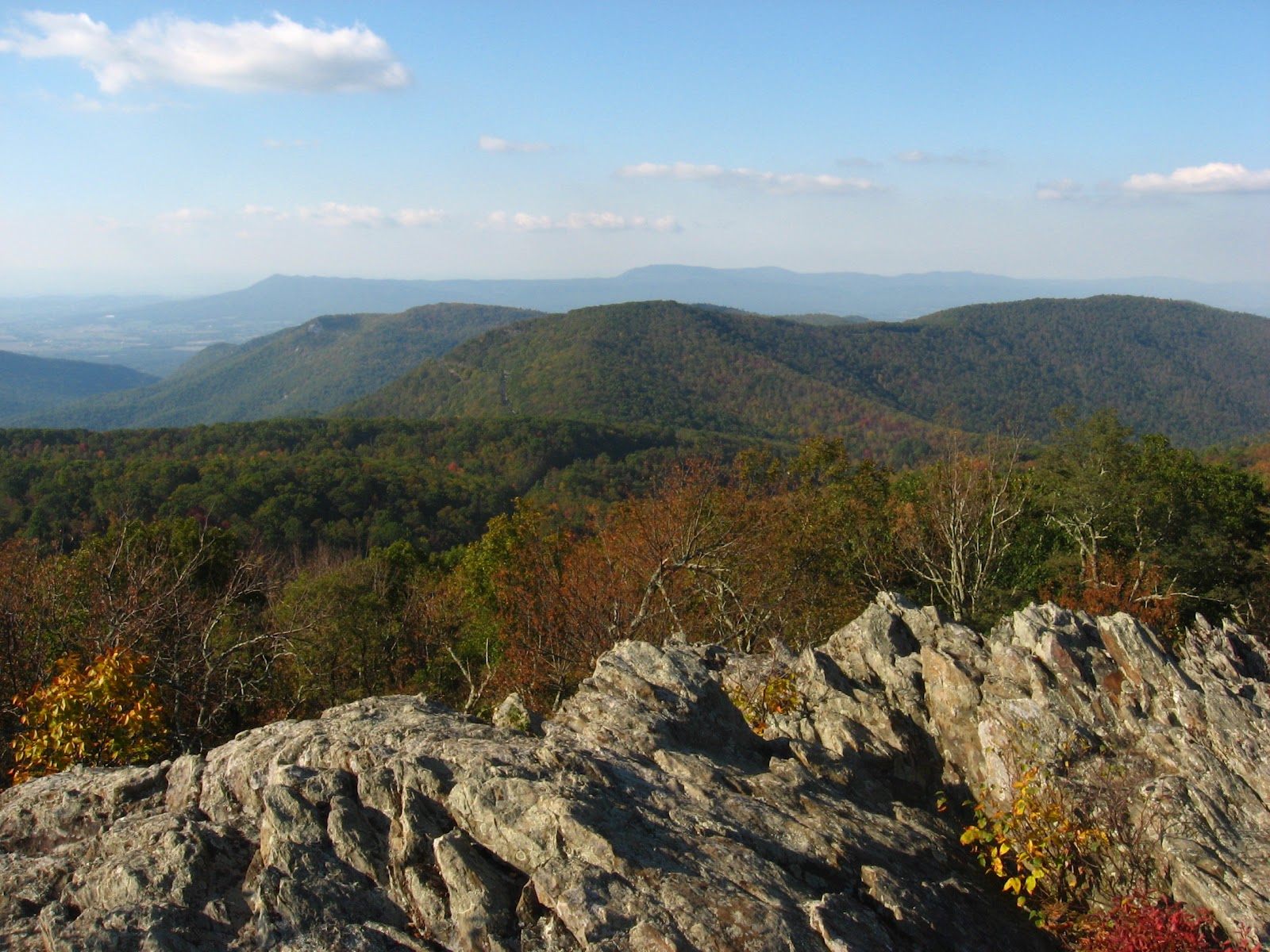
At milepost 79.5, this loop offers open-air views and a less-crowded experience than the northern trails. The loop structure means you avoid backtracking, and the vistas of the surrounding mountains in fall color make it worth the effort.
Choose this if you want a full-circle hike with minimal crowds.
Black Summit Rock
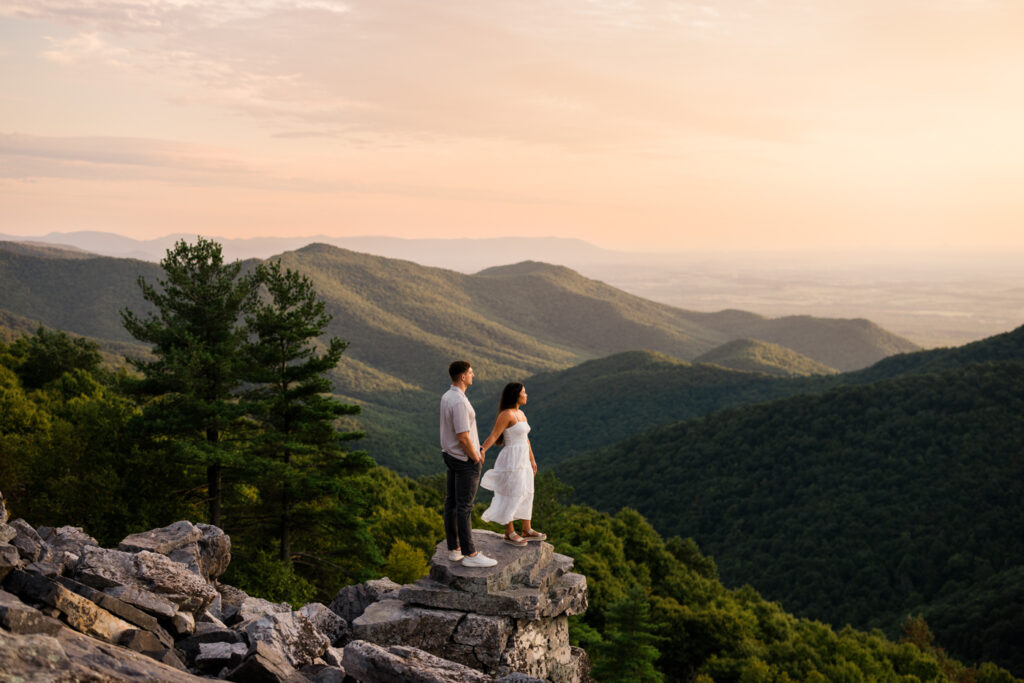
Located at milepost 84.4, Black Summit Rock is a shorter, rockier scramble that rewards climbers with dramatic overlook views. The exposed rock face catches afternoon light beautifully in fall, making it excellent for photography.
It’s less crowded than Old Rag but delivers similar rock-scrambling excitement and payoff views.
What to Pack for These Hikes
- Waterproof hiking boots: Non-negotiable for trails crossing wet areas and creek beds.
- Layered clothing: Lightweight thermal base layer, long-sleeve shirt, and fleece or insulated jacket. Mornings are crisp; midday sun on exposed ridges warms fast.
- Wind protection: Gloves, scarf, and hat for exposed summits like Hawksbill.
- Rain gear: Compact umbrella or rain jacket for unexpected autumn showers.
- Early start: Arrive before 8 a.m. to secure parking and avoid midday crowds on popular trails.
Crowd-Avoidance Strategy
Weekdays beat weekends every time. If you must hike on Saturday or Sunday, choose the less-famous trails—Jones Run Falls, Doyles River Falls, and Loft Mountain Loop draw a fraction of Old Rag’s traffic while still delivering excellent fall color and water features.
Mid-October typically offers peak foliage with slightly fewer crowds than the first two weeks of October, when leaf-peeping season officially opens.
Outdoor Activities for Shenandoah Valley Fall Foliage
Fall in Shenandoah Valley isn’t just about driving Skyline Drive — it’s about stepping out of the car and into orchards, festivals, and wildlife hotspots that make autumn here feel like a private event. The combination of peak color, crisp mornings, and harvest season means you can pick apples one hour and spot migrating hawks the next.
Apple Picking and Pumpkin Patches at Carter Mountain and Showalter’s Orchard

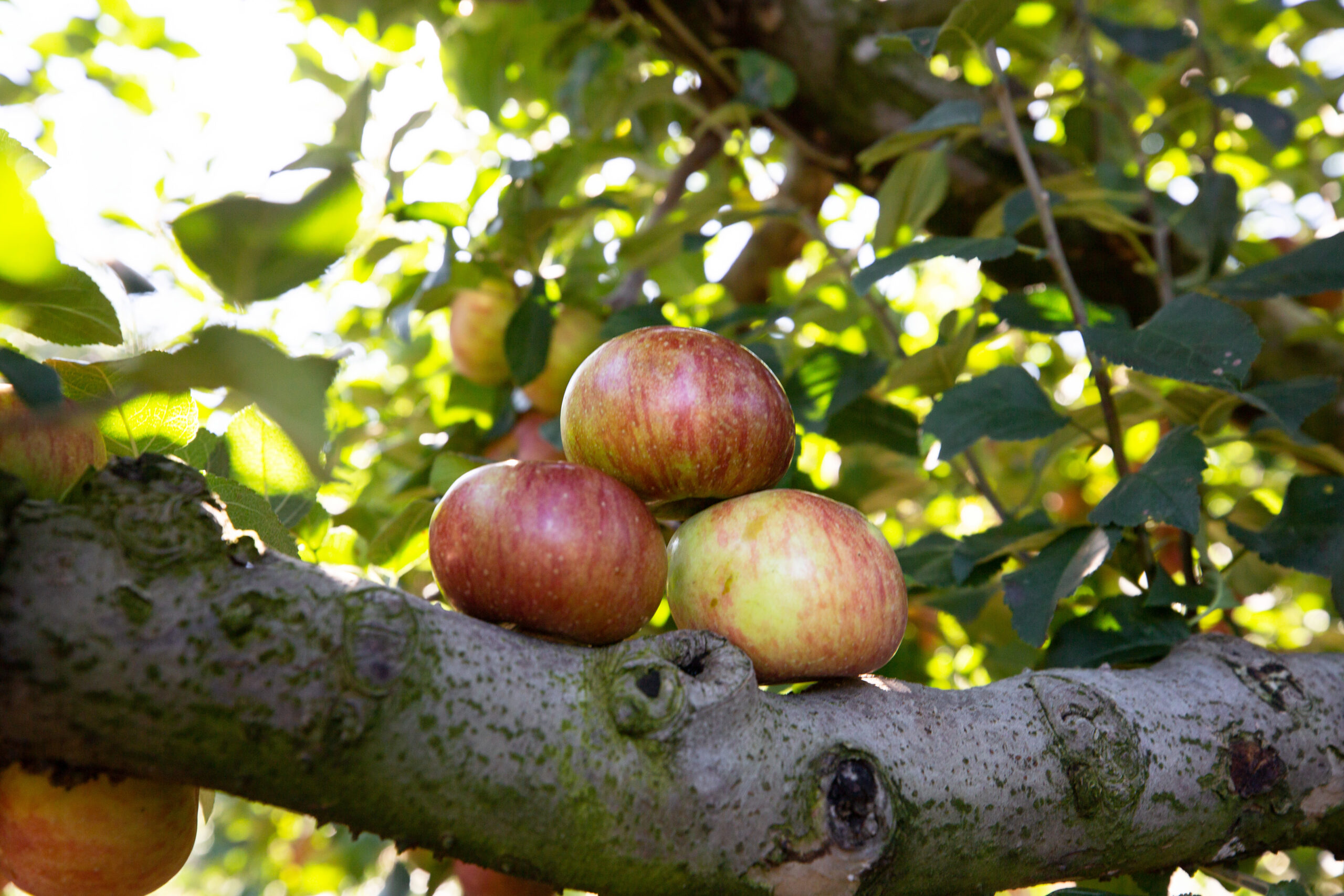
Carter Mountain and Showalter’s Orchard are the two reasons to build a half-day around fresh fruit instead of just driving past it. Both are family-owned operations where you pick your own Honeycrisp and Fuji apples directly from the trees — the flavor difference from supermarket fruit is stark enough to justify the trip alone.
Beyond picking, both orchards sell homemade apple cider and cider donuts on-site, which taste best eaten warm while overlooking the valley.
Back Home on the Farm operates a separate pumpkin patch where you choose from multiple sizes for carving or decorating. The orchard experience works best as a morning activity before the crowds build mid-afternoon.
Plan to spend 1.5 to 2 hours if you’re actually picking fruit rather than just buying pre-picked options.
Seasonal Festivals and Events
The Shenandoah Fall Foliage Art Show in Staunton and the Apple Harvest Festival in Winchester are the two major events worth timing your trip around. The Apple Harvest Festival in Winchester features live music, craft vendors, and fresh apple-based food — it’s the more family-friendly and food-focused option.
The Art Show in Staunton appeals more to visitors interested in regional artists and a quieter, gallery-style experience.
Beyond these two, small towns throughout the valley host Oktoberfests and harvest fairs with local food, games, and entertainment. These events typically cluster in late September through mid-October, so confirm dates with individual towns before booking your trip.
If you’re basing yourself in a gateway town like Staunton or Winchester, you’ll have easy access to multiple festivals without extra driving.
Wildlife Watching at Dawn and Dusk

White-tailed deer, wild turkeys, and migratory hawks are most active during the first two hours after sunrise and the final hour before sunset — this is non-negotiable timing if you want to actually see animals rather than just hope. Big Meadows and the quieter trails in Shenandoah National Park are your best bets because open meadows and sparse tree cover make spotting easier than in dense forest sections.
Bring binoculars to distinguish hawk species and catch details on distant birds — the fall migration means raptors are actively moving through the valley. Dawn viewing requires an early start and patience, but the combination of golden light, fall color, and active wildlife makes it worth the alarm clock.
This activity pairs well with a sunrise hike on one of the park’s easier trails, allowing you to combine two experiences in one morning outing.
Which Small Towns Should You Visit for Shenandoah Valley Fall Foliage?
The real autumn magic in Shenandoah Valley happens off Skyline Drive, in walkable small towns where you can taste cider fresh from the press, browse galleries hung with fall art, and eat lunch surrounded by locals who actually live here year-round. These three towns sit within easy driving distance of each other and the park—cluster them into a single day or spread them across your trip depending on how much time you have.
Winchester Old Town and Apple Trail
Winchester is the strongest choice if you want to combine shopping, dining, and orchard exploration without leaving town. The Old Town Walking Mall stays decorated for fall and fills with seasonal events; you can browse boutique shops and grab lunch without getting back in the car.
The Shenandoah Valley Apple Trail is Winchester’s signature draw—it celebrates the region’s apple heritage with cider tastings and scenic orchard tours. This is where you actually taste what the valley grows, not just look at it.
The Museum of the Shenandoah Valley works well as a rainy-day backup or a cultural break between outdoor activities; it weaves regional art and history together. The Apple Harvest Festival typically runs in fall and features live music, craft vendors, and fresh apple-based food—confirm dates with Visit Winchester before you book, since festival timing shifts annually.
Best for: Foliage viewers who want to eat well and shop without sacrificing access to orchards. Base yourself in Winchester’s Old Town if you’re staying overnight—the walkable downtown puts you steps from restaurants and the mall.
Harrisonburg Farmers Market and Arboretum
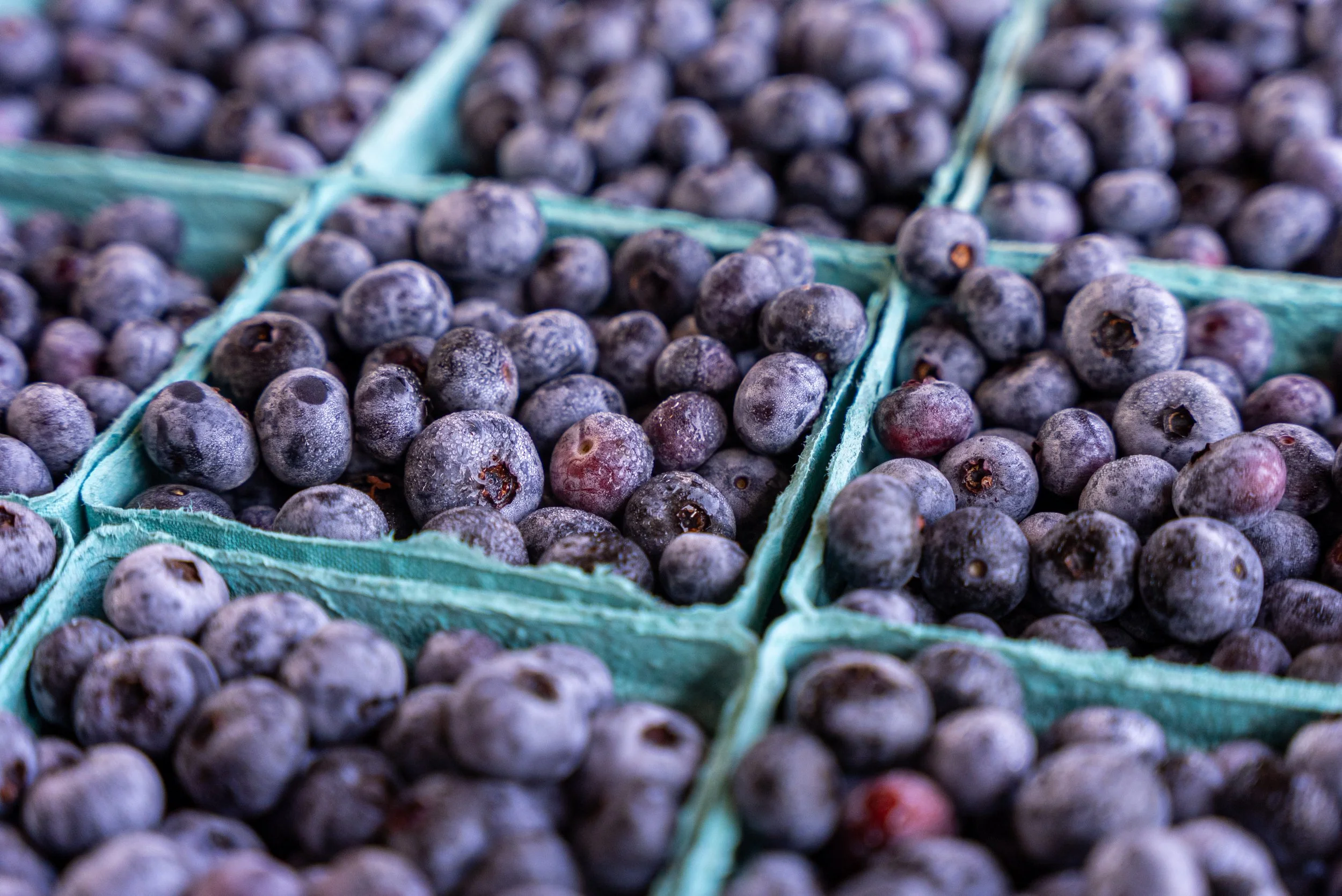
Harrisonburg wins if you want to see fall color in a curated garden setting and eat directly from the source. The Farmers Market operates year-round and peaks in fall with local apples, cider, squash, and prepared foods—this is where you eat what the valley actually harvests, not a restaurant interpretation of it.
The Arboretum offers organized plantings of trees and shrubs that color predictably in autumn, making it a reliable choice if peak foliage timing is uncertain.
Harrisonburg is also home to James Madison University and has a younger, more casual vibe than Winchester—better for travelers who want farm-to-table dining and less boutique shopping.
Best for: Food-first travelers and anyone who wants to guarantee seeing peak color in a designed garden rather than relying on wild forest timing.

Luray Caverns and Greenway
Luray is the outlier choice—it’s worth the detour only if you want an underground contrast to the outdoor foliage or if you’re traveling with kids who need a break from hiking and scenery. Luray Caverns stays at a constant 54°F year-round, so it’s a practical escape on an unexpectedly warm fall day. The Greenway offers walking trails through the town’s grounds with seasonal plantings, though it’s less dramatic than the arboretum in Harrisonburg or the wild color on Skyline Drive.
Best for: Families with young children, or anyone who wants a single indoor/outdoor combination stop rather than a full town exploration. Skip it if you’re short on time or if you’ve already committed to hiking in the park.
Planning note: All three towns are drivable from any Skyline Drive entrance in under 45 minutes. Winchester and Harrisonburg sit roughly 30 minutes apart; Luray is slightly south and east.
If you’re doing a multi-day trip, base yourself in Winchester or Harrisonburg and day-trip to the others. If you’re squeezing this into a single day from DC, choose Winchester or Harrisonburg—don’t try all three.
What to Pack for Shenandoah Valley Fall Foliage

Shenandoah’s fall weather swings wildly—you’ll start in a fleece at dawn on Skyline Drive and shed layers by midday, then need them back by dusk. Pack wrong and you’re either shivering at an overlook or overheating on the trail.
The good news: layering solves this completely, and a few smart additions keep you comfortable from Old Rag’s rocky summit to Big Meadows’ open vistas.
Layered Clothing and Insulated Jacket
Start with a lightweight thermal base layer (merino wool or synthetic—skip cotton entirely), then add a long-sleeve shirt, and top with a fleece or insulated jacket you can strip off or tie around your waist. This three-layer system handles the 30°F mornings and 55°F afternoons typical of mid-to-late October without forcing you to carry a heavy parka.
The insulated jacket is the key piece—it packs small but delivers serious warmth when the wind picks up at higher elevations along Skyline Drive.
Waterproof Hiking Boots
Trails like Dark Hollow Falls and the lower sections of Old Rag have damp areas year-round, and fall rain can soak the ground overnight. Regular sneakers will leave your feet wet and cold within an hour.
Waterproof hiking boots with good ankle support are non-negotiable if you’re doing any serious hiking—they prevent twisted ankles on rocky terrain and keep moisture out. Break them in at home before your trip; new boots on a 5-mile hike is a recipe for blisters.
Gloves, Scarf, Hat, and Rain Jacket
These four items are the difference between enjoying a sunrise at an overlook and cutting your visit short. Bring insulated gloves (touchscreen-compatible if you’re photographing foliage), a warm hat that covers your ears, and a lightweight scarf for layering.
A compact rain jacket or umbrella handles the unpredictable autumn showers that roll through the valley without warning—fall weather in Virginia can shift in minutes, and you don’t want to be caught exposed on an exposed ridge.
Insider tip: Pack these accessories in your day pack rather than wearing them the entire drive—you’ll stay comfortable in the car and have them instantly accessible when you stop at overlooks or trailheads.
Where to Stay Near Shenandoah Valley Fall Foliage
October lodging near Shenandoah books 2–3 months ahead — waiting until August means choosing between overpriced chains and whatever’s left. The real move is securing a cabin or boutique retreat in gateway towns like Luray by mid-July, which gives you flexibility to shift dates if the foliage forecast changes and keeps you within 15–30 minutes of park entrances.
Cabins and Boutique Retreats Near the Park
Cabin stays win for fall foliage trips because they let you wake up to color without the noise of a hotel lobby. Look for properties with fireplaces (essential for crisp October evenings), covered porches for morning coffee while watching the ridge light up, and proximity to Skyline Drive’s northern entrances.
Luray, the closest town to the park’s central section, has the deepest inventory of cabin rentals and boutique inns, making it your best base for accessing Big Meadows and mid-drive scenic overlooks without backtracking.
Boutique retreats in the area typically offer design details that matter in fall — exposed beams, stone fireplaces, and windows positioned for ridge views. These properties often include breakfast and small-batch amenities that beat standard hotel offerings.
The trade-off: they’re pricier (expect roughly $150–$300+ per night in peak October) and fill fastest, but the experience justifies the cost if you’re staying 2+ nights.
Early Reservations for October
October is peak season, and availability collapses by late July. Book by mid-July if you want choice; after August 1st, you’re picking from leftovers or paying premium rates for last-minute openings.
Many cabin rental platforms and boutique properties require 50% deposits 60 days out, so commit early or plan your trip for early November (fewer crowds, still excellent color, lower prices).
If October dates are locked, set calendar alerts for cancellations starting 30 days before your trip — people do cancel, and you’ll catch those openings before they hit the public. Confirm the property’s cancellation policy upfront; flexible policies matter when foliage timing shifts.
Avoid booking properties more than 45 minutes from Thornton Gap or Skyline Drive’s central entrances — the drive eats into morning light and hiking time. Luray stays put you 20–30 minutes from peak overlooks and trailheads, which is the sweet spot for maximizing daylight during short fall days.
Frequently Asked Questions
When exactly should I go to see peak fall foliage on Skyline Drive?
Mid-October to early November is your window, but timing matters because higher elevations turn color first and lower valleys follow later in the season. This staggered progression means you can catch peak color at different spots across the park within the same week — but you need to monitor conditions as they happen.
The Virginia Department of Forestry publishes real-time fall foliage reports that track color progression by location, which beats any prediction made months in advance. Check their updates one to two weeks before your planned trip rather than booking based on a calendar date.
Can I do Shenandoah Valley fall foliage as a day trip from Washington DC?
Yes, but only if you’re realistic about what you’ll see. The drive from DC to Thornton Gap entrance typically takes 90 minutes to 3 hours depending on traffic and which DC neighborhood you’re leaving from.
That means you’ll have roughly 4–6 hours on Skyline Drive before you need to head back to avoid a late-night drive. This works for a scenic drive and one or two short stops, but it doesn’t work if you want to hike Old Rag Mountain or spend time at multiple viewpoints.
Overnight stays in nearby towns give you the flexibility to start early, hike properly, and actually absorb the landscape instead of rushing. If you’re staying in DC and committed to a day trip, rent a car — public transportation to Shenandoah is impractical and will eat up your limited time.
What’s the entrance fee, and is an annual pass worth it for a one-time fall trip?
Standard per-vehicle entrance fees apply, and annual passes are available if you plan multiple visits within a year. For a single fall foliage trip, the per-vehicle fee is the move — don’t overthink it.
Free entrance days exist throughout the year, but they’re unpredictable and often fall on weekends when crowds are heaviest, which defeats the purpose of a peaceful foliage viewing. Check the National Parks website closer to your trip date to confirm current fees and any free-entry opportunities, but plan your budget assuming you’ll pay the standard rate.
Is wildlife watching worth adding to a fall foliage itinerary?
Absolutely, if you’re willing to wake up early. White-tailed deer, wild turkeys, and migratory hawks are most active at dawn and dusk, especially around Big Meadows and the park’s quieter trails.
Bring binoculars and plan to be on the road or at a trailhead by sunrise — this is when the light is best for both foliage photography and wildlife spotting. If you’re only doing a midday drive, you’ll miss most of the animals and the most dramatic lighting for color anyway, so adjust your schedule accordingly.
Book Your Shenandoah Fall Foliage Trip Now
Secure your cabin or boutique lodging by mid-July if you want October dates—peak season fills fast, and waiting until August locks you into overpriced chains or limited availability. Set a calendar reminder to check Virginia’s real-time foliage reports one to two weeks before your planned trip, then adjust your dates within a 2–3 week window if the forecast shifts.
The combination of peak color, crisp mornings, and harvest season makes Shenandoah Valley in fall feel like a private event—you won’t find this intensity of color and accessibility anywhere else on the East Coast without driving significantly farther. Pick your entrance (Thornton Gap from DC), book your lodging, and commit to at least one sunrise or dusk wildlife-watching session to see the valley at its most active and most beautiful.
Start by subscribing to Virginia is for Lovers’ weekly foliage email and checking the NPS Fall Color Report this week—these real-time updates are the only way to nail your timing and avoid arriving a week too early or too late.
Leave a Reply