
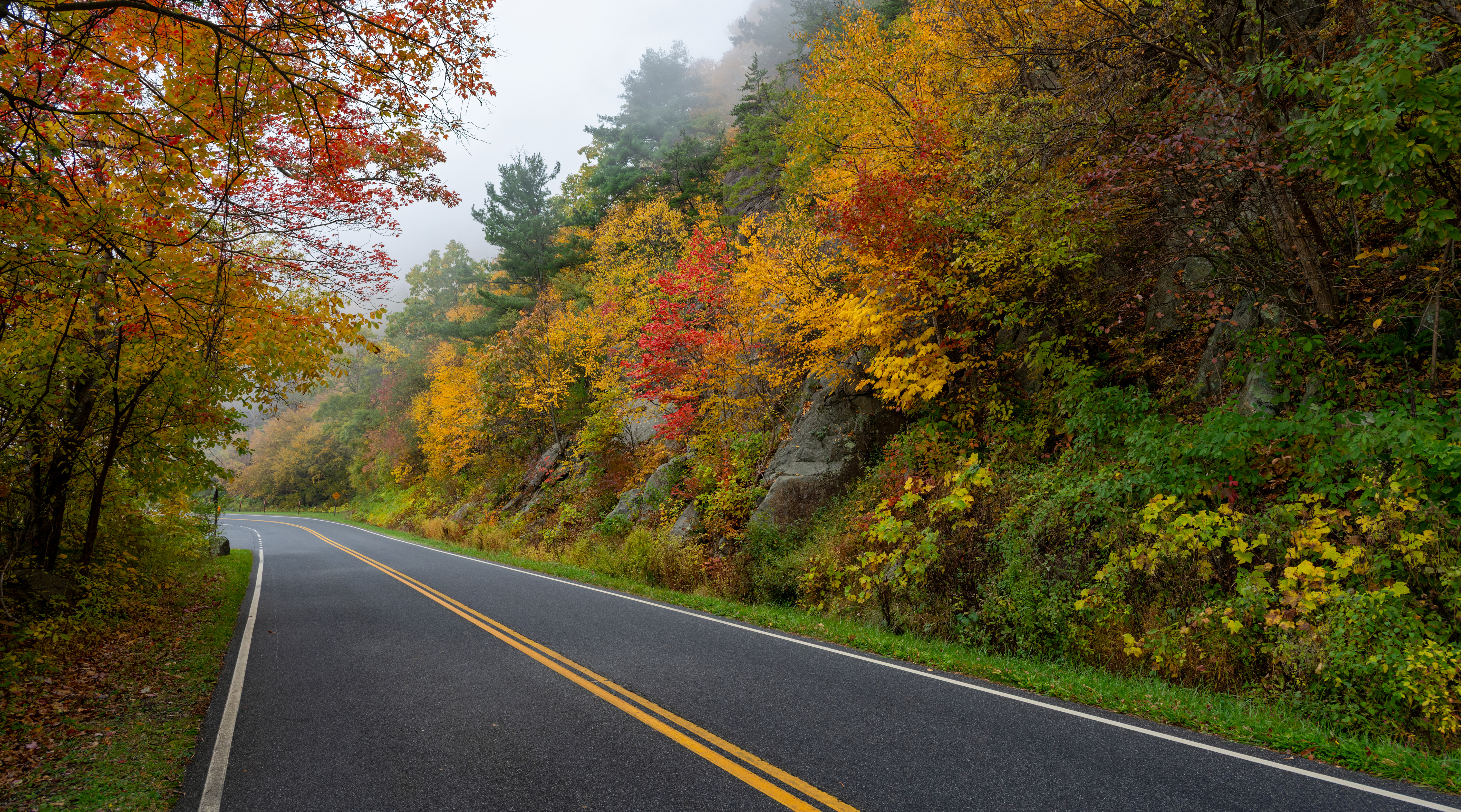
The morning light hits the eastern ridgeline and turns a thousand sugar maples incandescent, gold bleeding into crimson as far as you can see from a stone-walled overlook 3,500 feet above the valley floor. The air smells like damp oak leaves and cold stone, and the only sound is wind moving through a canopy so saturated with color it looks almost fake in photographs.
Skyline Drive in fall is unlike any foliage route in the country because it’s a single 105-mile ridgeline road with 75 overlooks built specifically to frame the Blue Ridge explosion — no towns, no strip malls, just continuous mountain panoramas. This guide gives you the exact day-by-day plan for when to go, where to sleep, and which overlooks and hikes to prioritize so you don’t waste a single golden October day.
Budget-wise, expect roughly $150–$250 per night for lodging outside the park in towns like Harrisonburg, $200–$350 for in-park lodge rooms at Skyland or Big Meadows, and $350–$500+ for splurge cabins or resort-style stays near Massanutten, plus a $30 per-vehicle park entrance fee good for seven days.
Your Skyline Drive Fall Cheat Sheet
Short on time? These six decisions will shape your entire trip — and here’s exactly what I’d pick for each one.
| Your Question | Go With This | One Key Detail |
|---|---|---|
| When should I go? | Mid-October (around Columbus Day) | Full vibrant palette erupts simultaneously — it’s the main event but also the busiest window. |
| How many days do I need? | Three days minimum | Two days works but you’ll skip hikes; three days lets you balance driving, summit views, and trail time. |
| Where should I sleep? | Skyland Resort or Big Meadows Lodge | Waking up on the Drive before day-trippers arrive is the single biggest foliage advantage — book 11 months out. |
| Which overlook can’t I miss? | The Point (west-facing, Mile 53.4) | A short scramble past the stone wall leads to the best panoramic sunset view on the entire Drive. |
| What’s the one must-do hike? | Hawksbill Summit (2.1 miles round trip) | Shenandoah’s highest point with a 360-degree platform view — the best summit payoff for moderate effort. |
| Best dining strategy? | Pack a cooler and picnic at overlooks | Stock up in Harrisonburg or Front Royal before entering the park — no grocery stores exist on the Drive. |

When Is the Best Time to Visit Skyline Drive for Fall Foliage?
Peak fall color on Skyline Drive isn’t a single week—it’s a rolling show that starts at the highest elevations in early October and sweeps down the mountain. Your perfect timing depends on whether you want the first hints of gold, the full, blazing palette, or the quieter, deep-amber finale.
Early October Foliage Patterns
The first three weeks of October are for color chasers who love the chase. Expect a mix of vivid golds and greens, with pops of red and orange emerging first at the park’s highest points, especially around Big Meadows and Skyland Resort.
The move: Book this window if you dislike crowds and want to combine foliage with comfortable hiking weather. The lower elevations are still mostly green, creating a beautiful, layered contrast.
Mid-October Peak Colors
This is the main event, typically the week surrounding Columbus Day weekend (mid-October). The full color spectrum erupts simultaneously from north to south.
Peak foliage usually hits the park’s central section, around Swift Run Gap, during this time.
Decision factor: Crowds and traffic are heaviest. If you visit on a weekend, enter the park via the less-busy Thornton Gap (Route 211) entrance early, by 9 a.m., and drive south.
For a more manageable experience, target mid-week.
Late October Color Changes
By the last week of October, the high-elevation color is fading to russet and brown, but the show isn’t over. The stunning, deep amber and crimson hues now dominate the lower-elevation valleys and hollows, especially in the park’s southern third near Rockfish Gap.
Insider detail: This is the best time for photographers seeking moody, atmospheric shots. Fewer crowds, lower sun angles, and lingering color on oaks and hickories make for exceptional conditions, particularly on west-facing overlooks at sunset.
Pro tip: The National Park Service publishes a weekly “Fall Color Report” during the season—check it online right before your trip for up-to-the-minute conditions. Leaves change 10-14 days earlier in the park’s northern section (around Front Royal) than in the southern section (near Waynesboro).
| Timing | Best For | Color Profile | Crowd Level |
|---|---|---|---|
| Early Oct | First looks, hiking | Golds & greens with pops | Moderate |
| Mid-Oct | Peak spectacle | Full vibrant palette | High |
| Late Oct | Photography, tranquility | Deep amber & crimson | Low |
How Many Days Do You Need for a Skyline Drive Fall Itinerary?
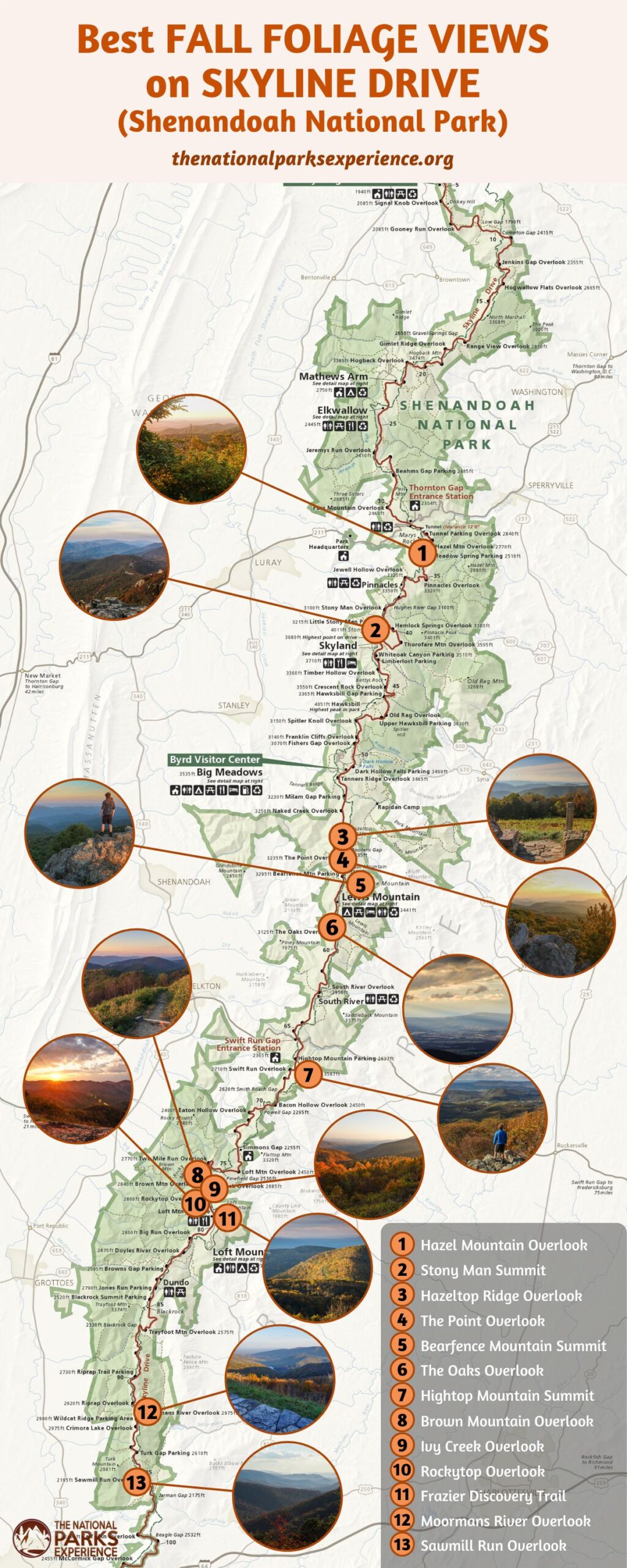
The full 105-mile drive has 75 overlooks — trying to hit them all in one day turns leaf-peeping into a stress marathon. Here’s how to match your time to the right plan without wasting a single golden hour.
| Plan | Best For | Pace | Must-Hit |
|---|---|---|---|
| Two Days | Weekend getaway, first-timers | Drive-heavy, selective stops | Top 15–20 overlooks, one short hike |
| Three Days | Foliage chasers who hike | Balanced drive + trail time | Best overlooks by light direction, 2–3 hikes, one summit |
| Five to Seven Days | Photographers, slow travelers, families | Explore every gap and hollow | All major overlooks, multiple hikes, sunrise and sunset shoots |
Two-Day Scenic Drive Plan
Two days is the minimum for doing Skyline Drive justice in fall. You’ll split the 105-mile route roughly in half, which means each day covers about 50 miles with plenty of stopping time.
Day one, drive from the northern entrance near Front Royal to Skyland Resort, hitting east-facing overlooks in the morning light when the foliage glows. Day two, continue south to Big Meadows and beyond, saving west-facing overlooks for the afternoon when the sun lights up the valley side.
- Day 1 (North Section, Front Royal to Skyland): Enter at the northern entrance and stop at overlooks in geographic order — no backtracking. Aim for 10–15 stops, keeping the pace to one overlook every 15–20 minutes. Tack on the short hike to Stony Man summit for a panoramic payoff that beats any overlook. Base yourself at Skyland Resort for the night so you don’t waste sunset driving.
- Day 2 (South Section, Skyland to Rockfish Gap): Hit Big Meadows early, then work south through the highest-elevation overlooks where color peaks earliest. The Point overlook has a short, steep path to a rocky outcropping with outstanding Blue Ridge and Shenandoah Valley views — save it for afternoon light.
Insider detail: Enter at Front Royal (milepost 0) and exit at Rockfish Gap (milepost 105) rather than doing an out-and-back. Arrange a second car or have someone pick you up — it saves 105 miles of backtracking and gives you each half of the drive in optimal light.
Three-Day Foliage and Hike Itinerary
Three days unlocks the real experience: you stop driving past trailheads and actually use them. Add a third day and you can fit in summit hikes, waterfall trails, and long midday breaks at Big Meadows without feeling rushed.
- Day 1: Same as the two-day northern section, but add the Stony Man summit hike (~1.6 miles round trip) and the Limberlost Trail if you want an easy forest-floor stroll through changing maples. Overnight at Skyland Resort.
- Day 2: Central section from Skyland to Big Meadows. Stop at every overlook between mileposts 40 and 70 — this stretch has the densest concentration of views. Hike the Dark Hollow Falls trail (1.4 miles round trip, steep return) for a waterfall framed by color. Overnight at Big Meadows Lodge, where the meadow itself is a fall spectacle at dawn.
- Day 3: Southern section below Big Meadows, ending at Rockfish Gap. Hike the Hightop Summit trail for a longer workout with 360-degree views, or take the easier Blackrock Summit loop. Hit west-facing overlooks in the last hours of daylight for the best valley-side glow.
Extended Weeklong Exploration
Five to seven days means you can chase peak color as it shifts, catch both sunrise and sunset from different overlooks, and actually relax. This is the photographer’s timeline — and the best plan for families who don’t want to rush kids through 75 overlooks.
- Day 1–2: Northern section at a slow pace. Photograph the same overlooks at different times of day. Walk the Pinnacle Peak and Pass Mountain trails. Base at Skyland or a cabin near Luray.
- Day 3–4: Central section with Big Meadows as your hub. Hike Hawksbill Summit (highest point in the park at 4,051 feet), do the Rose River loop, and spend a full evening stargazing from the meadow. Base at Big Meadows Lodge or a cabin rental near Stanley or Elkton.
- Day 5–6: Southern section plus side trips. Drive south to Rockfish Gap, then loop back via the Blue Ridge Parkway for a different perspective on the same ridgeline. Hike the Riprap Trail or Blackrock Summit. Base near Waynesboro for restaurant access and easier supply runs.
- Day 7: Revisit your favorite overlook at golden hour, or pick one new trail you saved. Leave by late morning to beat the Sunday exodus.
With a full week, consider splitting your lodging: two nights at Skyland, two at Big Meadows, and two in Waynesboro or Harrisonburg. This positions you closest to the section you’re exploring each day and cuts morning drive time to trailheads.
Booking windows for in-park lodging fill fast for October weekends — reserve three to six months ahead for peak-color dates.
Where Should You Stay for a Skyline Drive Fall Itinerary?
Forget waking up outside the park—the real move is securing an in-park lodge reservation 11 months out, as soon as the booking window opens for your fall dates. Waking up inside Shenandoah means you’re already on the Drive before day-trippers arrive, which is the single biggest advantage for a foliage-focused trip.
In-Park Lodging at Skyland Resort
Located at Mile 41.7, Skyland is the highest point on Skyline Drive and puts you directly on the route with zero morning commute. The resort offers a range of accommodations, from traditional rooms to cabins and suites.
- Best For: Travelers who prioritize being immersed in the park and don’t need luxury. The rustic, historic character is part of the appeal.
- The Reality: The rooms are basic and can feel dated, but the location is unbeatable for dawn and dusk foliage viewing when the light is best and the crowds are gone.
- Insider Tip: Request a room in the Pollock or Stony Man buildings for the easiest access to the main lodge and parking. These fill first for a reason.
In-Park Lodging at Big Meadows
Big Meadows Lodge sits at Mile 51, centered in the park near the largest meadow—a prime spot for wildlife at dawn and sunset. This area is the heart of the park’s services.
- Best For: Those who want a central base with more on-site activity options, including the larger Harry F. Byrd Visitor Center and multiple trailheads.
- The Reality: Similar to Skyland, the lodge accommodations are historic and no-frills. The main benefit is the iconic setting and convenience.
- Choose Based On: If you plan to do the famous Stony Man or Dark Hollow Falls hikes, Skyland is closer. If you prefer meadow vistas and the visitor center exhibits, pick Big Meadows.
Nearby Towns Like Harrisonburg and Massanutten
If in-park lodging is booked or you prefer more amenities, the towns west of the park are your best bet. They offer a strategic alternative with distinct advantages.
- Harrisonburg (25 mins west): This college town (home of JMU) provides the widest selection of hotels, diverse dining beyond park fare, and grocery stores for picnic supplies. It’s the practical choice for a multi-day trip that mixes park time with town conveniences.
- Massanutten Resort: A large four-season resort community offering condo-style rentals, ideal for families or groups needing kitchens and space. It adds a resort feel with pools and activities, though it’s more of a self-contained complex than a town.
The trade-off is clear: you gain modern comforts and flexibility but add a daily 30-45 minute drive to and from the park entrance each morning and evening. This can mean missing the prime early light on the Drive.
| Option | Key Advantage | Key Trade-Off |
|---|---|---|
| In-Park Lodge (Skyland/Big Meadows) | Wake up on the Drive; maximize dawn/dusk light. | Basic rooms; requires booking nearly a year ahead. |
| Harrisonburg, VA | Full town amenities, dining variety, easy logistics. | Daily 30-45 min commute to the park entrance. |
| Massanutten Resort | Condo-style space, resort facilities for families. | Not a traditional town; more self-contained. |
What Are the Best Overlooks on Skyline Drive During Fall?
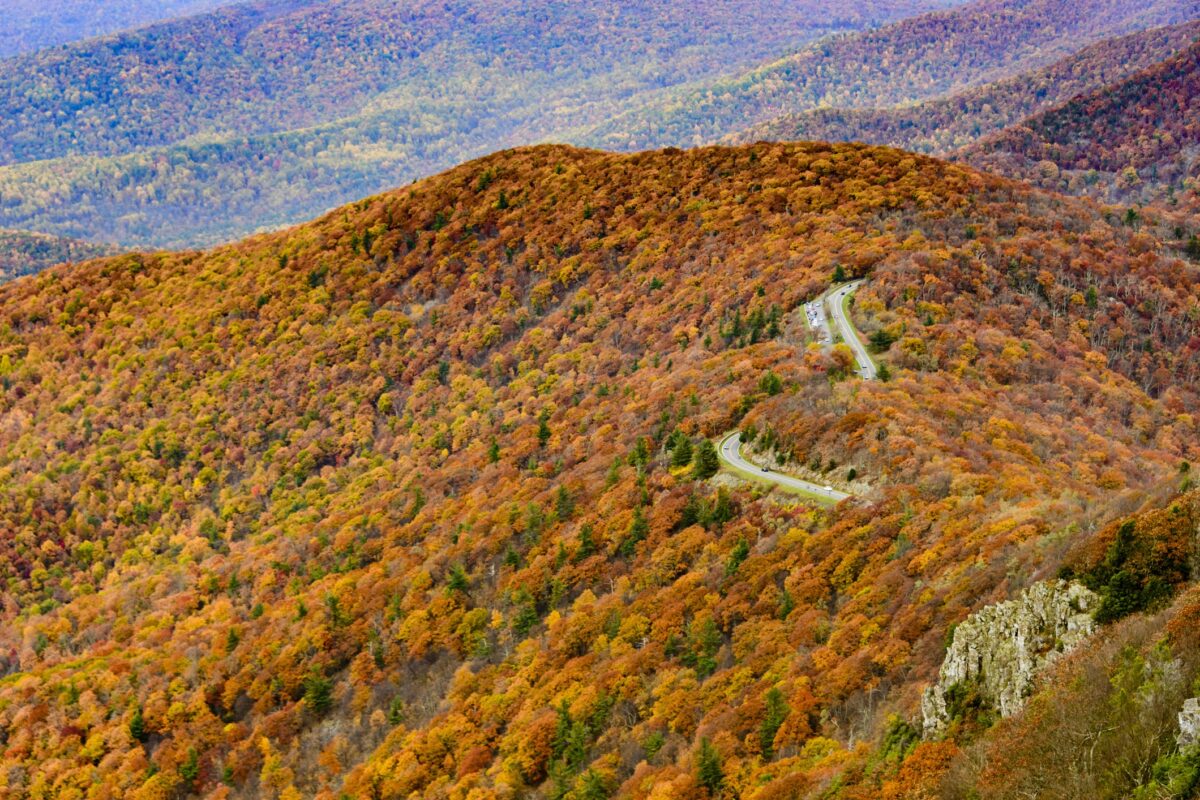
Skyline Drive packs 75 overlooks into 105 miles of ridgeline, but stopping at all of them during peak October traffic is a rookie move that costs you hours. The real strategy: pick a handful from each side of the ridge and time them around the sun’s position.
| Direction | Best For | Top Picks |
|---|---|---|
| East-facing | Morning light, glowing ridgelines | Hazel Mountain, Pinnacles |
| West-facing | Valley views, golden hour | The Point, Stony Man |
| Panoramic | Photos at any time of day | Tunnel Overlook |
East-Facing Overlooks
East-facing overlooks catch morning sun head-on, lighting up fall foliage in a way that western stops simply cannot match before noon. These are your best early-morning targets when traffic is thin and the colors look most saturated.
- Hazel Mountain Overlook: Beautiful eastward views across rolling ridgelines. Even if you only pull over twice on the entire drive, make this one of them — the layered mountain perspective is worth the stop.
- Pinnacles Overlook: Another strong eastward pick with stacked mountain views that photograph exceptionally well during peak foliage. Arrive before 9 a.m. to beat the weekend crowds.
- Tunnel Overlook: The crowd favorite for photos — the tunnel itself frames the view in a way no other pull-off replicates. This one draws a line by mid-morning on fall weekends, so get here early or accept the wait.
West-Facing Overlooks
West-facing stops drop your gaze into the Shenandoah Valley, which spreads wide below the ridge and turns even a five-minute pull-off into something cinematic. Afternoon light is the move here.
- The Point: The standout of the entire drive. Walk through the gap in the stone wall and follow the short, steep path downhill to a rocky outcropping with a panoramic sweep across the Blue Ridge Mountains and Shenandoah Valley. That extra two-minute detour off the overlook is what separates this from every other pull-off on the road.
- Stony Man Overlook: Named for the nearby peak, this is the classic sunset pick and the reason most photographers stay on this side of the ridge late in the day. The western exposure catches golden hour directly on the valley floor.
- Jewell Hollow Overlook: Particularly strong in late October when lower-elevation colors shift to deeper reds and golds. The layered valley views reward patient photographers who wait for the light.
Sunset and Sunrise Viewpoints
Sunrise hits east-facing overlooks around 7:15 to 7:30 a.m. in mid-October, meaning you need to be parked and ready before 7 to catch the best light. Hazel Mountain and Pinnacles are the top sunrise picks — the morning sun floods the eastern ridgelines and makes them glow incandescent.
For sunset, aim for Stony Man Overlook or The Point on the western side of the ridge. The sun drops behind the Shenandoah Valley around 6:15 to 6:30 p.m. in mid-October, and the final 20 minutes before it disappears produce the richest light.
Arrive at least 30 minutes early — parking fills fast at popular west-facing stops on fall weekends.
The smartest loop: hit east-facing overlooks for sunrise, drive south through the midday hours, then swing to western stops by late afternoon. That way you are never shooting into the wrong light for good photos, and you align your schedule with the thinnest traffic at each stop.
Top Hikes for Fall Foliage on Skyline Drive
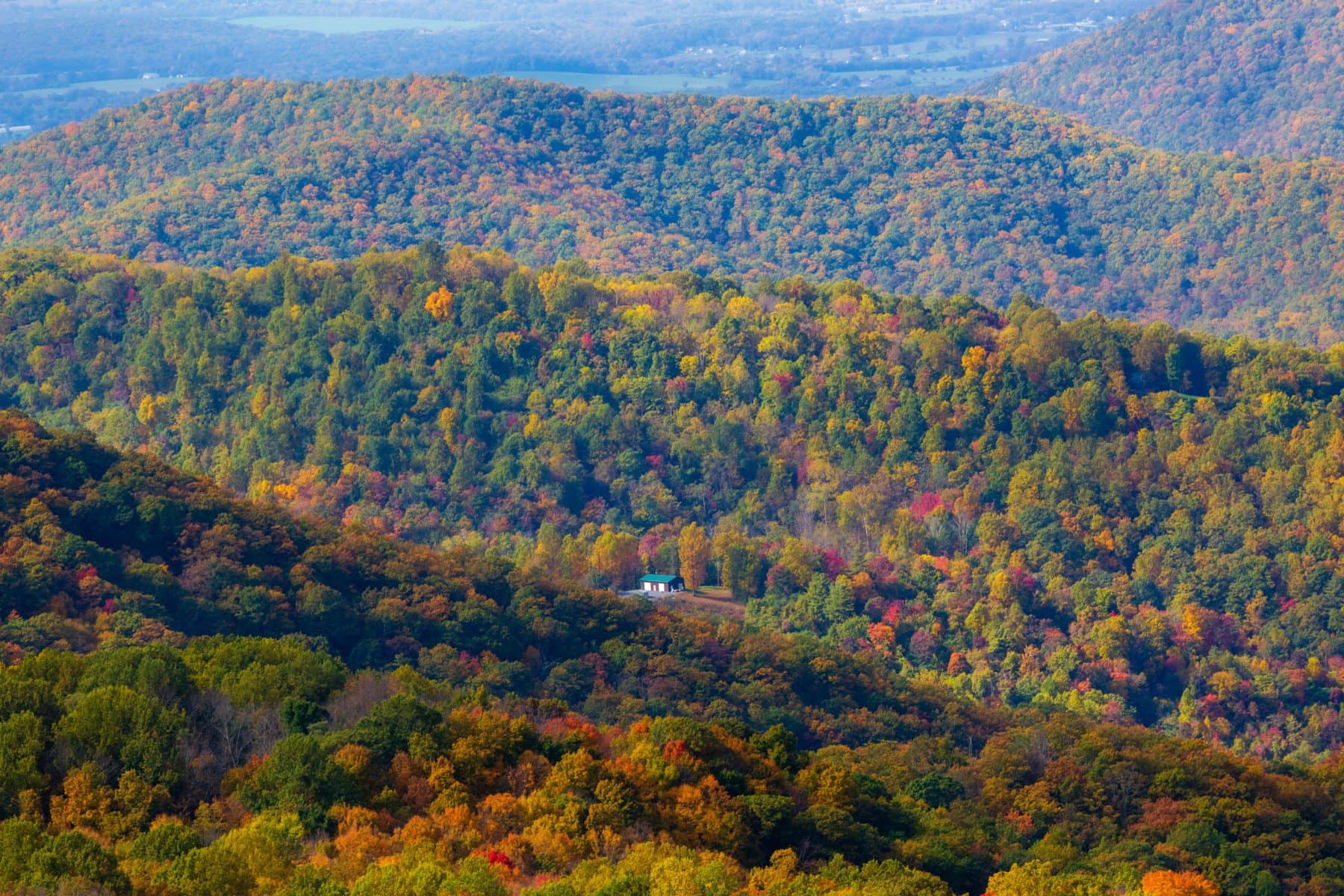
Stepping off Skyline Drive and onto a trail transforms a windshield view into an immersive canopy of amber, crimson, and gold — and the best part is you don’t need to be a hardcore hiker to get that experience. Shenandoah National Park protects over 500 miles of trails, but only a handful deliver peak fall color payoff for the effort.
Here’s how to pick the right one for your group.
Short Family-Friendly Trails
These trails work for kids, casual walkers, and anyone who wants foliage immersion without summit fatigue. All are under two miles round trip with manageable elevation changes.
- Blackrock Summit Trail (1 mile loop, easy): The best bang-for-your-buck hike on Skyline Drive. A short, flat walk leads to a massive boulder field with 360-degree views stretching across the valley. Kids can scramble on the rocks while parents soak in the color. The trailhead sits at Milepost 84.8 — arrive by 9 a.m. on October weekends because the small parking lot fills fast.
- Stony Man Trail (1.6 miles round trip, easy): The highest point you can reach in Shenandoah with this little effort. The overlook from Stony Man’s summit ledge delivers a sweeping view across the valley, and the trail passes through tunnels of golden oak and birch that peak in mid-October. Start from the Stony Man parking area at Milepost 38.6 — not the longer route from Skyland.
- Dark Hollow Falls Trail (1.4 miles round trip, moderate): The closest waterfall hike to Skyland Resort and Big Meadows, making it an easy add-on to a foliage drive day. The descent to the 70-foot falls is steep and paved but not wheelchair accessible. Expect crowds here — this is the most popular short hike in the park. Go early or on a weekday to avoid bottlenecking on the narrow path.
- Bearfence Mountain Rock Scramble (1.2 miles round trip, strenuous): Don’t let the short distance fool you — this requires using all four limbs on exposed rock. Skip it with young kids or anyone uncomfortable with heights. The reward is a genuine 360-degree summit panorama that rivals anything longer in the park. Best for adventurous teens and adults who want a quick adrenaline hit.
Moderate Summit Hikes
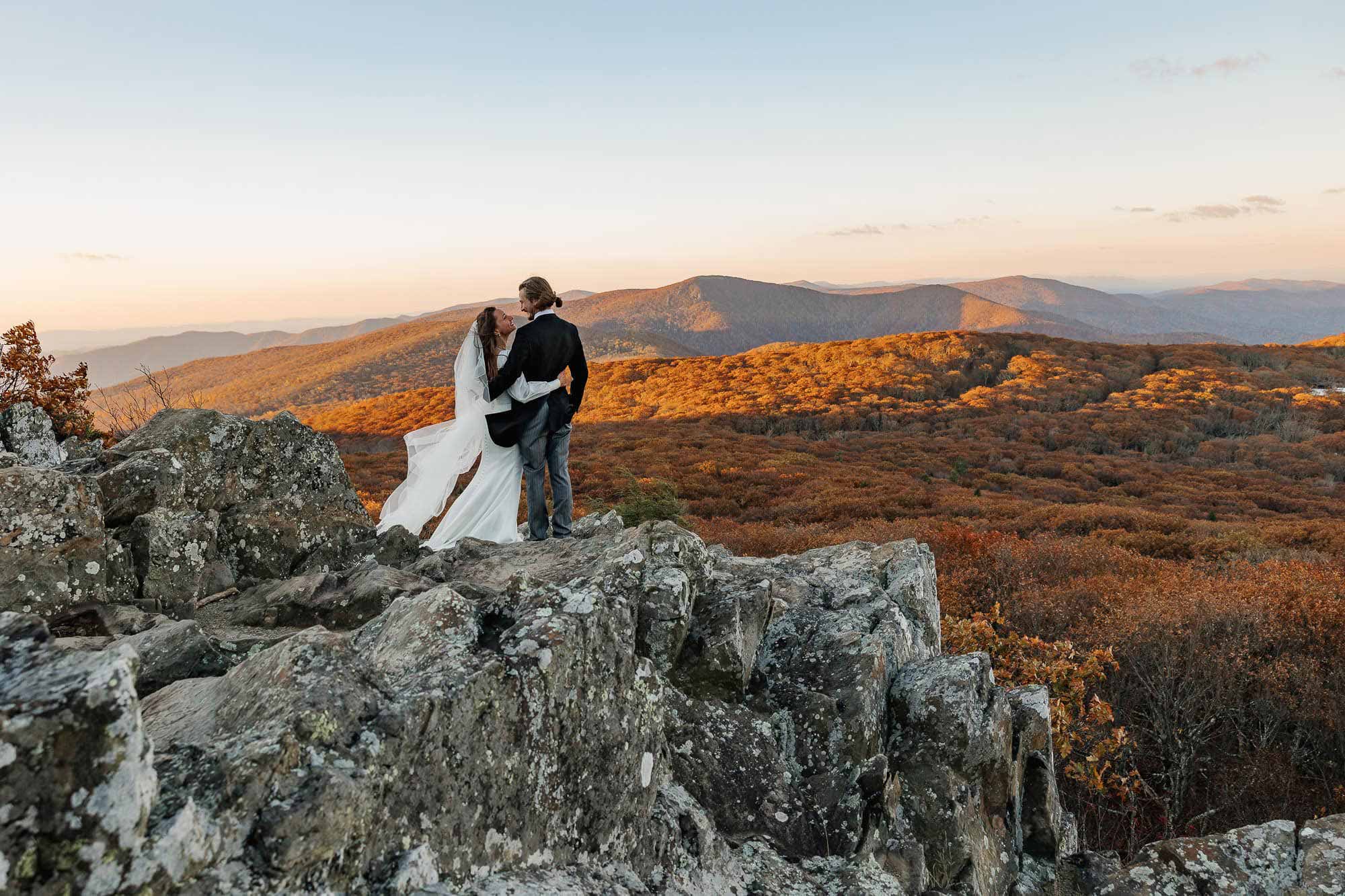
Two to four miles round trip with real elevation gain — these summits reward you with views that overlooks from the car simply cannot match.
- Hawksbill Summit via Upper Hawksbill Trail (2.1 miles round trip, moderate): The highest peak in Shenandoah at 4,051 feet, reached via the gentler of two routes. The Upper Hawksbill trail gains about 520 feet over a well-maintained path through hardwood forest. At the top, a stone observation platform gives a clear view east across the piedmont and west into the valley — the color difference between the two elevations is stark in mid-October. This is the summit hike I’d pick for any first-time visitor.
- Marys Rock via Panorama (3.7 miles round trip, moderate): A classic Shenandoah summit with a rocky perch that feels more exposed than Hawksbill. The approach from Panorama (Milepost 31.6) is shorter and less crowded than the north approach. The trail climbs through tunnels of mountain laurel and oak, and the final scramble to the top is straightforward. Better for adults and older kids comfortable with rocky footing.
- Whiteoak Canyon Falls (4.6 miles round trip to the first major falls, moderate): Trade summit views for a cascading series of waterfalls framed by fall color. The trail follows Whiteoak Run upstream, passing multiple pools and drops. The first and second falls are the most dramatic. The footing is rocky and requires crossing the stream in places — wear waterproof boots. This hike is best in mid-to-late October when the surrounding canopy peaks and the water flow is typically still decent.
Longer Challenging Routes
Dedicate a full day to any of these. They’re worth it for experienced hikers who want solitude and serious elevation, but they are not casual outings.
- Old Rag Mountain Loop (9.5 miles, strenuous): Shenandoah’s most iconic hike — and its most crowded on fall weekends. The loop involves a sustained rock scramble section that takes 30–45 minutes and requires real upper-body effort. The 360-degree summit view on a clear October day is genuinely one of the best on the entire East Coast. Start no later than 7 a.m. from the Nethers Road trailhead to avoid the worst of the bottleneck on the scramble section. An entrance fee or park pass is required, and Shenandoah now uses a reservation system for Old Rag during peak season — check the NPS website before you go because this changes annually.
- Riprap Trail Loop (9.8 miles, strenuous): The insider’s alternative to Old Rag — significantly fewer people, comparable views, and a similar ridgeline experience. The southern section of the loop crosses Wildcat Ridge with long views over the piedmont. Trail conditions are rougher and less maintained, so carry a map and don’t rely on cell signal. Best for experienced hikers who want to avoid Old Rag’s crowds entirely.
- Whiteoak Canyon–Cedar Run Loop (8.8 miles, strenuous): Combines two waterfall systems into a single challenging loop. You’ll pass eight major cascades and dozens of smaller ones. The connecting fire road climb between the two canyons is a long, hot slog with no views — save your water and energy for it. This loop is best in mid-October when the canopy between the canyon walls is fully saturated with color.
Insider note: Most hikers at Old Rag and Hawksbill start from the same side everyone else does. For Marys Rock, starting from the southern Panorama approach instead of the northern Jewell Hollow approach cuts distance, avoids elevation loss, and skips the section most day-hikers crowd onto.
It’s the move most repeat visitors make but the park website doesn’t highlight.
Shenandoah charges a per-vehicle entrance fee (typically $30 for a 7-day pass as of recent years — confirm current pricing on the NPS website). An America the Beautiful annual pass ($80) pays for itself if you plan to visit any other national park within 12 months.
Trailhead parking at popular hikes fills by mid-morning on peak October weekends — plan to arrive before 9 a.m. or choose a less-trafficked trailhead in the park’s southern district.
Best Places to Eat and Picnic Along Skyline Drive in Fall
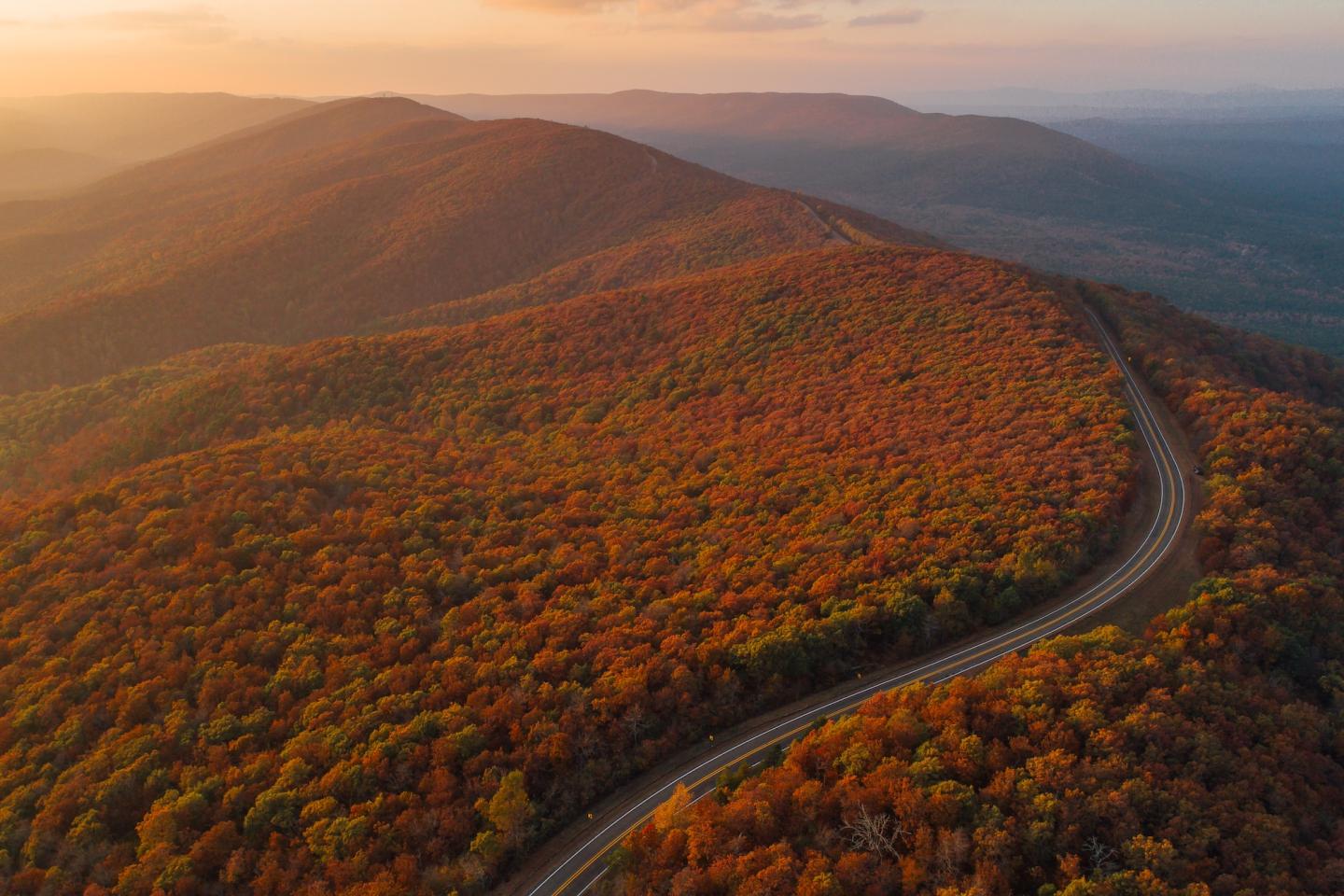
The best meal you’ll have on Skyline Drive is the one you packed yourself, eaten on a rocky overlook with 50-mile views of rolling gold and crimson ridgelines. That said, there are exactly two places to sit down and order food inside the park — and both serve their purpose if you know what to order.
| Option | Best For | Setting | Food Quality |
|---|---|---|---|
| Skyland Resort Dining | A sit-down lunch break mid-drive | Panoramic mountain views from the dining room | Reliable comfort food — skip the fancy stuff |
| Big Meadows Lodge Dining | Dinner after a long day of hiking | Cozy lodge atmosphere near mile 51 | Same caliber — basics done right |
| Picnic at Overlooks | Any meal, any time of day | Choose your own million-dollar view | Whatever you bring tastes better out here |
Dining at Skyland Resort
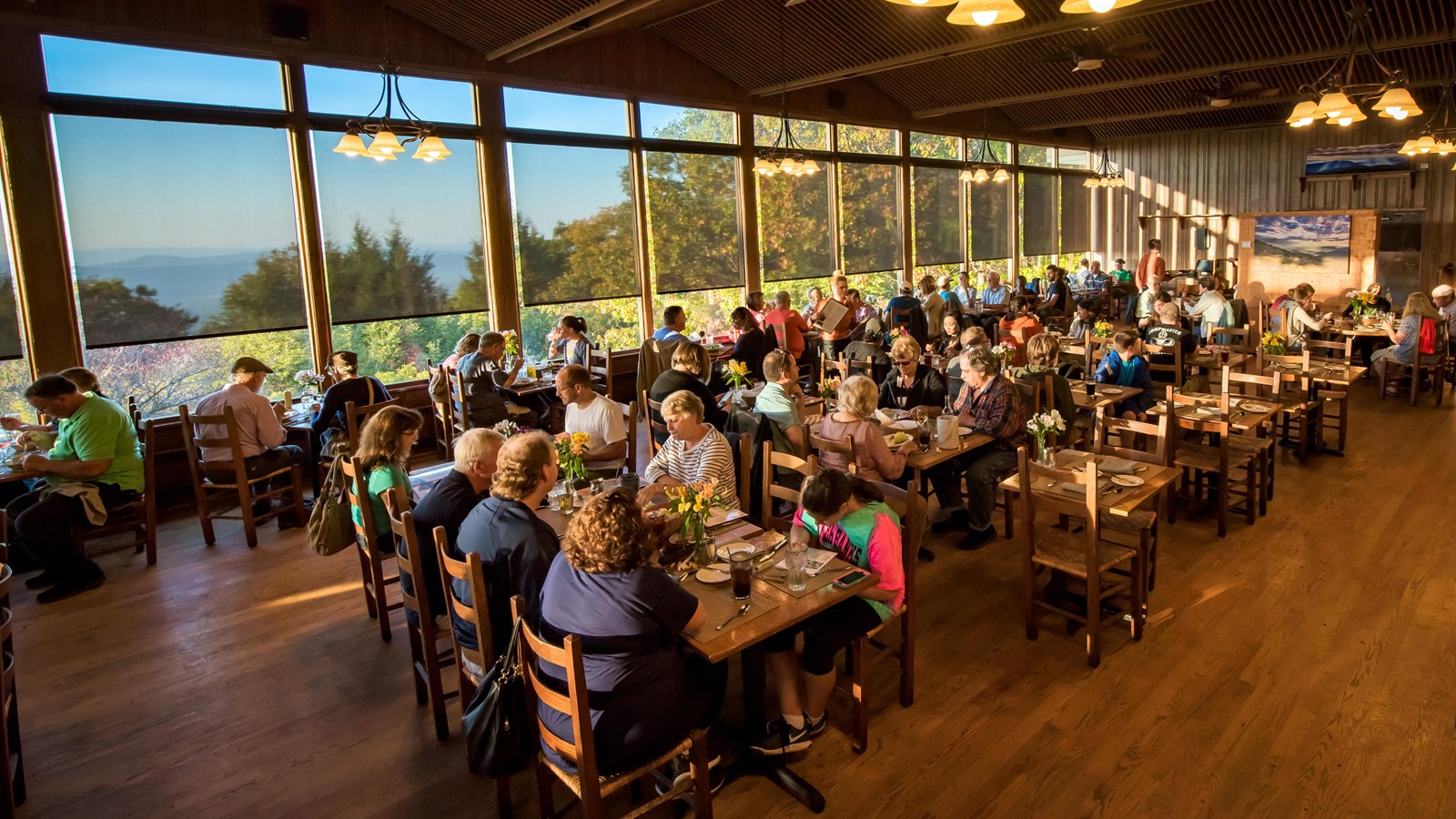
Skyland sits at 3,680 feet — the highest point on Skyline Drive — and its dining room windows frame the Shenandoah Valley in full fall glory. This is the in-park option for a midday sit-down meal when you’re driving the central section of the road and want a break from the car.
The Pollock Dining Room serves breakfast, lunch, and dinner during peak fall season. Reservations are not typically required for lunch, but dinner fills up fast on October weekends — book ahead or expect a wait.
The move is lunch: less crowded, same views, and you’ll have the afternoon free for hiking.
Order simple. Both Skyland and Big Meadows are NPS concession operations, which means the kitchen plays it safe. Burgers, soups, and hearty sandwiches are consistently solid.
The more ambitious dinner entrées tend to disappoint at this price point. Expect roughly $15–25 per entrée, though prices shift by season.
Dining at Big Meadows Lodge
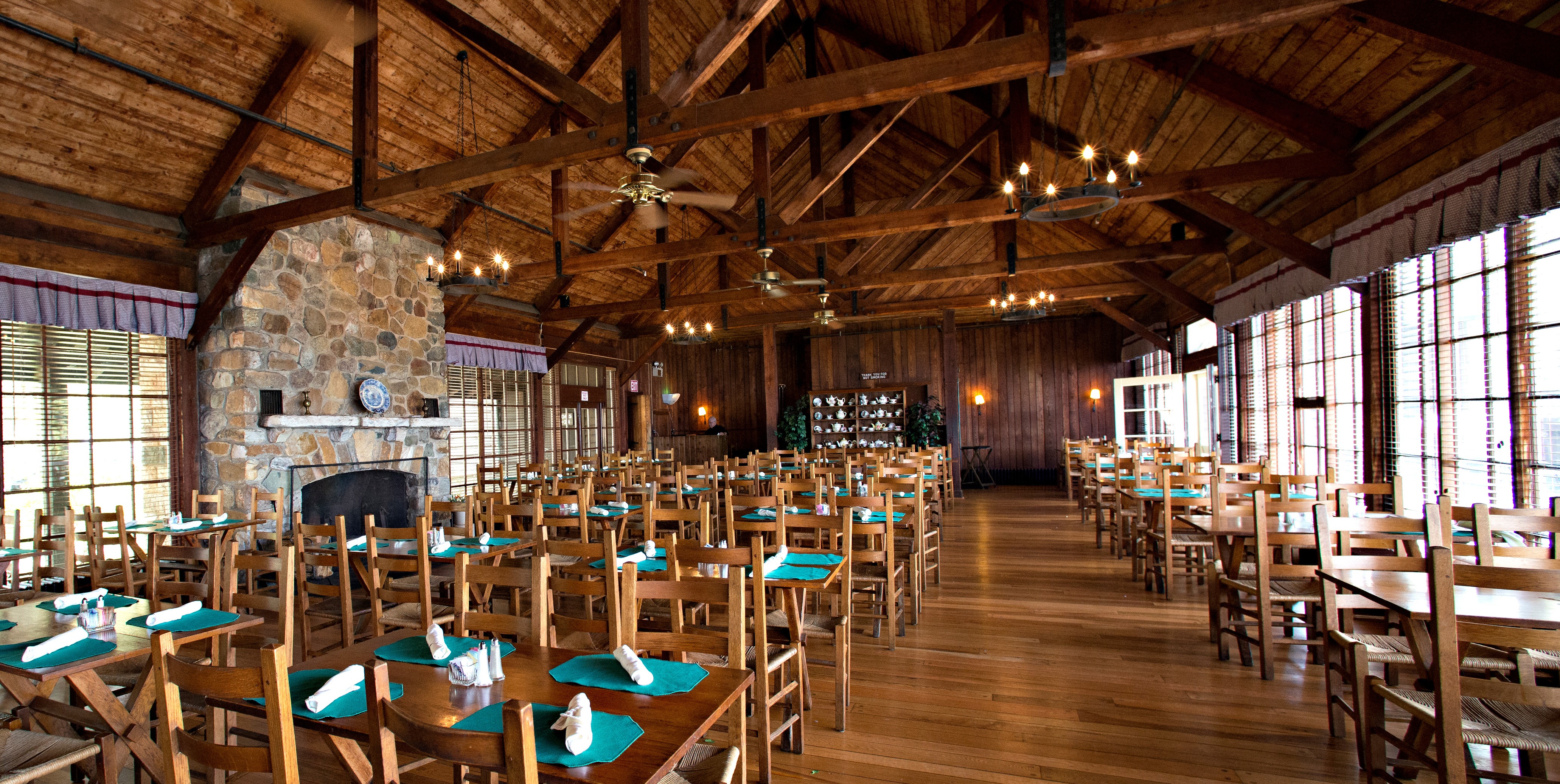
Big Meadows Lodge sits at mile 51, right next to the Harry F. Byrd Visitor Center and the sprawling meadow the lodge is named after.
The dining room has a warmer, more rustic feel than Skyland — think dark wood, fireplace energy, and a slightly livelier atmosphere in the evening.
This is the better pick for dinner if you’ve spent the day hiking Stony Man, Dark Hollow Falls, or any of the central-section trails. You’ll be close enough to collapse into a booth without driving another 30 miles.
Insider detail: The taproom adjacent to the dining room serves a more casual menu with fewer waits — grab a bar seat and a bowl of chili instead of holding out for a dining room table on a packed Saturday night. Same kitchen, faster service, no reservation stress.
Both lodge restaurants are seasonal and typically operate from spring through late November. Confirm hours directly with the park concessioner before your trip — fall schedule shifts happen.
Picnic Spots at Overlooks
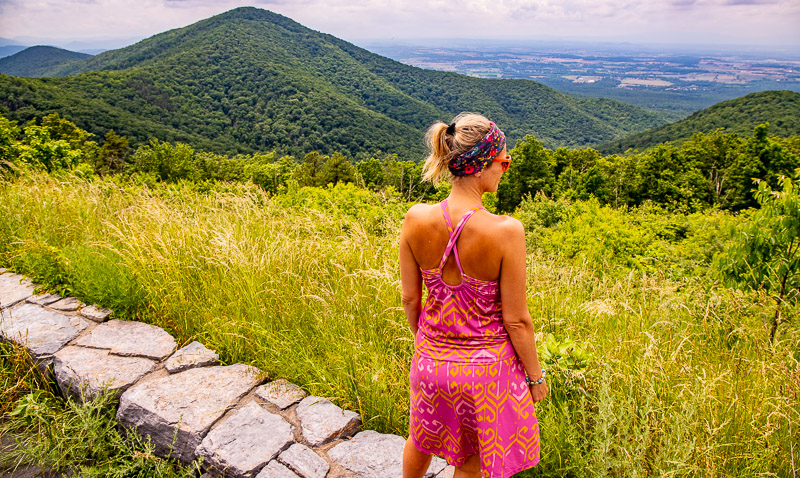
Packing a cooler is the single best dining decision you can make on Skyline Drive. The park has 75 overlooks along 105 miles, and nearly all of them offer a better dining room view than anything you’ll find on a restaurant patio anywhere in Virginia.
How to picnic smart on Skyline Drive:
- Stock up before entering the park. There’s no grocery store on Skyline Drive. Harrisonburg and Front Royal both have full grocery options and are your last reliable stops before the gates.
- Choose west-facing overlooks for lunch. Midday sun hits them directly, which matters in October when the air turns crisp and you want warmth while you eat. Save east-facing overlooks for morning coffee stops.
- Arrive at popular overlooks before 11 a.m. on peak October weekends. Parking fills fast at the scenic pulloffs, and there’s no eating spot worth circling the lot three times for.
- Pack a trash bag. There are no trash cans at overlooks — carry everything out. This is non-negotiable in a national park.
- Bring a blanket or camp chair. The overlook stone walls are fine for sitting, but a lightweight chair lets you settle in comfortably and actually enjoy the view instead of balancing a sandwich on your knee.
The best picnic strategy for a fall Skyline Drive day: big breakfast at your lodging, picnic lunch at a west-facing overlook around mile marker 30–50 where the valley views open up widest, then either a lodge dinner or an early exit to a restaurant in Harrisonburg or Luray. This keeps you flexible, lets you linger at whichever overlook stops you mid-drive, and saves the sit-down restaurant meal for when your legs are done hiking.
How to Add Ranger Programs and Horseback Riding to Your Skyline Drive Fall Itinerary?
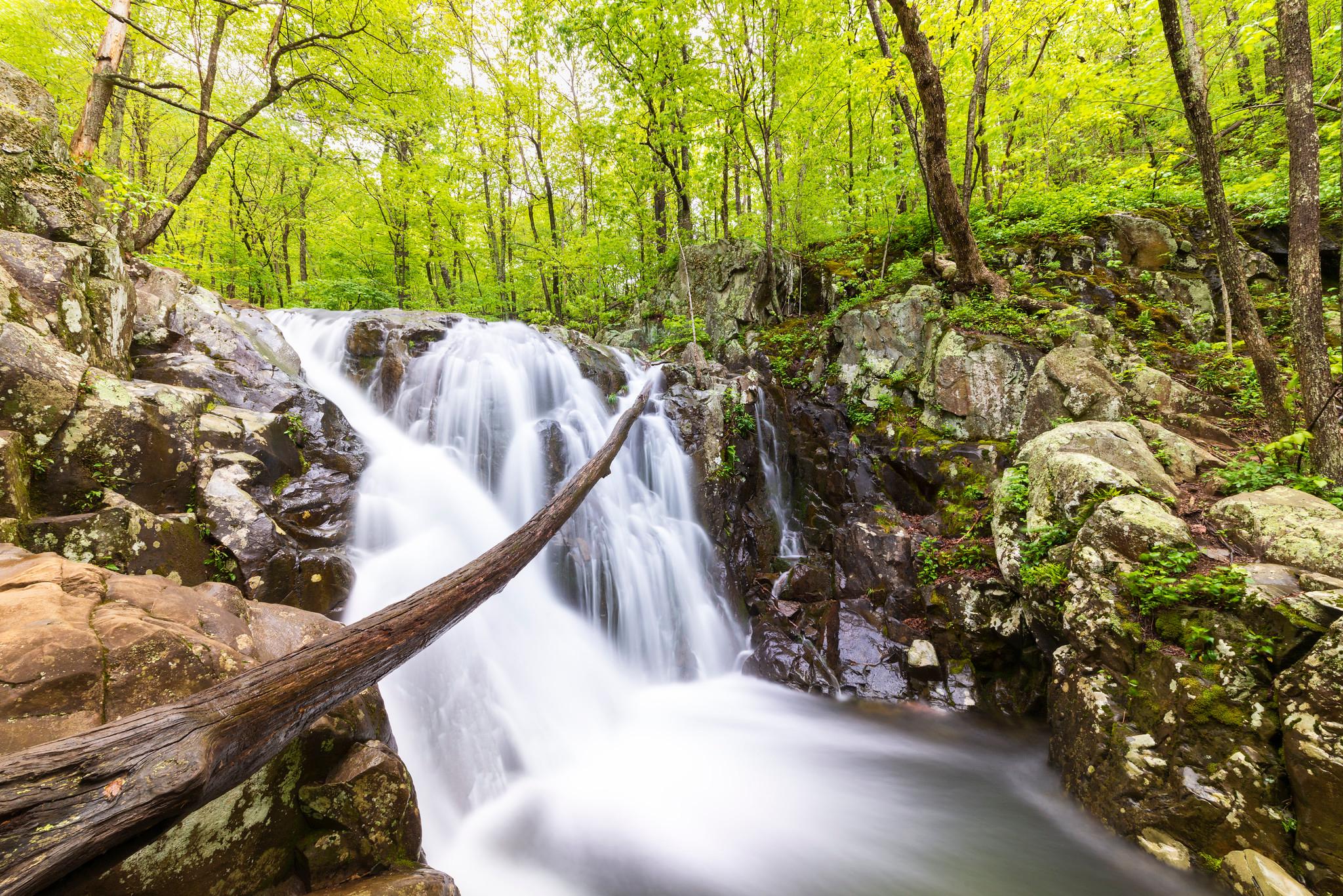
A ranger pointing out the difference between a scarlet red oak and a blazing sugar maple transforms a scenic drive into something you actually remember — and the programs are free. These additions slot neatly into any Skyline Drive itinerary, whether you have two days or a full week, and they give kids and adults alike a reason to get out of the car beyond just the overlooks.
Visitor Center Activities
Shenandoah runs ranger-led programs from four hubs along Skyline Drive: Dickey Ridge Visitor Center (near the north entrance), Byrd Visitor Center at Big Meadows (mile 51), Skyland (mile 41.7), and Loft Mountain (mile 79.5). Pick up a current week’s schedule at the entrance station when you enter the park — this is the single best thing you can do at the gate, because times and topics shift weekly and aren’t reliably posted online.
If your itinerary has you spending time near Big Meadows or Skyland (covered in the lodging section), plan your evening around one of the campfire talks or amphitheater programs offered on fall weekends. These typically run 30–45 minutes and cover topics like black bear behavior, the park’s fire history, and — in October — the science behind why leaves change color.
You don’t need a reservation; just show up.
Guided Hikes and Junior Ranger Options
Ranger-led hikes depart from the same visitor centers and range from easy one-mile nature walks to moderate half-day summit treks. The fall schedule tends to focus on foliage identification and geology — both more interesting than they sound when delivered by someone who’s been walking these ridgelines for years.
Groups are capped, so arriving 15 minutes early matters, especially on peak October weekends.
For families, the Junior Ranger program is the single easiest win on this entire drive. Pick up the activity booklet at any visitor center (free), and kids complete age-appropriate tasks — drawing leaves, identifying animal tracks, answering trail questions — to earn a badge.
Most kids finish in 2–3 hours of combined hiking and activity time, which lines up perfectly with a morning at Big Meadows or an afternoon at Byrd Visitor Center.
- Best for wildlife and forest ecology: Programs at Big Meadows, where deer and turkey sightings are near-guaranteed in October.
- Best for geology fans: Loft Mountain area hikes, which pass exposed granite outcrops and explain the park’s 1.1-billion-year-old rock foundations.
- Best for little kids: Dickey Ridge Visitor Center programs near the north entrance — shorter, flatter, and less overwhelming than mid-park options.
Horseback Riding at Skyland Stables
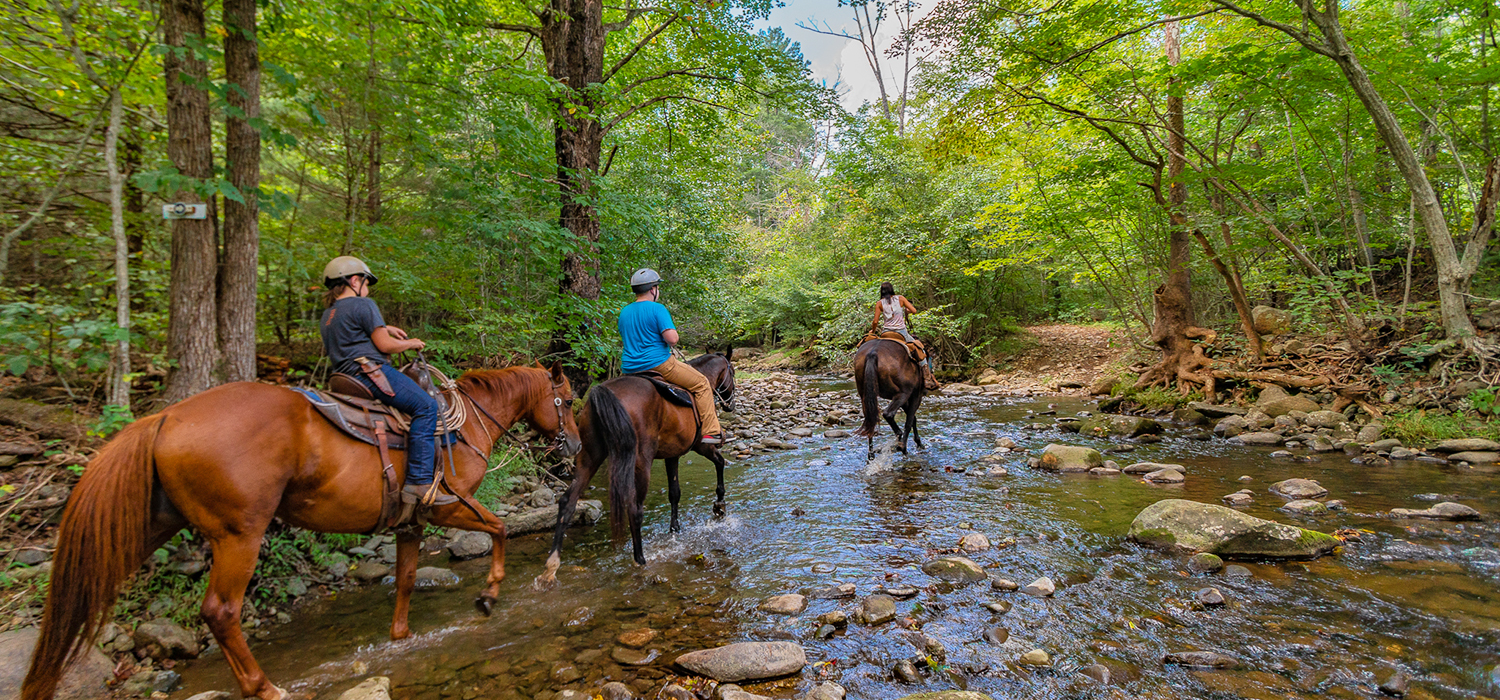
This is the one activity most Skyline Drive visitors don’t know about, and it’s worth adjusting a day’s plan for. Skyland Stables (at mile 41.7, same complex as the Skyland Resort) runs one-hour guided horseback rides that cross Skyline Drive and follow trails into the Limberlost area — a dense old-growth forest that glows gold and copper in mid-to-late October. You’re riding beneath a canopy, not alongside the road, so the experience feels genuinely remote.
Rides operate seasonally and typically run until late October, but the exact closing date shifts each year based on weather and demand. Book as early as possible — weekend slots in peak foliage weeks fill days in advance.
Expect roughly $55–$75 per rider for the one-hour ride, though prices vary by season. No prior riding experience is required; the horses know the trail better than you do.
Weight and age restrictions apply, so confirm details with the stable before building your itinerary around it.
Insider tip: Request a morning ride if you can. The light filtering through the Limberlost canopy around 9–10 a.m. in October is significantly better for photos than the flat midday light, and the trails are quieter — you’ll share the forest with deer, not other groups.
If you’re basing yourself at Skyland or Big Meadows (both covered in the lodging section), horseback riding pairs naturally with a half-day visit. Ride in the morning, grab lunch at the lodge, then spend the afternoon hitting nearby overlooks or a summit hike — the Stony Man trailhead is a short drive from the stables.
Frequently Asked Questions
What is the absolute best time to see peak fall colors on Skyline Drive?
October is the prime month, but the exact peak depends on elevation. Colors typically change first at higher elevations (around Skyland and Big Meadows) in early to mid-October, and the lower sections follow in late October.
Monitor the National Park Service fall foliage report as your trip approaches for real-time updates. Aim for mid-week visits for thinner crowds.
How can I avoid the worst crowds on Skyline Drive in fall?
Visit on weekdays and arrive at the entrances before 9 a.m. The most intense traffic and parking pressure happen on October weekends, especially during mid-day. Have a short list of priority overlooks—like Jewell Hollow for late-October color—so you’re not stopping at every single one and creating bottlenecks.
The park’s 75 overlooks mean you can always find a view without fighting for space if you’re strategic.
Where should I stay for a Skyline Drive fall foliage trip?
For the best balance of availability, price, and dining, stay west of the park in a town like Harrisonburg. It’s a 25-minute drive to the Thornton Gap entrance and serves as a full-service base with more lodging and restaurant options.
The smaller resort area of Massanutten is another solid west-side alternative. If you want to wake up inside the park, book Skyland Resort or Big Meadows Lodge far in advance—these sell out months ahead.
How long does it take to drive the entire length of Skyline Drive?
Without stops, the 105-mile drive takes about three hours. But you won’t be driving without stops.
A realistic minimum is a full day, which lets you enjoy a few key overlooks and a short hike. For a more relaxed pace with multiple hikes and photographs, plan for two days.
Traffic in fall, especially on weekends, will add significant time to your estimates.
Start Planning Your Skyline Drive Fall Trip
Start by pulling up the NPS Fall Color Report and picking your dates based on whether you want emerging gold with fewer crowds (early October), peak spectacle (mid-October), or deep amber photography with solitude (late October). Then book your lodging immediately — if you want an in-park room at Skyland or Big Meadows, you need to be online the moment that 11-month booking window opens.
Nothing else on the East Coast delivers 105 miles of continuous ridgeline views exploding with fall color the way Skyline Drive does, and experiencing it from behind the windshield without hiking a summit or eating lunch on a rocky overlook misses the best parts entirely.
Pick your weekend, secure your room, and start building your overlook and hike list — October fills faster than you think.
Leave a Reply