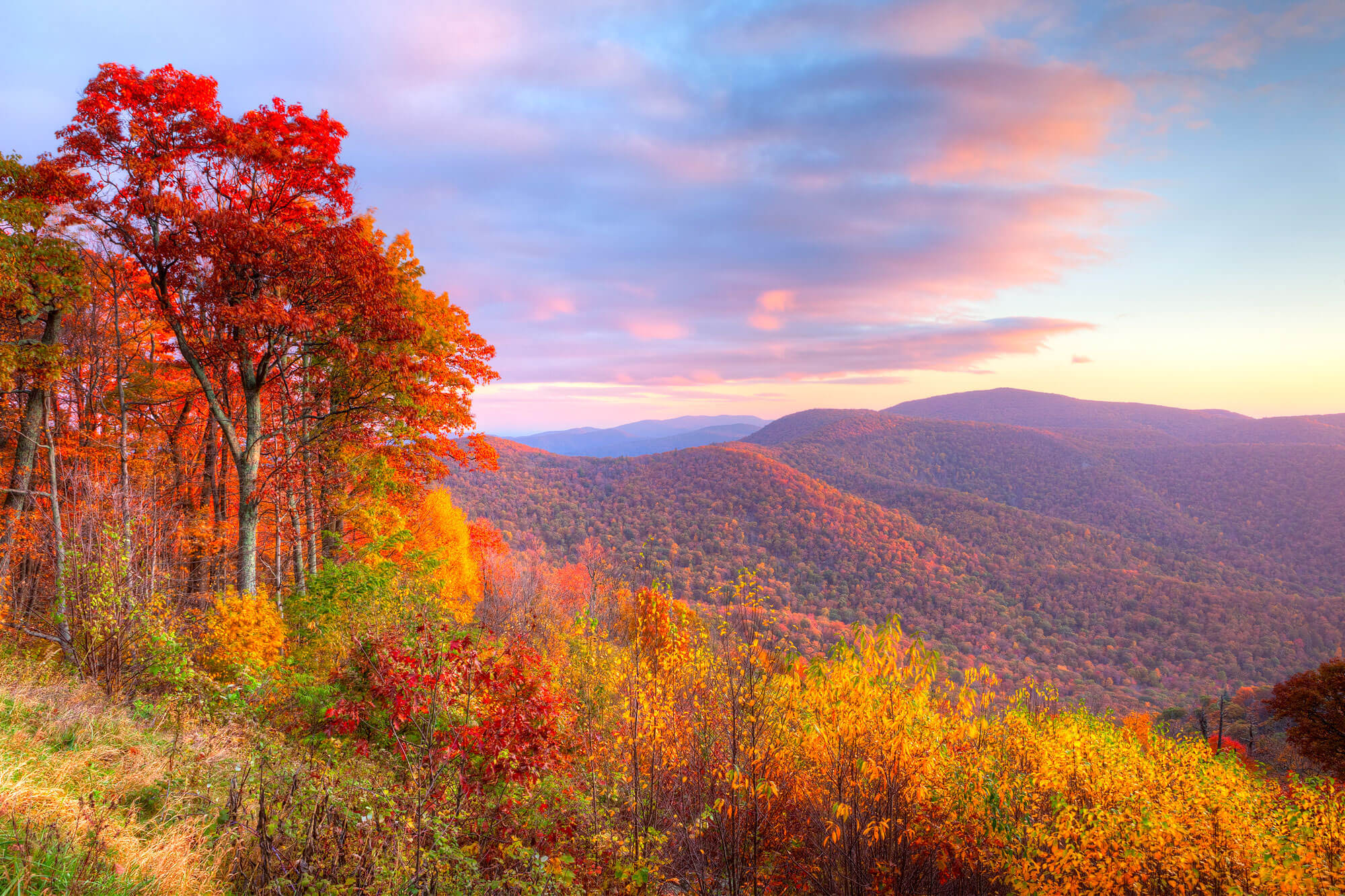
The moment you crest Newfound Gap Road in mid-October, the entire valley unfolds in reds, oranges, and golds so vivid they look photoshopped—mist rising off the canopy, the air sharp and cool, and every direction revealing another layer of color you didn’t expect. This isn’t a one-week event; the Smokies’ fall show cascades down the mountains over six weeks, with high elevations turning first in September and lower valleys exploding with color through November.
What makes the Smokies different from other fall destinations is that elevation timing—you can literally chase peak color from September through November by moving up and down the mountains, extending your viewing window far beyond what you’d get in a single location. This guide helps you pick the exact week and elevation zone where colors will actually be at their peak when you arrive, plus the scenic drives, overlooks, and hikes that deliver the most rewarding views without wasting daylight on crowds.
Budget-wise, expect $50–$150 per night for gateway lodging in Gatlinburg or Pigeon Forge (book 2–3 months ahead for mid-October), $30–$50 per person for chairlift experiences, and $75–$200+ for guided hikes—or zero dollars if you’re self-guiding scenic drives and free trailheads.
Your Quick-Reference Fall Color Timeline
High Elevation Peak (Mid-September to Mid-October): Yellow birch, American beech, and mountain maple turn first above 4,000 feet—best for early planners who want to avoid peak-season crowds and experience the first wave of color on drives like Foothills Parkway and Clingmans Dome Road.
Mid and Lower Elevation Peak (Mid-October to Early November): Sugar maple, scarlet oak, and red maple deliver the most dramatic reds and oranges across the broader landscape—this is the main event with the longest-lasting display and the heaviest crowds.
Best Scenic Drives: Newfound Gap Road (33 miles, elevation progression in one drive), Cades Cove Loop (11 miles, pastoral contrast), Roaring Fork Motor Nature Trail (waterfalls plus color), Foothills Parkway (early-season high-elevation views), Little River Road (fewer crowds, solid color).
Top Overlooks Without Hiking: Clingmans Dome observation tower (360-degree views at 6,643 feet, peak mid-Sept to mid-Oct), Morton Overlook (sunset photography magic), Oconaluftee Valley (best morning light).
Gateway Towns: Gatlinburg (closest to Newfound Gap Road and high-elevation trailheads) or Pigeon Forge (more budget options, activity-focused)—book accommodations by late July for mid-October travel.
When is the Best Time to See the Smoky Mountains Fall Colors?
Peak fall color in the Smokies doesn’t happen all at once—it cascades down the mountains over six weeks, which means your timing determines what you’ll actually see. High elevations turn first and fast; lower elevations deliver the most dramatic, longest-lasting show.
Plan for either an early-October summit experience or a mid-to-late-October valley explosion, depending on what moves you.
High Elevation Peak (Mid-September to Mid-October)
Trees above 4,000 feet—yellow birch, American beech, mountain maple, hobblebush, and pin cherry—begin changing color as early as mid-September and reach their peak by early to mid-October. This is the window for high-elevation drives like the Foothills Parkway and Clingmans Dome Road, where you’ll see the first wave of vibrant yellows and golds against still-green lower slopes.
The trade-off: fewer total species are changing, so the palette is narrower, and crowds are slightly lighter but still substantial.
Best for early planners and anyone who wants to avoid the absolute peak-season crush. This timing also means cooler temperatures at elevation—bring layers even in early October, as mornings can dip into the 40s Fahrenheit.
Book lodging in Gatlinburg or Pigeon Forge at least 4–6 weeks ahead; even the shoulder peak fills quickly.
Mid and Lower Elevation Peak (Mid-October to Early November)
This is the main event. By mid-October, colors spread to mid-elevation forests, and by late October through early November, lower elevations explode with sugar maple, scarlet oak, sweetgum, red maple, and hickories—the species that deliver the deepest reds, oranges, and burgundies.
The entire landscape becomes a patchwork of color, and the show lasts longer because lower elevations cool more slowly. This is when scenic drives like Newfound Gap Road, Cades Cove Loop, and Roaring Fork Motor Nature Trail deliver their most photogenic views.
Best for anyone prioritizing the most dramatic, longest-lasting color display and willing to navigate peak crowds. This is also when chairlift rides at Anakeesta and Ober Mountain, plus guided hikes with outfitters like A Walk in the Woods, operate at full capacity—book these activities 2–3 weeks ahead.
Expect parking at popular overlooks and trailheads to fill by 9 a.m. on weekends; arrive by 7–8 a.m. or visit on weekdays if possible.
Exact timing is unpredictable because temperature, rainfall, and frost determine when leaves turn. These dates are planning baselines, not guarantees.
Confirm current color status with the park’s visitor centers (Sugarlands, Oconaluftee, or Clingmans Dome) or the official Great Smoky Mountains National Park website before you drive—they post real-time foliage reports throughout fall.
Stay logistics: Gatlinburg and Pigeon Forge are the primary gateways, offering the most lodging options and quickest access to scenic drives and trailheads. Book accommodations 6–8 weeks ahead for mid-to-late October; this is the park’s busiest season.
Pack layers, waterproof jackets, and sturdy hiking boots—temperatures swing 20+ degrees between low and high elevations, and morning fog and afternoon rain are common.
6 Best Scenic Drives for Smoky Mountain Fall Foliage
The elevation changes across these six drives mean you’ll chase peak color from September through November—start high in early October, then drop to lower elevations as mid-October arrives. Each route delivers different payoffs: some pack historical structures and waterfalls, others offer the most dramatic overlooks, and a few let you time-travel through 11-mile loops without backtracking. Base yourself in Gatlinburg or Cherokee, NC, for easy access to all of them, and plan drives during midweek mornings to avoid peak traffic and secure pullout parking.
Newfound Gap Road (US-441)
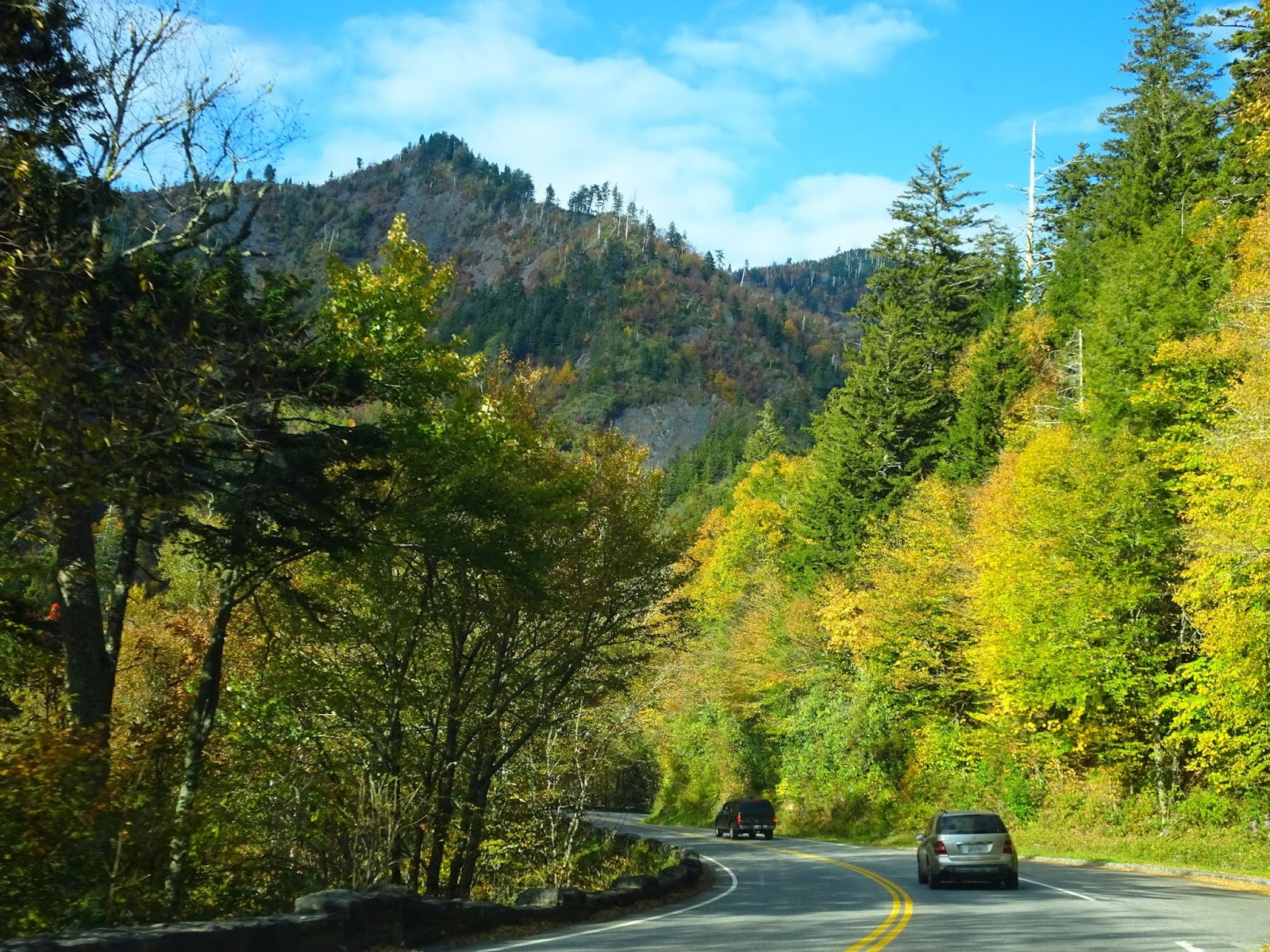
This 33-mile route from Gatlinburg, TN, to Cherokee, NC, is the spine of fall-color driving in the Smokies—it climbs from low to high elevation, so you’ll witness the color progression in a single drive. The Carlos Campbell Overlook delivers postcard-perfect views of Bull Head Mountain framed by the colorful valley below, while the Newfound Gap Overlook at 5,046 feet offers expansive vistas and multiple pullouts for photos.
Best for: anyone who wants maximum scenic payoff with minimal planning—this is the most iconic drive in the park. The single reason it wins: elevation gain means you see peak color at the top even when lower elevations haven’t turned yet, extending your viewing window by weeks.
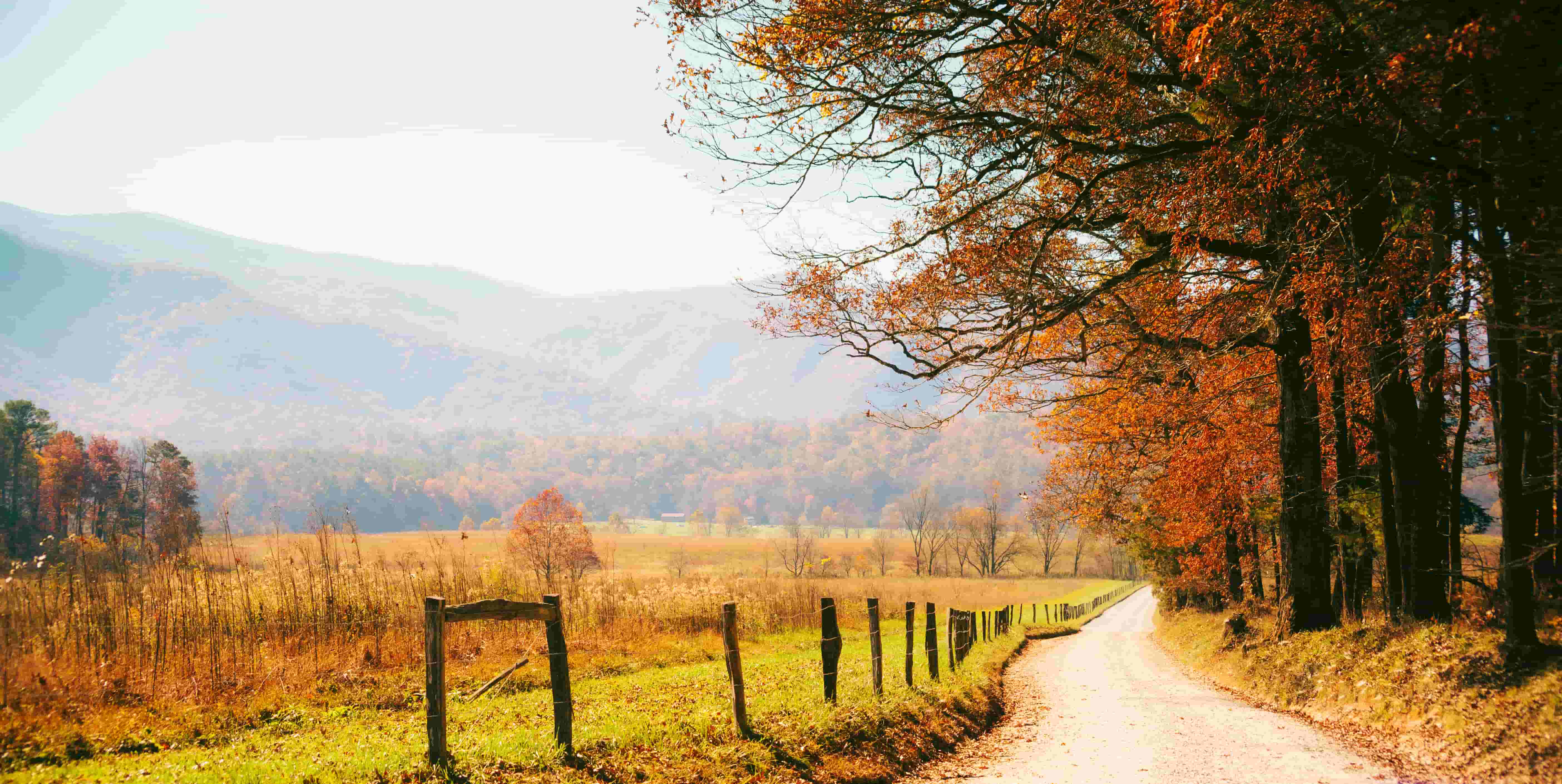
Cades Cove Loop Road (State Route 73)
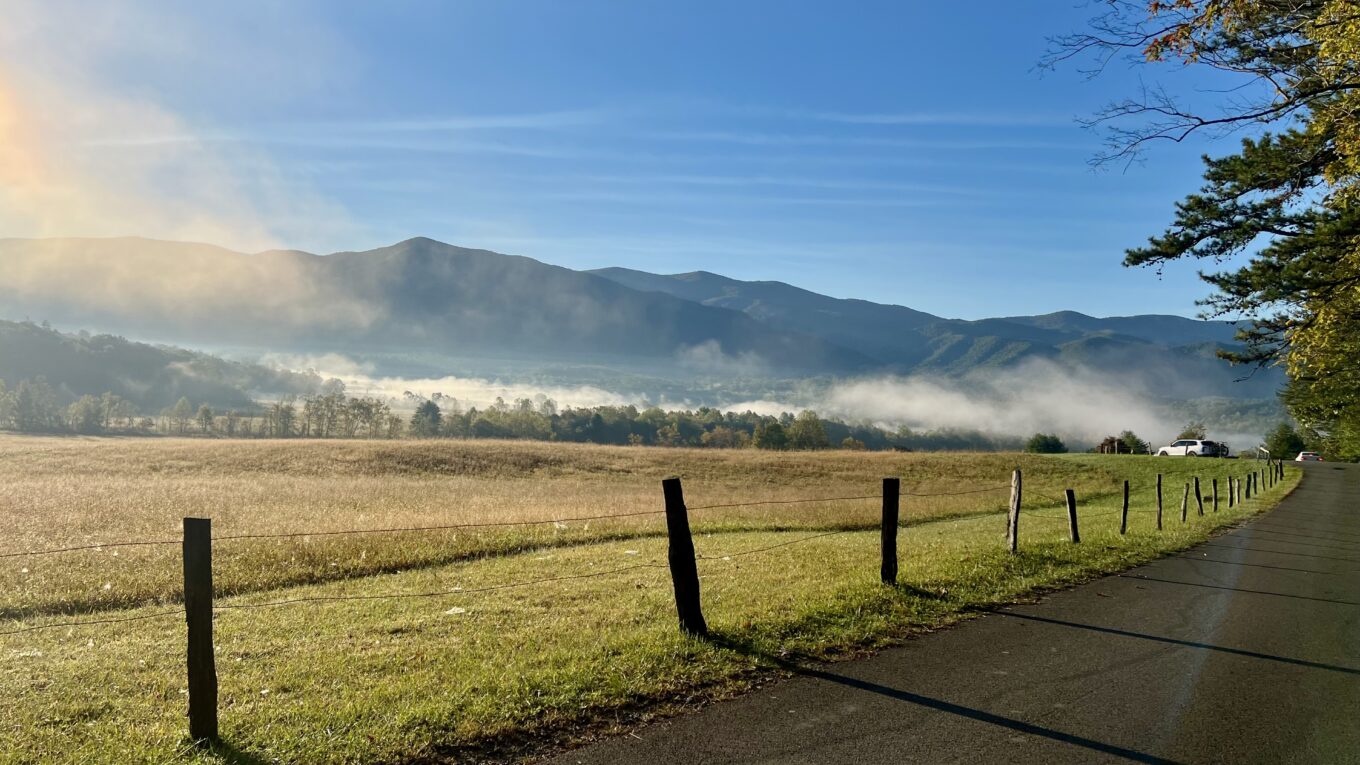
An 11-mile one-way loop that trades mountain summits for open-field drama—the contrast between vibrant foliage and pastoral meadows is what makes this drive feel different from others. Plan two to four hours if you stop at overlooks and explore some of the area’s trails; wildlife like deer and wild turkeys add to the experience.
Start on The Parkway (US-441) and turn right after the Sugarlands Visitor Center. Best for: photographers and anyone who wants to stretch their legs without committing to a full hike.
The single reason it wins: the open valley backdrop amplifies the color contrast—trees pop against sky and field in ways they don’t on narrower mountain roads.
Blue Ridge Parkway (NC-215 & US-74)
This 469-mile connector between Great Smoky Mountains and Shenandoah National Parks showcases elevation-driven color progression across a much longer route than the others—numerous pullouts let you stop and absorb the shift from early-turning high peaks to late-turning lower valleys. Best for: road-trip travelers who want to extend their fall-color experience across multiple days or combine this with a Shenandoah visit.
The single reason it wins: it’s the longest and most varied drive here, so if you have time, it delivers the most complete picture of how fall unfolds across the entire mountain range.
Foothills Parkway (US-321 & TN-73)
Drive this route in early October when high-elevation trees turn first—the Foothills Parkway offers views that locals describe as breath-taking, with less crowding than Newfound Gap Road. Best for: travelers visiting in early September or early October who want to see peak color at higher elevations before lower elevations turn.
The single reason it wins: it’s the best early-season drive, so if you’re visiting before mid-October, this is where the color actually is.
Roaring Fork Motor Nature Trail
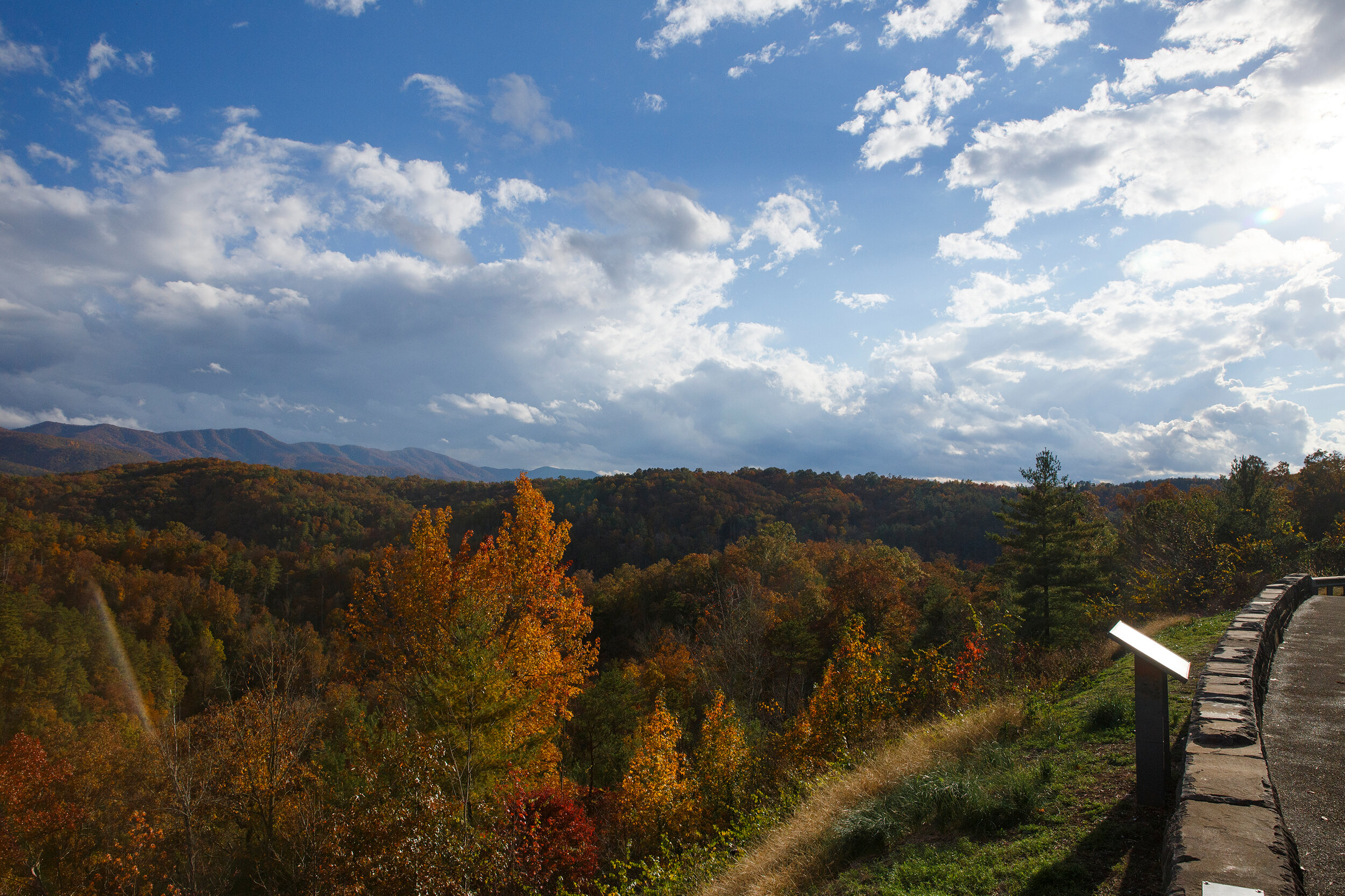
This drive packs more than just color—it weaves through historical structures, cascades, and roadside waterfalls, so you’re not just looking at leaves, you’re exploring the park’s history and water features. Best for: travelers who want scenery plus context, or anyone who finds a pure scenic drive too passive.
The single reason it wins: it’s the only drive here that layers in waterfalls and historic sites, so your stops feel purposeful rather than repetitive.
Little River Road
Wind through the mountains on this drive and make your way toward Tremont or Cades Cove—it’s less famous than Newfound Gap but delivers genuine mountain scenery without the same traffic volume. Best for: anyone seeking a quieter alternative that still delivers solid fall color.
The single reason it wins: fewer crowds and fewer pullouts means you’re more likely to find parking and actually enjoy the drive without stopping every mile.
Timing Your Drive: When to Go
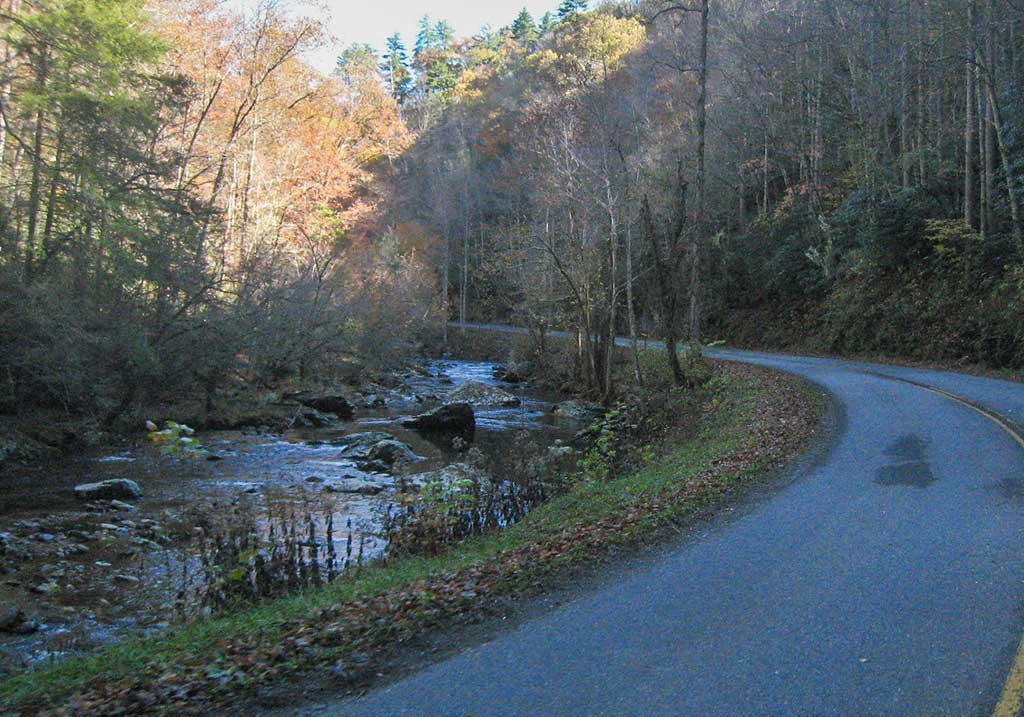
High-elevation drives (Foothills Parkway, Newfound Gap Road to Clingmans Dome) peak mid-September to mid-October. Mid and lower-elevation routes (Cades Cove, Roaring Fork, Little River Road, Blue Ridge Parkway) peak mid-October to early November.
The exact timing shifts year to year based on temperature and rainfall, so confirm current conditions with the park before booking your trip. Midweek mornings offer the best combination of light and parking availability—avoid weekends and late afternoons when pullouts fill up.
Where are the Best Overlooks and Observation Towers for Fall Views?
The Smokies’ most rewarding fall vistas require zero hiking — pull over at the right overlook and you’re standing in a cathedral of color without breaking a sweat. These five spots deliver the kind of panoramic views that make the drive worth it, each with its own timing advantage and light magic depending on when you arrive.
Clingmans Dome (Kuwohi Mountain) & Observation Tower
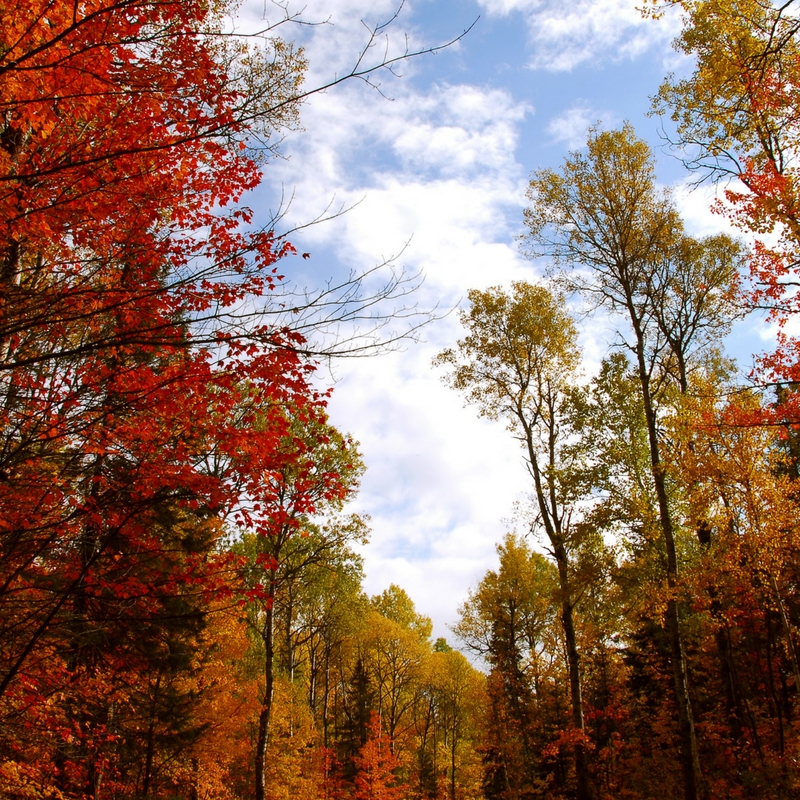
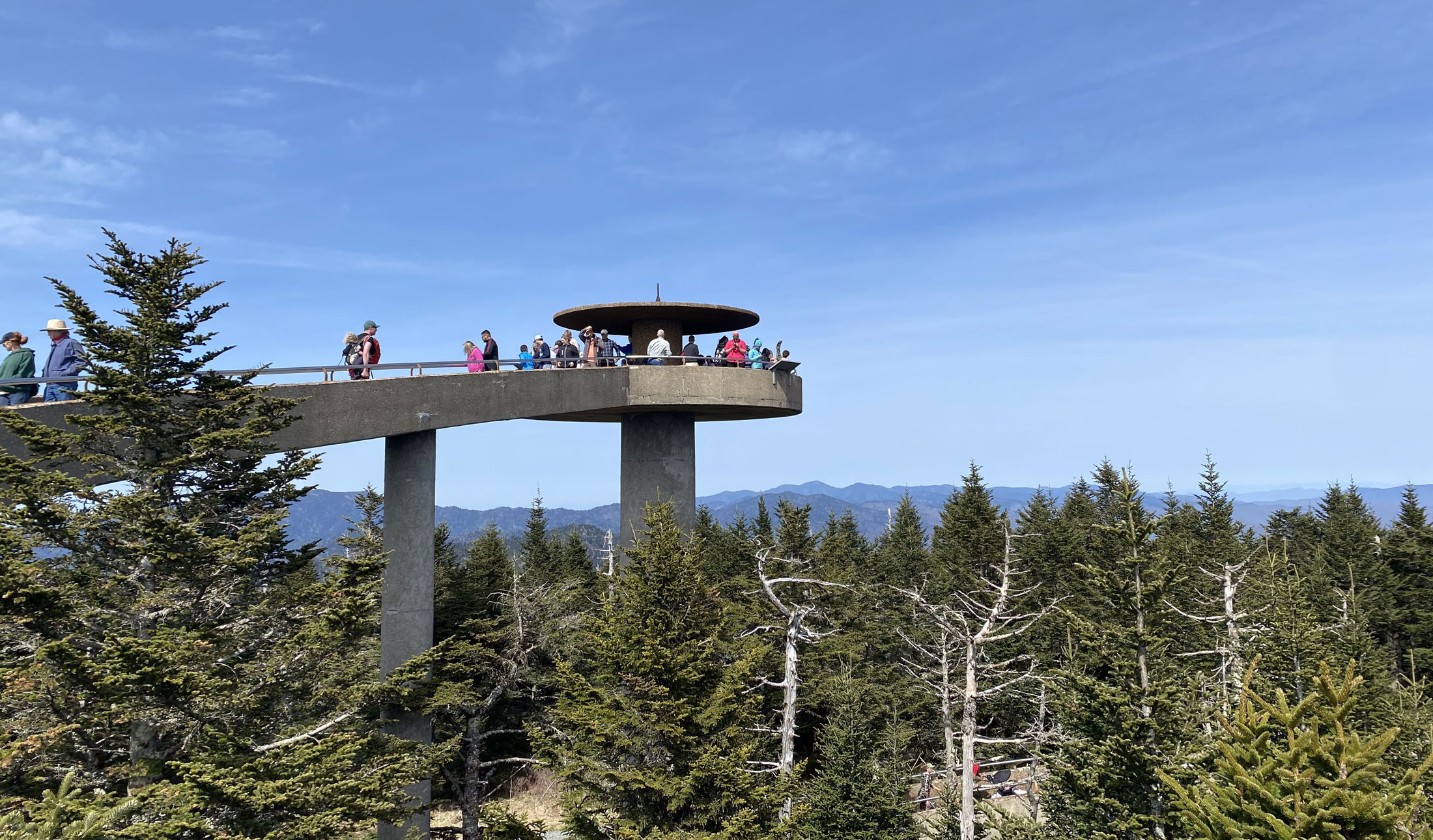
At 6,643 feet, Clingmans Dome is the Smokies’ highest point and the single best vantage for seeing the entire park turn color at once. The stone observation tower delivers 360-degree panoramic views of vibrant treetops stretching for miles — on clear days you can see into multiple states.
This matters because elevation timing is everything in fall: high-elevation leaves peak mid-September to mid-October, so if you’re visiting early October, Clingmans Dome is non-negotiable.
The payoff requires a short 0.5-mile hike from the parking area, but it’s steep and paved, meaning it’s accessible but not a stroll. Arrive by 8 a.m. on weekends or you’ll spend 30 minutes hunting for parking.
The road to Clingmans Dome closes in winter (typically late November through March, though exact dates vary annually), so confirm access before you drive — check with the park or call ahead because seasonal closures change. The observation tower itself sits at the summit, so you’re getting maximum elevation without a backcountry trek.
Morton Overlook
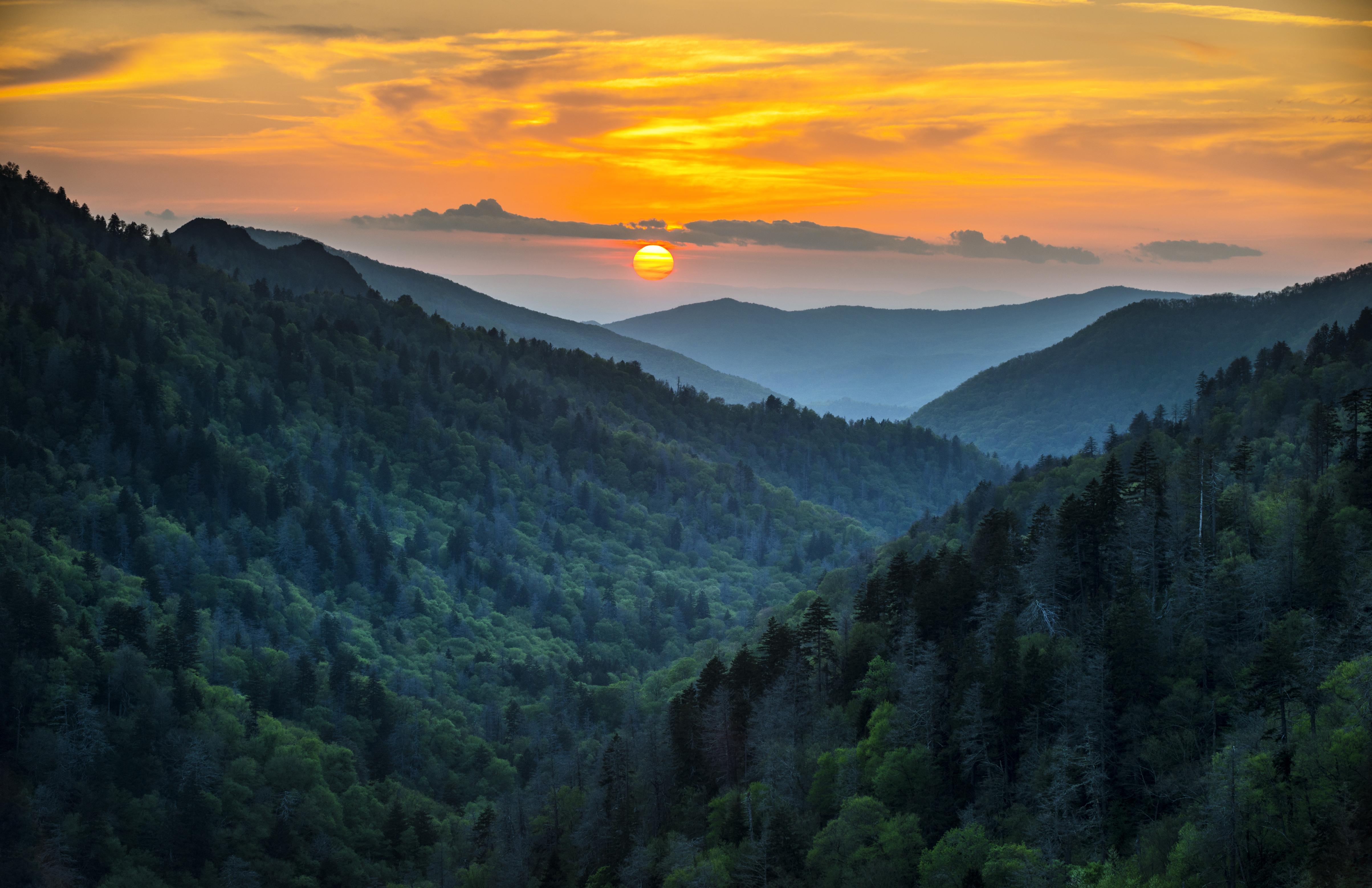
Morton Overlook wins for sunset photography — the golden light hits the fall colors here with a warmth you won’t find elsewhere on Newfound Gap Road. It’s a pull-off stop with no hiking required, making it perfect for travelers who want impact without effort.
The sweeping views of mountains and valleys create natural framing for autumn shots, especially when the canopy is at peak color in mid-to-late October.
This overlook sits along Newfound Gap Road (US-441), the park’s main north-south corridor, so it’s easy to reach from either Gatlinburg or the North Carolina side. Arrive 30 minutes before sunset to claim a spot and avoid the crush of other photographers.
Unlike Clingmans Dome, this overlook stays open year-round and rarely fills to capacity, making it a smart backup if higher-elevation spots are packed.
Oconaluftee Valley Overlook
This overlook near the southern end of Newfound Gap Road delivers the most photogenic morning light in the park — arrive before sunrise and you’ll catch mist rising off the colorful valleys as the sun breaks through. The vistas of rolling mountains and treetops are stunning in mid-to-late October when lower elevations peak, and the morning timing means you’ll beat the crowds that swarm later in the day.
It’s another no-hike overlook, just pull off and step out. The location puts you close to the Oconaluftee Visitor Center on the North Carolina side of the park, making it a logical first stop if you’re entering from that direction.
Bring a tripod if you’re serious about photography — the light here rewards patience.
Look Rock Tower
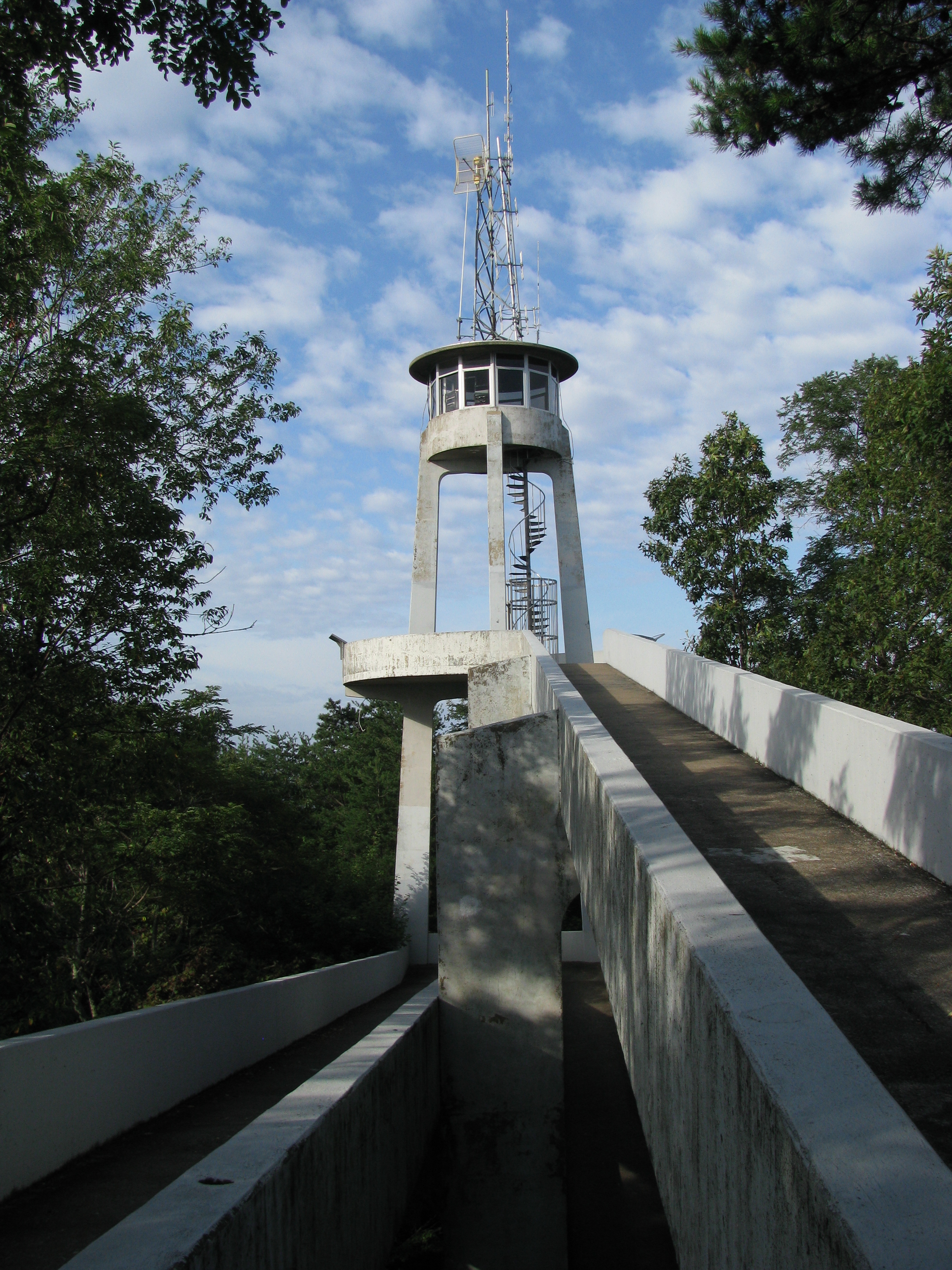
Look Rock Tower on the Foothills Parkway is the move for travelers who want a tower experience without the Clingmans Dome crowds. The short hike to the observation tower rewards you with sweeping 360-degree views, and it’s an excellent spot for sunrise or sunset.
The Foothills Parkway itself is less trafficked than Newfound Gap Road, so you’ll spend less time circling for parking.
The tower sits at a lower elevation than Clingmans Dome, so it peaks slightly later — mid-to-late October into early November. Plan to arrive early or stay late for light magic, and bring a headlamp if you’re hiking before sunrise or after sunset.
The Foothills Parkway (US-321 and TN-73) offers some of the park’s most scenic driving, so this stop pairs naturally with a full parkway loop rather than a quick detour.
Mount LeConte and Mount Cammerer
These peaks are for hikers willing to trade effort for solitude and unobstructed color. Mount LeConte (6,593 feet) and Mount Cammerer (5,025 feet) offer high-elevation vistas without the observation tower crowds, though both require substantial hikes — Mount LeConte typically takes 5-7 hours round trip depending on your route, while Mount Cammerer is a more moderate 4-5 hour round trip.
The payoff is a 360-degree view of the mountains turning color, with far fewer people than you’ll find at Clingmans Dome.
These peaks are best visited in mid-September through mid-October when high-elevation leaves are at their most vibrant. Both hikes are strenuous enough that casual visitors self-select out, meaning you get genuine mountain solitude.
Start early — sunrise hikes to either peak require headlamps and careful footing, but the light reward is worth the pre-dawn wake-up. If you’re based in Gatlinburg or nearby towns, these make sense as full-day adventures paired with a hearty breakfast before you leave.
Planning note: Fall is peak season in the Smokies, so parking at all overlooks fills by mid-morning on weekends. Arrive by 8 a.m. or plan for late-afternoon visits when morning crowds thin.
Gatlinburg and Pigeon Forge are the closest gateway towns with lodging, restaurants, and supplies — book accommodations early if you’re visiting mid-October through early November. Bring layers regardless of elevation; mountain weather shifts fast, and higher overlooks are 15-20 degrees cooler than valley towns.
Top Hiking Trails to Experience Autumn Foliage Up Close
The Smoky Mountains’ 850 miles of trails mean you can walk directly into the color show instead of watching it from a car window—and fall is when nearly every path becomes a legitimate destination, not just a warm-weather checkbox. The key is matching trail difficulty to your fitness level and timing your hike to the elevation zone where colors are currently peaking: high elevations (above 4,000 feet) turn first in mid-September, mid-elevations follow in early October, and lower valleys hit their peak between mid-October and early November.
Arrive early at popular trailheads like Alum Cave and Cades Cove—parking fills by mid-morning on weekends—and pack layers because mountain temperatures swing 15–20 degrees between sun and shade, especially at higher elevations.
Base yourself in Gatlinburg or Pigeon Forge for quick access to most trailheads and a full range of lodging options; both towns sit just outside the park’s main entrances and offer convenient overnight stays before early-morning hikes. Book accommodations at least 4–6 weeks ahead during peak fall season (mid-October through early November).
Easy Fall Strolls (Sugarlands Valley, Oconaluftee River, and Gatlinburg Trails)
Sugarlands Valley Nature Trail wins for anyone who wants autumn color without any real hiking: the trail is paved, flat, and wide enough for strollers and wheelchairs, with benches positioned to soak in views of the river and canopy. The payoff is real—you’ll pass remnants of an old homestead and can spot bear prints pressed into the pavement.
Distance is roughly 2.6 miles round trip, and the lack of elevation gain means you can move at a meditative pace and actually absorb the colors instead of watching your feet.
Oconaluftee River Trail follows water through a valley floor lined with maples and birches, making it ideal for photographers who want soft light and reflections without scrambling uphill. The trail is easy, roughly 2 miles round trip, and the river’s presence keeps the air cool even during warm fall days.
This is the move for families with young kids or anyone recovering from injury.
Gatlinburg Trail is a 3.8-mile out-and-back that hugs the Middle Prong creek and stays mostly flat, offering intimate views of water and foliage without the crowds of more famous routes. The trail is unpaved but well-maintained, and the creek keeps the microclimate cool and moist—colors linger longer here than on exposed ridges.
Moderate Autumn Hikes (Alum Cave, Andrews Bald, and Appalachian Trail to Indian Gap)
Alum Cave Trail is the sweet spot for hikers who want real elevation gain (about 1,000 feet) without committing to a full-day climb. The 5-mile round trip ascends through a diverse forest where you’ll see multiple tree species changing color at slightly different times—sugar maples, scarlet oaks, and hickories create a layered palette.
The trail ends at a dramatic cave shelter with views back down the valley; the cooler microclimate at 4,000 feet means colors peak here later than lower elevations, giving you a second window if you miss the initial peak. Arrive by 8 a.m. on weekends; this trailhead fills completely by mid-morning during peak fall.
Andrews Bald is a 3.6-mile round trip from Clingmans Dome Road that rewards moderate effort with 360-degree views from an open meadow at 5,920 feet. The exposed ridge means you’re hiking through color at multiple elevations simultaneously—spruce and fir at the top, then hardwoods as you descend.
This hike is best in early October when high-elevation colors are at their peak; by late October, the show has moved downslope.
Appalachian Trail to Indian Gap covers 3.4 miles round trip and lets you walk a section of the iconic long-distance trail while surrounded by fall foliage. The moderate difficulty and historical significance make this a solid choice for hikers who want a sense of accomplishment without technical scrambling.
The trail gains roughly 700 feet and offers views of the ridge system that extends across the park.
Strenuous Peak Climbs (Chimney Tops Trail)
Chimney Tops Trail is the park’s most popular strenuous hike for a reason: the 3.4-mile round trip climbs 1,400 feet to twin rock formations with views that justify every step. The final push involves rock scrambling and chains, and the exposure is real—this is not a casual walk.
But the payoff is unmatched: you’re above the canopy looking down at a sea of color, and on clear October days, visibility extends 40+ miles. The trail is steep, rocky, and can be icy in early morning, so wear proper hiking boots and start before 7 a.m. to avoid crowds and secure parking.
This hike is best in mid-to-late October when lower elevations are peaking and you can see the full color gradient from your vantage point.
Historic Forest Trails (Mingus Creek, Porters Creek, and Little Brier Gap)
Mingus Creek Trail is an easy-to-moderate 3.2-mile out-and-back that follows a creek through old-growth forest, passing the remains of historic structures from the pre-park settlement era. The creek keeps the canopy dense and moist, so colors stay vibrant longer here than on exposed slopes.
This is the move for history buffs and photographers who want intimate forest scenes rather than panoramic vistas.
Porters Creek Trail is a 3.8-mile out-and-back through a lush valley with multiple historic homestead sites scattered along the route. The trail is easy, mostly flat, and follows a creek that reflects fall colors beautifully in still pools.
The forest here is dense enough that you’re walking through a tunnel of color, and the historic structures add a layer of human story to the natural display. This trail is less crowded than Alum Cave or Chimney Tops, making it ideal for anyone seeking solitude during peak season.
Little Brier Gap Trail is a 6.8-mile out-and-back that climbs gradually through diverse forest and passes historic structures, offering a longer immersion in fall color without the technical difficulty of higher peaks. The trail is moderate in difficulty and rewards steady effort with views of the ridge system and a sense of deep forest exploration.
This hike is best for experienced hikers who want to spend 3–4 hours in the mountains without rope or scrambling.
Comparison Overview: Choosing Your Fall Hike
| Trail Name | Distance | Difficulty | Best For | Peak Color Timing |
|---|---|---|---|---|
| Sugarlands Valley | 2.6 mi round trip | Easy | Families, strollers, accessibility | Mid-Oct to early Nov |
| Oconaluftee River | 2 mi round trip | Easy | Photography, water views | Mid-Oct to early Nov |
| Gatlinburg Trail | 3.8 mi out-and-back | Easy | Creek lovers, crowds avoidance | Mid-Oct to early Nov |
| Alum Cave | 5 mi round trip | Moderate | Elevation gain, diverse species | Late Sept to mid-Oct |
| Andrews Bald | 3.6 mi round trip | Moderate | 360-degree views, high elevation | Early to mid-Oct |
| Appalachian Trail to Indian Gap | 3.4 mi round trip | Moderate | History, ridge views | Mid-Oct to early Nov |
| Chimney Tops | 3.4 mi round trip | Strenuous | Peak views, scrambling experience | Mid to late Oct |
| Mingus Creek | 3.2 mi out-and-back | Easy-Moderate | Historic sites, forest immersion | Mid-Oct to early Nov |
| Porters Creek | 3.8 mi out-and-back | Easy | Solitude, homestead history | Mid-Oct to early Nov |
| Little Brier Gap | 6.8 mi out-and-back | Moderate | Long forest immersion, experienced hikers | Mid-Oct to early Nov |
Insider detail: Stop at Sugarlands, Oconaluftee, or Clingmans Dome visitor centers before hitting the trail for real-time updates on which elevation zones are currently peaking—this single piece of information will save you from arriving at a trailhead where colors have already faded. Rangers update these reports daily during fall season and can steer you toward trails hitting peak color that exact day.
What are the Best Fall Attractions and Outdoor Activities in the Smokies?
Fall in the Smokies isn’t just about parking at overlooks—it’s about moving through the mountains on your own terms, whether that means soaring above the canopy or paddling through it. The season compresses outdoor options into a narrow window: white water rafting runs only through mid-October, guided hikes book solid by September, and the best chairlift rides operate year-round but shine brightest when the trees are burning.
Base yourself in Gatlinburg or Pigeon Forge (both gateway towns with direct park access), book activities at least 2–3 weeks ahead during peak foliage season, and arrive early to secure parking at trailheads and activity outposts.
Sky-High Views (Anakeesta, Gatlinburg SkyPark, and Ober Mountain Aerial Tramway)
These three chairlift and aerial tramway systems get you above the tree line without the hike—and that matters in fall, when you want maximum color with minimal exertion. Each offers a different vantage: Anakeesta wins for immersion in the canopy itself, Gatlinburg SkyPark dominates for sheer height and observation tower views, and Ober Mountain’s aerial tramway is the fastest ascent if time is tight.
Anakeesta combines a scenic Chondola ride to the summit with the Treetop Skywalk—North America’s longest tree-based bridge—letting you walk suspended through the fall foliage at eye level with the canopy. The AnaVista Tower at the top delivers 360-degree views of the colored mountains.
This is the move for anyone who wants to feel immersed in the colors rather than just observe them from a distance. Book online in advance; the Chondola and Skywalk operate daily during fall foliage season, though hours vary.
Gatlinburg SkyPark is the choice if you want the highest vantage point and the most structured experience. The SkyLift carries you to the top of Crockett Mountain, where you can walk the SkyTrail, cross the SkyBridge, or climb the Tulip Tower observation tower for the best panoramic views.
The park also hosts fall festivities and activities throughout the season. Expect roughly $30–$50 per person depending on which attractions you add; arrive by mid-morning to avoid afternoon crowds and haze.
Ober Mountain Aerial Tramway (also called Ober Gatlinburg) is the fastest and most straightforward option—a single cable car ride up and down with views the entire way. It’s best for families with young children or anyone who wants minimal fuss.
Operating hours and pricing vary seasonally; confirm current details with the operator before visiting.
Adventure Sports (White Water Rafting and CLIMBWorks Ziplining)

These two activities let you chase the colors while your adrenaline is pumping. White water rafting on the Pigeon River runs through mid-October only—after that, water levels drop and the season closes.
Ziplining operates year-round but feels most rewarding when the canopy is ablaze beneath you.
White Water Rafting on the Pigeon River combines mild to moderate rapids with scenic canyon walls and fall foliage views. Trips typically run 2–3 hours and are available through mid-October, so don’t delay if this appeals to you.
Multiple outfitters operate in the Gatlinburg area; expect roughly $30–$50 per person. The best time to go is mid-to-late October when the water is still runnable but the colors are at peak mid-elevation display.
Book directly with operators at least 1–2 weeks ahead during foliage season.
CLIMBWorks Ziplining lets you soar above the Smoky Mountain canopy on a series of cables, taking in the fall colors from above. This is ideal for thrill-seekers who want an active experience rather than a passive viewing.
Ziplining operates year-round, but fall is the most visually rewarding time. Tours typically last 2–3 hours; expect to pay roughly $100–$150 per person.
Book in advance, especially on weekends.
Guided Tours, Horseback Riding, and Carriage Rides
Guided experiences remove the guesswork about which trails are best for current foliage conditions and which spots will be mobbed. September and October are the most popular months for guided hikes because of cooler temperatures and peak colors.
Guided Hikes with local companies like A Walk in the Woods offer short walks, half-day, and full-day options tailored to your fitness level and schedule. Award-winning guides know which trails are showing the best colors on any given week and can adjust routes based on real-time conditions.
Book at least 2–3 weeks ahead during peak season; expect roughly $75–$200+ depending on group size and duration.
Horseback Riding and Carriage Rides are available through outfitters in the Gatlinburg and Pigeon Forge area. These are best for families or anyone who wants a slower-paced, scenic experience without the physical demand of hiking.
Rides typically last 1–2 hours and cost roughly $50–$100 per person. Book in advance, especially on weekends and during peak foliage weeks.
Fly Fishing in Autumn Streams

Fall is prime fly fishing season in the Smokies—water temperatures cool, fish are active, and you’re surrounded by changing colors. The park has over 700 miles of streams open to fishing, with brook trout, rainbow trout, and brown trout in different elevations.
You’ll need a valid Tennessee or North Carolina fishing license (depending on which side of the park you fish) and a park fishing permit. Licenses are available online or at visitor centers; permits are free.
Catch-and-release is required in most park streams. Fly fishing is best in early morning or late afternoon when light is softer and fish are feeding.
If you’re new to fly fishing, hire a guide—local outfitters offer half-day and full-day trips, typically ranging from $200–$400 for two people. Guides know the best streams for current conditions and can teach technique while you fish surrounded by fall foliage.
Book at least 2–3 weeks ahead during September and October.
Where Should You Stay to See the Fall Colors?
Your lodging choice determines whether you’re fighting crowds at 9 a.m. or watching sunrise alone—Gatlinburg and Pigeon Forge are the only gateways with real proximity to trailheads, scenic drives, and overlooks, but they fill up fast during peak foliage season (mid-October through early November), so book 2–3 months ahead if you want a room with a view instead of a parking lot view.
Glamping at Under Canvas Great Smoky Mountains

This is the move if you want to wake up surrounded by fall colors without sacrificing comfort—safari-style tents with real beds, heating, and private bathrooms put you on the edge of the park action without the standard hotel noise. The property sits close enough to Gatlinburg attractions and scenic drives that you’re not wasting daylight on commute time, but far enough removed that you actually feel like you’re in the mountains.
Book early for fall; availability drops fast once mid-September hits.
Gateway Hotels in Gatlinburg and Pigeon Forge
Both towns function as your base camp, and the choice between them matters: Gatlinburg sits closer to Newfound Gap Road (US-441), Clingmans Dome, and the park’s most direct trailhead access, making it the stronger pick if you’re prioritizing early-morning hikes and scenic drives. Pigeon Forge offers more budget options and family attractions (ziplines, chairlifts, Anakeesta’s Chondola and Treetop Skywalk), so it wins if you’re mixing foliage viewing with activity-based entertainment.
Expect lodging rates to climb 30–50% during peak fall season (mid-October through early November) compared to summer prices. Book accommodations by late July or early August for mid-October travel; by September, most mid-range and upscale properties in both towns are either sold out or charging premium rates.
Arrive early on your travel day—parking at popular overlooks like Cades Cove, Clingmans Dome, and trailheads fills by 9–10 a.m. during peak foliage weeks.
Pack layers and a waterproof jacket regardless of where you stay; temperatures swing dramatically between valley floors and higher elevations, and fall weather can shift from clear to rainy within hours. Stop at Sugarlands or Oconaluftee visitor centers (both accessible from gateway towns) for real-time updates on color progression and trail conditions before heading out each day.
How to Plan Your Smoky Mountains Fall Color Trip
Fall crowds in the Smokies peak between mid-October and early November, which means the difference between a serene morning hike and fighting for parking comes down to arrival time and one strategic decision: which elevation zone to target first. The highest elevations (above 4,000 feet) peak around mid-October with yellow birch and American beech, while lower elevations follow a week later with sugar maple and scarlet oak—so your packing, parking strategy, and visitor center stops should align with which zone you’re prioritizing, not just the calendar date.
Essential Packing Tips for Variable Mountain Weather
Temperatures swing dramatically between trailheads and summits, and fall weather shifts unpredictably—bring layers that you can shed or add without stopping to dig through a pack. A waterproof jacket is non-negotiable; afternoon rain is common in October, and wet leaves on exposed ridges turn dangerous fast.
Sturdy hiking boots with good ankle support matter more in fall than summer because wet leaves hide root hazards and loose rocks—sneakers or trail runners will leave you slipping and frustrated.
For early-October high-elevation drives (Clingmans Dome Road, Foothills Parkway), pack a fleece or insulating layer even if the valley is 70°F—summits run 15–20°F cooler. Bring a hat and gloves if you’re starting before 8 a.m. or planning sunset viewing; mountain air cools fast once the sun dips.
A small daypack with water, snacks, and a phone charger keeps you mobile for the overlook-hopping strategy that actually captures peak colors without wasting daylight on wrong turns.
Parking and Crowd Management Strategies
Arrive at popular trailheads and scenic drives by 7:30 a.m. or plan to return after 3 p.m.—the mid-morning to early-afternoon window (9 a.m.–2 p.m.) is when parking lots fill and overflow parking gets directed to distant lots. Cades Cove Loop Road, Clingmans Dome, and Alum Cave Trail are the first to max out because they’re the most accessible and photogenic.
If you’re staying in Gatlinburg or Pigeon Forge (the two gateway towns with the most lodging options), book your accommodations at least 4–6 weeks ahead for mid-October dates; by then, most fall-season rooms are reserved.
Skip the most famous overlooks during peak hours and use the Foothills Parkway and Roaring Fork Motor Nature Trail instead—these routes have fewer crowds and equally stunning views, especially if you’re visiting mid-October when higher elevations are at their best. If you’re hiking, tackle moderate trails like Alum Cave or Andrews Bald early; strenuous peaks like Chimney Tops draw crowds all day but thin out significantly after 2 p.m. if you’re willing to finish in fading light.
Lower-elevation trails (Sugarlands Valley, Oconaluftee River) are your safest bet for solitude during the peak foliage window because most visitors chase the high-elevation drama first.
Utilizing Park Visitor Centers
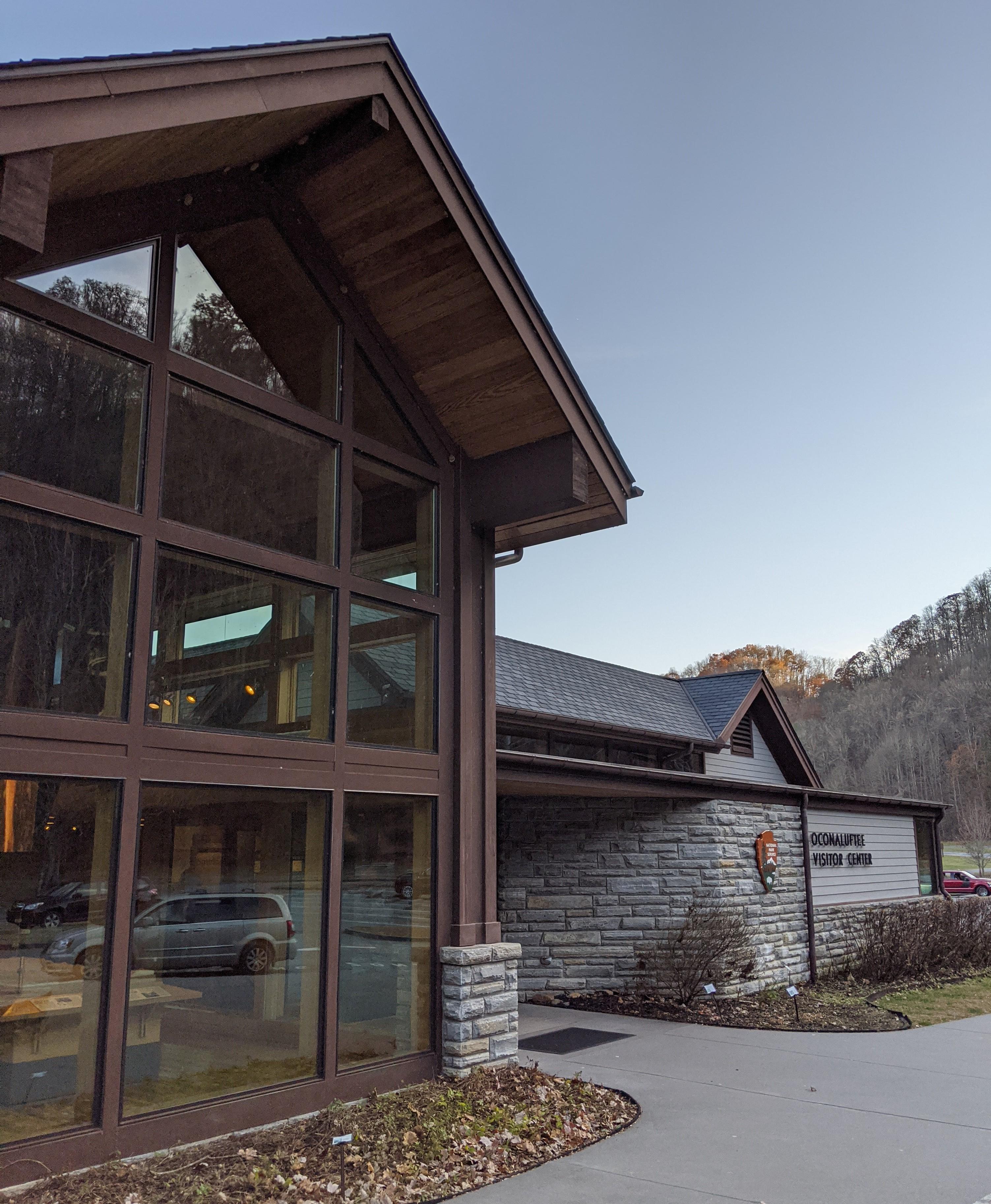
Stop at Sugarlands Valley Visitor Center (near the Gatlinburg entrance) first if you’re arriving mid-morning or later—staff there can tell you which elevation zones are currently peaking and which trails have the best color-to-crowd ratio that specific day. Oconaluftee Visitor Center (on the North Carolina side, near Cherokee) is less crowded and equally useful for real-time updates on lower-elevation foliage status and road conditions.
Both centers provide free park maps and can recommend trails based on your fitness level and time available, saving you from wasting an hour on a trail that peaks in two weeks.
Clingmans Dome Visitor Center (at the highest point in the park) is worth a quick stop if you’re already driving that road, but don’t make it a detour—the observation tower is the real draw there, not the center. Ask staff about which scenic drives have the fewest closures that day; fall weather can close sections of Clingmans Dome Road or Foothills Parkway without notice, and visitor centers get updates before online sources do.
If you’re planning a guided hike with A Walk in the Woods or any outfitter, ask the visitor center staff which guides specialize in the elevation zone you’re targeting—they often have current intel on which trails are showing the best color that week.
Frequently Asked Questions
When exactly do the Smoky Mountains reach peak fall color?
Peak timing depends entirely on elevation. High-elevation trees (above 4,000 feet) peak between early and mid-October, while the most dramatic display happens at mid and lower elevations between mid-October and early November—this is when sugar maples, scarlet oaks, and red maples explode in color across the broader landscape.
The exact week shifts year to year based on temperature and moisture, so confirm current conditions with Sugarlands or Oconaluftee visitor centers before you drive. Early September shows color only at the highest peaks; don’t plan your trip around that unless you’re specifically hiking to high elevation.
Do I need to book lodging months in advance for fall foliage season?
Yes—book Gatlinburg and Pigeon Forge accommodations at least 2–3 months ahead if you’re targeting mid-October through early November. These gateway towns fill completely during peak color weeks, and prices spike 30–50% above shoulder season rates.
If you wait until August or September, you’ll face limited availability and premium pricing. Booking early also secures parking-friendly lodging near main park entrances rather than being pushed to overflow areas with longer drives to trailheads.
What’s the best strategy for parking at popular fall foliage spots?
Arrive by 8 a.m. at heavily visited overlooks and trailheads like Cades Cove, Clingmans Dome, and Alum Cave Trail—parking fills by mid-morning during peak season. If you’re visiting mid-October through early November, plan to be on the road before sunrise.
Visitor centers at Sugarlands, Oconaluftee, and Clingmans Dome provide real-time updates on parking availability and can direct you to less-crowded alternatives with equally strong color displays.
Can I see fall colors and do other activities at the same time?
Absolutely. White water rafting on the Pigeon River runs through mid-October and pairs perfectly with foliage viewing.
Anakeesta’s Treetop Skywalk and Chondola chairlift let you experience colors from above without hiking, while guided hikes through A Walk in the Woods offer half-day and full-day options timed specifically for peak color weeks in September and October. Ziplining at CLIMBWorks and chairlift rides in Gatlinburg (Aerial Tramway, SkyLift) also deliver foliage views without committing to strenuous trails.
Layer these activities into scenic drives along Newfound Gap Road, Cades Cove Loop, and Roaring Fork Motor Nature Trail, which have pullouts for stretching and photo stops.
Book Your Smoky Mountains Fall Trip Now
Start by choosing your elevation zone: if you’re visiting before mid-October, target high-elevation drives like Foothills Parkway and Clingmans Dome Road where colors are actually peaking; if you’re coming mid-October through early November, base yourself in Gatlinburg and focus on Newfound Gap Road, Cades Cove, and lower-elevation trails where the most dramatic color display is happening. Call Sugarlands or Oconaluftee visitor centers the morning of your visit to confirm which specific trails and drives are showing peak color that exact day—this single phone call saves you from arriving at a trailhead where colors have already faded.
Fall foliage in the Smokies is genuinely worth the crowds and the planning because you’re not just watching trees change; you’re standing inside a landscape that transforms completely over six weeks, with each elevation zone delivering a different palette and mood. The difference between a mediocre fall trip and an unforgettable one comes down to timing and arrival time—arrive by 8 a.m. at popular spots, book lodging by late July, and you’ll have the Smokies’ most spectacular season mostly to yourself.
Book your Gatlinburg or Pigeon Forge lodging today for your target fall dates, then confirm current color status with the park one week before you travel so you can adjust your elevation strategy if needed.
Leave a Reply