The moment you merge onto an empty highway with nothing but your playlist, your thoughts, and 500 miles of open road ahead, you understand why solo road trips rewire people. The Pacific Coast Highway’s cliffs drop straight into the Pacific, Oregon’s Highway 101 curves through temperate rainforest, and the American Southwest’s red rock canyons stretch so far you forget what civilization looks like.
Solo road trips in the USA are fundamentally different from group travel because you control the pace entirely—you stop for as long as a sunset takes or push through to the next town on pure momentum, with zero negotiation. This guide cuts through the noise and tells you exactly which route matches your actual priorities, how long it really takes (spoiler: longer than you think), and what to pack so you don’t end up stranded or exhausted.
Budget ranges vary wildly by route: Pacific Coast Highway and Florida Keys run $150–250 per day (lodging, food, gas) in peak season; remote desert routes like Highway 95 or US 395 drop to $80–150 daily because you’re staying in small towns or camping; the American Southwest and Vermont foliage routes hit $200–300 daily during peak season because demand spikes.
Pick Your Route Based on What You Actually Want
Short on time (3–5 days)? Pacific Coast Highway, Oregon Highlights, Idaho (Boise–Coeur d’Alene), or New Mexico deliver scenery and exploration without requiring two weeks of vacation.
Want genuine solitude and don’t mind sparse services? Highway 95 (Reno–Vegas), US 395, California Deserts, or American Southwest offer long stretches where you’re truly alone with the landscape.
Prefer constant access to towns, restaurants, and people? Pacific Coast Highway, Florida Keys, or Vermont give you frequent stops and zero isolation anxiety.
Chasing a specific season? Vermont foliage (mid-September to mid-October) is non-negotiable for fall; everything else works year-round with seasonal tradeoffs. California Deserts and Southwest routes are only comfortable November–March due to summer heat exceeding 110°F.
Have 10+ days? American Southwest loop, California Deserts, or a combination of multiple routes lets you explore deeply without the rushed, exhausted feeling that kills road trips.
What Are the Best Routes for a Solo Road Trip in the USA?
The best solo road trip route depends entirely on what you need from the drive: solitude and scenery, quirky detours, or a specific season’s payoff. Each of these 10 routes delivers a different kind of solo experience — some reward you for stopping often, others for pushing through to dramatic payoffs.
The mistake most solo drivers make is underestimating both drive time and exploration time at each stop; plan for roughly 30–50% more hours than your GPS suggests, especially if you’re visiting national parks or small towns worth lingering in.
10. Pacific Coast Highway, California
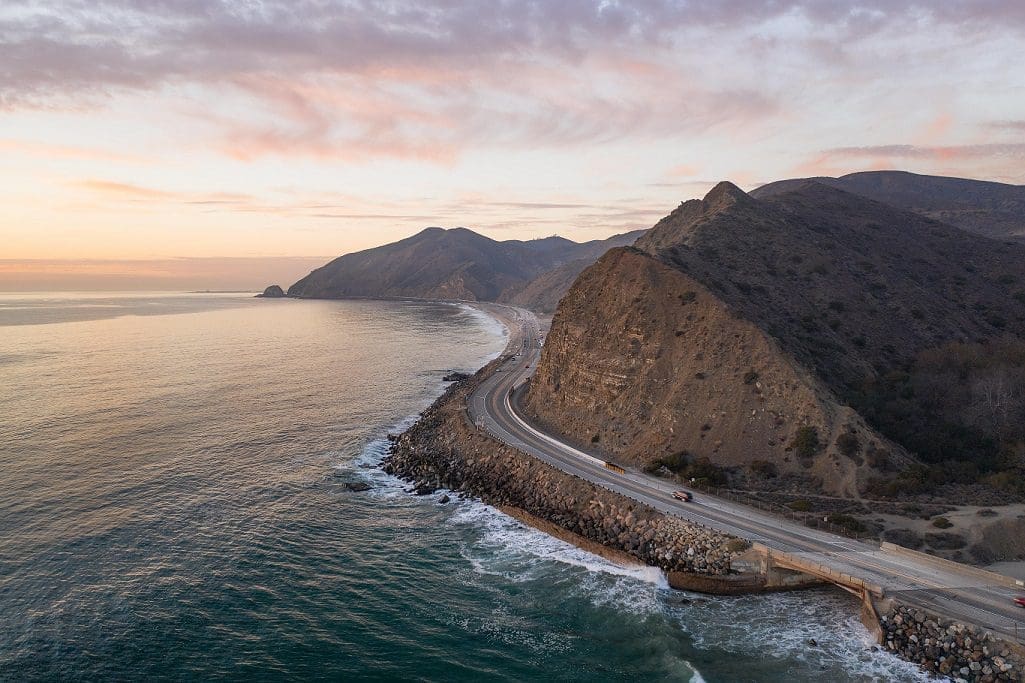
The Pacific Coast Highway (US Route 1) is the default choice for solo travelers seeking constant visual reward without isolation — you’re never far from a town, a viewpoint, or another person. This route works best for drivers who want to move at their own pace without pressure, stopping for as long as a sunset takes or as briefly as a photo demands.
The single reason it wins: you can break the drive into 2–4 hour segments between towns like Santa Barbara, Carmel, and Big Sur, so fatigue never builds, and every stop feels intentional rather than desperate.
Base yourself in coastal towns along the route rather than racing through; overnight stays in places like Cambria or Monterey give you morning access to hikes and tide pools without backtracking. The drive from Los Angeles to San Francisco typically spans 9–12 hours of actual driving, but plan 5–7 days minimum if you want to actually experience the stops — Big Sur alone deserves a full day.
Peak season (May–September) brings crowds and higher lodging costs; shoulder months (April, October) offer clearer skies and fewer tourists.
9. The Oregon Highlights
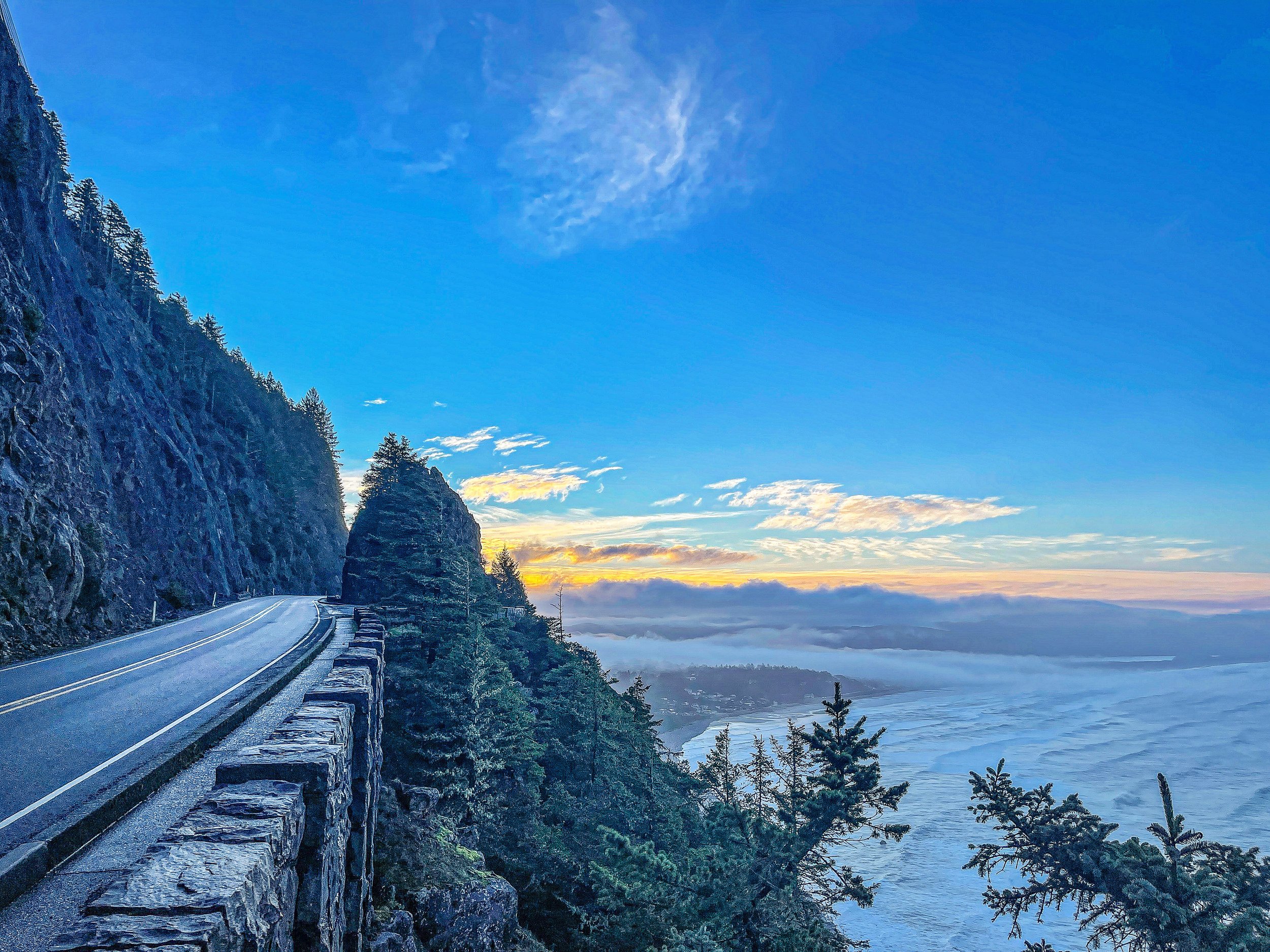
Oregon’s Highway 101 corridor delivers dramatic coastline, waterfalls, and small towns without the California price tag or the crowds fighting for the same Instagram spots. This route suits solo travelers who want natural beauty with actual solitude — you’ll see fewer vans and fewer people at trailheads than the PCH.
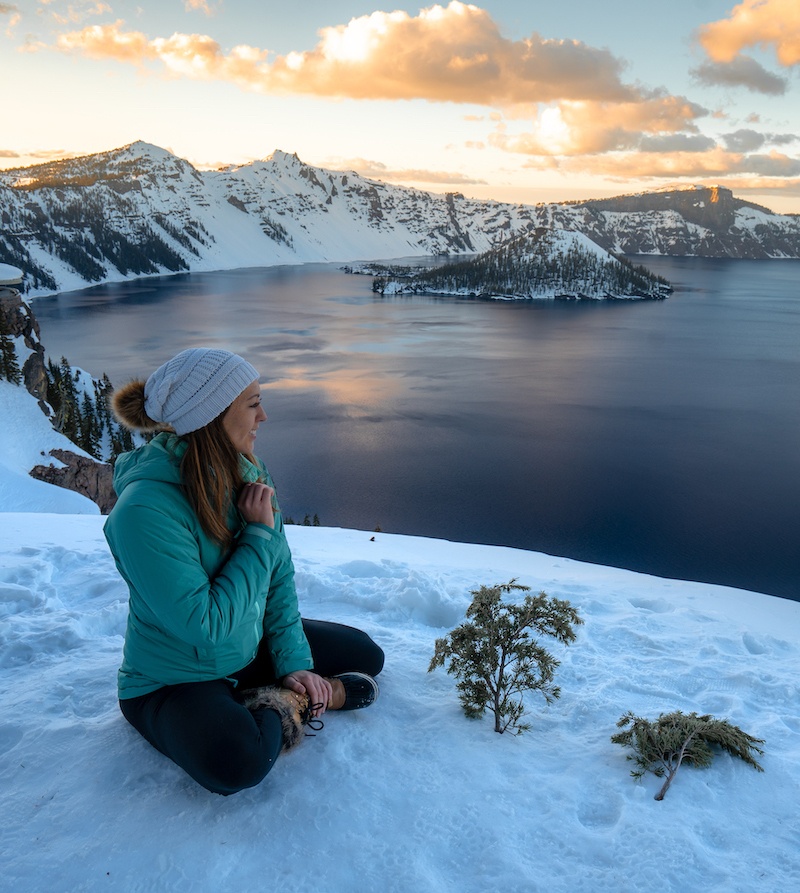
The win: Crater Lake National Park, sea stacks at Ecola State Park, and coastal towns like Cannon Beach are spaced perfectly for 3–5 hour driving days, and the entire Oregon coast loop (roughly 400 miles) can be done in 4–6 days without rushing.
Stay in small coastal towns like Yachats or Bandon for overnight stops; these have genuine local character and parking that doesn’t require strategy. Late spring (May–June) and early fall (September–October) offer the best weather and manageable crowds.
Crater Lake typically opens mid-July and closes by October due to snow, so confirm access before committing your dates.
8. Highway 95 from Reno to Las Vegas, Nevada
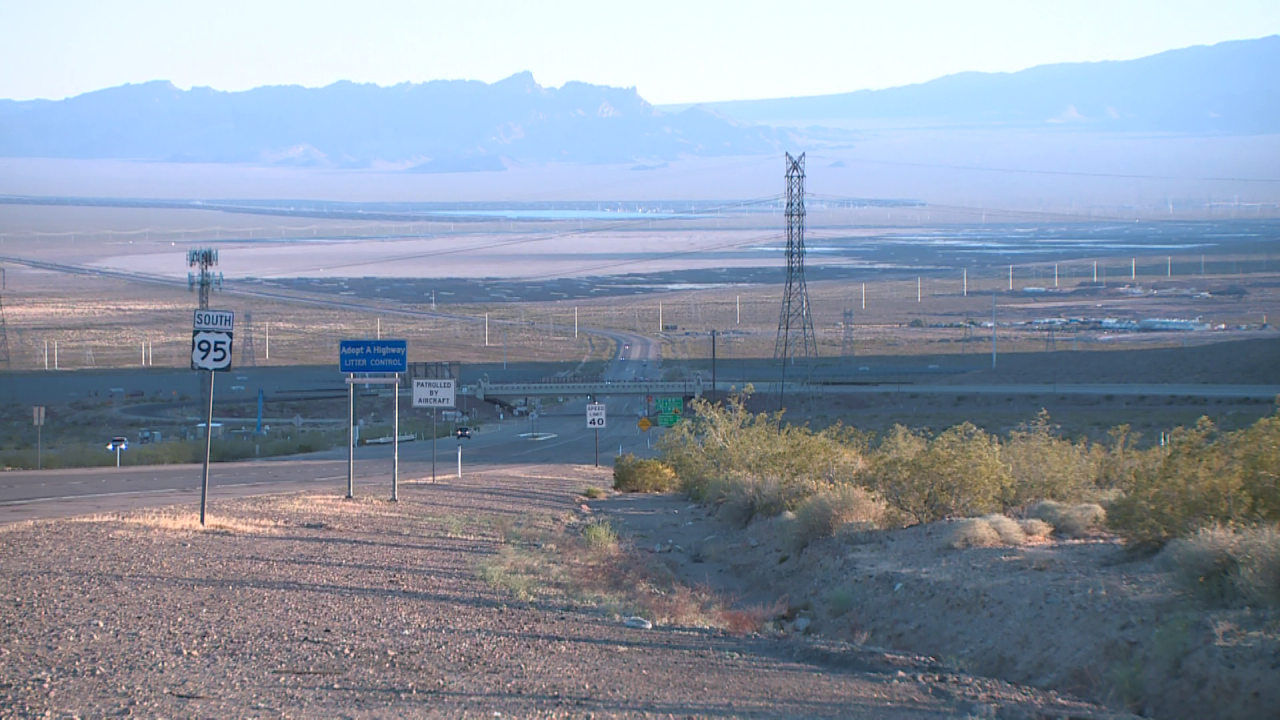
Highway 95 is the route for solo drivers who want genuine emptiness and don’t mind long stretches between gas stations — this is not a scenic byway, it’s a test of your comfort with solitude and planning. Best for: drivers who thrive on desolation and want to see the Nevada desert without the Vegas casino circuit.
The reason it wins: it’s fast (roughly 7–8 hours Reno to Vegas), requires minimal decision-making, and the landscape shifts dramatically from high desert to lower Mojave terrain, so the drive itself is the entertainment.
This route demands preparation: map fuel stops in advance (stations are sparse between Lovelock and Beatty), carry extra water, and ensure your vehicle is in solid mechanical condition. There are no towns worth staying in along the way; plan this as a one-shot drive or break it by staying in Reno or a small town like Tonopah (roughly halfway).
Summer heat (June–August) can exceed 110°F, making this route miserable without excellent air conditioning; spring (March–May) and fall (September–November) are far more comfortable.
7. US 395 Freeway, California & Nevada
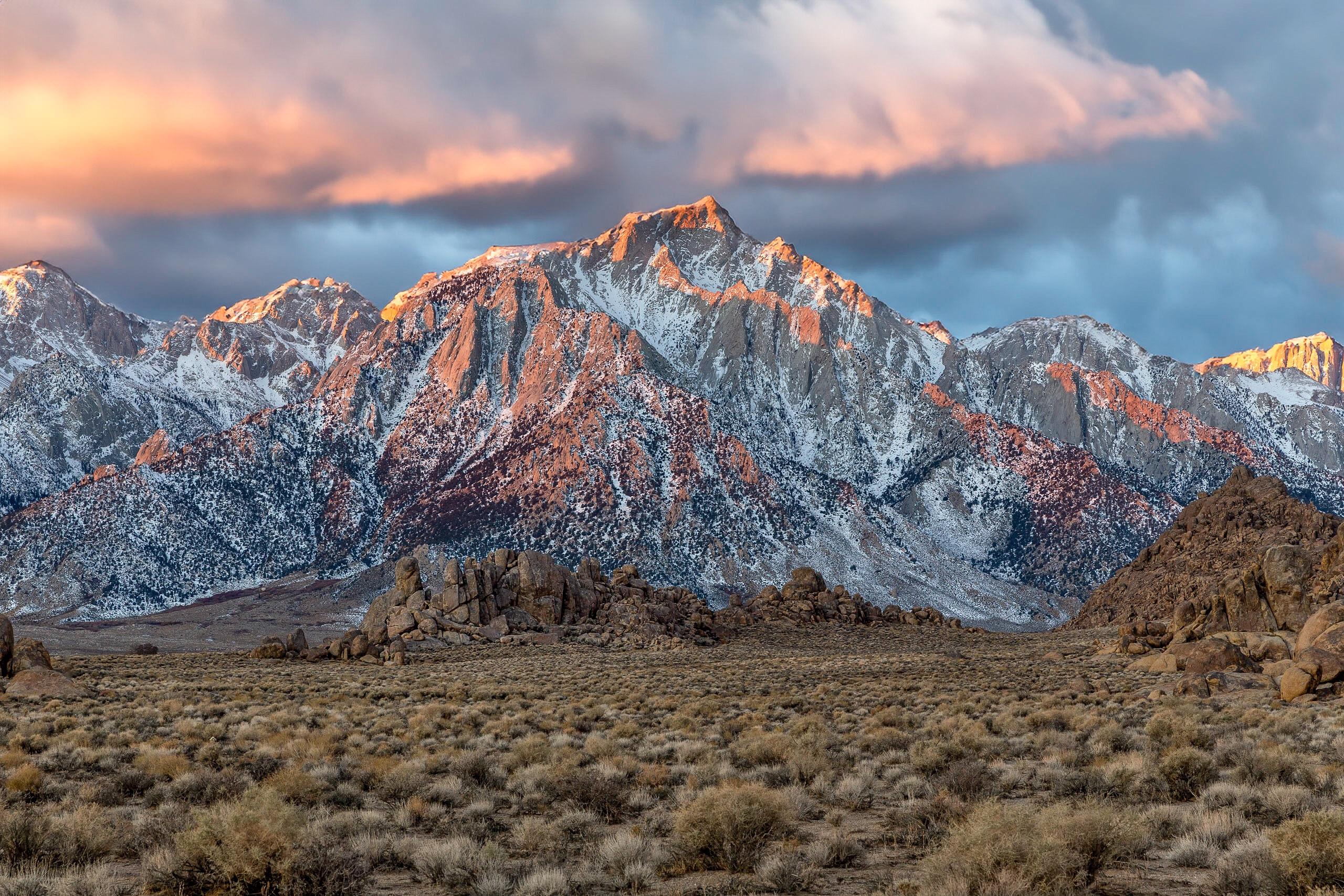
US 395 is the hidden gem for solo drivers who want mountain scenery, desert drama, and genuine adventure without the Pacific Coast Highway’s infrastructure — you get Alabama Hills, the Eastern Sierra, and Mono Lake in one drive. Best for: drivers seeking solitude with payoff, who don’t mind occasional stretches without cell service.
The win: the landscape changes radically every 50 miles (high desert to alpine to volcanic), and you can stop at viewpoints, hike trailheads, or explore small towns like Bishop or Mammoth Lakes without fighting crowds.
The drive from Reno to Las Vegas via US 395 takes roughly 8–10 hours of actual driving but deserves 3–4 days to explore properly. Base yourself in Bishop or Mammoth Lakes for a night; both offer lodging, restaurants, and access to trailheads and scenic drives.
Spring (April–May) and fall (September–October) offer the best weather; summer brings heat and crowds to popular spots like Mono Lake, while winter can close high passes without warning — confirm road conditions before driving.
6. California Deserts Road Trip
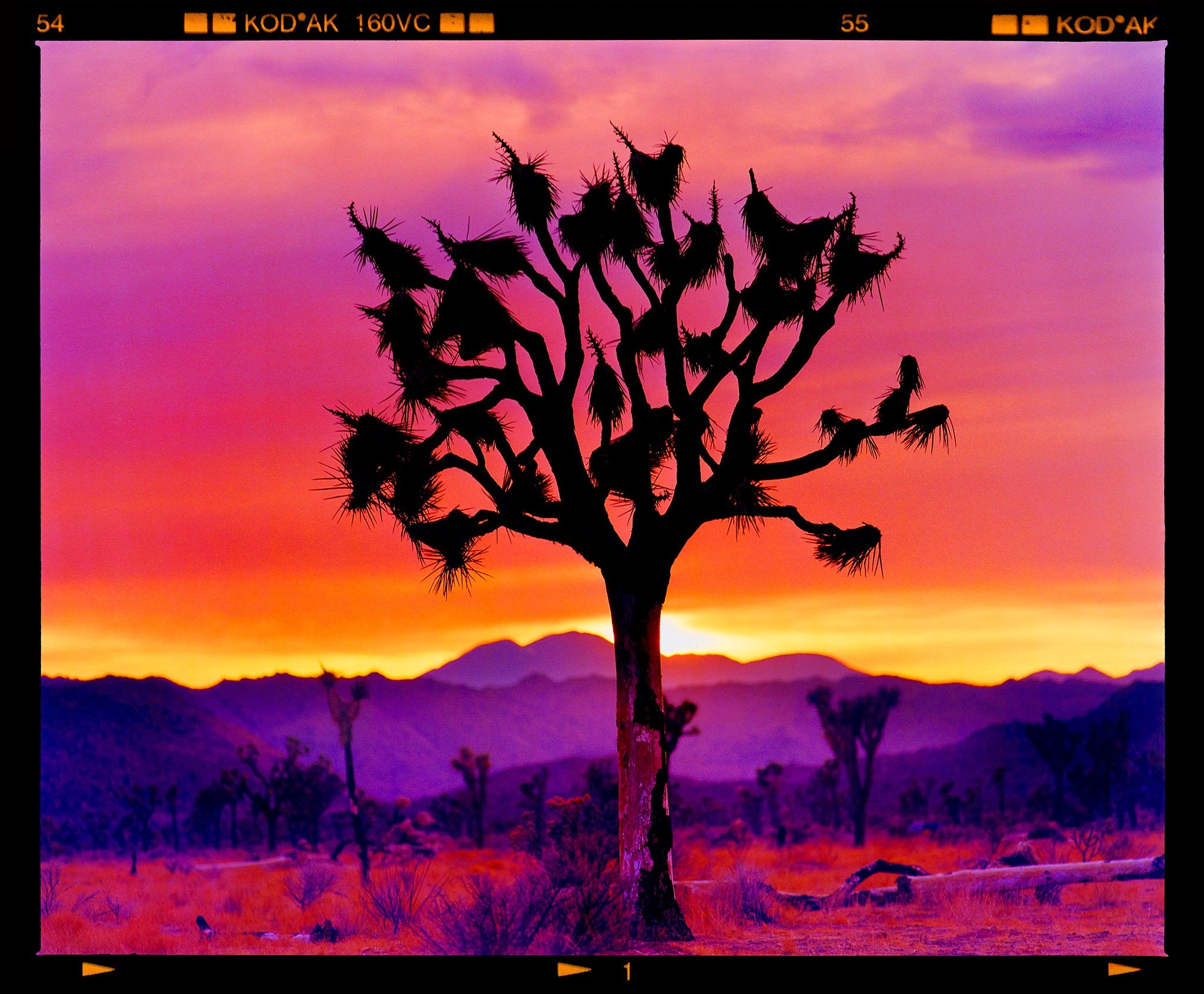
The California Deserts route (typically combining Joshua Tree, Death Valley, and the Mojave) is for solo travelers who want extreme landscapes and genuine isolation — you’ll drive through some of the most remote terrain in the continental US. Best for: drivers comfortable with long stretches between services, who want to feel genuinely alone.
The reason it wins: Death Valley and Joshua Tree are spaced roughly 3–4 hours apart, allowing you to experience both without a grueling single drive, and the desert offers unmatched stargazing and silence.
Plan 4–5 days minimum to drive this loop and actually explore; a rushed 2-day trip will leave you exhausted and disappointed. Stay in small desert towns like Twentynine Palms (near Joshua Tree) or Furnace Creek (inside Death Valley); these have basic lodging and fuel.
Winter (November–March) is the only comfortable season — summer temperatures in Death Valley routinely exceed 120°F and make driving hazardous. Confirm park access and road conditions before departing; some desert roads close seasonally without warning.
5. Idaho – Boise to Coeur d’Alene
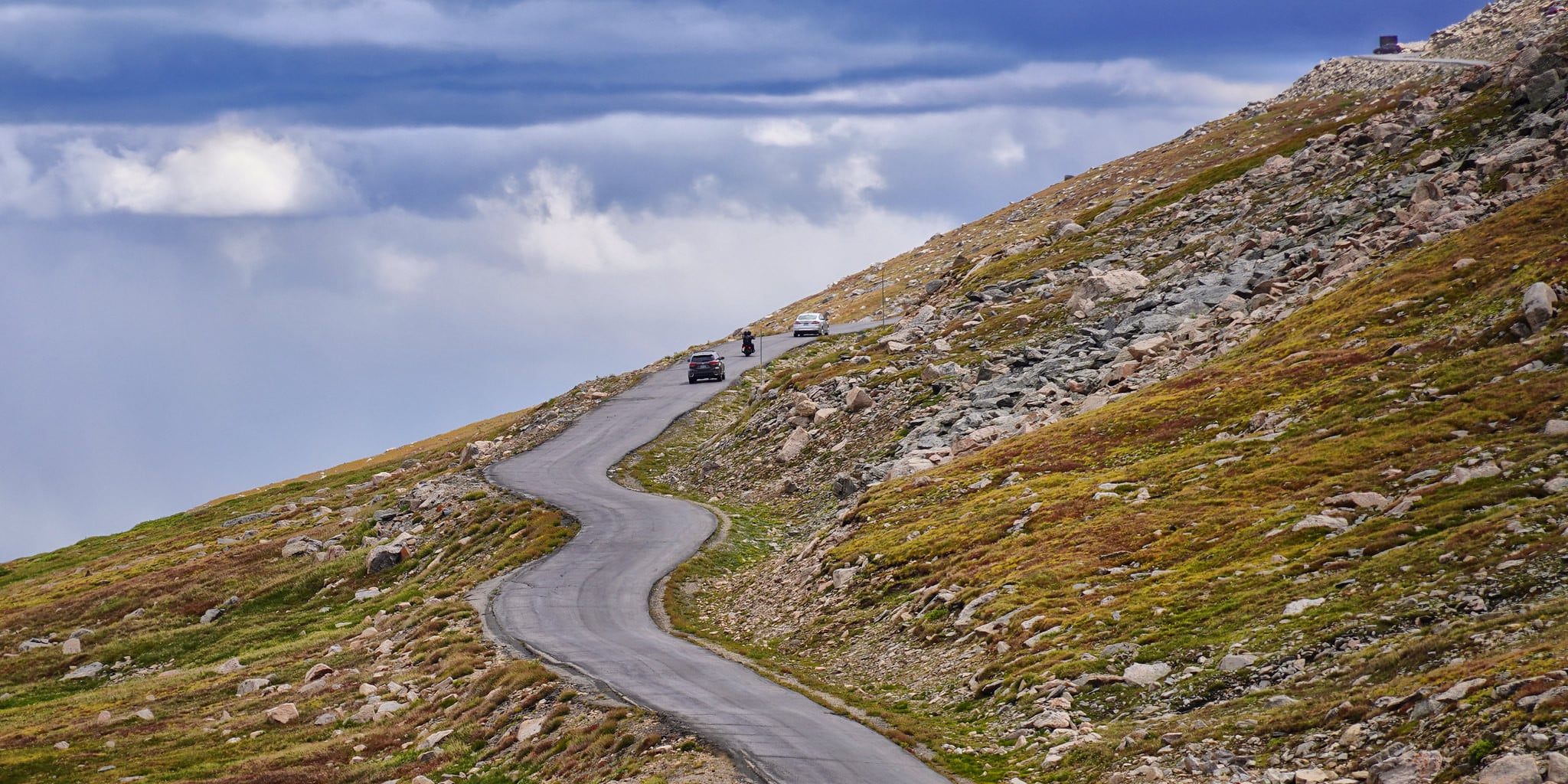
The Boise to Coeur d’Alene drive (roughly 5 hours via US 95) is underrated for solo travelers seeking mountain scenery and small-town charm without the crowds of more famous routes. Best for: drivers who want genuine Pacific Northwest beauty without fighting Oregon or Washington traffic.
The win: you get high desert transitioning to pine forests, the Payette National Forest, and charming lakeside towns, all in a single manageable drive that feels like a secret.
Break this into a 2–3 day trip by staying in McCall (midway, known for outdoor access and local restaurants) or pushing through to Coeur d’Alene for a lakeside overnight. Summer (June–September) offers the best weather and open roads; winter can bring snow and closures on higher passes.
This route has reliable cell service and gas stations, making it lower-stress than remote desert drives.
4. Florida Keys
The Overseas Highway (US Route 1) through the Florida Keys is the route for solo drivers seeking tropical scenery, water access, and constant small stops — you’re never more than 30 minutes from a town or viewpoint. Best for: drivers who want frequent breaks, don’t mind paying for lodging and food, and want to feel like they’re traveling without true isolation.
The reason it wins: the drive itself is the destination; the 113-mile stretch from Key Largo to Key West is pure visual reward, with water on both sides and no long empty stretches.
Plan 3–4 days to drive from Miami to Key West and actually explore; rushing this route wastes its entire point. Stay in Key West, Marathon, or Key Largo depending on your pace; each offers lodging and restaurants.
Winter (December–April) is peak season with higher prices and crowds; summer (June–September) brings heat, humidity, and hurricane risk. The drive is straightforward with reliable services, making this one of the lowest-stress routes on this list.
3. American Southwest
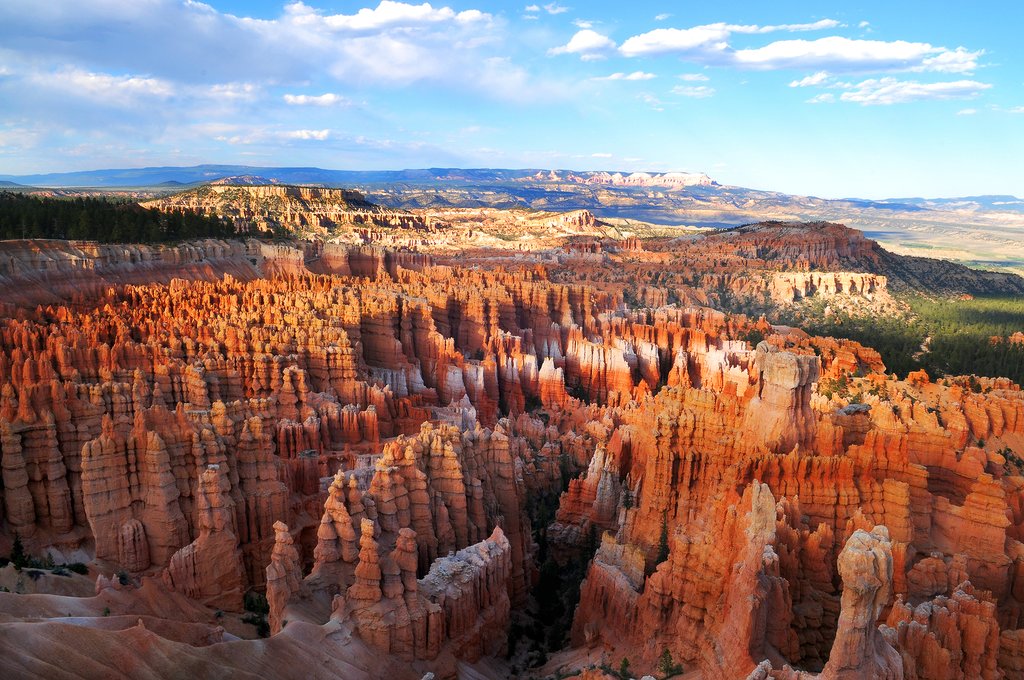
The American Southwest loop (typically combining Arizona, Utah, and New Mexico) is the route for solo drivers seeking dramatic geology, national parks, and genuine adventure — you’ll see Monument Valley, Canyon de Chelly, and Sedona in one trip. Best for: drivers with 7–10 days and a tolerance for long drives between major stops; this is not a quick route.
The win: the landscape is unlike anywhere else in the US, and solo travel here feels like genuine exploration rather than tourism.
This route requires careful planning: distances between major towns can exceed 100 miles, and services are sparse in remote areas. Base yourself in Sedona, Moab, or Santa Fe for 2–3 nights each; these towns offer lodging, food, and access to trailheads.
Spring (March–May) and fall (September–October) offer ideal weather; summer heat in lower elevations (Phoenix, Las Vegas area) can exceed 110°F, while higher elevations (Flagstaff, Moab) stay cooler. Plan for 10–14 days minimum to drive this loop without exhaustion.
2. New Mexico’s Gorgeous Landscapes
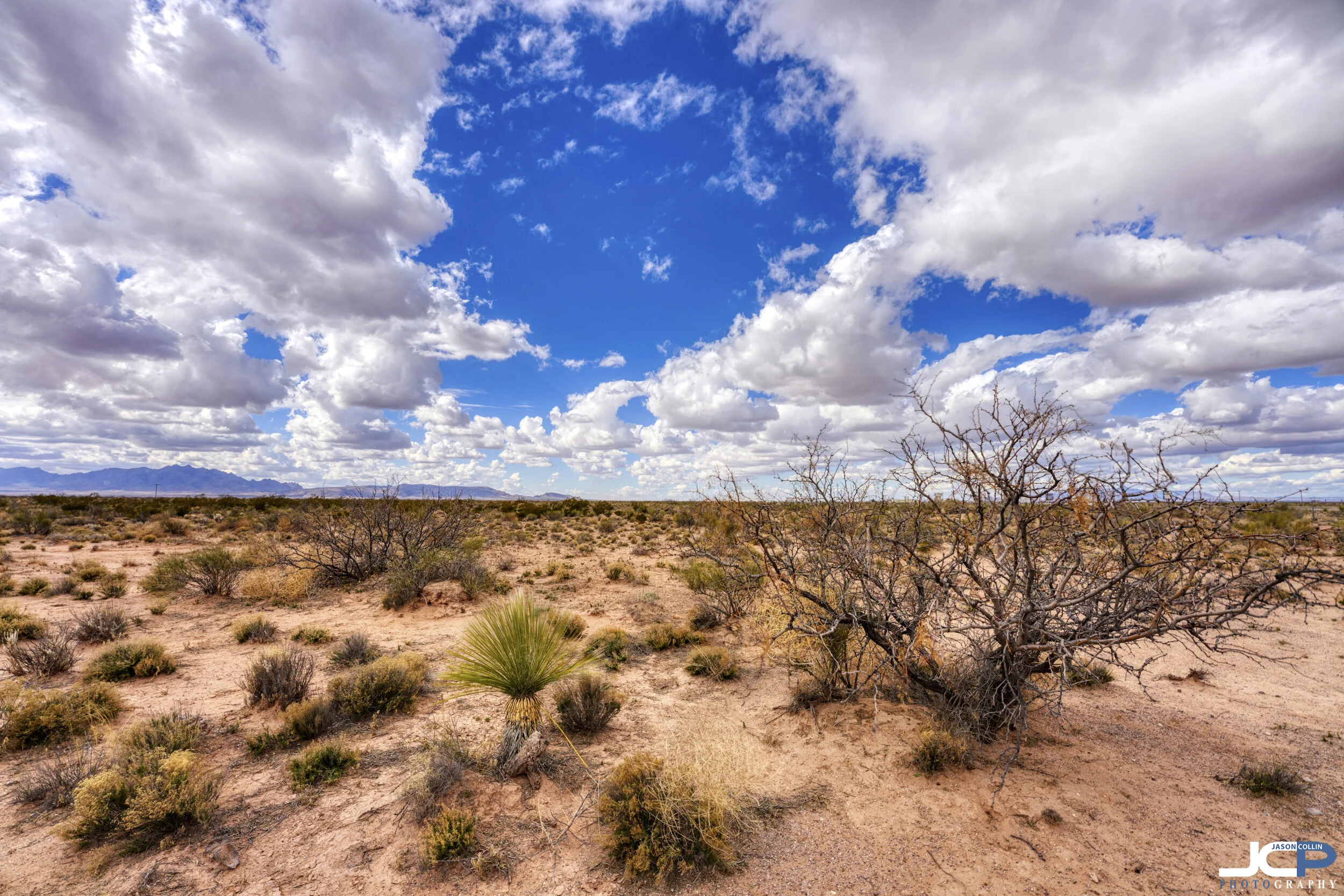
New Mexico’s High Road (between Santa Fe and Taos) and surrounding routes offer dramatic high-desert scenery, art communities, and genuine cultural character without the infrastructure pressure of more famous routes. Best for: solo drivers seeking beauty, art, and slower pace; this route rewards lingering over rushing.
The reason it wins: you get mountain scenery, small art towns, and authentic local culture in a compact area, so you can explore deeply without massive drive times.
Base yourself in Santa Fe or Taos for 2–3 nights; both have excellent lodging, restaurants, and gallery access. The High Road drive between these towns takes roughly 2 hours but deserves a full day of stops.
Spring (April–May) and fall (September–October) offer ideal weather; summer brings crowds to Santa Fe, while winter can close higher passes. Altitude in Santa Fe (7,000 feet) and Taos (6,900 feet) can cause mild altitude sickness — allow a day to acclimate before heavy activity.
1. Vermont Leaf Peeping
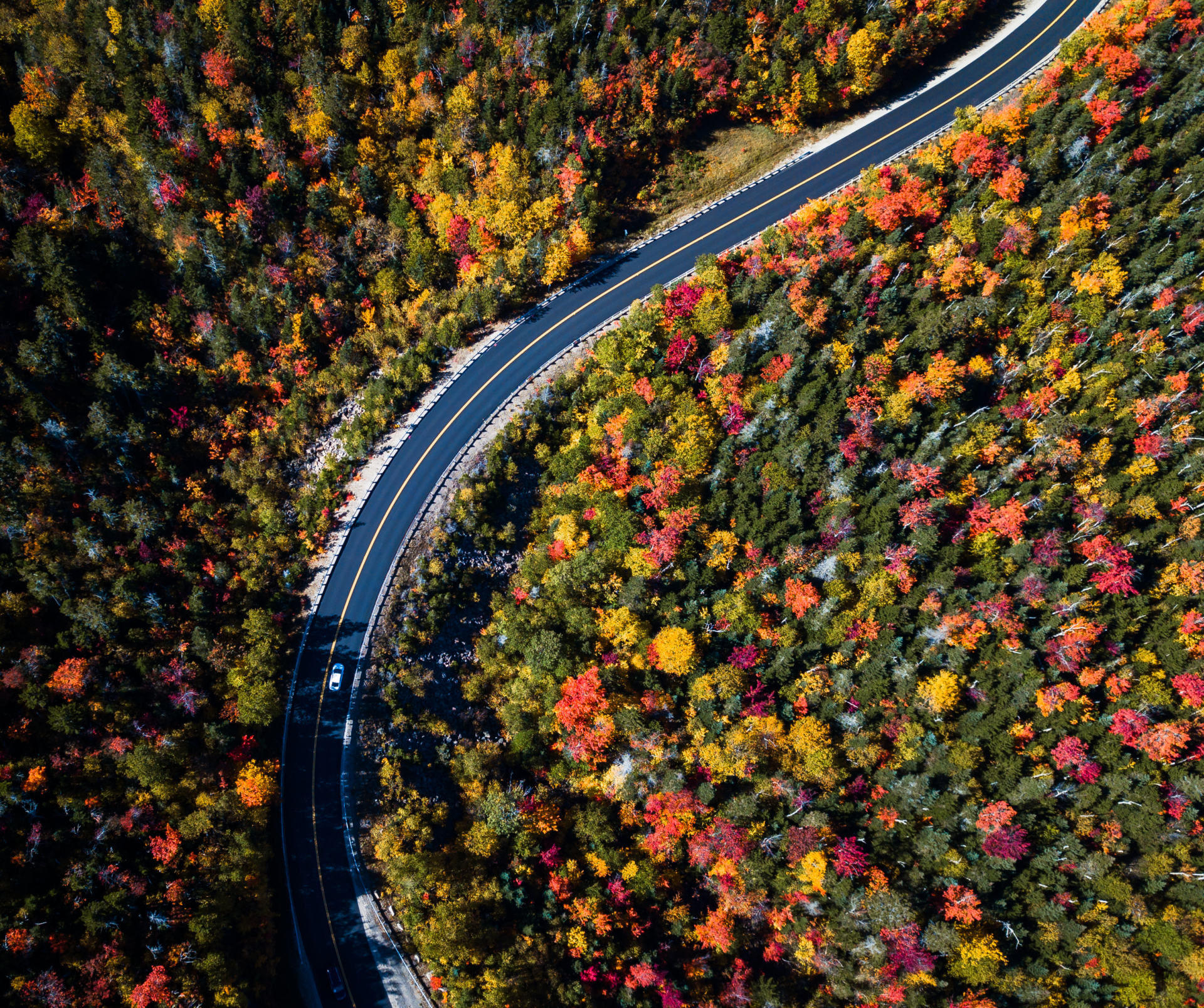
Vermont’s fall foliage loop (typically Route 100 and surrounding roads) is the route for solo drivers seeking seasonal payoff, small-town charm, and genuine New England character — this is not a year-round option, but when it works, it’s unmatched. Best for: drivers with flexibility on timing who want to experience a specific season’s peak.
The reason it wins: the entire state becomes a visual spectacle for roughly 4–6 weeks in fall, and solo travel here means you set your own pace through covered bridges, orchards, and mountain towns without crowds dictating your stops.
Plan 4–5 days to drive the loop and actually explore; this route is about stopping constantly, not driving efficiently. Base yourself in towns like Stowe, Montpelier, or Woodstock for overnight stays; these have character, lodging, and local restaurants.
Peak foliage typically occurs mid-September to mid-October, though exact timing varies yearly — check foliage forecasts 2–3 weeks before planning your dates. Lodging books up 2–3 months in advance during peak season, so reserve early.
Winter (November–March) brings snow and closed mountain passes; summer and spring lack the foliage payoff that makes this route worth the drive.
Comparison Overview: Choosing Your Route
| Route | Best For | Drive Time (One-Way) | Ideal Duration | Best Season | Isolation Level |
|---|---|---|---|---|---|
| Pacific Coast Highway | Constant scenery, frequent stops | 9–12 hours (LA to SF) | 5–7 days | April–October | Low (towns frequent) |
| Oregon Highlights | Waterfalls, coastline, fewer crowds | 400 miles total | 4–6 days | May–June, Sept–Oct | Medium (small towns) |
| Highway 95 (Reno–Vegas) | Speed, desolation, minimal decisions | 7–8 hours | 1 day (or overnight break) | March–May, Sept–Nov | High (sparse services) |
| US 395 | Mountain scenery, adventure, solitude | 8–10 hours (Reno–Vegas) | 3–4 days | April–May, Sept–Oct | Medium-High (occasional cell gaps) |
| California Deserts | Extreme landscapes, stargazing, isolation | Varies (loop-based) | 4–5 days | November–March | High (remote terrain) |
| Idaho (Boise–Coeur d’Alene) | Mountain beauty, small towns, low stress | 5 hours | 2–3 days | June–September | Low-Medium (reliable services) |
| Florida Keys | Tropical scenery, frequent stops, water access | 4–5 hours (Miami–Key West) | 3–4 days | December–April | Low (constant towns) |
| American Southwest | National parks, geology, adventure | Varies (loop-based) | 10–14 days | March–May, Sept–Oct | Medium-High (sparse services) |
| New Mexico | Art, culture, high-desert beauty | 2 hours (Santa Fe–Taos) | 2–3 days | April–May, Sept–Oct | Low-Medium (towns accessible) |
| Vermont Leaf Peeping | Seasonal payoff, small-town charm | Varies (loop-based) | 4–5 days | Mid-Sept to mid-Oct | Low (frequent towns) |
The real decision factor: If you have 3–5 days, choose Pacific Coast Highway, Oregon, Idaho, or New Mexico. If you have 7–10 days, add the American Southwest or California Deserts.
If you want pure isolation and don’t mind sparse services, pick Highway 95, US 395, or California Deserts. If you want constant access to towns and restaurants, stick with Pacific Coast Highway, Florida Keys, or Vermont.
If you’re timing a specific season, Vermont foliage is non-negotiable in fall; everything else works year-round (with seasonal weather tradeoffs).
How Do You Stay Safe and Prepared When Traveling Alone?
A solo road trip means you’re your own roadside rescue—which is why knowing exactly where the next gas station sits and what’s in your emergency kit matters more than scenic overlooks. Safety on the road isn’t about fear; it’s about removing the variables that could strand you or slow you down when you need help most.
Essential Safety Gear to Pack Before You Go
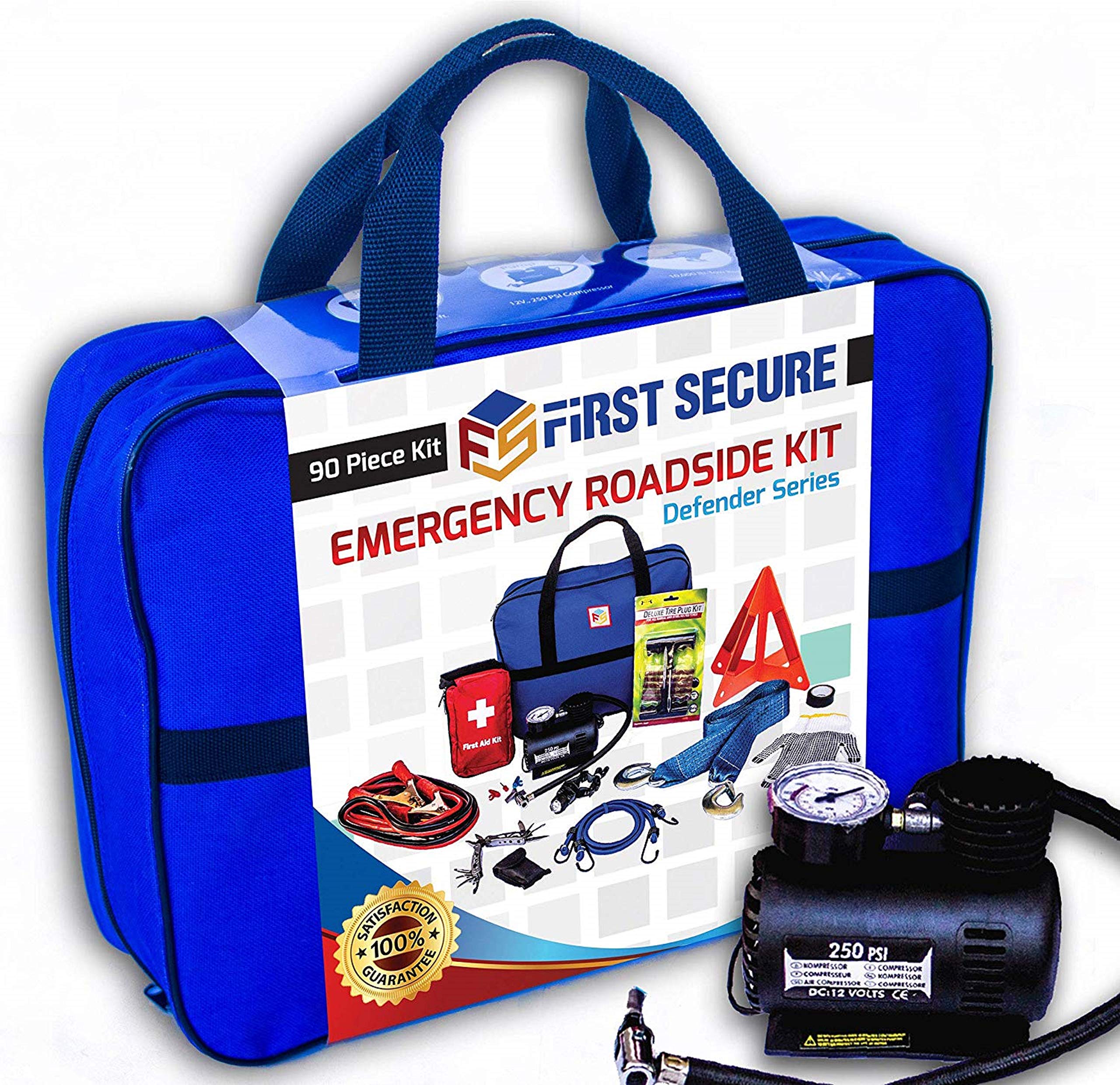
Pack a jump starter, first aid kit, and your insurance company’s roadside assistance number stored in your phone and written down as backup. These three items handle 90% of solo road trip emergencies—a dead battery, a minor cut, or a breakdown that requires professional towing.
Add a basic tool kit (screwdrivers, pliers, adjustable wrench), a flashlight with extra batteries, jumper cables, and a tire repair kit or plug kit. Keep a spare phone charger that works in your car’s USB port and a portable power bank rated for at least two full phone charges.
In remote areas, a dead phone is a real problem; in populated areas, it’s a minor inconvenience—don’t let it become the former.
Store a blanket or emergency bivy in your car year-round. If you break down in winter or get stranded waiting for a tow truck, staying warm matters.
A small flashlight or headlamp with a red setting (to signal for help) is lighter and more reliable than your phone’s flashlight when your battery is already low.
Keep your vehicle registration, proof of insurance, and emergency contact information in a small folder within arm’s reach of the driver’s seat, not buried in the glove box. If you’re in an accident or need to hand documents to a police officer quickly, fumbling through the car wastes time and looks unprepared.
How to Defend Yourself on the Road
Solo travel means trusting your instincts about people and places—and acting on them immediately. If a gas station, rest area, or town feels unsafe, leave. There is no prize for pushing through discomfort to save 20 minutes.
Let someone know your route, your planned stops, and your expected arrival time at each destination. Check in daily via text or call, even if it’s just a quick message.
If you go silent for longer than planned, a trusted contact can alert authorities with your last known location and direction of travel.
Keep your car doors locked while driving and while parked, even at rest stops or when you’re inside a building for just a few minutes. Lock valuables (phone chargers, bags, wallets) out of sight or take them with you—a smashed window costs time and money you don’t have on the road.
Avoid driving alone at night in unfamiliar areas. If you’re tired, pull over at a well-lit rest area, a 24-hour diner, or a hotel rather than pushing through fatigue.
Drowsy driving is as dangerous as impaired driving, and a solo driver has no backup if something goes wrong.
Trust your gut about people. You don’t owe friendliness to strangers at gas stations or rest areas—a polite nod and moving on is enough. If someone makes you uncomfortable, get back in your car and drive to the next town.
Mapping Your Route to Avoid Fuel and Signal Dead Zones
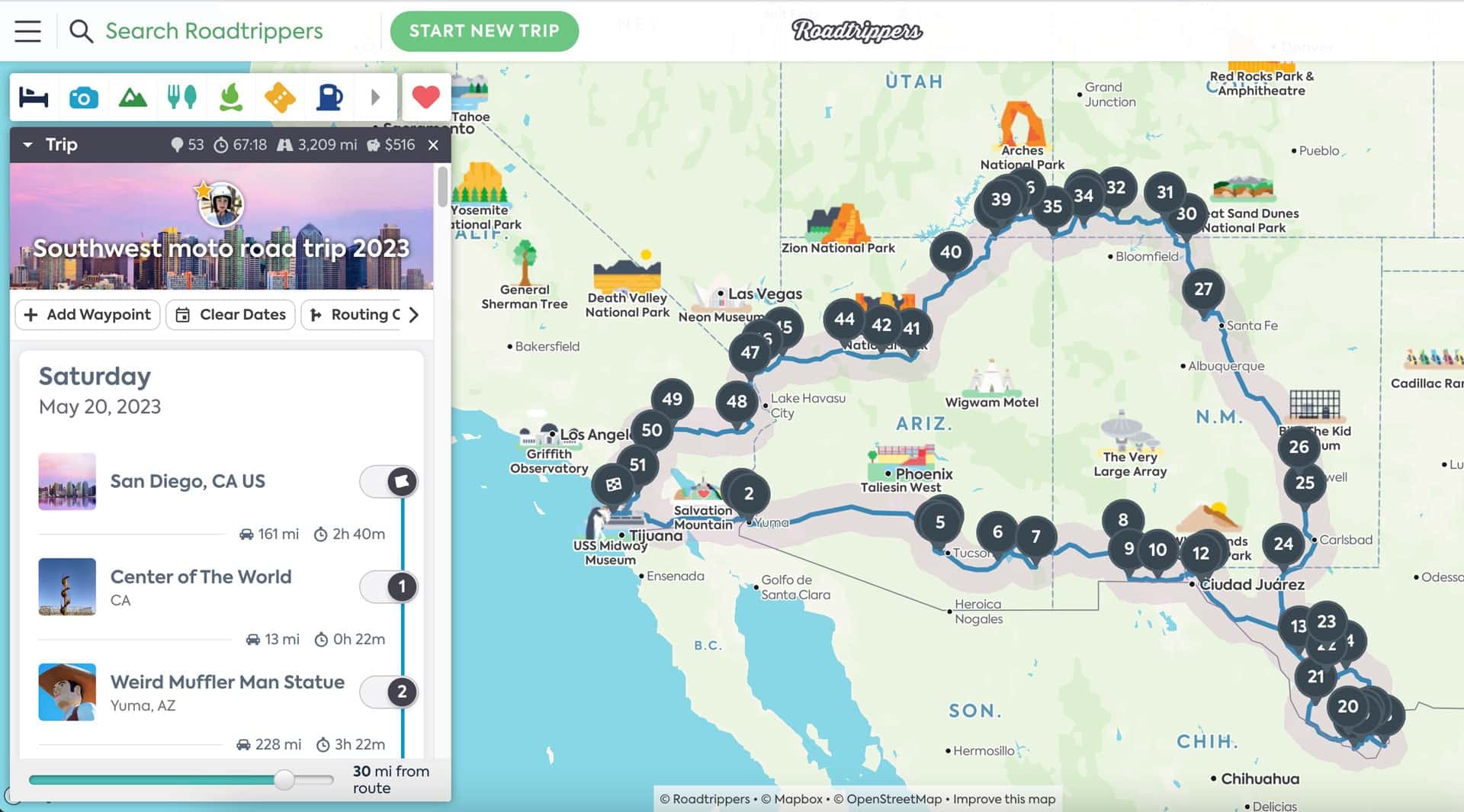
Before you leave, map out your drive and flag every area where gas stations are few and far between. Running out of fuel in a dead zone costs hours and forces you to rely on strangers or expensive towing services.
Use Google Maps offline mode to download maps of your entire route and surrounding areas. If you lose cell signal (common in deserts, mountains, and rural highways), you’ll still have navigation.
Mark gas stations, water sources, and towns along your route so you know exactly how far the next stop is.
Check your vehicle’s fuel efficiency and calculate your range before heading into remote stretches. If your car gets 25 miles per gallon and the next gas station is 80 miles away, you have a 20-mile safety margin—acceptable but tight.
If it’s 150 miles away, fill up before you enter that zone, even if gas is slightly more expensive.
On routes like Death Valley, Mojave National Preserve, or other desert crossings, confirm gas station hours before you go. Some stations close at sunset or have limited hours in winter.
A closed gas station you weren’t expecting is a real problem; one you planned for is just a route adjustment.
Save your insurance company’s roadside assistance number, your car’s make and model, and your license plate number in your phone’s notes app and write them on a card in your glove box. If you break down and your phone battery is low, you won’t waste time hunting for information.
Invest in a reliable car charger for your phone and a portable power bank. In areas with spotty signal, your phone may drain faster as it searches for networks. A dead phone in a dead zone is the scenario you’re trying to avoid.
How Do You Maintain Your Physical and Mental Health on a Long Drive?

Eight-hour driving days feel manageable when you treat them as a series of short drives punctuated by real stops—not when you white-knuckle through them in one push. The difference between a solo road trip that energizes you and one that leaves you depleted comes down to three non-negotiable habits: protecting your body from the physical toll of sitting, managing mental fatigue before it spirals, and building recovery time into your itinerary so you don’t crash the moment you stop driving.
Establishing Healthy Daily Road Routines
Your baseline needs—good food, adequate sleep, and movement—don’t disappear on the road; they become harder to maintain and therefore more critical. Start by committing to one non-negotiable sleep schedule before you leave, then iterate on it as you learn what actually works with your driving rhythm.
Skipping sleep to cover more miles is the fastest way to turn a solo trip into a safety liability and a mental health setback.
Eat real meals, not gas-station survival food, at least once daily. Pack a small cooler with protein, fruit, and vegetables so you’re not defaulting to drive-through carbs every time hunger hits.
Hunger compounds fatigue and makes decision-making harder—both dangerous when you’re alone and responsible for your own safety.
Break up long drives with pit stops that involve actual movement. A 10-minute walk, stretching at a scenic overlook, or a quick hike to a viewpoint transforms a grueling day into a series of manageable segments.
This isn’t optional recovery—it’s the difference between arriving alert and arriving wrecked.
Preventing and Managing Driving Pains and Fatigue
Car seats are not ergonomic, and your body will protest after hours of static positioning. Expect back and shoulder pain; plan for it rather than hoping it won’t happen.
Bring a lumbar support pillow or small cushion to adjust your seat depth, and stop every two hours to stand, walk, and stretch your shoulders, arms, and lower back. Arm fatigue is real—if you’re holding your phone or adjusting controls repeatedly, your shoulders will feel it by mile 200.
Fatigue creeps up gradually, which is why it’s dangerous. You won’t feel it coming until you’re already impaired.
Combat it by recognizing the early signs: difficulty focusing on the road, heavier eyelids, or finding yourself drifting between lanes. The moment you notice any of these, pull over for a 20-minute nap or switch to a lighter activity like a podcast instead of audiobook (less cognitive load).
Caffeine helps, but it’s not a substitute for actual rest.
Pack a First Aid kit and a car jumper before you leave. Knowing you have backup plans for mechanical failure or injury reduces the anxiety that compounds fatigue on remote stretches of road. This mental relief alone makes long days feel less isolating.
Pacing Yourself to Avoid Post-Trip Burnout
The temptation on a solo road trip is to maximize miles and minimize stops, especially when you’re excited about the next destination. Resist this.
Overloading your schedule creates a debt you’ll pay in exhaustion, poor decision-making, and the inability to enjoy what you’re actually seeing.
Build recovery days into your itinerary—not as wasted time, but as essential maintenance. A day spent in one town, hiking, reading, or simply resting breaks the monotony of driving and gives your body and mind genuine recovery time.
Solo desert drives, like Highway 95 from Reno to Las Vegas or stretches through remote California landscapes, are mentally restorative precisely because of their solitude and stillness, but only if you’re not pushing through exhaustion to reach the next stop.
Track how you actually feel, not how many miles you’ve covered. If you’re irritable, foggy, or dreading the next day’s drive, you’ve pushed too hard.
Adjust your daily mileage down and add an extra night somewhere. The trip doesn’t end faster because you’re miserable—it just ends badly.
Finding Inner Peace and Practicing Gratitude
Long stretches of solitude on the road will surface anxiety, boredom, and restlessness. This is normal, not a sign you’re doing it wrong.
The antidote is not distraction—it’s presence. When anxiety about running out of gas or mechanical failure creeps in, pause and acknowledge it, then return to the moment: the landscape in front of you, the quality of light, the fact that you’re capable of driving across this country alone.
Build in small moments of stillness. Pull off at a scenic overlook and sit for five minutes without your phone.
Watch a sunset. Notice what you’re grateful for—the car that’s running, the road you’re on, the freedom to be here.
These moments are not luxuries; they’re the antidote to the physical and mental wear of long drives.
When pain or frustration surfaces—and it will—breathe deeply and remember that every rough moment is temporary. You can always press pause, step out of the car, and reset.
There’s no better cure for the many kinds of discomfort the road inflicts than acknowledging it, moving your body, and finding a small slice of peace, however brief.
What Are the Best Snacks and Entertainment for Solo Drivers?
A dashboard phone mount is the single most useful tool for solo driving—it keeps directions visible, lets you capture thoughts without compromising safety, and prevents the arm fatigue that comes from holding your phone steady while driving. Beyond that, what you eat and listen to directly determines whether you stay alert for 8+ hours or hit the wall by hour five.
Spicy and Active Snacks to Stay Alert
Skip the carb-heavy snacks that trigger the post-lunch crash. Spicy foods, nuts, and anything requiring active chewing keep your brain engaged and your mouth busy—both combat the hypnotic effect of highway driving.
Wasabi peas, beef jerky, hot nuts, and sriracha-flavored seeds demand attention and deliver sustained energy without the sugar spike-and-crash cycle that leaves you fighting to keep your eyes open by mile 200.
Pack snacks that require effort: whole fruit instead of juice, cheese and crackers instead of granola bars, trail mix with whole nuts instead of pre-shelled varieties. The act of peeling, cracking, or chewing keeps your hands and mind engaged.
Avoid anything that makes your fingers greasy or sticky—you need grip on the wheel and clean hands for the steering wheel and gear shift.
Bring a cooler with ice packs for the first 12–24 hours of driving, especially on routes through warm regions like the California deserts or Florida Keys. Fresh fruit, cheese, and hard-boiled eggs stay fresher longer than shelf-stable snacks and feel less monotonous by day three.
Once the ice melts, switch to shelf-stable options: nuts, seeds, dried fruit, beef jerky, and spiced snack mixes.
Why You Should Choose Podcasts and Audiobooks Over Music
Music is passive background noise that lets your mind wander into the same hypnotic trance that makes long drives dangerous. Podcasts and audiobooks demand active listening—your brain has to follow a narrative, track arguments, or engage with new information.
This cognitive engagement is what keeps you alert for hour six, eight, and ten.
Ask friends for podcast recommendations before you leave, or spend 30 minutes building a queue of shows that genuinely interest you—true crime, storytelling, comedy, history, or niche topics you’ve always wanted to learn about. The best podcasts for road trips are ones where you lose track of time because the content pulls your attention, not ones you half-listen to while your mind drifts to the road ahead.
Audiobooks work equally well, especially narrative-driven fiction or memoirs that keep you invested in what happens next. The key difference: music allows your mind to wander into the meditative, drowsy state that makes long stretches of highway feel endless and dangerous.
Podcasts and audiobooks keep your prefrontal cortex active, which is the difference between arriving tired but alert and arriving dangerously fatigued.
Download episodes and audiobooks before you leave—cellular service drops in deserts, mountains, and rural stretches on every major US road trip route. A 9,000-mile solo drive will hit dead zones repeatedly; offline content prevents the frustration of losing your show mid-episode and the temptation to fiddle with your phone to find something else.
Must-Have Comfort Gear and Dashboard Mounts
A phone mount on your dashboard is non-negotiable. It keeps directions visible without forcing you to hold your phone, allows you to jot down thoughts or capture insights that emerge during long drives without taking your eyes off the road, and prevents the arm and shoulder fatigue that comes from holding a phone at eye level for hours.
Mount it at eye level on the dashboard or windshield, not on the steering wheel where it blocks your view.
Pair your phone mount with a car charger rated for fast charging—a dead phone on a long drive is a safety liability and a navigation nightmare. Bring a second charger as backup; one will inevitably fail or get left at a rest stop.
Car seats are not ergonomic, and sitting still for 8+ hours will trigger back and shoulder pain that compounds fatigue and makes driving less safe. A lumbar support pillow, neck pillow, or memory foam seat cushion costs $20–40 and makes a measurable difference in comfort and alertness by hour five.
Position it before you start driving, not after pain sets in.
Bring a small blanket or fleece for rest stops and overnight stays—it’s lighter than a jacket and more versatile than a hoodie. Keep sunglasses accessible, not in the glove compartment; glare fatigue is real and worsens as the day goes on.
A travel mug that fits your car’s cup holder keeps drinks at the right temperature and reduces the temptation to stop for overpriced gas station coffee.
Pack a small cooler or insulated bag for your front seat, not just the trunk. Easy access to cold water, electrolyte drinks, or snacks means you don’t have to pull over as often to rummage through the back.
On long desert stretches or summer drives, staying hydrated is as important as staying alert.
How Should You Manage Your Time, Budget, and Productivity?
Most solo road trippers underestimate both the cost and the calendar by 30–50 percent because they treat driving time as productive time—and it isn’t. You cannot work, write, research, or focus on anything demanding while steering a car for 8+ hours a day.
The math is brutal: if you budget 10 days and plan to drive 6 hours daily plus work 4 hours, you’ll hit a wall by day three when fatigue and the sheer monotony of the road make multitasking impossible. The fix is to choose your actual priority upfront and design your timeline around it, not the other way around.
Why You Must Budget More Time and Money Than Expected
Road trips cost more per mile than you think because of gas, tolls, lodging, food at truck stops and diners, vehicle maintenance, and the unplanned detours that make the trip worth taking. Budget roughly 20–30 percent more than your initial estimate for fuel and lodging alone, then add another buffer for the stops that aren’t on your original map—the scenic overlook that requires a 45-minute detour, the small-town diner that’s worth an extra hour, the breakdown or flat tire that eats an afternoon.
Time is the bigger trap. A 2,000-mile road trip sounds doable in two weeks until you factor in that driving 10 hours daily is unsafe and miserable, that you’ll want to actually see the places you’re driving through, and that your body needs rest days.
A realistic pace is 5–6 hours of driving per day if you’re also stopping to explore, eat, and sleep well. That same 2,000-mile trip now takes 3–4 weeks, not 2.
If you have work or writing goals, add another week minimum for stationary time in towns where you can sit down with reliable Wi-Fi and focus without the road pulling your attention.
The hardest truth: aggressive timelines kill both the trip and any secondary goals. You cannot drive hard, explore deeply, and produce meaningful work simultaneously.
Pick two. If exploration is non-negotiable, accept that work output will be minimal—plan for short bursts of admin or journaling only, not serious projects.
If work is the priority, you’re not really on a road trip; you’re working from a moving vehicle, which defeats the purpose.
Managing Expectations for Work and Productive Time
If you’re traveling with the intention to work remotely, freelance, write, or research, you must separate driving days from work days entirely. Designate specific towns or stops where you’ll stay put for 24–48 hours and treat those as your office days.
During these stationary windows, you can access reliable Wi-Fi, sit at a table with your laptop, eat without steering, and actually focus. The drive days in between are for moving, not producing.
Expect to accomplish 30–40 percent of what you’d normally produce in the same timeframe at home. Fatigue, spotty internet, unfamiliar work environments, and the mental load of navigation and logistics all drain focus.
Plan your work goals conservatively—if you need to write 10,000 words, budget for 15,000 words of driving time to account for the slower pace. Short-form content (emails, social posts, quick research) is more realistic than long-form projects that require deep concentration.
The most successful remote workers on solo road trips use the driving time as a mental break, not a work session. They work in the morning before hitting the road, drive in the afternoon, and use evenings for light admin or planning the next day.
This rhythm prevents burnout and keeps the trip from feeling like work disguised as travel.
Using Driving Time for Self-Reflection and “Self-Talk”
The hours alone behind the wheel are the trip’s hidden asset if you stop fighting them. Long stretches of highway—especially on routes like US 395 through California and Nevada or Idaho’s Boise-to-Coeur d’Alene corridor—create the mental space for genuine self-reflection that’s nearly impossible in daily life.
There’s no email, no notifications, no one else talking. Just you, the road, and your thoughts.
Use this time intentionally. Talk to yourself out loud—process decisions, work through problems, rehearse conversations, or simply narrate your thoughts.
Speaking aloud engages a different part of your brain than thinking silently; you’ll solve problems faster and reach clarity more reliably. This is especially valuable if you’re traveling to escape a decision point, process a major life change, or figure out what comes next.
The road becomes your therapist, and the driving becomes the work.
Set a loose intention before you leave—a question you want to answer, a decision you need to make, a creative problem you’re stuck on. Let the miles do the heavy lifting.
By the time you reach your destination, you’ll have processed far more than you expected. The trip pays for itself in clarity alone.
The key is accepting that this time is not wasted time. It’s not multitasking or productivity in the traditional sense.
It’s the opposite: it’s permission to think without output pressure, to sit with uncertainty, and to let your mind wander in a way that modern life rarely allows. That’s the real value of a solo road trip.
How Can You Keep Long Drives Exciting?
The difference between a draining 8-hour drive and an energizing one isn’t the distance—it’s what you stop for along the way. Breaking long stretches into a series of shorter, purposeful pit stops transforms the mental load of the road and gives you something to anticipate beyond the next gas station.
Visiting Quirky Roadside Attractions Instead of Gas Stations
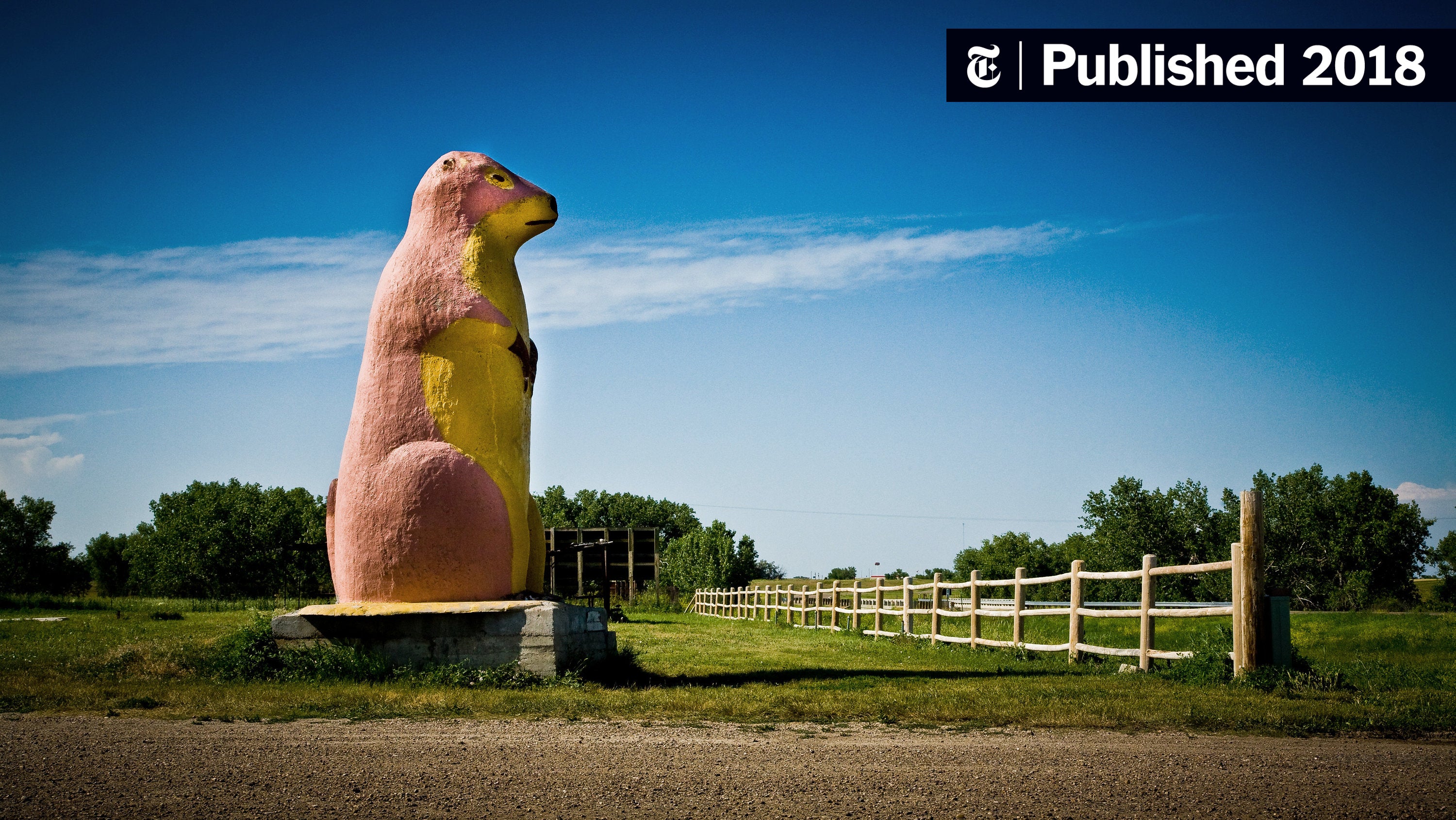
Quirky roadside attractions deliver more mental refresh than a standard fuel stop because they interrupt the monotony with novelty and movement. Instead of sitting in a car seat while pumping gas, you’re walking, looking, and engaging—which resets fatigue faster than a coffee ever will.
Plan your route to include at least one named attraction per 3–4 hours of driving. On California desert routes, this means timing a stop at Mobius Arch in Alabama Hills National Monument for a sunset view, or detouring through Mojave National Preserve to explore lava tubes.
These aren’t detours that cost significant time; they’re strategic pauses that make the drive feel like a series of mini-adventures rather than one long slog.
The key is mapping these stops before you leave, not discovering them randomly. When you know a specific landmark is waiting 200 miles ahead, the drive between here and there becomes purposeful.
You’re not just covering distance—you’re moving toward something worth seeing.
Avoid the trap of treating every stop as a chance to grab snacks and move on. Spend 20–30 minutes actually exploring.
Walk around, take photos, sit for a moment. This active break does more for mental clarity than passive time spent sitting in a parked car scrolling your phone.
Setting Milestones and Rewarding Yourself
Dividing a long road trip into smaller psychological wins keeps motivation high and prevents the mental collapse that comes from staring at a 1,000-mile number on a map. Instead of thinking “I have 12 hours to drive today,” think “I’ll drive to the next town, grab lunch, explore for 30 minutes, then drive another 3 hours to my overnight stop.”
Set daily mileage or time-based milestones and attach a small reward to each one. This might be: stopping at a specific diner you’ve researched, allowing yourself a nicer hotel night after a particularly long driving day, or booking a massage or gym session at a 24 Hour Fitness location along your route if you have a membership.
The reward doesn’t need to be expensive—it just needs to be something you’re genuinely looking forward to.
The most effective milestone strategy is pairing driving goals with location-based rewards. After 6 hours of driving, you reach a town with a restaurant you’ve heard about.
After another 4 hours, you arrive at your overnight stop, which you’ve booked in a downtown area with walkable access to shops and cafes rather than a highway strip. These aren’t distractions from the drive; they’re the actual purpose of the drive, which fundamentally changes how your brain processes the time behind the wheel.
Track your progress visually if it helps. Some solo drivers print a simple map and mark off sections as they complete them, or use a road trip app that shows distance remaining.
Seeing tangible progress—especially on days when you’re tired—reinforces that you’re moving forward, not trapped in an endless loop of highway.
Frequently Asked Questions
How much time should I actually budget for a solo road trip?
Plan for double what you think you need. Driving takes longer than GPS estimates — add buffer time for traffic, construction, detours, and the simple fact that exploration always expands. A national park “quick tour” of a few hours will leave you frustrated; one to two days minimum per major destination is realistic, especially when you’re already tired from driving.
If you’re visiting cities like Austin, New Orleans, or Nashville, two days feels rushed unless you’re willing to skip sleep. The real lesson: an aggressive timeline forces you to choose between driving and actually experiencing places — you cannot do both well simultaneously.
Build in at least one full day per week where you stay put in a town, eat a real meal, access reliable Wi-Fi, and let your body recover. This is not wasted time; it’s the only way to get meaningful work done, process what you’re seeing, or simply rest before the next stretch of highway.
What should I listen to during long driving stretches?
Podcasts beat music for keeping your mind engaged on monotonous highways. Ask friends for recommendations before you leave — a curated list of podcasts you’re genuinely curious about transforms hours of empty road into something worth the drive. Music works for shorter bursts, but podcasts give your brain something to actively follow, which reduces fatigue and keeps you alert.
Download episodes ahead of time in case you hit signal dead zones.
Is it realistic to work or write while on a solo road trip?
No — not while driving, and barely while moving. Reading, writing, and internet research are nearly impossible when your schedule is packed with driving hours. If work or creative projects matter to you, you must stop in a town and stay there long enough to focus.
This means your road trip timeline cannot be aggressive if productivity is part of your goal. Choose: either you drive hard and see a lot of places superficially, or you drive moderately and actually accomplish work at designated stops.
You cannot have both on the same trip.
How do I make the most of my solo driving time mentally?
Use the car as a safe space for self-talk and processing. Solo driving offers rare, uninterrupted time to think out loud without judgment — talk to yourself, sing, or work through decisions at full volume. Many solo travelers use long highway stretches for significant life reflection and problem-solving.
The monotony of driving actually supports this; your hands are busy, your mind can wander, and you have hours of privacy to sort through whatever matters to you. This is one of the genuine gifts of solo road trips that group travel cannot replicate.
Start Planning Your Route This Week
Pick one route from this list that matches your available time and what you actually want from the drive—solitude, scenery, small towns, or seasonal payoff. Download offline maps of your entire route and surrounding areas, flag every gas station and town between major stops, and map your overnight stays before you leave.
Solo road trips work because you’re not negotiating with anyone else’s pace or priorities—that freedom is worth the planning. The difference between a trip that energizes you and one that leaves you depleted comes down to realistic timelines and stopping for what actually matters to you, not rushing to check boxes.
Commit to one route now, book your first two nights of lodging this week, and set a departure date you can actually protect. The road is waiting, and you’re more ready than you think.
Leave a Reply