

Picture the warm wind whipping through your hair as vintage neon signs flicker to life along a dusty highway, or the scent of damp pine needles filling your car in the Pacific Northwest. There is nothing quite like watching the sun dip below a rugged coastal cliff while you chase the horizon.
The beauty of summer road trip ideas usa is the sheer, unmatched diversity of landscapes you can cross in just a few days. You can start your morning in a high-altitude alpine meadow and fall asleep to the sound of crashing ocean waves.
I have mapped out the ultimate routes to help you decide exactly which highway fits your travel style and timeline. Expect to spend $100 to $150 a day for a budget camping trip, $200 to $400 for mid-range hotel-hopping, or $500+ daily for a luxury coastal resort getaway.
The Quick-List: Finding Your Perfect Summer Route
If you are short on time, here is my curated cheat sheet of the absolute best routes from this guide. I have broken them down by travel style so you can choose your adventure instantly.
- Best for Nostalgia: The iconic Route 66 for vintage neon, retro RV parks, and classic Americana.
- Best for Coastal Views: California’s legendary Pacific Coast Highway for dramatic cliffside driving.
- Best for Seafood & Charm: The rugged Maine Coastline Drive ending at Acadia National Park.
- Best for Deep Wilderness: The remote mountain pass from Glacier National Park to Stanley, Idaho.
- Best for Water Sports: The tropical, island-hopping Florida Keys Overseas Highway.
No matter which route you choose, make sure to prep your vehicle and download your offline maps before you lose cell service. Let’s dive into the details of these epic drives.
Which Classic Cross-Country Routes Are Best for a Summer Road Trip?
Choosing a cross-country route is less about the destination and more about the cadence of the landscape—whether you want the neon-soaked nostalgia of the Midwest or the raw, expansive horizon of the northern plains. These three routes represent the pinnacle of American long-haul driving, each requiring a different pace and preparation strategy.
| Route | Primary Vibe | Ideal Duration | Best For |
|---|---|---|---|
| Route 66 | Nostalgic Americana | 10–14 Days | History buffs and neon-light lovers |
| The Great Northern | Transcontinental Epic | 14–21 Days | National park enthusiasts |
| Oregon Trail Route | Pioneer History | 10–12 Days | Educational family trips |
1. Route 66: The Ultimate Nostalgic Americana Journey from Chicago to Santa Monica

The magic of Route 66 lies in the slow transition from the lush cornfields of Illinois to the sun-bleached desert floor of the Mojave, punctuated by the hum of vintage neon signs that still flicker to life at dusk. I recommend treating this as a 14-day journey to avoid burnout; rushing the 2,400 miles turns a legendary experience into a chore.
If you are serious about the “Mother Road” experience, skip the interstate bypasses whenever possible—the true character of the trip is found on the original, two-lane sections that wind through small-town main streets.
Insider Tip: For the most authentic experience, book your overnight stops in retro-themed RV parks or mid-century motor courts. These spots often have better parking for larger vehicles than downtown hotels and provide the best access to local summer farmers’ markets.
Always carry a physical Rand McNally road atlas; cell service is notoriously spotty in the Texas Panhandle and parts of New Mexico, and relying solely on GPS will lead you into frustration.
2. The Great Northern: An Epic Transcontinental Border Run from Seattle to Maine
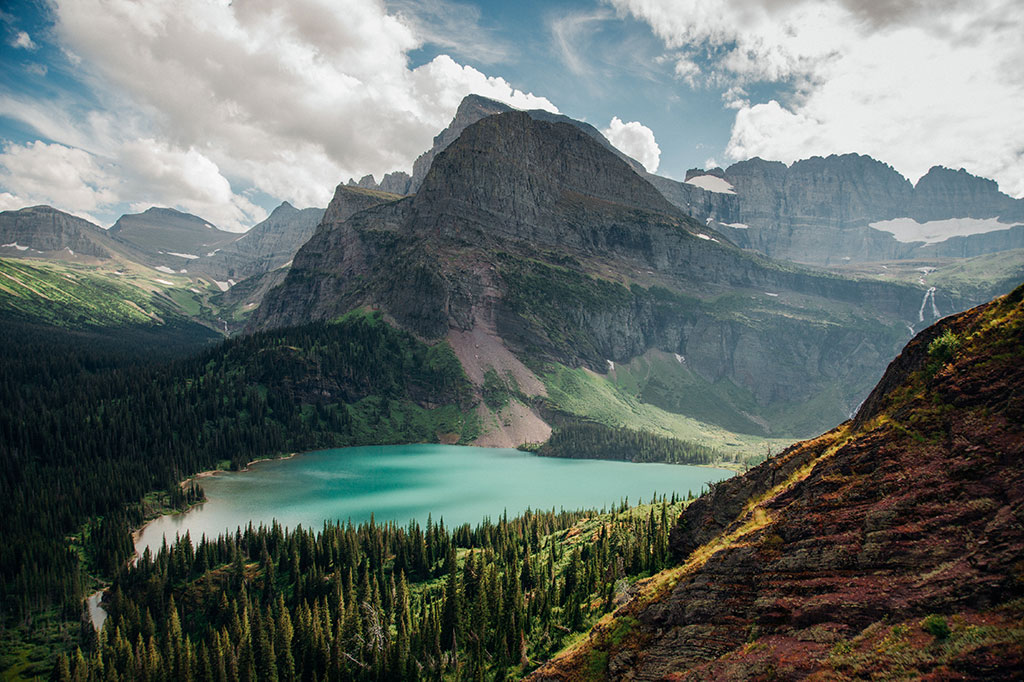
This route is a masterclass in geography, taking you from the rain-shadowed peaks of the Pacific Northwest through the heart of the Great Plains and into the rugged, granite-lined coast of New England. It is the superior choice for travelers who want to see the sheer scale of the United States.
I recommend allocating at least three weeks for this drive; attempting it in less time forces you to sacrifice the stops that make this route worthwhile, such as the high-altitude vistas of the northern Rockies.
Practical Action: Plan your overnight stops in gateway towns near national parks to ensure you have early-morning access to trailheads before the summer crowds peak. Because this route spans such varied climates, pack layers—you will need a heavy jacket for mountain mornings and lightweight linen for humid Midwestern afternoons.
3. The Oregon Trail-Inspired Adventure: Tracing the Historic Pioneer Route

Tracing the path of the original pioneers offers a sobering and awe-inspiring look at the geography that shaped westward expansion. This route is best for those who prefer historical context over modern tourist attractions.
I prefer starting in Missouri and moving west, as it allows you to build momentum as the scenery shifts from rolling hills into the dramatic, high-desert landscapes of the interior West.
Recommendation: Do not underestimate the sun exposure on this route. While the history is fascinating, many of the historic sites are wide-open plains with zero shade.
I recommend visiting these sites during the early morning or late afternoon to avoid the mid-day heat. If you are traveling with children, look for interpretive centers that offer “Junior Ranger” programs—they are the best way to keep the historical narrative engaging for younger passengers.
Summary: Choose Route 66 if you want a curated, kitschy, and social experience. Opt for The Great Northern if you are a nature-first traveler who wants to see the country’s most diverse ecosystems.
Select the Oregon Trail if you are looking for a slower, education-heavy trip that prioritizes historical landmarks over roadside attractions.
What Are the Best Coastal Summer Road Trips in the USA?
Coastal road trips offer the ultimate summer escape, combining refreshing ocean breezes with iconic scenic vistas. To help you choose the right route, consider these primary factors:
| Route | Best For | Primary Vibe |
|---|---|---|
| Pacific Coast Highway | Classic road-trippers | Cliffside drama |
| Redwoods to Crater Lake | Nature lovers | Forest and volcanic immersion |
| Washington Wonders | Adventurers | Rugged, untamed wilderness |
| Maine Coastline | Seafood enthusiasts | Maritime charm |
| Florida Keys | Tropical seekers | Laid-back island hopping |
4. Pacific Coast Highway: California’s World-Famous Ocean Drive
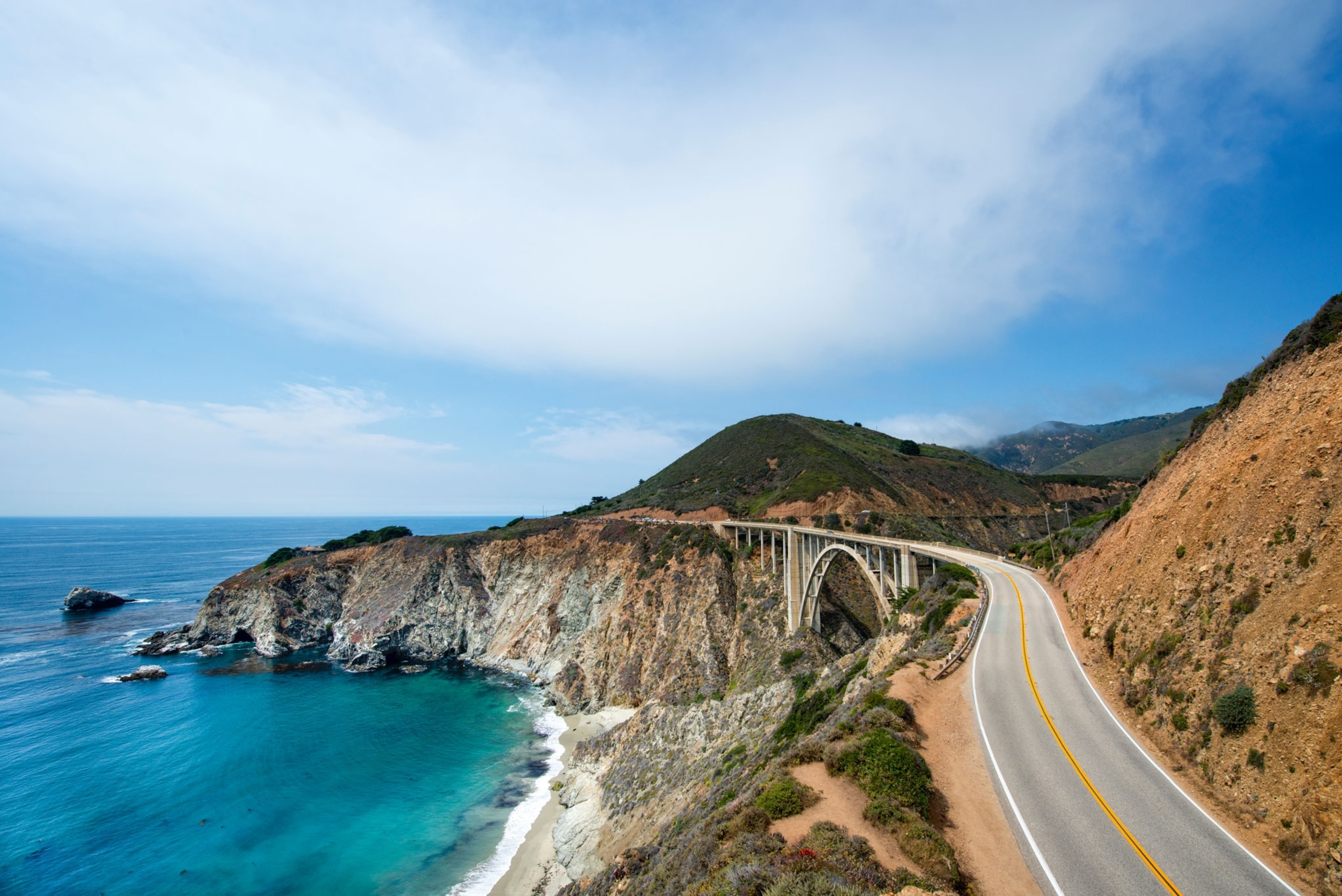
California’s Pacific Coast Highway (Highway 1) remains the gold standard for coastal driving because it balances dramatic, cliff-hugging curves with easy access to legendary beach towns. Summer is the superior time to drive this route, as the persistent morning fog that plagues the coast during spring typically burns off by midday, leaving you with clear, sun-drenched views of the Pacific.
My recommendation: Do not rush the drive between Monterey and Big Sur. This is the most scenic stretch and deserves a full day.
Skip the temptation to drive the entire coast in one go; instead, base yourself in a central town like San Luis Obispo to enjoy the inland vineyards and coastal access without the premium price tags of the major tourist hubs.
5. Redwoods to Crater Lake: Exploring Northern California and Southern Oregon
This route is a masterclass in contrasts, moving from the towering, ancient giants of the Redwood forests to the deep, volcanic blue of Crater Lake National Park. The drive between Mt.
Shasta and Crater Lake, known as the Volcanic Scenic Legacy Byway, is a hidden gem that feels significantly less crowded than the coastal routes further south.
Insider tip: I recommend spending multiple days in the Shasta-Trinity National Forest rather than just passing through. The trails through the fir and pine forests are world-class.
If you are looking for a unique stop, prioritize Burney Mountain and Medicine Lake Volcano. Skip the high-traffic coastal beaches if you prefer quiet, forested solitude over sand.
6. Washington State Wonders: North Cascades to the Olympic Peninsula
Washington’s northern reaches offer a rugged, untamed experience that feels like the true backyard of the Pacific Northwest. Start at North Cascades National Park, which sees significantly less foot traffic than other major parks, making it the perfect choice for travelers who want to avoid the summer crowds.
You will notice that almost every vehicle in the area is equipped with kayaks or mountain bikes, which is your cue to get active.
Practical action: Plan your stay in gateway towns near the park entrances to ensure early-morning access to trailheads. Because this region is vast, focus your time on either the mountain corridors or the coastal peninsula rather than trying to conquer both in a single weekend.
7. Maine Coastline Drive: Lighthouses, Lobsters, and Acadia National Park
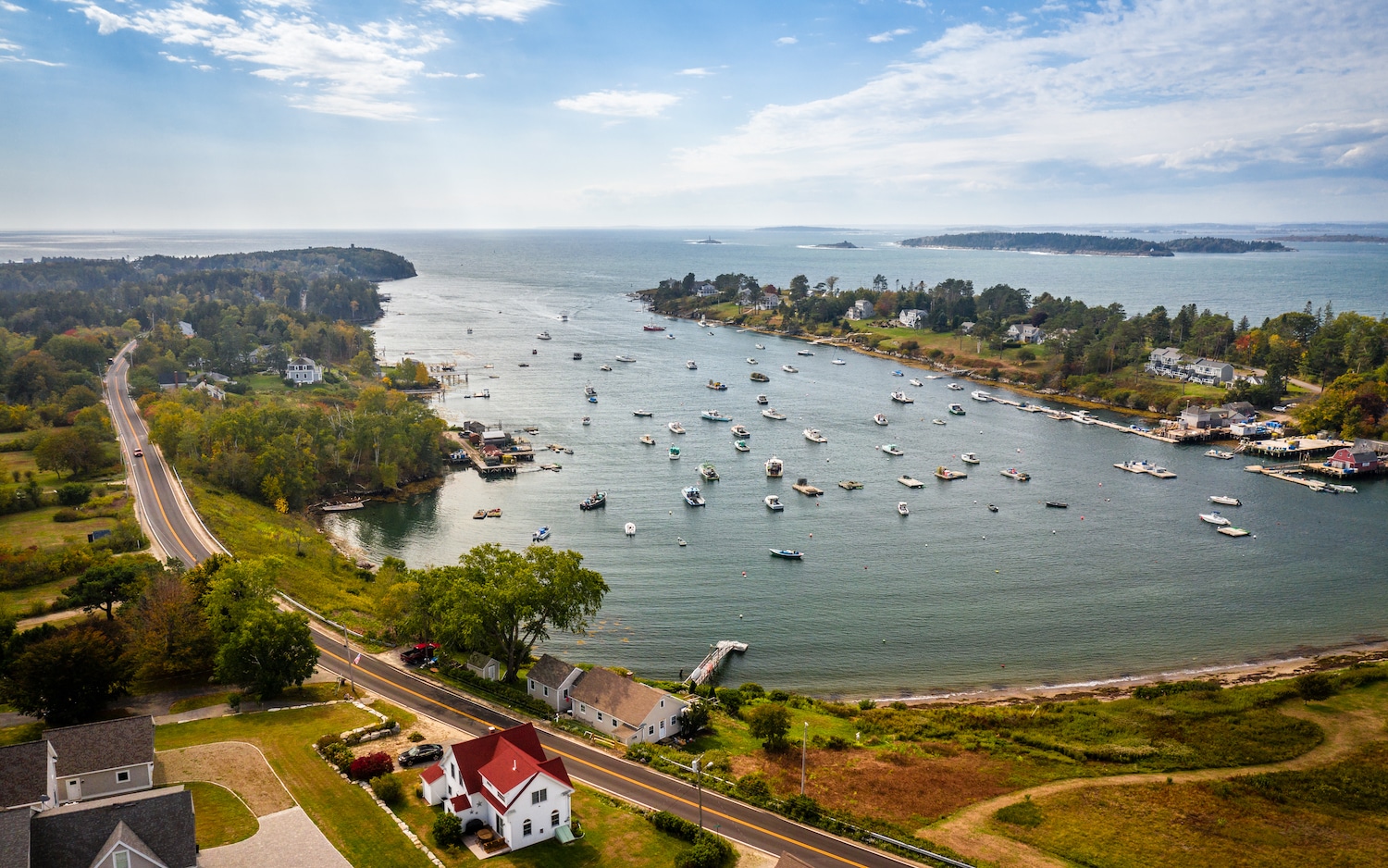
The Maine coastline is defined by its dramatic rocky shores and the quintessential New England charm of its small fishing villages. The crown jewel is Acadia National Park, but its popularity requires careful planning.
If you plan to drive Cadillac Summit Road for sunrise, you must secure a vehicle reservation—a $6 fee is typically required during the high season. I recommend booking this well in advance, as slots fill up quickly.
Clear recommendation: If you are not an early riser, skip the sunrise drive and opt for a sunset visit instead; the views are equally spectacular with half the stress. Always carry a headlamp if you plan to be on the trails before dawn, as the rocky terrain can be unforgiving in the dark.
8. Florida Keys Overseas Highway: A Tropical Summer Escape
The Overseas Highway is a unique engineering marvel that turns a road trip into an island-hopping adventure across the turquoise waters of the Florida Straits. While summer brings heat, it also brings the best opportunities for snorkeling and water sports in the shallow, clear reefs of the Keys.
Decision factor: This route is best for those who want a slow-paced, tropical vacation. If you are looking for rugged hiking or dramatic elevation changes, you will be disappointed.
Base yourself in a waterfront resort in Islamorada or Marathon to keep your drive times between keys manageable. Always check the weather forecast for tropical storm activity before booking, as summer is peak season for potential weather disruptions.
Summary: For the most iconic views, choose the Pacific Coast Highway. For solitude and nature, the Redwoods to Crater Lake route is unbeatable.
If you crave maritime history and fresh seafood, Maine is the clear winner, while the Florida Keys offer the best high-summer water activities.
What Are the Best Mountain and National Park Summer Road Trips?
When the summer heat peaks, the only logical move is to head for higher elevations or the rugged, glacier-fed landscapes of the American West. These routes prioritize dramatic topography and iconic park access, offering a cooler escape from the sweltering lowlands.
| Route | Best For | Primary Draw |
|---|---|---|
| Utah Mighty 5 | Geology lovers | Red rock formations |
| Glacier to Stanley | Backcountry seekers | Untamed wilderness |
| Colorado Rockies | Alpine enthusiasts | High-altitude passes |
| Badlands/Black Hills | Families | Diverse landscapes |
| Alaska Seward Hwy | Adventure travelers | Glacial fjords |
9. Utah’s Mighty 5 Loop: Exploring Red Rocks on Route 89
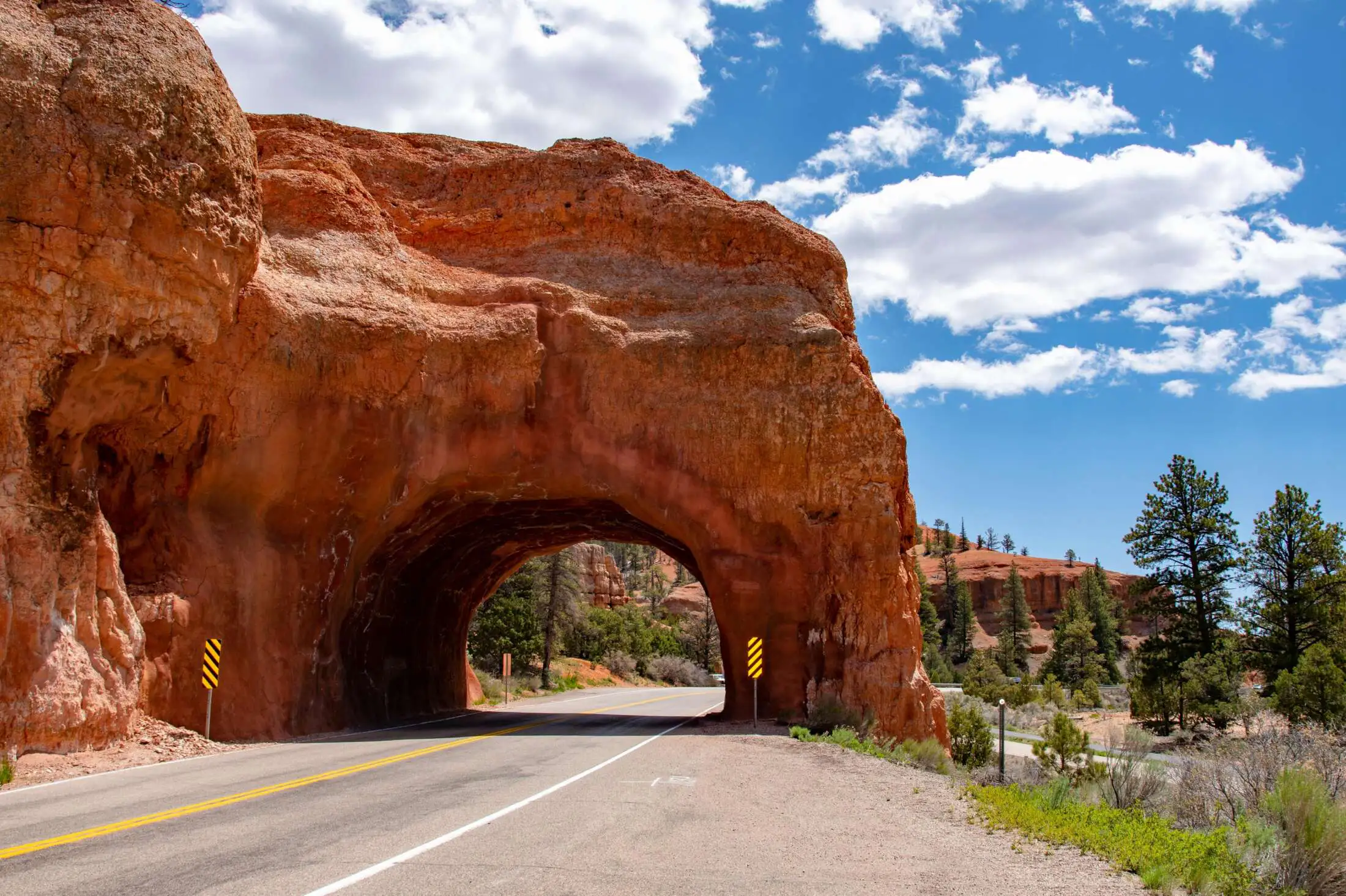
Utah’s Mighty 5 loop is the gold standard for desert road trips, but the secret to surviving the summer heat is an early-start strategy. I recommend basing yourself in gateway towns like Springdale for Zion or Moab for Arches and Canyonlands to ensure you reach trailheads by dawn.
Do not skip the fresh fruit pies at the Gifford Homestead in Capitol Reef; they are a local institution and the perfect reward after a morning hike.
10. Glacier National Park to Stanley, Idaho: The Rocky Mountain Wilderness Route
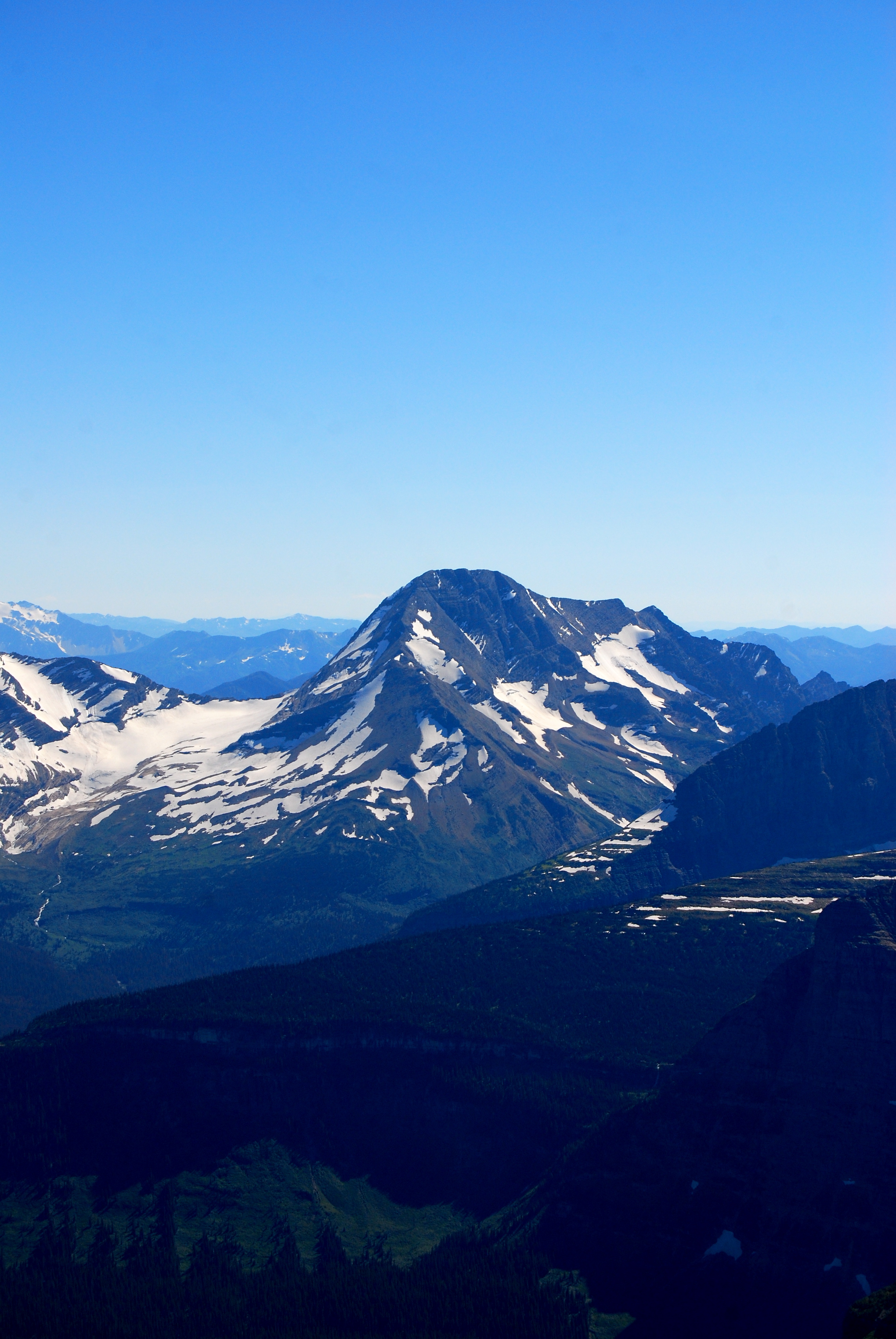
Traversing this 800-mile stretch offers the most raw, unfiltered mountain experience in the lower 48. This route is for those who prefer solitude over crowds.
I suggest prioritizing the Sawtooth National Recreation Area near Stanley; the jagged peaks here rival anything in the Alps. Skip the main tourist corridors if you want true quiet, and focus your time on the backcountry trails where the summer wildflowers are at their peak.
11. Colorado Rockies & Scenic Byway 12: High-Altitude Alpine Drives
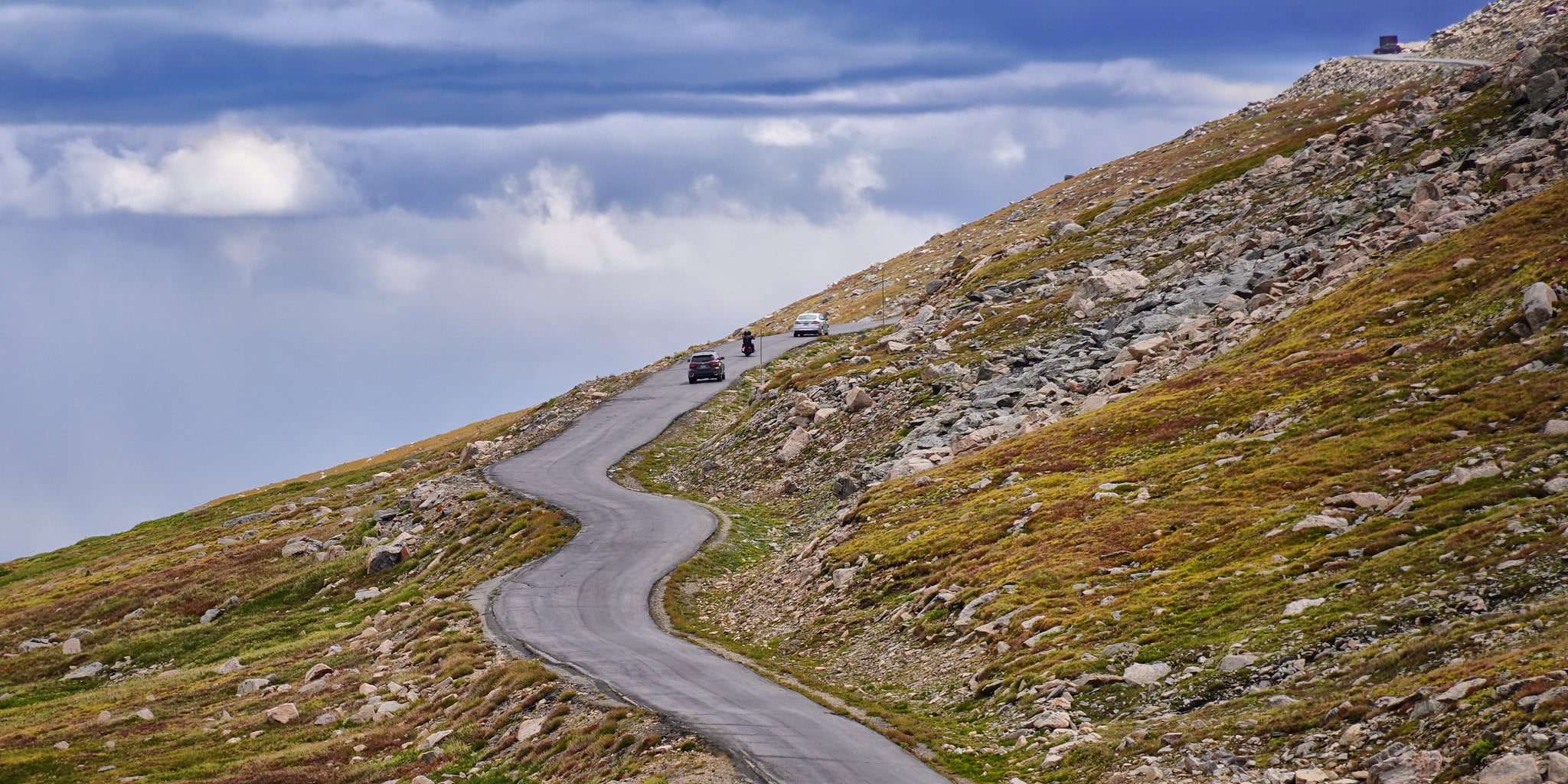
Colorado’s high-altitude passes provide a necessary reprieve from summer temperatures, with routes like the Million Dollar Highway offering white-knuckle thrills and constant panoramic views. This route is best for drivers comfortable with steep grades and narrow shoulders.
My pick is to spend extra time in the San Juan Mountains, where the historic mining towns offer a charming base for exploring the high-alpine tundra.
12. South Dakota’s Badlands to the Black Hills: A Colorful Plains Adventure
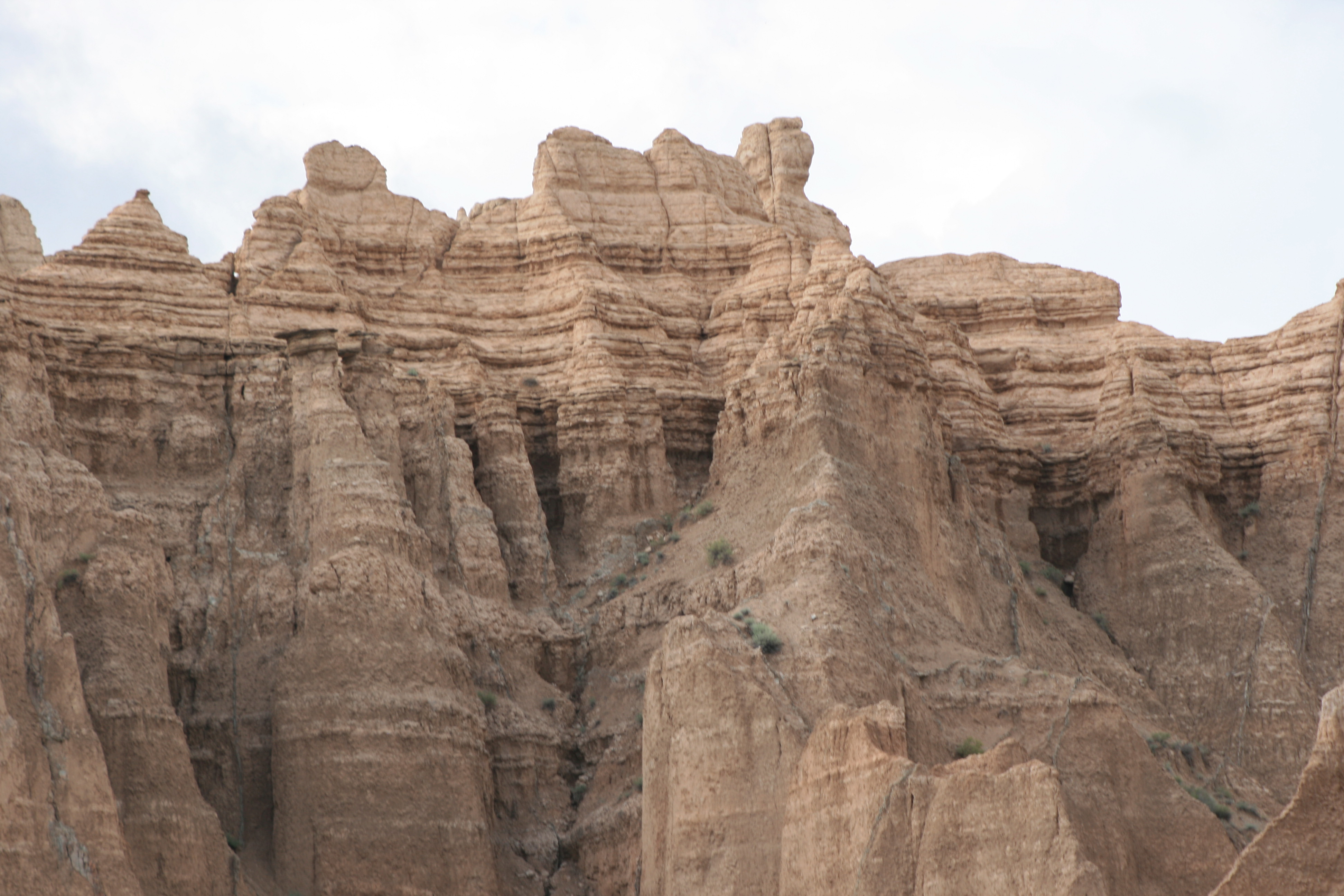
This route is a masterclass in geological contrast, shifting from the alien, jagged spires of Badlands National Park to the lush, pine-covered granite of the Black Hills. It is ideal for families who want a mix of hiking, wildlife viewing, and historical sites like Custer State Park.
I recommend staying in the Black Hills to avoid the intense heat of the open Badlands prairie during the mid-afternoon.
13. Alaska’s Seward Highway: Glaciers, Fjords, and Endless Summer Daylight
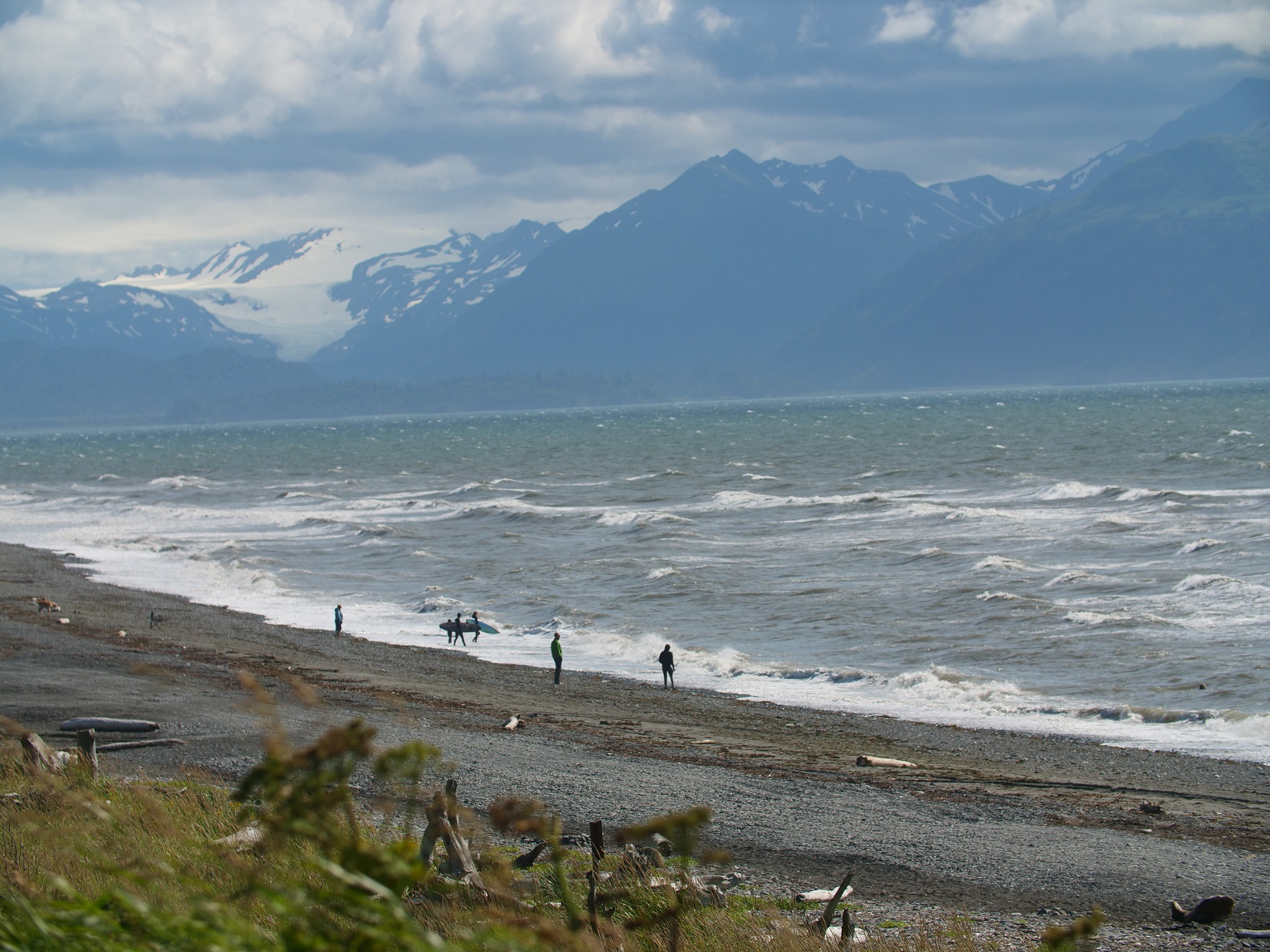
The Seward Highway is arguably the most scenic drive in the United States, hugging the coastline of the Turnagain Arm before pushing into the heart of the Kenai Peninsula. This is the ultimate summer trip because the near-constant daylight allows for extended exploration.
I recommend booking boat tours in Kenai Fjords National Park well in advance, as these are the only way to witness the tidewater glaciers up close. Since lodging is limited, an RV is the smartest way to maintain flexibility and keep your base camp mobile.
Top Decision Factors: Choose the Utah loop if you want iconic red rock photography; pick the Glacier-to-Stanley route for deep wilderness solitude; opt for the Colorado Rockies for high-altitude air; select the Badlands for family-friendly variety; and choose the Alaska route if you want to maximize your daylight hours in a truly wild setting.
What Are the Best Eastern Woodlands and River Road Trips?
The Eastern United States offers a distinct, lush alternative to the arid western routes, trading high-desert vistas for dense canopy forests, river-valley culture, and cool mountain retreats. Whether you are navigating the sweeping Appalachian ridges or tracking the Mississippi River’s evolution from heartland to bayou, these routes prioritize immersion in nature and historic charm.
| Route | Best For | Key Vibe |
|---|---|---|
| Blue Ridge Parkway | Scenic cruisers | Mountain serenity |
| Great River Road | Cultural explorers | Heartland history |
| Pisgah to Hot Springs | Active adventurers | Technical trails |
| White Mts. to Maine | Nature lovers | Wilderness solitude |
14. Blue Ridge Parkway: Winding Through the Appalachian Highlands
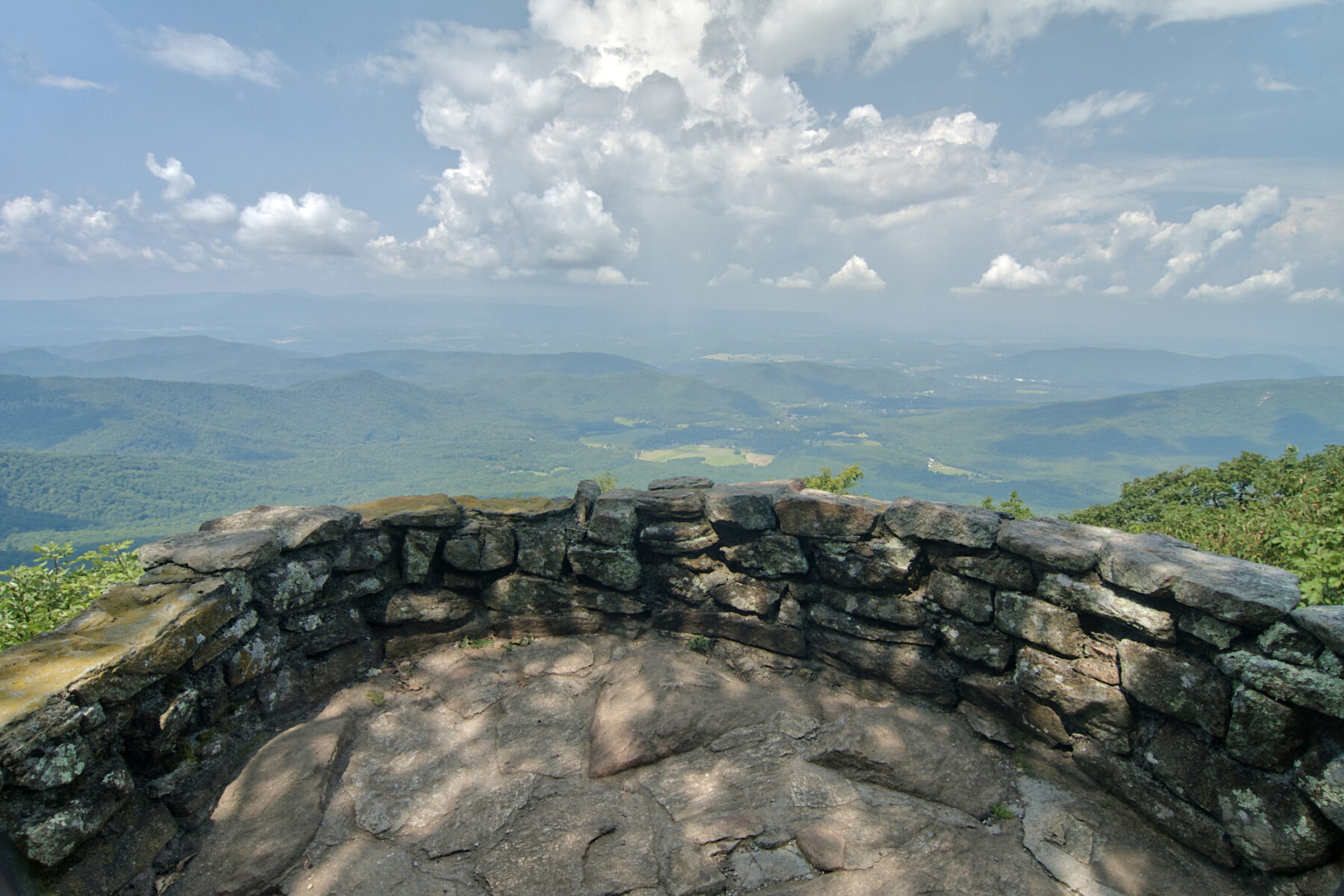
Known as “America’s Favorite Drive,” the 469-mile Blue Ridge Parkway is the gold standard for slow-paced mountain travel. Summer is the premier season here, as the high-altitude air remains significantly cooler than the surrounding valleys, and the roadside wildflowers are in full bloom.
My take: Do not rush this drive. The speed limit is intentionally low to encourage stops at the numerous overlooks.
I recommend basing yourself in small mountain inns along the route rather than trying to power through the entire length in one go; this allows you to catch the sunrise over the ridges without a long drive to the trailhead.
15. Great River Road: Following the Mississippi River Through America’s Heartland
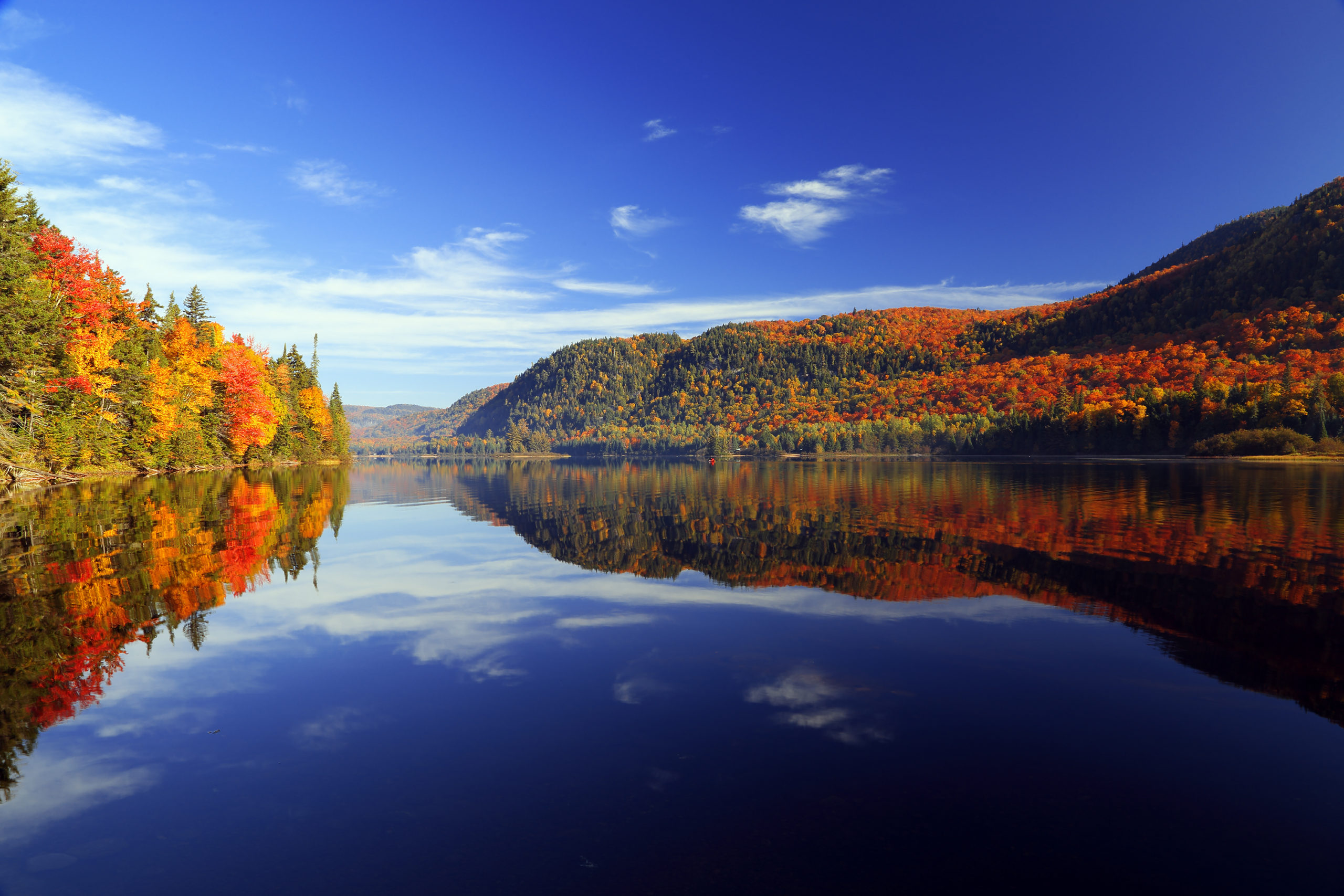
This route is less about a single destination and more about the evolution of the American landscape. Spanning from Minnesota to Louisiana, it offers a sprawling look at the country’s industrial and agricultural backbone.
My take: This trip is best for those who enjoy regional history and local food culture. It is a long-haul journey, so I suggest picking a specific 300-mile stretch—such as the Upper Mississippi valley—rather than attempting the full 10-state trek unless you have at least two weeks to spare.
Expect varying terrain, from bluff-lined riverbanks in the north to flat, humid bayous in the south.
16. Pisgah National Forest to Hot Springs: North Carolina’s Premier Trout and Trail Route
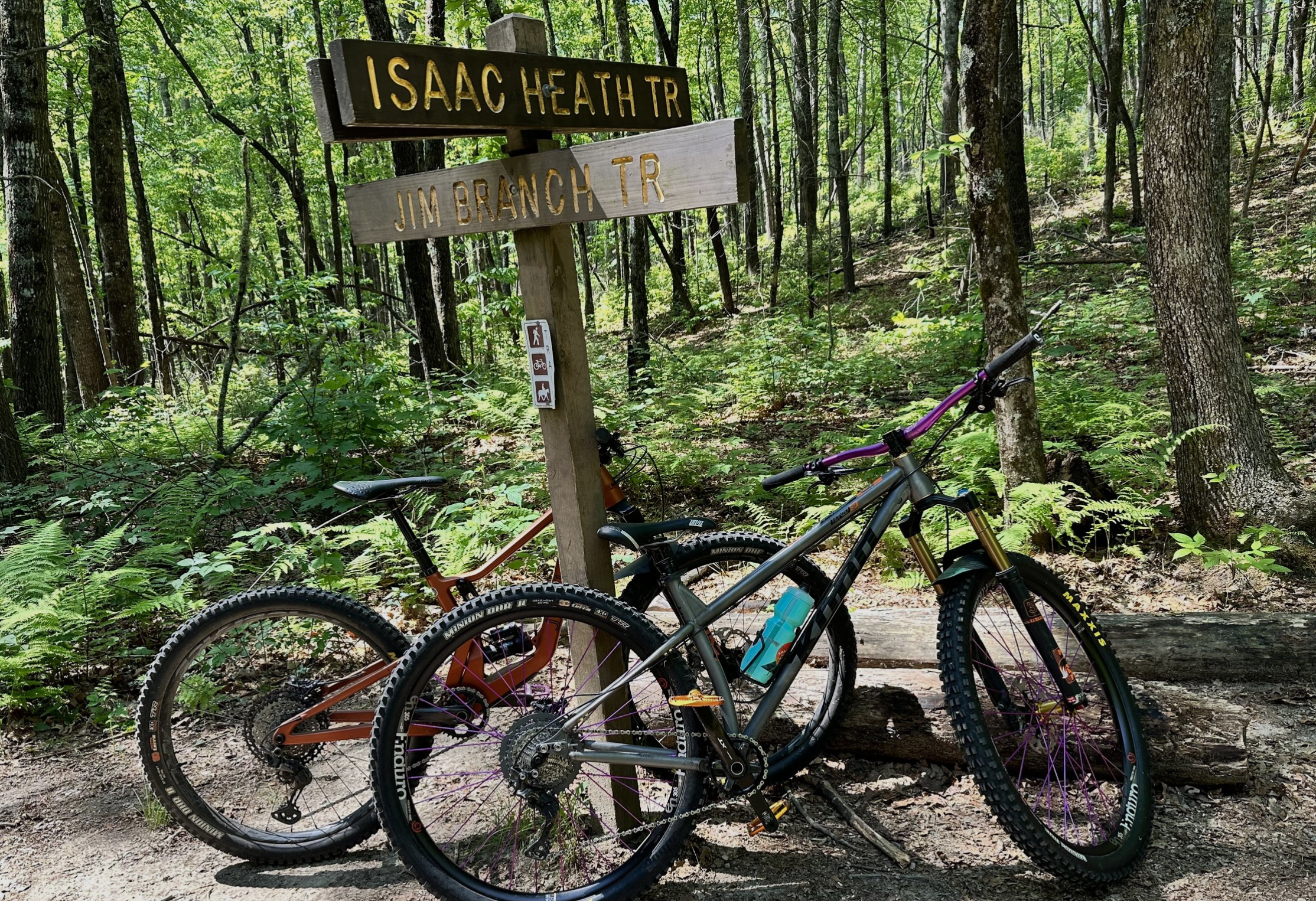
If your idea of a road trip involves more time on a bike or in waders than behind the wheel, this is your route. Pisgah National Forest is home to some of the most technical and rewarding singletrack in the East.
I recommend earmarking at least one full day for the fast, flowy trails in nearby DuPont State Forest to balance out the gnarlier terrain of Pisgah.
Practical tip: The trails here are remote and often unforgiving. Always carry a physical map and extra water, as cell service is unreliable in the deep pine forests.
For lodging, look for cabin rentals near the town of Hot Springs to serve as your base; it provides the perfect post-ride recovery environment.
17. White Mountains to Hidden Maine Ponds: New England’s Peak Wilderness
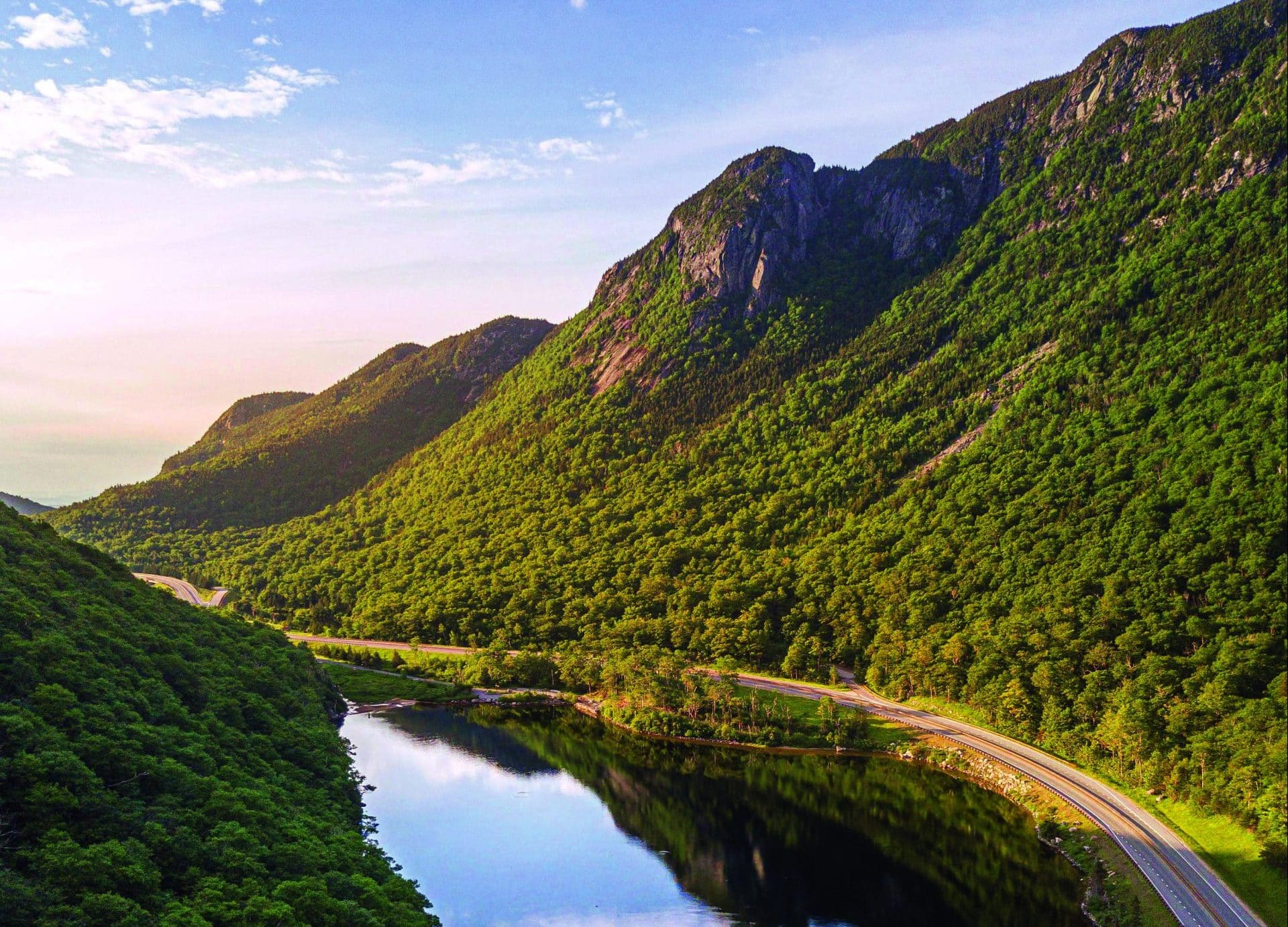
This route is a masterclass in forest density and alpine lakes. Starting in New Hampshire’s White Mountain National Forest, you are immediately met with beech and maple canopies that provide essential shade during the summer heat.
My take: Skip the crowded tourist centers and head straight for the trails. A 1.5-mile hike to Arethusa Falls—the tallest in New Hampshire—is a must-do, but arrive before 9:00 AM to secure parking.
If you prefer a more secluded experience, the 3-mile hike to Lonesome Lake offers a much quieter, more pristine atmosphere. I recommend staying in small, independent lodges or inns near the trailhead to maximize your morning access to the wilderness.
Summary: For the ultimate summer road trip in the East, choose the Blue Ridge Parkway if you want effortless scenic beauty, or Pisgah to Hot Springs if you need an active, trail-focused itinerary. Always book your mountain lodging well in advance, as these areas see high demand during the peak summer months.
What Are the Best Great Lakes and Midwest Summer Road Trips?
The Great Lakes offer a distinct summer rhythm defined by freshwater horizons that stretch like oceans and temperate breezes that make the Midwest the ultimate escape from coastal humidity. Whether you are navigating the circular route around Lake Michigan or pushing north toward the rugged cliffs of Lake Superior, these trips prioritize water access and small-town hospitality.
| Route | Best For | Primary Draw |
|---|---|---|
| Lake Michigan Circle Tour | Families and craft beer lovers | Accessible beaches and charming harbor towns |
| Indiana Dunes to Apostle Islands | Active explorers and paddlers | Diverse ecosystems and dramatic lakefront cliffs |
18. Lake Michigan Circle Tour: Family-Friendly Beaches and Midwestern Charm
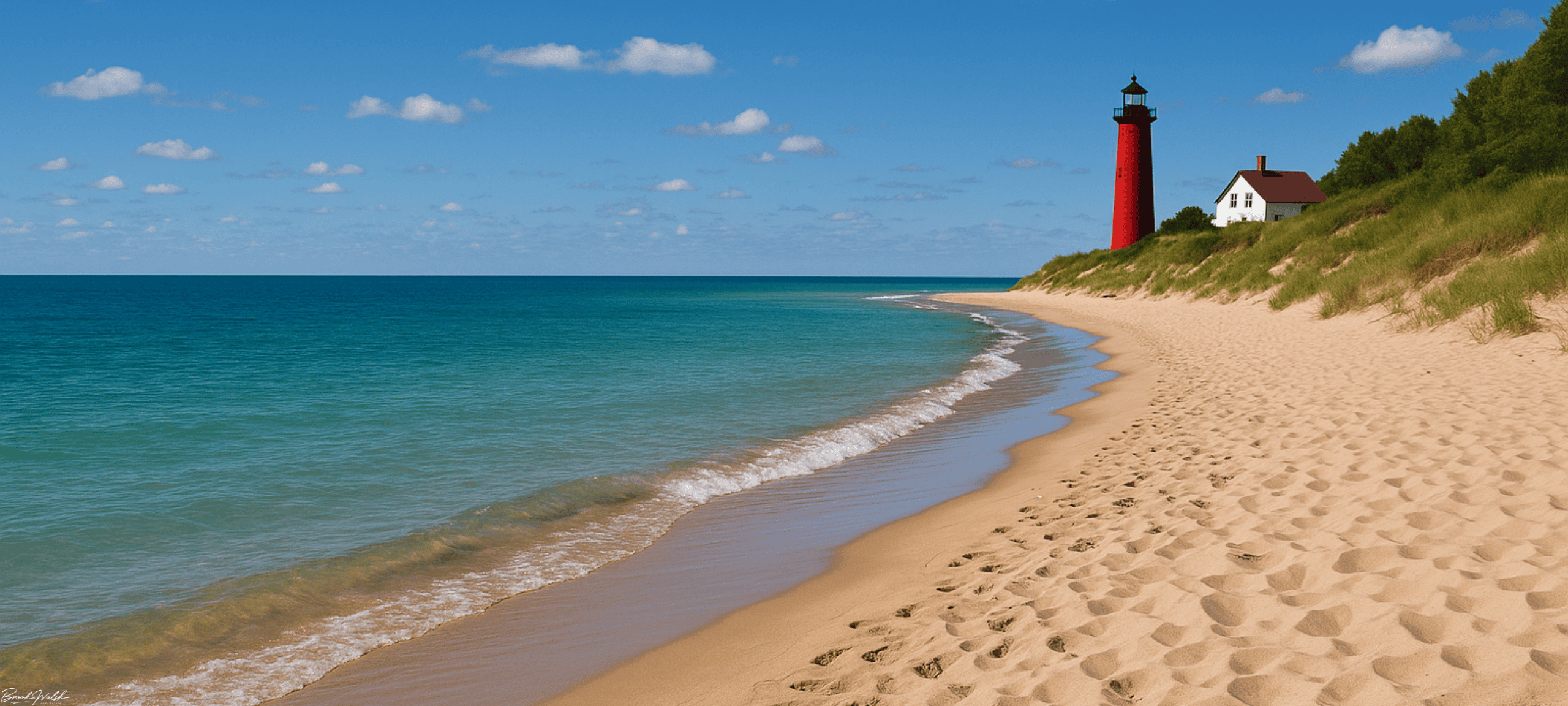
This route is the move for travelers who want the classic “lake life” experience without the intense crowds of the East Coast. The tour effectively loops the entire lake, but the real magic happens along the Michigan side, where towns like Traverse City offer a perfect blend of cherry orchards, local breweries, and manageable beach days.
I recommend focusing your time on the western Michigan coastline, where the water is surprisingly clear and the dunes provide natural playgrounds for all ages.
Practical Tip: Do not skip the smaller harbor towns between the major hubs; they often host local farmers’ markets that are far superior to city equivalents. If you are traveling with a group, look for cottage rentals in the Traverse City area early in the year, as these book up months in advance for the summer season.
For a stress-free experience, plan your drive to avoid the heavy weekend traffic that flows out of Chicago and Detroit.
19. Indiana Dunes to Apostle Islands: Paddling and Biking the Great Lakes Shoreline
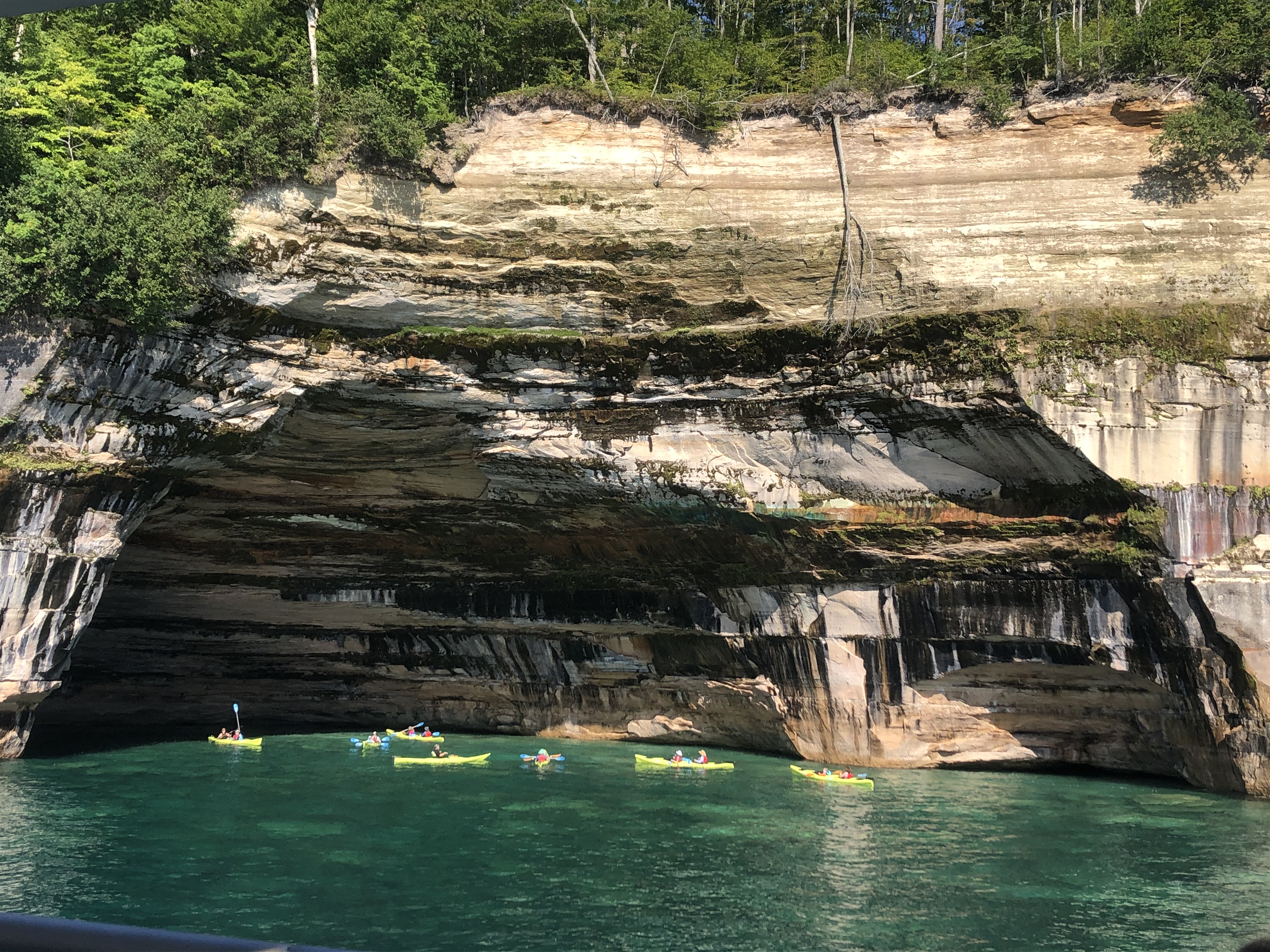
Starting at Indiana Dunes National Park, this route transitions from a biodiverse sanctuary—home to rare ghost pipes and carnivorous plants—into the rugged, northern wilderness of Lake Superior. This is the best route for those who refuse to just sit on the beach; the scenery at Pictured Rocks National Lakeshore and Sleeping Bear Dunes is best experienced from the water.
I recommend renting a sea kayak to explore the caves and rock formations that are completely inaccessible by car.
Practical Tip: Driving across the Mackinac Bridge is a rite of passage, but be prepared for high winds; if you are driving a high-profile vehicle or an RV, check the bridge status and wind warnings before you commit to the crossing. For the best experience at the Apostle Islands, plan to base yourself in Bayfield, Wisconsin.
It serves as the gateway for boat tours and kayaking excursions. Always pack a physical road atlas, as cell service can be spotty once you head deep into the northern reaches of the Upper Peninsula and Wisconsin.
Summary: Choose the Lake Michigan Circle Tour if you prefer a relaxed pace with plenty of amenities and town-hopping. Opt for the Indiana Dunes to Apostle Islands route if your priority is high-impact scenery, water-based adventure, and exploring protected national lakeshores.

How Should You Prepare Your Vehicle for a Summer Road Trip?
A successful summer road trip is won or lost in your driveway before you ever hit the highway. If you skip the prep, you are essentially gambling with your vacation time; I recommend a full systems check at least two weeks before departure to catch any mechanical issues before they become roadside emergencies.
Beyond the engine, your car’s exterior and interior condition dictates your daily comfort level, especially when you are spending six to eight hours a day behind the wheel.
Essential Car Care and Detailing Tips for Exterior and Interior Comfort
For the exterior, a thorough wash and a protective wax layer are non-negotiable; this creates a barrier against summer road grime, bug splatter, and intense UV rays that can damage your paint. Inside the cabin, long hours lead to inevitable spills and dust accumulation.
I recommend using a dedicated interior cleaner and a quality interior coating to provide a subtle, non-greasy shine that makes future wipe-downs significantly easier. Don’t overlook your visibility: ensure your windshield is crystal clear and your wiper blades are fresh, as summer thunderstorms can turn a clear road into a white-knuckle drive in seconds.
- The Pre-Built Kit Strategy: Do not waste time assembling emergency gear last minute. Keep a pre-built roadside kit in your trunk containing jumper cables, a tire pressure gauge, a first-aid kit, and a physical Rand McNally road atlas.
- The Analog Backup: Even if you rely on GPS, never leave your navigation entirely to cell service. A physical atlas is the only way to guarantee you won’t be stranded when you hit remote mountain or desert stretches.
- Curated Audio: Don’t leave your soundtrack to random algorithms. I suggest pre-selecting a few albums or audiobooks that match the geography of your route; it turns a long stretch of highway into an immersive experience.
Practical RV Rental Tips for a Seamless Summer Adventure
If your route takes you through areas with limited lodging, such as the remote stretches of the Pacific Northwest or the Alaskan wilderness, an RV is the superior choice. It eliminates the stress of finding hotel vacancies in high-demand gateway towns.
My pick for a seamless experience is Cruise America, as their fleet is designed specifically for ease of operation, even for those who have never driven a larger vehicle.
When booking, prioritize an RV that comes fully equipped with a kitchen, bathroom, and dedicated storage. This setup allows you to bypass the “meal stop” fatigue and keeps your schedule flexible. Before you drive off the lot, verify the following:
- Operational Walkthrough: Never skip the orientation. Ask the rental agent to demonstrate exactly how to connect to campsite hookups, how to operate the generator, and how to dump the waste tanks.
- Size Matters: If you are planning to visit national parks with narrow, winding roads, opt for a smaller, more maneuverable Class C or campervan rather than a massive Class A motorhome.
- Booking Window: Summer is peak season; I recommend securing your RV rental at least three to four months in advance to ensure you get the specific model that fits your group size.
Frequently Asked Questions
Is it necessary to use a physical road atlas in the age of smartphones?
I recommend carrying a Rand McNally road atlas regardless of your digital navigation tools. Relying solely on Google Maps is a mistake in the American West and mountainous regions where cell service frequently drops to zero.
A physical atlas ensures you can navigate detours or scenic shortcuts without needing a signal, providing a reliable backup that never runs out of battery or loses connectivity.
How can I avoid the worst of the summer crowds at popular national parks?
The most effective strategy is to adjust your internal clock: enter parks like Glacier or Acadia either very early in the morning or in the late afternoon. For sunrise seekers at spots like Cadillac Summit Road in Acadia, be prepared to book your $6 vehicle reservation well in advance, as these passes are required during the high season.
Always carry a headlamp if you are heading out before dawn to ensure safety on trails and parking lots.
Should I consider an RV for my summer road trip?
An RV is the move if you are exploring regions with limited hotel inventory, such as the remote stretches of Alaska’s Seward Highway. Renting a fully equipped vehicle—like those from Cruise America—provides a kitchen, bathroom, and sleeping quarters, which eliminates the stress of finding last-minute accommodations in high-demand areas.
It is the best way to ensure comfort and flexibility when your route takes you far from major city centers.
How should I curate my road trip audio for the best experience?
Do not leave your playlist to the whims of a streaming algorithm. I prefer to build a custom soundtrack or select audiobooks that are geographically or culturally tied to the destination.
For example, listening to local artists while driving through Texas creates a deeper sense of place that generic radio cannot replicate. Curating your audio in advance turns long, monotonous highway stretches into an immersive part of the journey.
What is the most important tip for vehicle preparation?
Prioritize visibility and interior comfort to keep passengers happy and safe. Ensure your windshield is clean to handle glare and potential bug splatters, and consider keeping pre-built emergency kits in the trunk.
A well-maintained vehicle is the foundation of a stress-free trip; checking these basics before you leave saves you from wasting precious vacation time at an auto shop.
Hit the Road with Confidence
Before you pack your bags, grab a physical Rand McNally road atlas and schedule a quick vehicle inspection to avoid any roadside headaches. If you are eyeing popular stops like Acadia or renting a Cruise America RV, secure those reservations today before they sell out.
There is no better way to experience the vast, changing beauty of the American landscape than by watching it unfold slowly from behind the wheel.
Pick your favorite route from this list, map out your first three overnight stops, and start curating your ultimate road trip playlist.
Leave a Reply