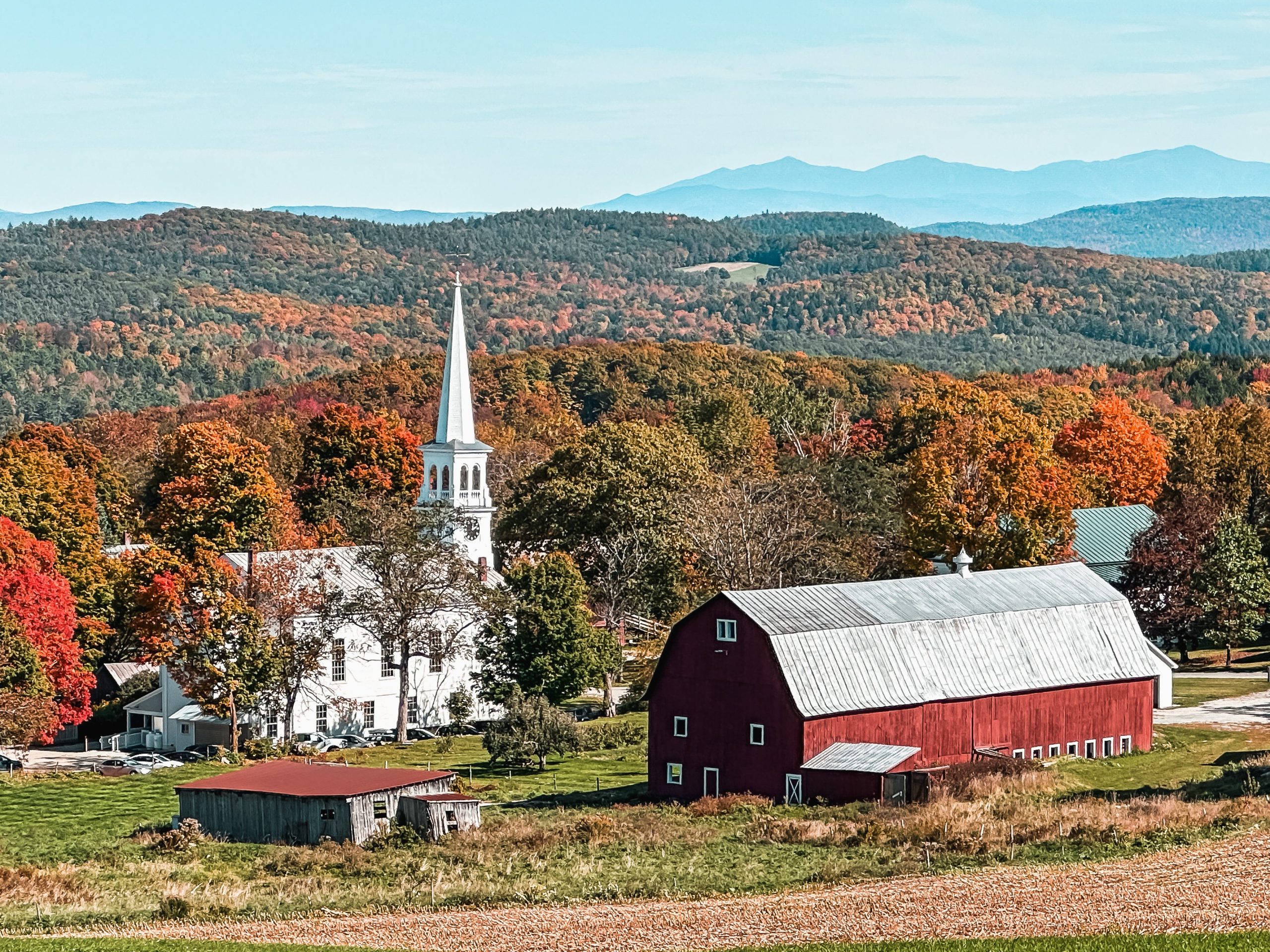
The air hits you first—crisp and clean, carrying the smell of wet leaves and wood smoke from distant chimneys. You round a curve on Route 100 and suddenly the entire valley walls turn crimson and gold, maples so densely packed they create a tunnel of color overhead that makes you forget to breathe.
Vermont’s fall foliage window is brutally short (4-5 weeks, mid-September through early October) and the timing is staggered by region—northern peaks two to three weeks before the south, which means you can chase peak color strategically instead of arriving to bare branches. No other New England state offers this geographic flexibility or this density of color in such a compact area.
This guide tells you exactly when to go, which scenic drives deliver the most dramatic payoff, which towns actually deserve your time, and how to avoid the Instagram crowds that clog Stowe and Woodstock every October weekend.
Budget ranges: budget travelers ($80-150/night lodging, picnic meals) can experience peak foliage fully; mid-range ($150-250/night, farm-to-table dinners) hits the sweet spot for comfort without resort pricing; splurge options ($250+/night at properties like The Equinox or Edson Hill) add luxury amenities and on-property dining that simplify logistics during peak season.
Your Vermont Foliage Trip at a Glance
Peak Timing: Northern Vermont peaks late September through early October; southern Vermont peaks mid-to-late October. Check the Vermont Fall Foliage Report weekly starting late August to lock in exact dates.
Best Airports: Boston Logan (2 hours to central Vermont, cheapest fares) or Burlington International (90 minutes to Stowe, skip the drive). Manchester Airport works only for southern-only trips.
Must-Drive Routes: Route 100 (the spine—146 miles of relentless color), Smuggler’s Notch Pass (most dramatic 18-mile corridor), Route 7 (western loop with upscale towns), Middlebury Gap (concentrated forest density), Route 30 (least crowded, Northeast Kingdom access).
Best Base Towns: Stowe or Waterbury for northern foliage; Middlebury or Waitsfield for central access; Bennington or Manchester for southern regions. Skip staying in Woodstock or Stowe during peak weekends—day-trip there instead from quieter bases like Weston or Montpelier.
Book Lodging 4-6 weeks ahead for peak foliage weekends; weekday travel cuts crowds and costs by 30-40% without sacrificing color.
When is the Best Time to Go Leaf Peeping in Vermont?
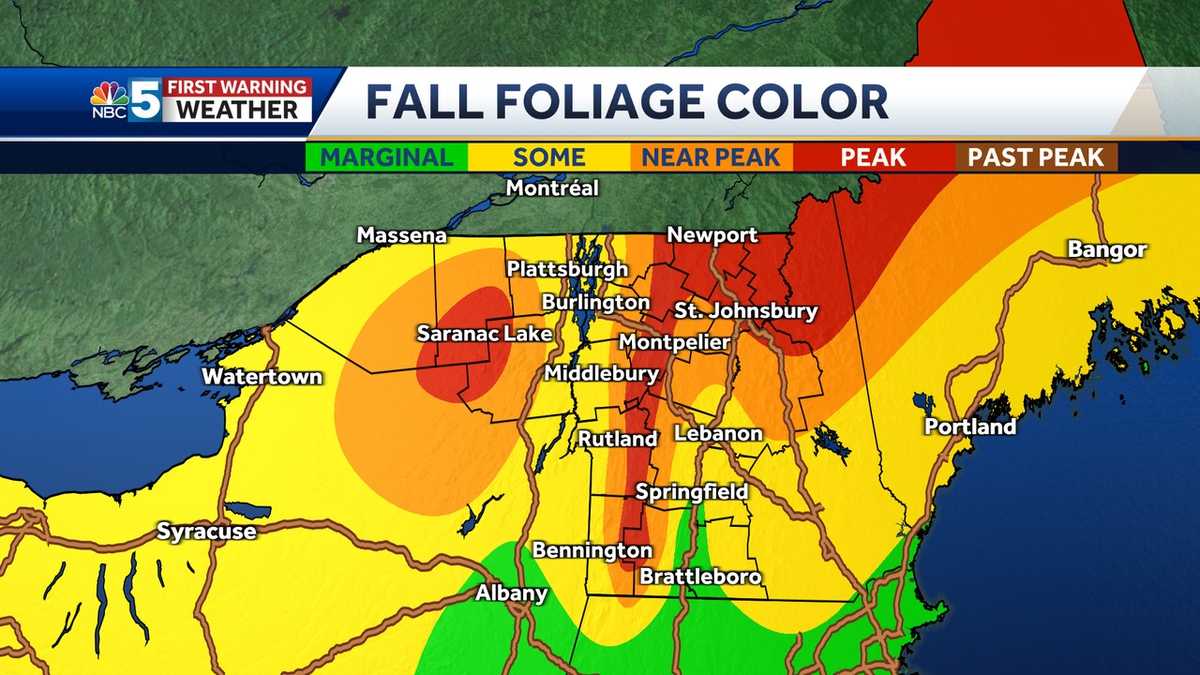
Peak foliage in Vermont runs roughly mid-September through the first three weeks of October—a 4-to-5-week window—but the exact timing depends on whether you’re heading north or south, and how high you’re willing to drive. Northern Vermont typically peaks 2-3 weeks earlier than the southern regions, which means you can’t just pick one date and expect the same show everywhere.
This staggered timing is your advantage: plan strategically and you’ll hit maximum color no matter which part of the state calls to you.
Understanding Peak Foliage Timing (North vs. South and Elevations)
Northern Vermont—including the Northeast Kingdom and areas around Stowe—typically reaches peak color in late September through early October. Southern Vermont, particularly around Bennington and Manchester, peaks 2-3 weeks later, usually mid-to-late October.
If you’re flexible on dates, this split means you can chase the best colors by moving south as the season progresses, rather than arriving to find trees already past their prime.
Elevation matters just as much as geography. Higher elevations turn color earlier than valleys and lowlands.
If you’re driving scenic passes like Smuggler’s Notch (Route 108) or Middlebury Gap (Route 125), expect peak color there 1-2 weeks before the towns below. Plan a multi-day trip that hits both elevation zones and you’ll see the full spectrum of autumn—from early reds at 3,000 feet to lingering golds in the valleys.
The sweet spot for most travelers is early October, when northern regions are still vibrant and southern areas are just beginning to turn. This is also when weather is most stable—daytime temperatures typically range from 50-65°F, with crisp mornings and mild afternoons ideal for driving and hiking.
Avoid late September if you’re heading south (colors won’t be there yet) and avoid late October if you’re going north (leaves will have dropped).
How to Use Vermont Fall Foliage Trackers and Forecasters
The Vermont Fall Foliage Report at vermont.com/foliage.cfm is your planning bible. It updates weekly with real-time reports from across the state, broken down by region, so you can see exactly which areas are at peak, approaching peak, or past their best.
Check it 2-3 weeks before your planned trip to lock in dates, then check again one week out to confirm timing hasn’t shifted due to weather.
Use the tracker to avoid the most crowded weekends. Peak foliage weekends—especially the first full weekend of October—draw massive crowds to popular towns like Stowe and Woodstock.
If you have flexibility, aim for a weekday or the week after peak hits; colors will still be excellent, but parking and restaurant reservations will be infinitely easier. The tracker also shows which regions are hitting peak simultaneously, so you can plan a route that doesn’t require backtracking.
Base your trip timing on the tracker’s regional updates, not national weather forecasts. A warm September can delay peak by a week; an early frost can accelerate it.
The official Vermont report accounts for these local variables in real time, whereas generic fall-color maps do not. Bookmark the page and check it weekly starting in late August if you’re planning an October trip.
How to Plan Your Vermont Leaf Peeping Trip
A Vermont fall trip requires exactly three decisions: which airport gets you there fastest, what to pack so layering actually works in 40-degree mornings and 55-degree afternoons, and how many days you can steal away — because the foliage window is tight and northern Vermont peaks two to three weeks before the south.
Which Airport Should You Fly Into
Boston Logan International (BOS) is the best entry point for Vermont leaf peeping: it has non-stop flights from most major US cities, offers the cheapest fares, and puts you only two hours from central Vermont attractions like Woodstock and Stowe. From Boston, you can drive directly north into the Green Mountains without backtracking through New Hampshire.
Burlington International (BTV) is the move if you want to skip the drive entirely — it’s Vermont’s largest airport and lands you in the state’s northwest corner, roughly 90 minutes from Stowe and 2.5 hours from Woodstock. Book it if you have limited time and want to maximize hours on scenic drives rather than in a car seat.
The trade-off: fewer flight options and typically higher ticket prices than Boston.
Manchester Airport (MVT) in southern Vermont works only if you’re focusing exclusively on the south (Bennington, Manchester, Weston) and want to avoid the full state drive. It’s small, has limited service, and makes sense only for a tight 3-day southern loop.
Rental car strategy: Book a standard sedan or compact SUV — you’ll need ground clearance for some back-road foliage routes, but Vermont’s main scenic byways (Route 100, Route 7, Route 30) are all paved and well-maintained. Pick up your car immediately after landing; peak foliage season (late September through mid-October) means rental availability tightens fast, and prices spike 30–50% above shoulder season rates.
What to Pack for Autumn in New England (Layering and Hiking Gear)
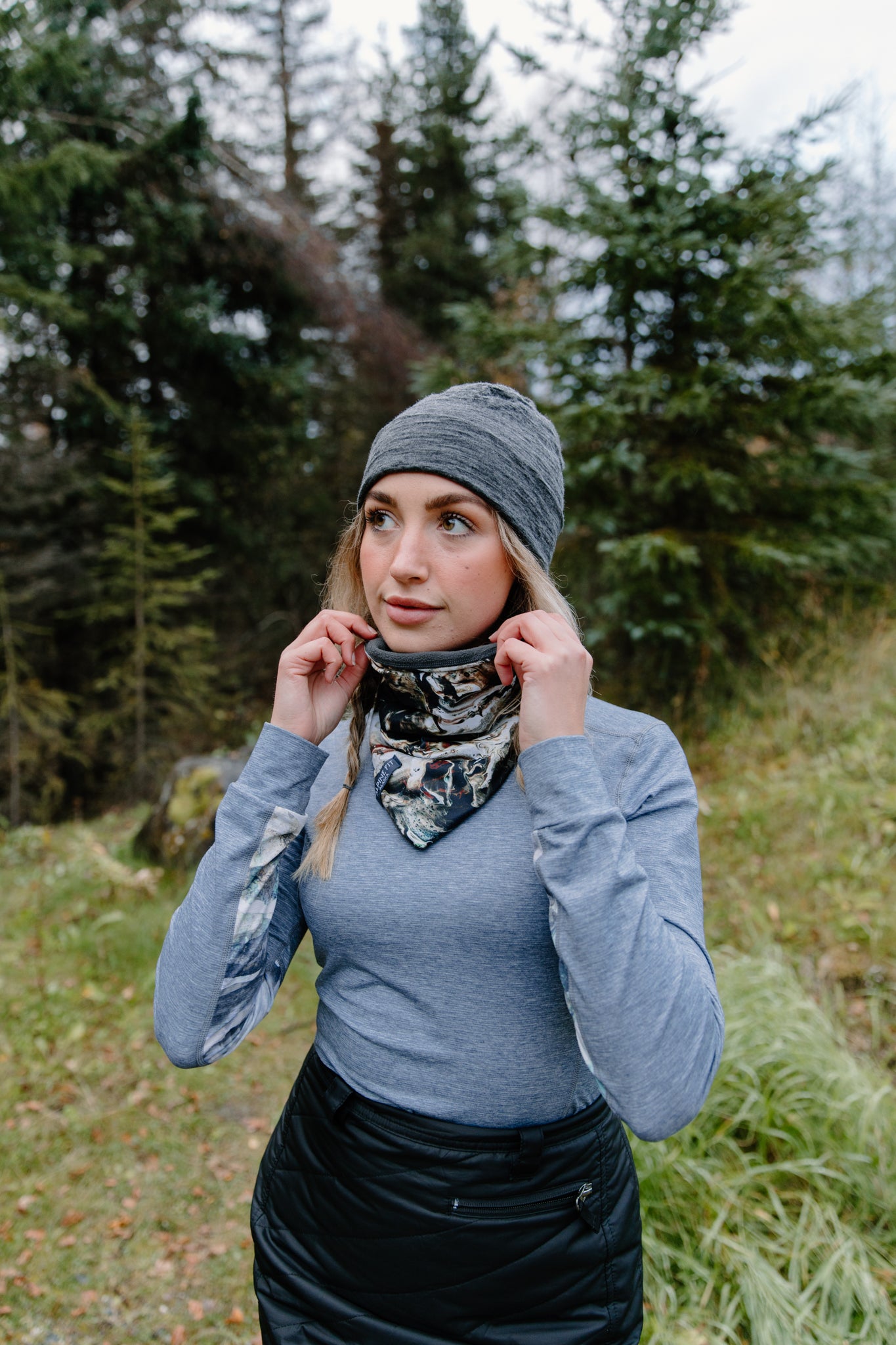
Vermont fall weather is deceptive: sunny mornings start at 35–40°F, afternoons climb to 50–60°F, and evenings drop back to freezing. Pack for three distinct temperature zones, not one.
Base layer (moisture-wicking): Merino wool or synthetic long-sleeve shirts and leggings. Cotton holds sweat and keeps you cold — skip it entirely. Bring two sets so you can rotate while one dries overnight.
Mid-layer (insulation): A fleece jacket or lightweight wool sweater that compresses small. This is your workhorse — you’ll add and remove it constantly throughout the day.
Avoid bulky down; it’s overkill for 40–60°F and takes up luggage space.
Outer layer (wind and water): A packable rain jacket that fits in a day pack. Vermont fall means sudden afternoon showers; a full rain suit is unnecessary, but a lightweight shell saves you from getting soaked on scenic overlooks.
Choose one that breathes so you don’t overheat during uphill hikes.
Footwear: Waterproof hiking boots with ankle support (trails are muddy and leaf-covered, hiding uneven ground). Bring one pair of casual shoes for town dinners in Woodstock or Stowe.
Avoid new boots — break them in before the trip or risk blisters on day-hike routes.
Accessories that actually matter: A lightweight beanie (you lose 40% of body heat through your head), gloves that work with a phone screen, and a neck gaiter or scarf that doubles as a face mask on windy ridge walks. Sunglasses are essential — fall sun reflects hard off wet leaves and water, and you’ll be staring at foliage all day.
Day pack essentials: A 15–20L backpack with a hydration bladder or water bottle, snacks (trail mix, energy bars), a basic first-aid kit, and a portable phone charger. Vermont cell service is spotty in rural areas; a dead phone is a real problem on backcountry roads.
Insider detail: Bring one pair of thick wool socks — not cotton athletic socks. Your feet will be wet from morning dew on grass and muddy trail sections.
Merino or wool blends keep your feet warm even when damp, while cotton socks become cold, clammy anchors by midday. Pack at least three pairs.
What not to pack: Leave the heavy winter coat, thermal underwear, and snow gear at home — you won’t need them. Peak foliage season (late September through mid-October) doesn’t include snow.
Overpacking for winter is the most common mistake; it wastes luggage space and makes you sweat during afternoon hikes.
Luggage strategy: A carry-on roller bag plus a small backpack is ideal. You’ll be changing clothes multiple times daily and moving between towns; a large checked suitcase becomes a liability in small inn rooms and makes day-trip logistics slow.
If you’re driving a rental car for 4–7 days, one small bag per person is plenty.
Best Scenic Drives and Byways for Autumn Colors
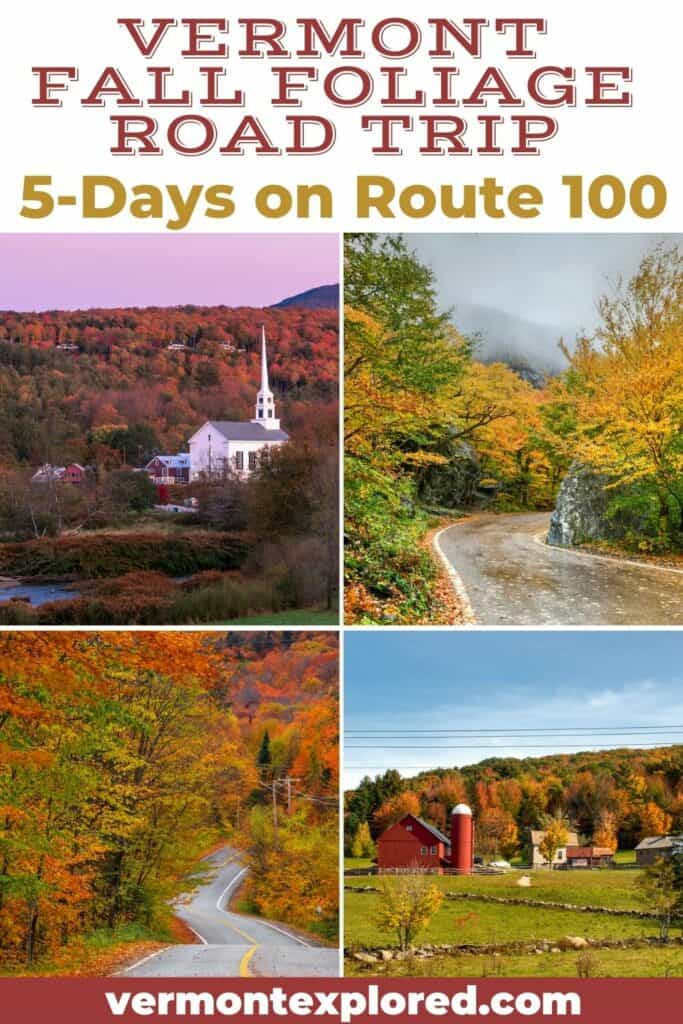
Vermont’s leaf-peeping drives are engineered for maximum color impact — narrow mountain passes lined with maples that turn simultaneously, long straightaways through valleys where you watch the gradient shift from green to crimson across a single ridge, and zero traffic compared to New England’s other fall hotspots. The state’s compact size means you can chain multiple drives together without backtracking, and the two-to-three-week window between northern and southern peak foliage gives you real flexibility to time your trip.
Base yourself in a central town like Waterbury or Middlebury to access all five major routes without relocating daily.
Route 100: The Ultimate Leaf Peeping Highway
Route 100 is Vermont’s spine for fall color — a 146-mile north-south corridor that runs the length of the state and ranks as the most popular foliage drive in Vermont. The route meanders through Wilmington, Dover, Plymouth, Waterbury, and Stowe, threading the Mad River Scenic Byway section where the valley walls close in and maples create a tunnel of red and gold overhead.
This is the drive to do first if you have limited time, because it hits both northern and southern Vermont foliage zones and passes through or near most of the state’s best leaf-peeping towns. Peak color typically arrives in late September in the north (around Stowe) and mid-October in the south (around Wilmington), so check the Vermont Fall Foliage Report for weekly updates before you drive.
Smuggler’s Notch Pass (Route 108)
Smuggler’s Notch Pass — locally called “the Notch” — is the most dramatic 18-mile drive in Vermont and the one that delivers the most visceral fall experience. The road is narrow, windy, and lined so densely with maple trees that you drive through a corridor of vibrant reds and golds in peak season.
It connects Jeffersonville on the western slope of Mount Mansfield to Stowe on the eastern side, cutting across the mountain’s spine and gaining elevation fast. Critical planning detail: This road closes seasonally due to snow, typically from November through May, so confirm it is open before you drive. Time this route for mid-to-late September through early October when northern Vermont peaks.
The drive takes roughly 30 minutes without stops, but plan 90 minutes if you want to pull over for photos — there are several scenic overlooks.
Route 7: The Western Vermont Loop
Route 7 traces Vermont’s western border and is the drive for travelers who want to combine foliage with upscale shopping and historic charm. The route runs north-south along the state’s western side, passing through Bennington, Manchester, Middlebury, and Burlington — all detailed in the towns section of this guide.
Unlike Route 100, which stays inland through mountain valleys, Route 7 offers more open views of the Green Mountains as a backdrop and passes through more developed towns with restaurants and galleries. If you have time and want to extend into neighboring states, Route 7 dips into Massachusetts and Connecticut, adding another 1-2 hours of driving but capturing foliage from three states in one trip.
Peak color on Route 7 typically arrives in mid-October.
Route 30 and the Northeast Kingdom Route
Route 30 is the drive for travelers who want to escape crowds and see Vermont’s most remote, least-touristy foliage. The Northeast Kingdom — the three counties in far northeastern Vermont — recently ranked as the best Geotourism destination in the United States and among the top 10 globally, yet it sees a fraction of the leaf-peeping traffic that Route 100 does.
Route 30 runs from St. Johnsbury south toward Montpelier, passing through dense forest, small villages, and working farmland where the foliage is just as vibrant but the roadside is empty. This route is best for travelers who prioritize solitude over convenience and don’t need constant access to restaurants or shops.
The drive is longer and more remote than other routes — plan for slower speeds and fewer services — but the payoff is authentic Vermont without the Instagram crowds. Peak color typically arrives in late September to early October in this northern region.
Middlebury Gap (Route 125)
Route 125, known as Middlebury Gap, is a stunning 20-mile mountain pass through the heart of central Vermont that connects Middlebury on the western side to Route 100 on the eastern side. The road climbs through dense forest and crosses the Green Mountains at elevation, delivering some of the most concentrated foliage density in the state — the trees are packed tightly on both sides of the road and the color saturation is intense in peak season.
This is an ideal drive to combine with a stay in Middlebury (a historic college town with strong restaurant and lodging options) or as a connector between Route 100 and Route 7 if you’re building a multi-day loop. The drive takes roughly 30-40 minutes and is less crowded than Route 100, making it a smart choice for travelers visiting during peak foliage weekends.
Peak color typically arrives in mid-October.
Route Planning Tip: Vermont’s compact size means you can drive all five routes in a single week without exhaustion. A smart itinerary: base yourself in Waterbury or Middlebury for 3-4 nights, drive Route 100 and Smuggler’s Notch Pass on days 1-2 (both accessible from Waterbury), Route 125 and Route 7 on day 3, and Route 30 in the Northeast Kingdom on day 4 if you have time.
This minimizes backtracking and lets you see peak color across all elevation zones.
11 Best Vermont Towns for Fall Foliage
Vermont’s fall towns aren’t interchangeable — each one wins for a different reason, and choosing the wrong base costs you hours of driving or lands you in a tourist bottleneck when you’d rather be alone with the trees. The towns below are ordered geographically to work with the scenic drives covered in earlier sections, so you can build a real itinerary instead of zigzagging across the state.
Stowe: The Quintessential Northern Village
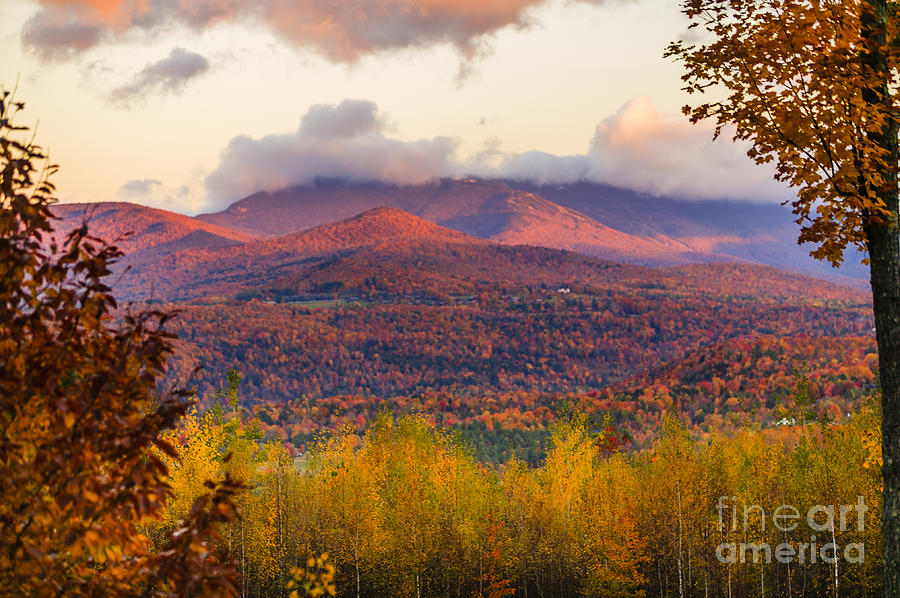
Stowe wins for anyone who wants the full leaf-peeping experience without apology — it’s the most famous fall destination in Vermont for a reason, and that means crowds, but also infrastructure that actually works. The town sits at the base of Mount Mansfield, Vermont’s highest peak, and the Gondola Skyride at Stowe Resort takes you 4,000 feet up for panoramic foliage views that beat any hiking alternative if you’re short on time or energy.
Stay in or near Stowe itself (the section on accommodations covers specific inns) and use it as your northern anchor — everything from Route 100 to Smuggler’s Notch Pass is within 20 minutes.
The trade-off: Stowe is packed during peak foliage, especially weekends, and restaurants book out weeks ahead. Go mid-week in early October for the best balance of color and elbow room.
Woodstock: Picture-Perfect Charm and Historic Covered Bridges
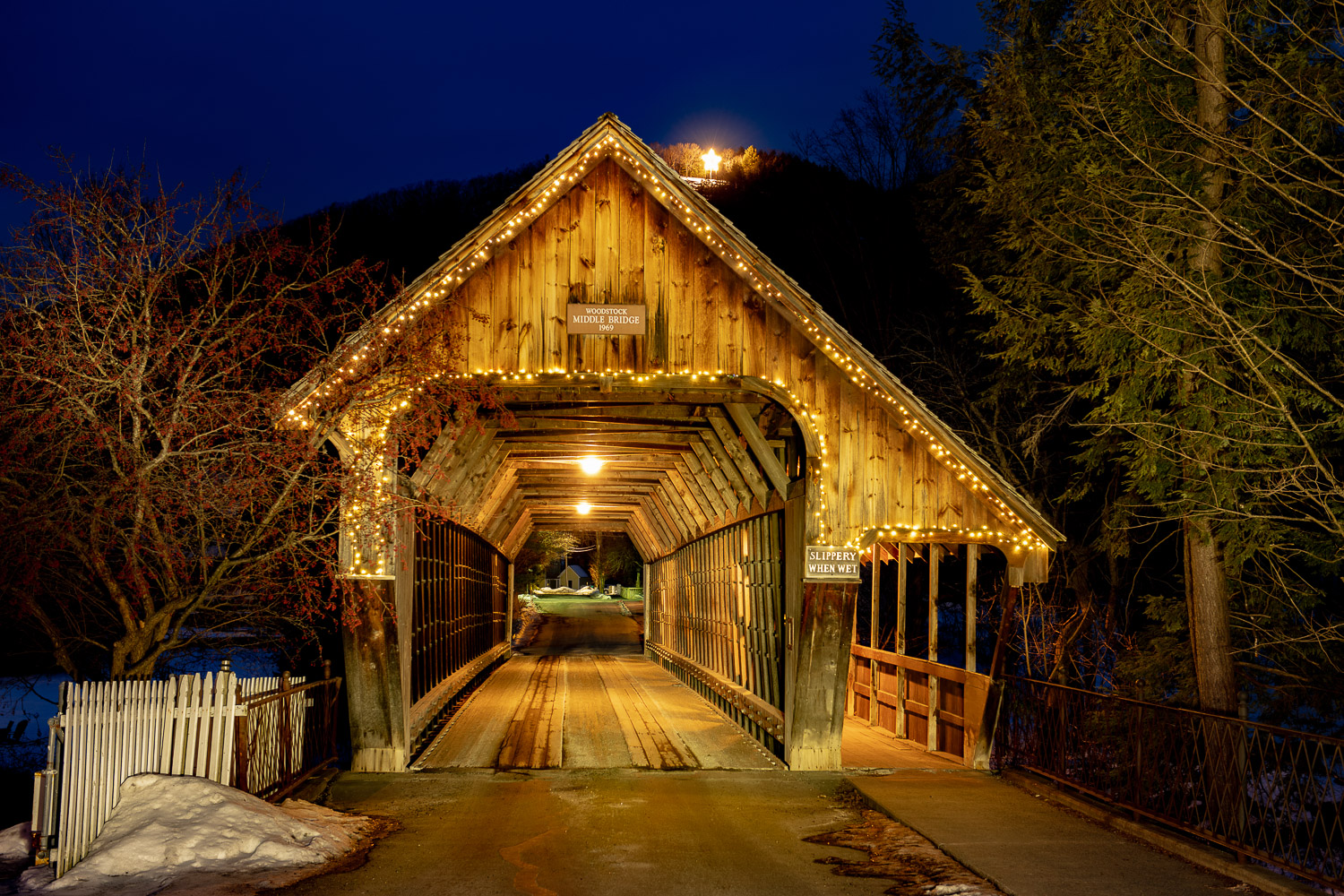
Woodstock is the answer if you want a town that looks exactly like fall foliage postcards — it’s almost too perfect, which means it photographs better than it feels to actually walk around. The village green is ringed by Federal-era buildings, and the covered bridges nearby (especially the Quechee Covered Bridge) are genuine photo stops, not Instagram traps.
Mount Tom, a 30-minute hike from town, delivers a summit view of Woodstock’s valley that justifies the effort, and the trail starts behind the covered bridge so you can’t miss it.
Woodstock works best as a day trip or overnight from a larger base — it’s small enough that you’ll see everything in a few hours, and lodging here books solid during peak season. The real win is the Quechee Gorge, a 165-foot chasm carved by the Ottauquechee River, which sits just outside town and offers dramatic foliage framing.
Manchester: Upscale Shopping and Mountain Backdrops
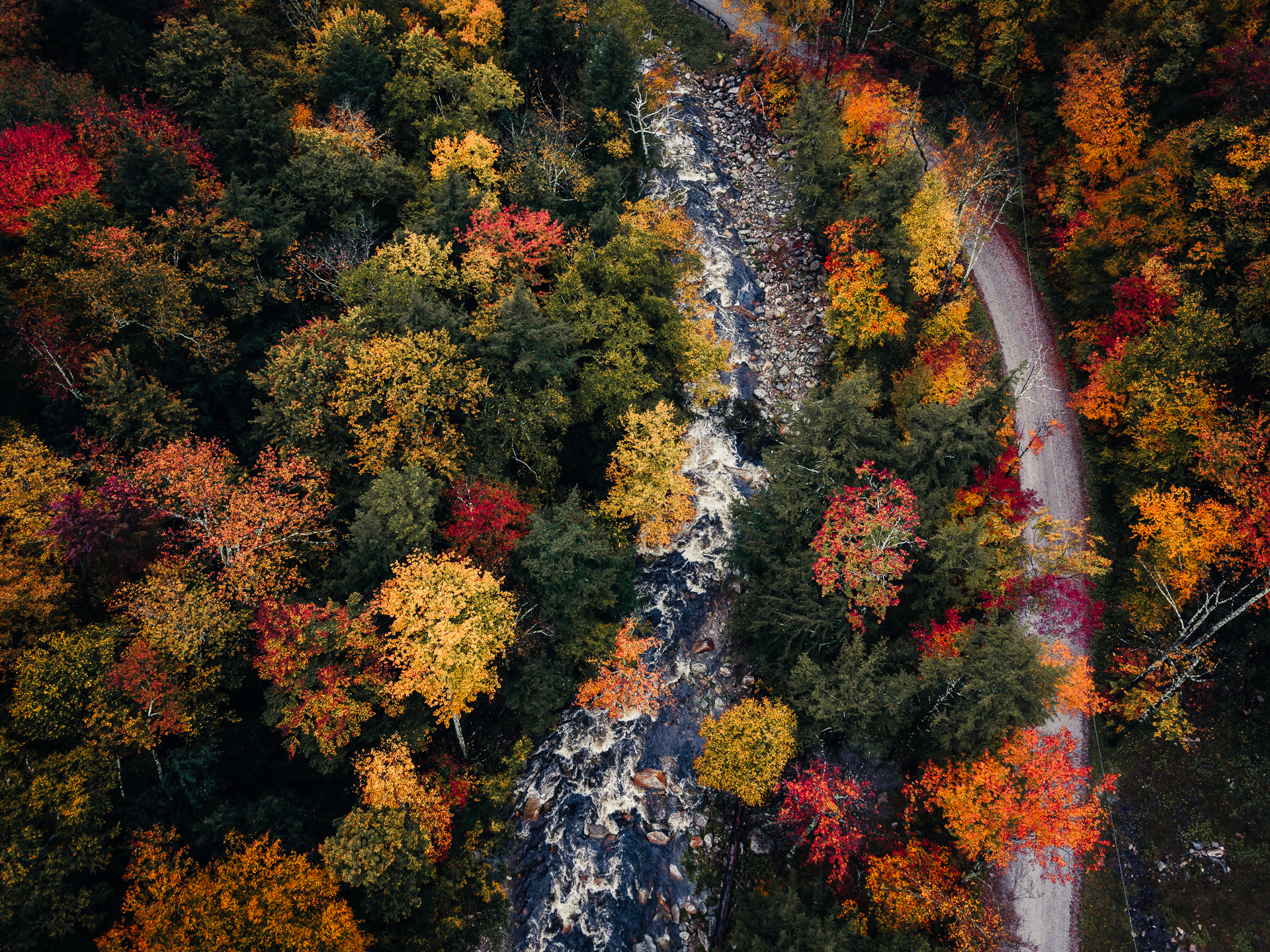
Manchester is best for travelers who want fall foliage without sacrificing comfort or good restaurants — it’s the upscale version of a leaf-peeping town, with designer outlets, farm-to-table dining, and a main street that doesn’t feel like a theme park. The town sits in a valley between Mount Equinox and the Green Mountains, so the color backdrop is constant, and the drive up Mount Equinox Skyline (a scenic toll road) gives you 3,848 feet of elevation gain without the hike.
Stay in Manchester proper (The Equinox and other high-end inns are listed in the accommodations section) if you’re willing to pay for it, or use it as a day stop on Route 7. The town is roughly 30 minutes south of Middlebury and works well as a southern Vermont anchor for a multi-day loop.
Bennington: Rich History and Southern Vermont Gateway
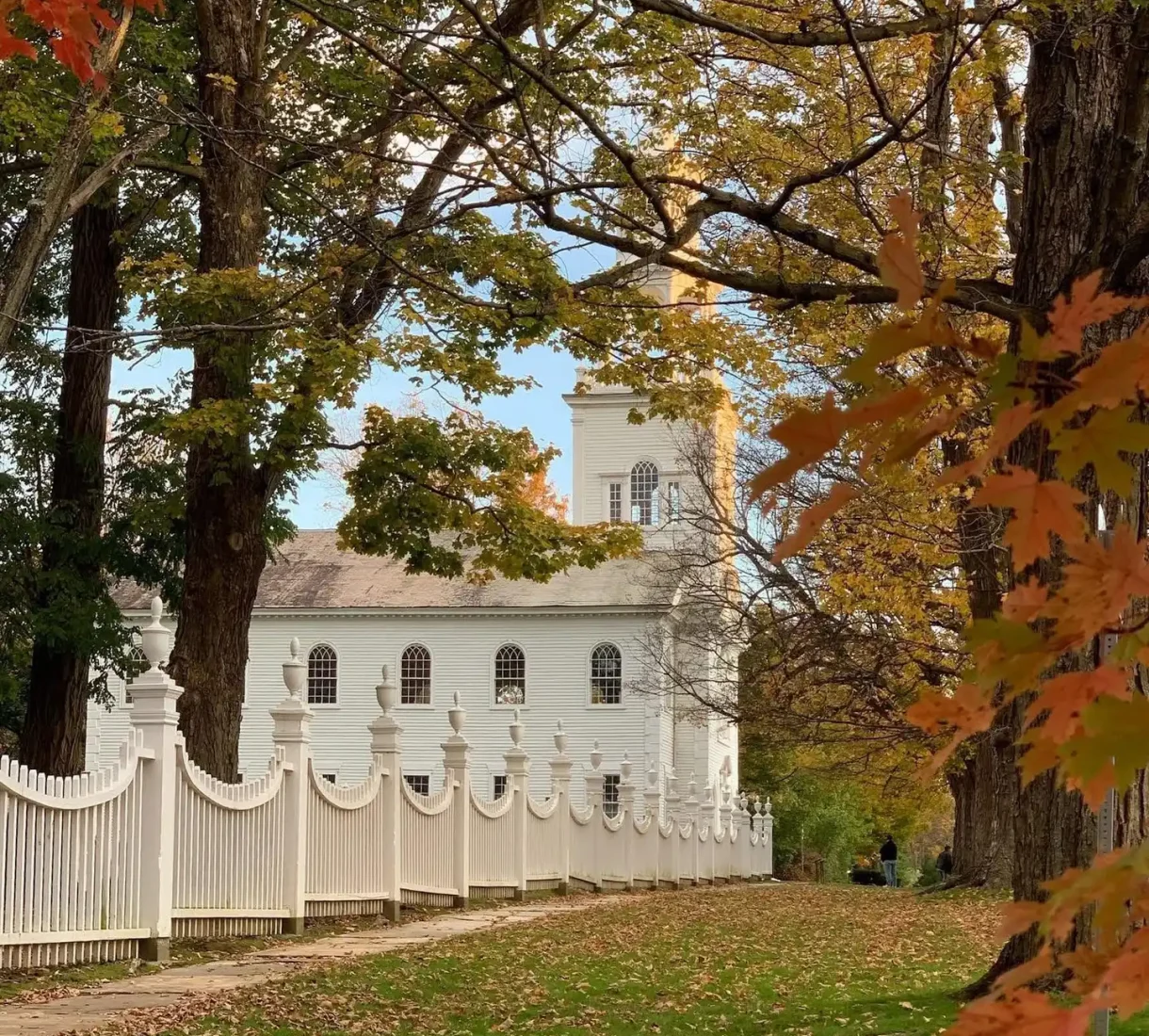
Bennington is the move if you’re flying into southern Vermont and want a town with actual history, not just pretty trees — it’s the oldest settled town in the state, and the Old First Church (built in the early 1800s) is a genuine landmark, not a tourist attraction masquerading as one. Robert Frost is buried in the cemetery here, and the town sits on Route 7, which means it’s a natural stop on the western Vermont loop without requiring detours.
Bennington is less crowded than Woodstock or Stowe, which makes it a smarter choice if you’re traveling during peak foliage weekends. The town is roughly 90 minutes from Burlington airport and works as a gateway base for exploring southern and central Vermont.
Weston: Gilmore Girls Vibes and Classic Country Stores
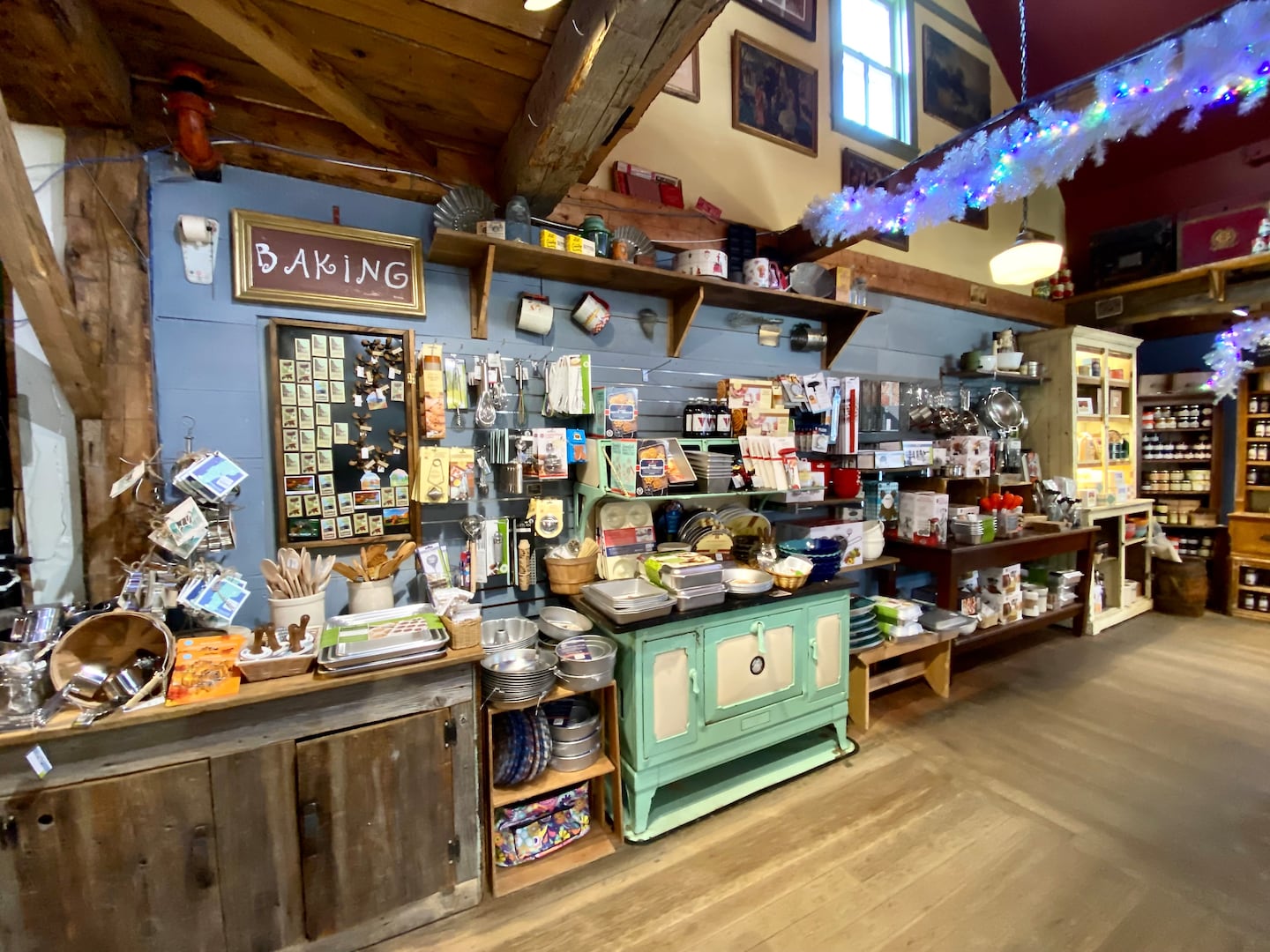
Weston feels like stepping back in time in a way that actually works — it’s small, quiet, and built around the Vermont Country Store, a genuine general store (not a gift shop) that stocks handmade quilts, old-fashioned candy, and the kind of stuff that makes you remember why you came to Vermont in the first place. The town has a slower pace than Stowe or Woodstock, which means you can actually sit with a coffee and look at trees without feeling rushed.
Weston is best as an overnight stop rather than a full-day destination — it’s roughly 30 minutes south of Woodstock on Route 100, so it fits naturally into a central Vermont itinerary. The town is small enough that lodging options are limited, so book ahead.
Burlington: Lake Champlain Views and Urban Foliage
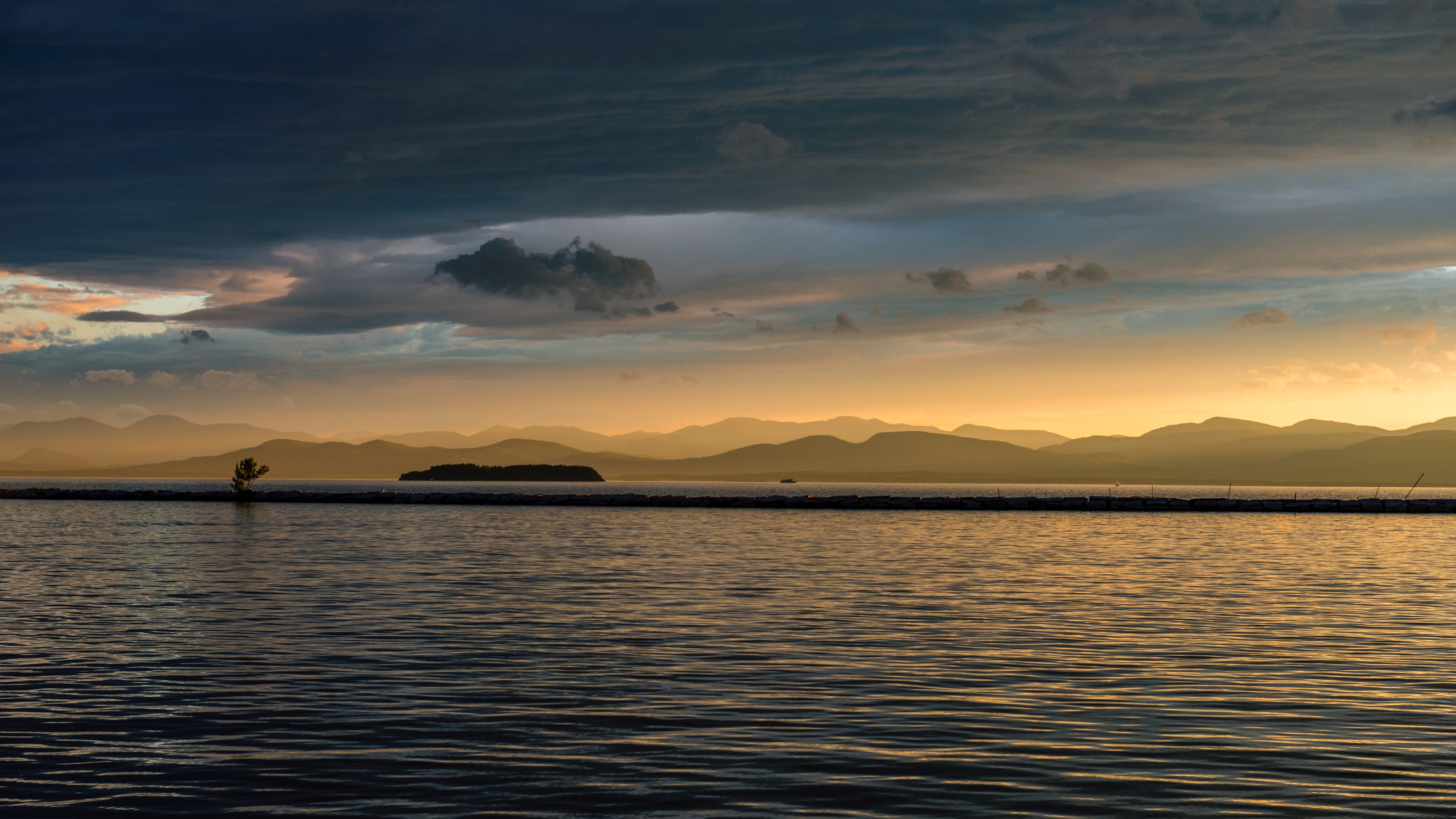
Burlington is the only choice if you want fall foliage with actual city amenities — it’s Vermont’s largest city, and it sits on the eastern shore of Lake Champlain with views of the Adirondacks across the water. The waterfront is lined with parks and walking paths where the trees turn color against the backdrop of the lake, and the downtown has real restaurants, bars, and nightlife, not just farm-to-table cafes.
Use Burlington as your base if you’re arriving by air or want a night or two of urban comfort between leaf-peeping drives. It’s roughly 30 minutes north of Waterbury (a major Route 100 stop) and works well as a northern anchor for a multi-day trip.
The city is less focused on foliage tourism than smaller towns, which means restaurants and hotels are easier to book during peak season.
Montpelier: The Gold-Domed Capital and Maple Farms

Montpelier is best for travelers who want to see fall foliage with a side of Vermont culture — it’s the state capital, and the gold-domed State House is an actual landmark, not a photo op. The town sits on Route 30, which runs through the Northeast Kingdom, one of the most underrated foliage regions in the state, and it’s a natural stop between St. Johnsbury and central Vermont.
Montpelier is less touristy than Stowe or Woodstock, which makes it a smarter choice if you want to avoid crowds. The town is roughly 30 minutes south of St. Johnsbury and works well as a mid-point base for exploring both the Northeast Kingdom and central Vermont.
Nearby maple farms (covered in the activities section) make it a natural pairing if you want to combine foliage viewing with farm visits.
Vergennes: Otter Creek Falls and Quaint Streets
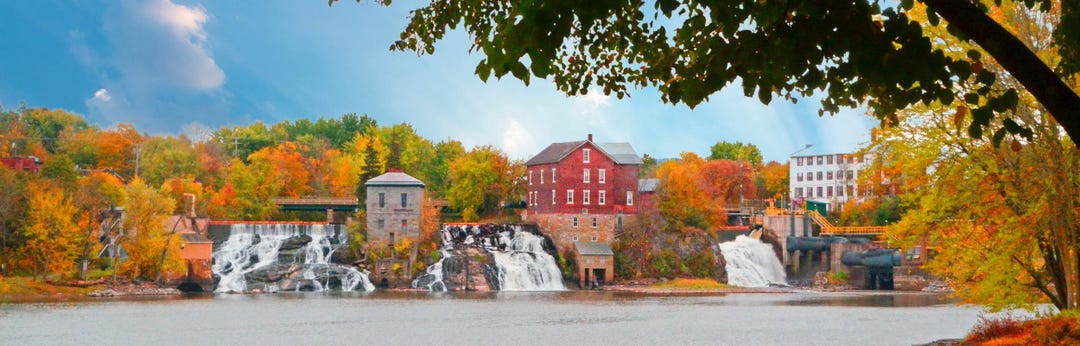
Vergennes sits on the banks of Otter Creek, and the view of Otter Creek Falls from Vergennes Falls Park is one of the most underrated foliage spots in Vermont — the water adds movement and sound to the color, which beats staring at trees from a roadside pullout. The town is small, walkable, and has a genuine main street without the tourist overload of Woodstock or Stowe.
Vergennes works best as a day trip or overnight stop on Route 7, roughly 20 minutes south of Middlebury. It’s a natural pairing with Middlebury (covered below) if you want to spend a night in the western Vermont region without staying in a larger city.
Waitsfield: Mad River Valley Scenic Hub
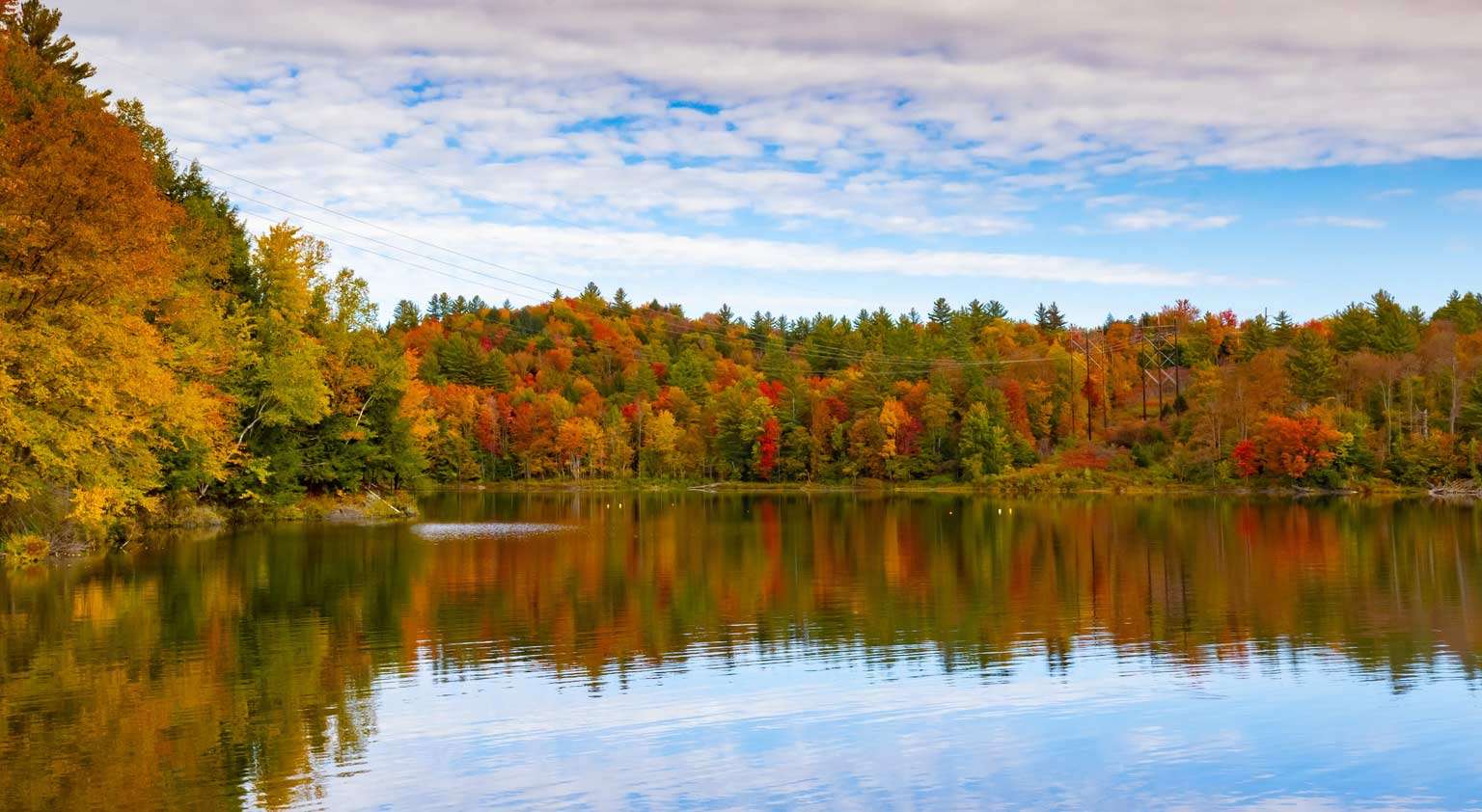
Waitsfield sits in the Mad River Valley, a narrow corridor between the Green Mountains and the Northfield Mountains, which means the foliage surrounds you on both sides — it’s one of the most scenic valleys in Vermont, and the drive through it (part of Route 100) is as good as the town itself. Waitsfield is less crowded than Stowe but has better infrastructure than tiny towns like Weston, making it a smart middle-ground choice.
Use Waitsfield as a base if you want to explore the central Vermont region without staying in a larger city. It’s roughly 30 minutes south of Waterbury on Route 100 and works well for a 2-3 night stay, with easy access to hiking trails and scenic drives in both directions.
Middlebury: Historic College Town and Otter Creek Cascades
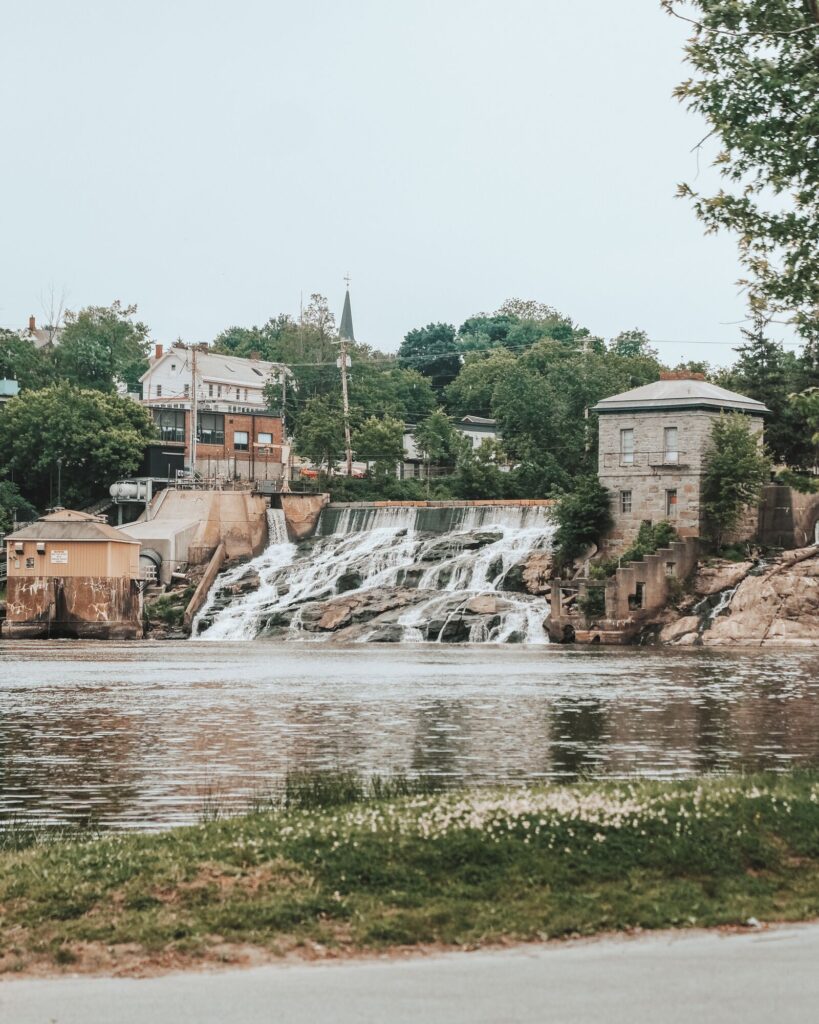
Middlebury is the best choice if you want a fall town with actual energy — it’s home to Middlebury College, so there’s a real downtown with restaurants, bars, and bookstores that serve locals, not just tourists. Otter Creek runs through town and creates a series of cascades and falls that frame the foliage, and the college green is ringed by historic buildings that turn golden in the fall light.
Stay in Middlebury proper (the accommodations section covers specific inns) if you want a walkable downtown base with real restaurants and nightlife. It’s roughly 30 minutes west of Waitsfield on Route 125 (the Middlebury Gap), one of the most scenic drives in the state, and works well as a western Vermont anchor for a multi-day loop.
St. Johnsbury: Dog Mountain and Northeast Kingdom Gateway
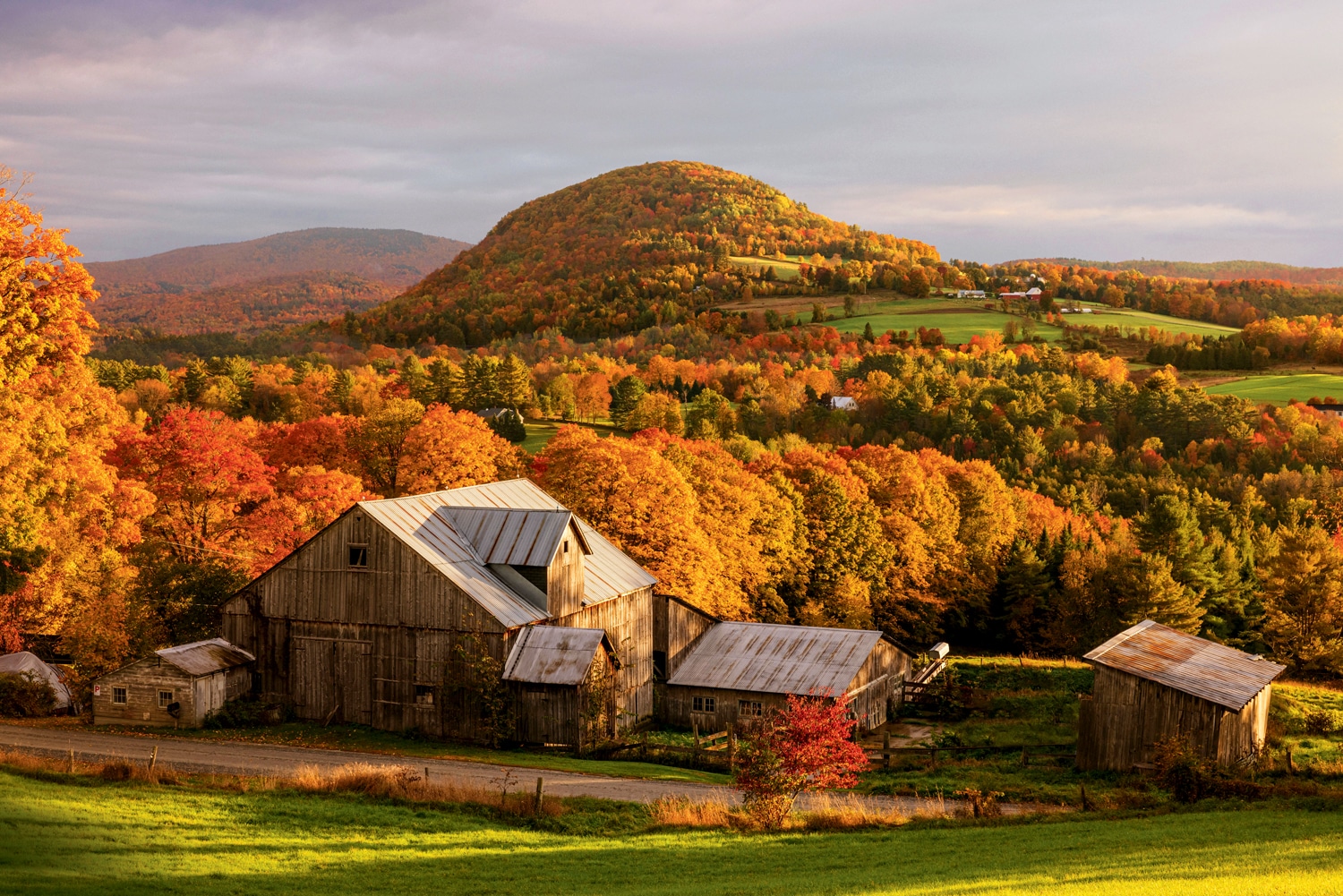
St. Johnsbury is the gateway to the Northeast Kingdom, a region that recently ranked as the best Geotourism destination in the United States and is criminally overlooked by fall foliage tourists. The town itself is small and working-class, not quaint, but it’s the natural base for exploring Route 30, which runs through some of the most dramatic foliage in Vermont with far fewer crowds than Route 100.
Dog Mountain, a 1,012-foot peak just outside town, offers a hiking trail with 360-degree views of the Northeast Kingdom’s fall colors, and the summit is reachable in roughly 45 minutes. Use St. Johnsbury as your northern anchor if you want to explore the less-crowded regions of Vermont — it’s roughly 90 minutes northeast of Montpelier and works well as a 1-2 night base for a Northeast Kingdom loop.
Quick Comparison: Which Town for Your Trip
| Town | Best For | Crowd Level | Drive Time from Burlington |
|---|---|---|---|
| Stowe | Peak foliage experience, Mount Mansfield views | High | 45 min |
| Woodstock | Postcard-perfect photos, covered bridges | High | 1.5 hours |
| Manchester | Upscale comfort, fine dining | Medium | 2 hours |
| Bennington | History, southern Vermont gateway | Medium | 2.5 hours |
| Weston | Quiet, authentic village feel | Low | 1.5 hours |
| Burlington | City amenities, waterfront views | Medium | Local |
| Montpelier | Culture, Northeast Kingdom access | Low | 1 hour |
| Vergennes | Otter Creek Falls, day trip | Low | 1.5 hours |
| Waitsfield | Mad River Valley scenery, central location | Low-Medium | 1.5 hours |
| Middlebury | College town energy, western Vermont base | Low-Medium | 1.5 hours |
| St. Johnsbury | Northeast Kingdom exploration, fewer crowds | Low | 2 hours |
The real strategy: Pick one town as your base for 2-3 nights, then use the scenic drives (Route 100, Route 7, Route 30, Smuggler’s Notch, Middlebury Gap) to day-trip to other towns. Stowe and Woodstock are worth visiting but not worth staying in during peak foliage — the crowds make it hard to actually enjoy the trees.
Montpelier, Vergennes, and St. Johnsbury are underrated alternatives that give you the same foliage views with a fraction of the tourists.
Where Should You Stay? Best Inns and Resorts for Fall
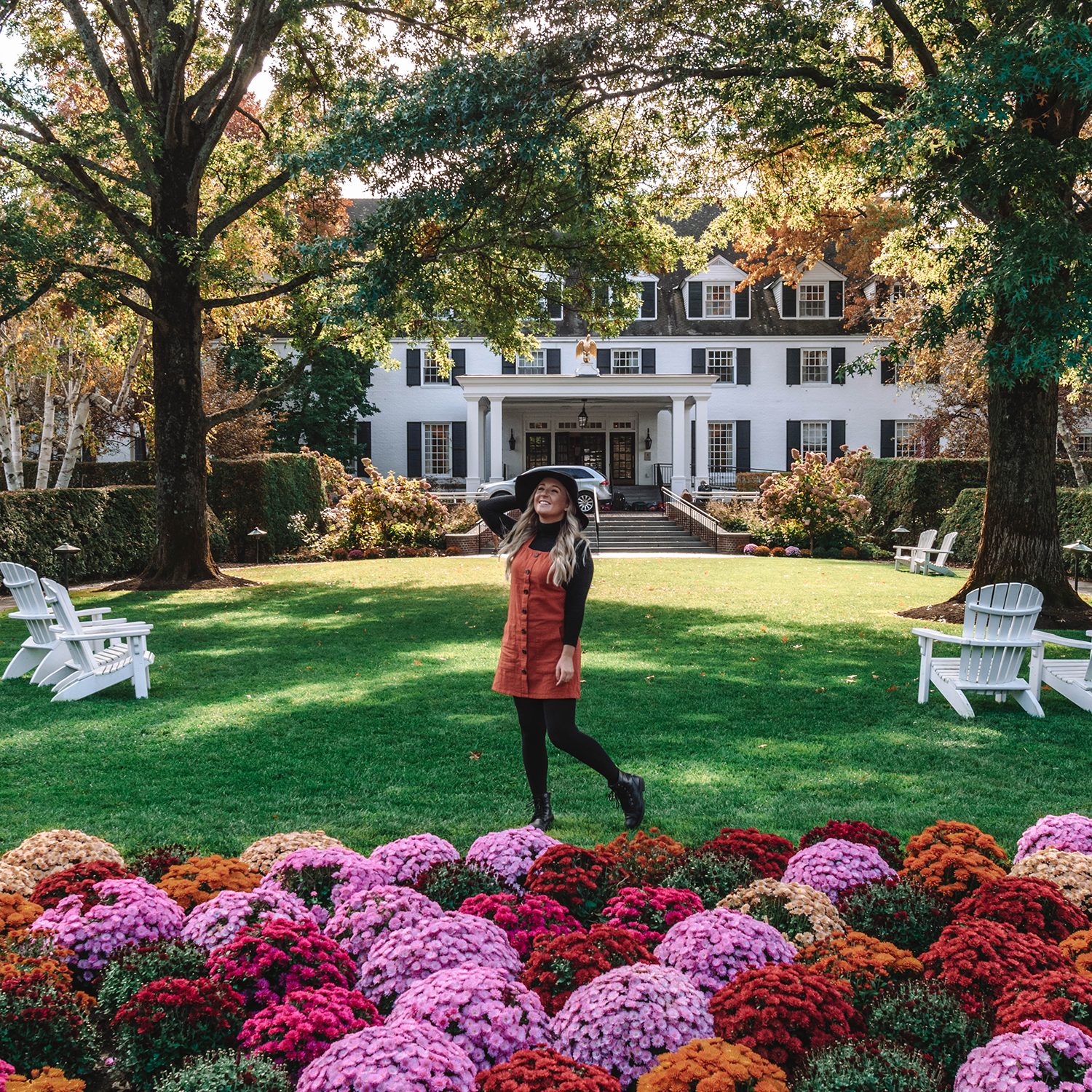
Peak foliage season books solid 6–8 weeks ahead, and northern Vermont fills first because leaves turn 2–3 weeks earlier than the south — so your accommodation choice directly determines whether you’re watching peak color or arriving to bare branches. The inns listed here are positioned in the towns already covered in this guide, which means you’re staying where the driving and hiking access is best, not spending an hour commuting from a generic chain hotel outside town.
Top Northern Vermont Accommodations
Green Mountain Inn (Stowe) is the move for travelers who want historic charm without pretension — this 1833 property nails cozy fall aesthetics with seasonal decor that actually justifies the Instagram stop. Book early September for peak foliage weeks; the inn fills fastest during the two-week window when northern Vermont’s leaves are at their absolute best.
Edson Hill (Stowe) wins if you’re prioritizing seclusion and design over walkability — 38 acres and 22 guest rooms mean you get mountain quiet without feeling crowded, and the on-property dining at The Dining Room at Edson Hill means you’re not hunting for dinner after a long drive. This is the splurge pick for couples wanting a full resort experience without leaving the property.
Inn at Shelburne Farms (Shelburne, roughly 20 miles north of Burlington) is the choice for travelers who want to combine lodging with an activity — the inn sits directly on the Shelburne Farms property, a working agricultural estate that’s a destination in itself during fall. You get both accommodation and a built-in reason to stay put rather than driving endlessly between scenic stops.
Top Southern Vermont Accommodations
The Equinox, A Luxury Collection Hotel (Manchester) is the obvious pick if budget allows — built in 1749, it’s the most established luxury property in southern Vermont, with five on-property restaurants so you’re never scrambling for dinner reservations during peak season. Book this only if you’re willing to pay resort rates; it’s worth it for the convenience and the historical weight of the place, but there are better values below.
Woodstock Inn (Woodstock) wins for pure fall aesthetic and town integration — you’re staying in the most Instagram-friendly village in Vermont, and the inn itself is the centerpiece of that charm. The trade-off is that Woodstock is the most crowded leaf-peeping destination, so you’ll be sharing the experience with everyone else; if solitude matters more than picture-perfect surroundings, skip this and choose Barrows House instead.
506 On the River Inn (Woodstock) is the smart alternative if Woodstock Inn is sold out or the price is prohibitive — it’s in the same town with the same access to covered bridges and village walks, but at a lower price point and with less foot traffic. This is your backup plan, not your first choice, but it delivers the Woodstock experience without the resort premium.
Barrows House (Dorset) is the best choice for travelers who want a resort feel without the crowds — nine buildings and multiple room types mean you can find quiet corners, and Dorset is a genuinely cute village without Woodstock’s Instagram crush. It’s close enough to other southern Vermont destinations (Manchester, Bennington) to serve as a base for day trips, but far enough off the main leaf-peeping route to feel like a real escape.
Four Chimneys Inn (Bennington) works if you’re entering Vermont from the south or prioritizing Route 7 drives — Bennington is the southern gateway, and this inn gives you a solid home base without the premium pricing of Manchester or Woodstock. It’s the practical choice for road-trippers who want a comfortable bed and easy access to the western scenic route, not a destination unto itself.
Booking Strategy: Northern Vermont accommodations fill first because foliage peaks 2–3 weeks earlier than the south. If you’re flexible on dates, book southern Vermont (Woodstock, Manchester, Dorset, Bennington) for late September through early October, and northern Vermont (Stowe, Shelburne) for mid-September through late September.
Confirm availability with the Vermont Fall Foliage Report before locking in dates — peak weeks shift slightly year to year based on weather.
Best Things to Do in Vermont in the Fall
Fall in Vermont isn’t just about driving scenic routes—it’s about stopping, picking, tasting, and climbing to earn those Instagram-worthy views from ridgelines and orchards.
Apple Picking and Cider Donuts
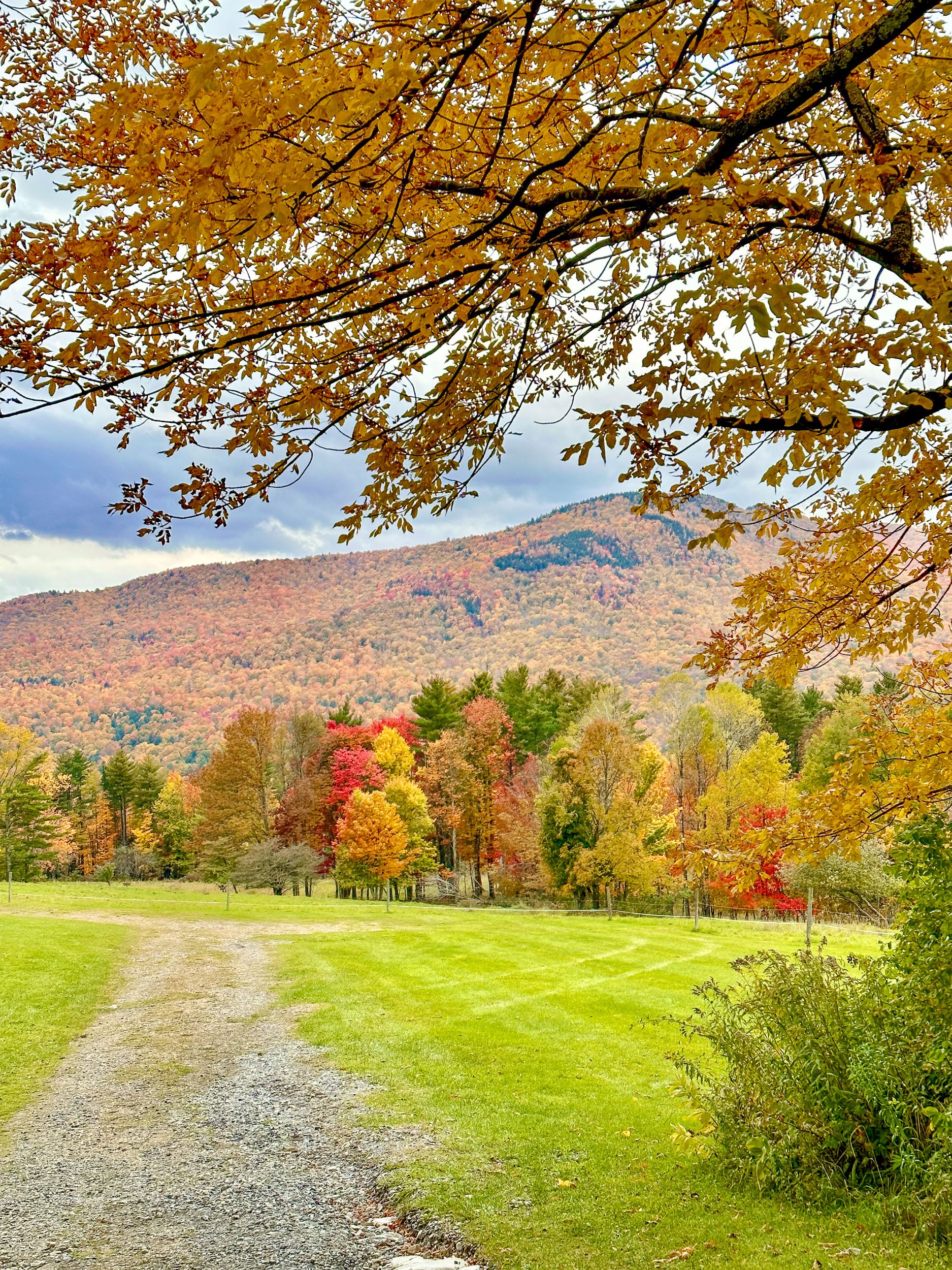
Fresh apple cider donuts are non-negotiable in October, and Cold Hollow Cider Mill near Stowe is the destination that justifies the drive. The mill offers a working production tour, so you see exactly how they press and fry, then eat the warm donuts while they’re still steaming—this is the move if you want the full experience, not just a quick snack.
Burtt’s Apple Orchard near Montpelier wins for actual picking: you get to choose your own apples directly from the trees, which beats the pre-picked bins at bigger operations if you’re traveling with kids or want control over ripeness and variety.
Maple Syrup Tasting and Farm Visits
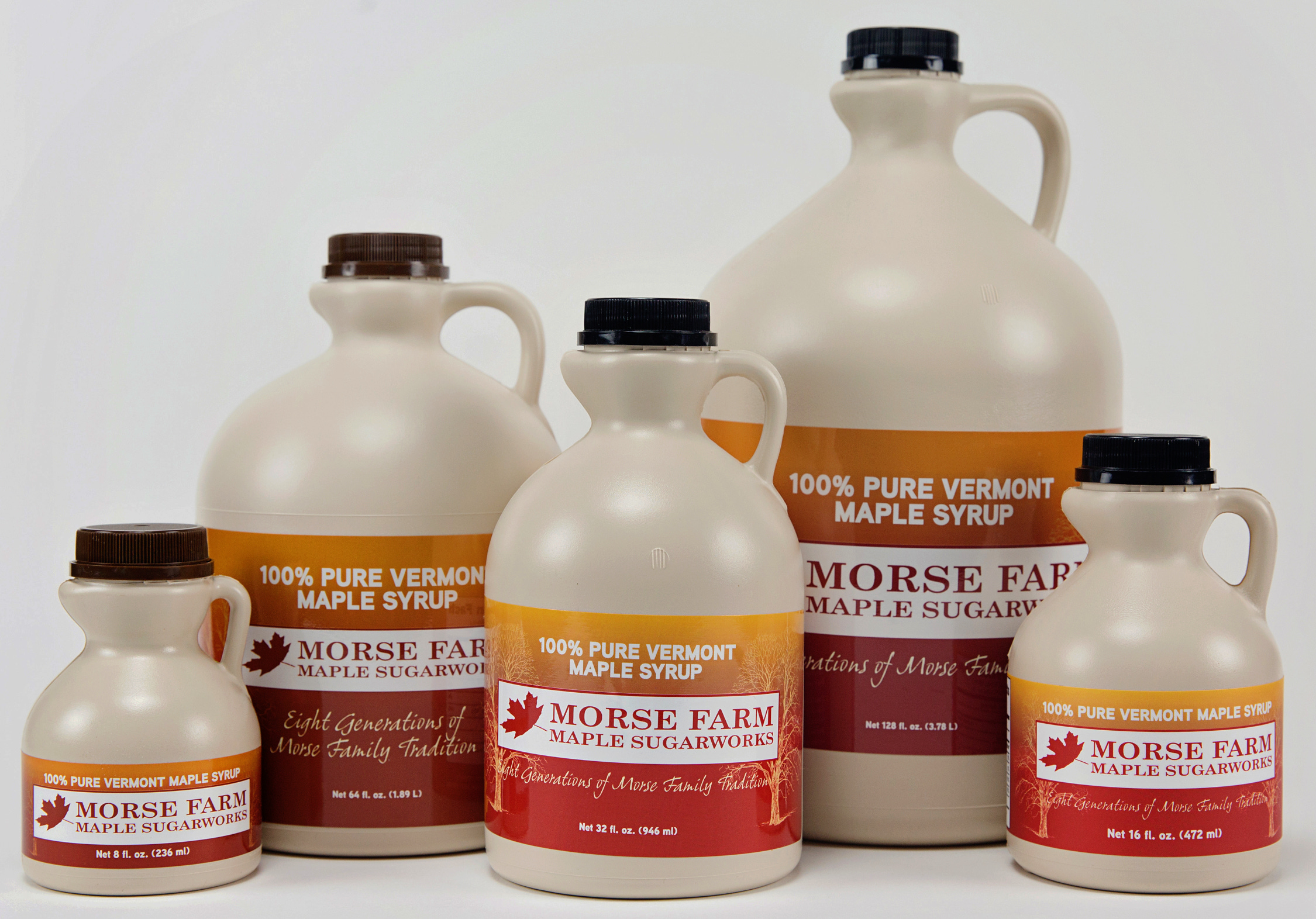
Vermont produces more maple syrup than any other state in the country, and Bragg Maple Farm near Montpelier is the place to taste why. Order a maple creamy (maple taffy on a stick) and sample the candy—this is the authentic Vermont sugar-shack experience without the tourist markup.
The farm also offers overnight RV parking if you want to base yourself here for a full day of foliage driving and maple stops. Billings Farm & Museum pairs farm history with fall scenery, though it operates more as a heritage site than a working syrup operation, so choose Bragg if you want hands-on tasting and Billings if you prefer a broader agricultural museum experience.
Hiking for Panoramic Foliage Views
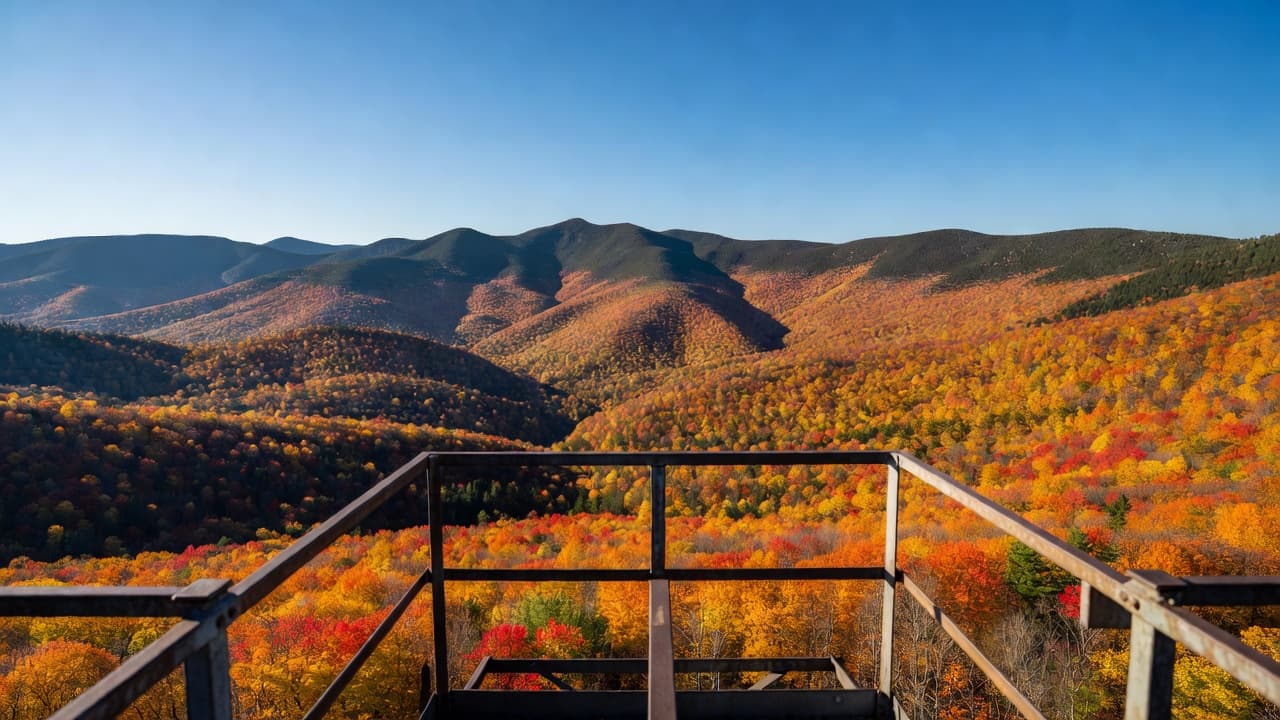
Mount Mansfield Loop delivers the most dramatic payoff: the ridge walk offers 360-degree views of the Green Mountains and valleys below, and the exposed ridgeline means you’re literally hiking through the canopy at peak color. Sterling Pond Trail is the quieter alternative—fewer crowds, still stunning views, and the pond reflection doubles your color display.
Quechee Gorge offers a shorter, less strenuous option with waterfall views framed by red and gold maples; it’s best for families or anyone who wants foliage without a full day of elevation gain. All three trails are most accessible from mid-September through mid-October, depending on elevation—higher peaks peak earlier, so confirm conditions before driving.
Water Adventures and Wildlife Viewing
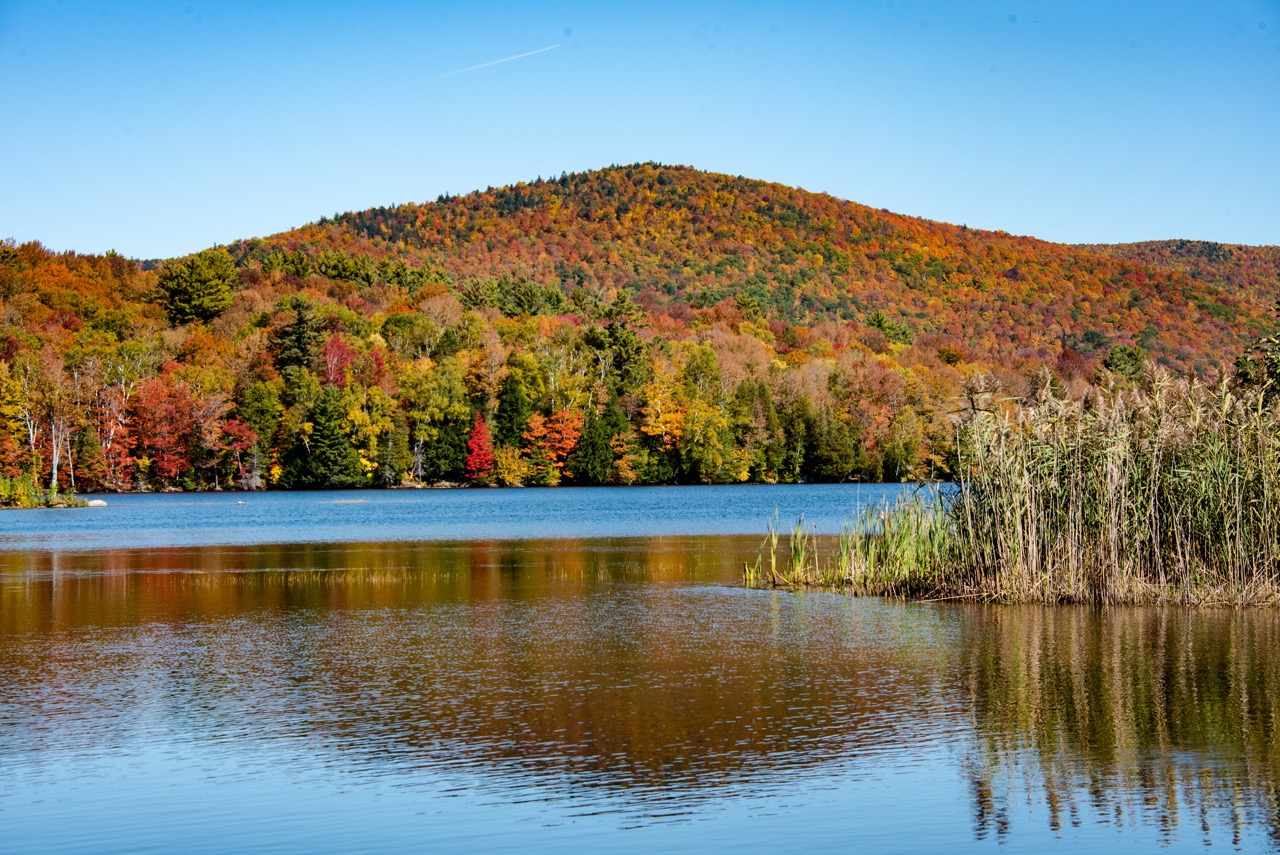
Green River Reservoir State Park in northern Vermont is where you go when you want to escape the leaf-peeping crowds entirely. The remote tent campsites are boat-access only, which means silence, solitude, and uninterrupted foliage reflection on the water—this is the move for anyone willing to kayak or canoe to their campsite.
Camping reservations are required and fill up fast during peak color, so book early. Missisquoi Wildlife Refuge offers easier access: drive or walk the refuge trails for migratory bird viewing and marsh scenery framed by fall color, no boat needed.
Somerset Reservoir rounds out the trio if you want a middle ground—accessible by car, quieter than the main scenic drives, and excellent for photography.
Quirky Local Attractions

Bennington Battle Monument on Mount Anthony gives you panoramic views of three states from an elevator ride to the top—this wins for anyone who wants the vista without the hike. The monument was built in 1879 as a memorial to Revolutionary War soldiers, so you get history and views in one stop.
Dog Mountain in St. Johnsbury is the unexpected gem: it’s an art installation and dog-themed gallery on a hillside, with walking trails and quirky sculptures that make for genuinely fun photos against the fall backdrop—best for travelers who want something offbeat and Instagram-worthy. Simon Pearce Glassblowing in Quechee lets you watch artisans blow glass while the Connecticut River and fall foliage frame the studio windows; it’s meditative and unique, though it’s more of a 30-minute stop than a full activity.
Base yourself in Stowe or Waterbury if you’re focusing on the northern attractions (Cold Hollow Cider, Mount Mansfield, Bragg Maple Farm)—both towns are walkable and close enough to trailheads for early-morning starts. For southern Vermont activities (Bennington Monument, Quechee Gorge), stay in Bennington or Manchester, which puts you within 20 minutes of most stops and keeps your driving efficient.
Frequently Asked Questions
When exactly should I go to Vermont for peak fall colors?
Northern Vermont peaks roughly two to three weeks before southern Vermont, so the state doesn’t hit peak all at once—it’s a rolling window. Northern areas like Stowe typically turn first (late September into early October), while southern towns like Bennington and Manchester peak later (mid-to-late October).
Check the Vermont Fall Foliage Report for weekly updates before you book; it’s the only reliable source for real-time color conditions across regions. Booking flexibility into early-to-mid October gives you the best odds of catching peak colors somewhere on your route.
Do I need reservations months in advance, or can I book last-minute?
Book lodging 4-6 weeks ahead if you’re targeting a specific town or weekend—peak foliage weekends (especially Saturdays) fill fast, and inn-style accommodations (which dominate Vermont) have limited rooms. If you’re flexible on dates and willing to drive between towns, you can find availability closer to your trip, but expect higher prices and fewer choices.
Avoid Columbus Day weekend (second weekend in October) unless you book 8+ weeks early; it’s the busiest foliage weekend nationally. Weekday travel cuts crowds and costs by 30-40% without sacrificing color quality.
Which scenic drive should I take if I only have 2-3 days?
Route 100 from Wilmington through Stowe is the single best drive for maximum foliage impact in minimal time—it covers roughly 60 miles of relentless color with stops in Dover, Plymouth, Waterbury, and Stowe. If you’re coming from the south, Route 7 (Bennington to Burlington) covers the western spine and hits Manchester and Middlebury, both picture-perfect towns with shopping and dining.
For a longer 4-5 day trip, combine Route 100 north with Route 30 into the Northeast Kingdom (St. Johnsbury to Montpelier)—it’s less crowded than Route 100 and ranks as a top geotourism destination.
What’s the single biggest mistake leaf peepers make in Vermont?
Arriving during peak weekend without a plan and expecting to find parking, lodging, or a restaurant table—you’ll waste hours circling Stowe or Woodstock. Base yourself in a quieter town (Weston, Vergennes, or Montpelier work well) and day-trip to the famous spots early morning (before 9 a.m.) or on weekdays.
Bring layers—Vermont fall weather swings 30+ degrees between morning and afternoon, and mountain elevations cool fast. Finally, don’t rely on GPS alone for scenic byways; download offline maps or print route guides because cell service drops in the mountains and you’ll miss turns.
Lock In Your Vermont Foliage Trip Now
Check the Vermont Fall Foliage Report this week and pick your dates based on whether you want northern or southern peak color—then book lodging immediately in a quieter town like Montpelier, Vergennes, or Waitsfield instead of fighting for rooms in Stowe. Download offline maps before you arrive because cell service dies in the mountains, and pack three distinct temperature layers because Vermont fall swings 30+ degrees between sunrise and afternoon.
Vermont’s foliage window is short and staggered perfectly across the state—this is the only place where you can genuinely chase peak color by moving south as the season progresses, guaranteeing you hit maximum saturation instead of arriving to trees already past their prime.
Start with Route 100 from Wilmington through Stowe as your anchor drive, then build day trips to quieter scenic byways (Route 30, Middlebury Gap) from your base town—this strategy gives you peak color without the parking nightmares that trap tourists in Woodstock every October weekend.
Leave a Reply