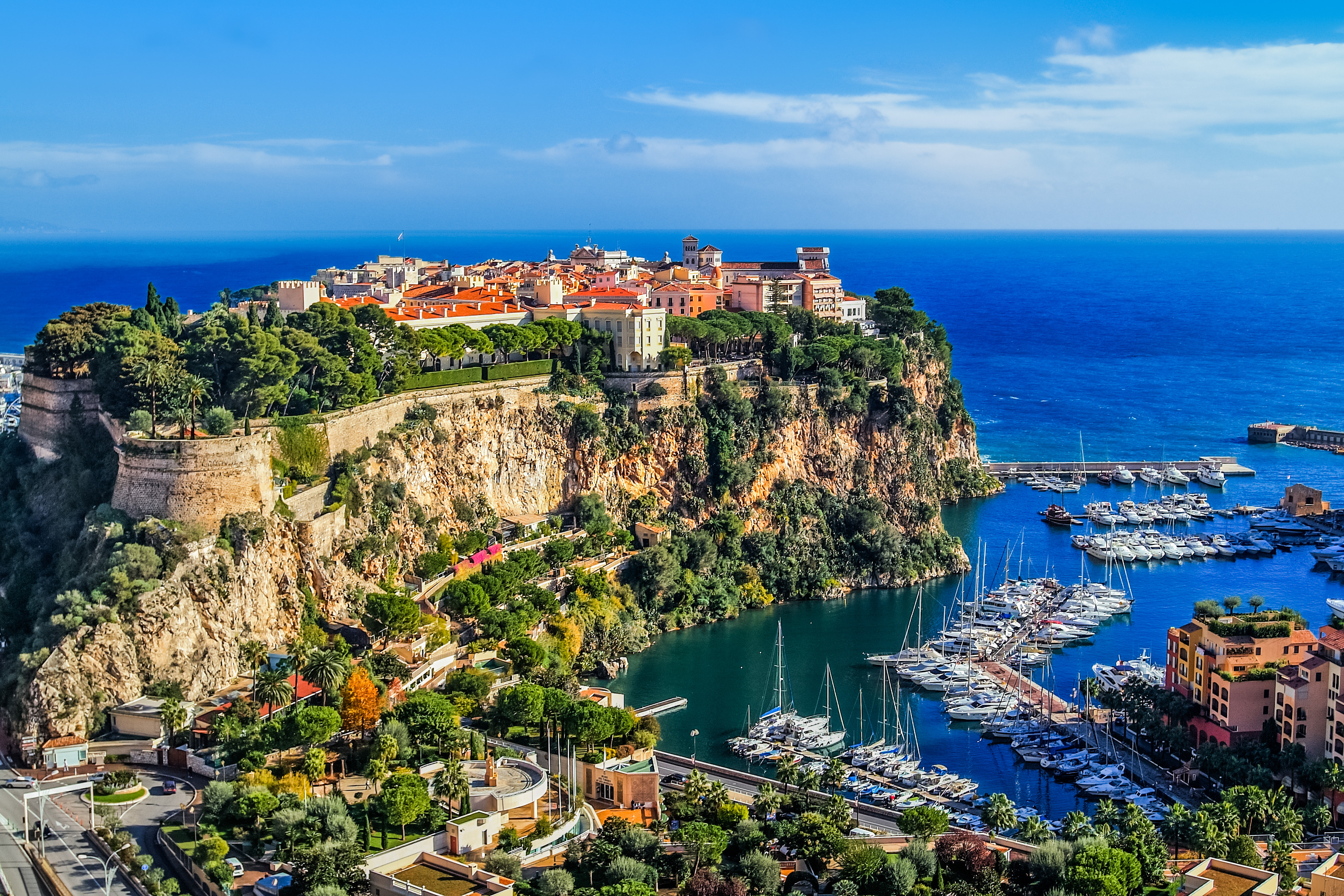
Late afternoon on a Malaga terrace, the sun still leans warm across a plate of sardines while the pavement cools underfoot. By eight, you are pulling on a jacket and grateful for the indoor table you booked.
January in southern Europe is a sun-and-appetite season, and that is exactly its charm. Sidewalk tapas lunches at 2pm, Greek temple ridges with nobody jostling your shot, cliff paths in the Algarve you get entirely to yourself.
What makes these places worth a winter flight is the emptiness paired with genuinely usable daylight — ruins, harbours and hill towns open and unhurried rather than sweltering and packed.
This guide helps you pick the one destination that matches how you want to spend your week: beach warmth, city culture, walking, or quiet.
On budget, expect roughly €50–80 a day on the ground for a careful trip, €100–180 for comfortable mid-range hotels and long lunches, and €250-plus if you want design stays and private boat time.
Flights are where January’s real discount lives, so the ground budget is only half the story.
The Shortlist: Where the Warm Actually Is
- Warmest overall — Tenerife, Canary Islands: Days of 20–23°C and only 3–5 rainy days in the month, the clear winner for beach-adjacent winter sun.
- Best value on the mainland — Malaga and the Costa del Sol: 18°C days, about five rainy days, and the cheapest eating and sightseeing on this list.
- Best winter walking — Madeira: Levada trails, Pico do Arieiro above a sea of cloud, and 18°C days around Funchal.
- Best culture without crowds — Valletta, Malta and Palermo, Sicily: Gilded cathedrals and Byzantine mosaics at a walk-in pace that is impossible in summer.
- Warmest sea — Limassol, Cyprus: Around 18°C water, the most inviting option if being near the sea matters more than swimming.
- Book it early — the Canaries and Madeira: Northern Europe’s winter high season, so tours fill up; mainland Europe rewards last-minute flexibility.
How Warm Is Southern Europe in January, Really?
At midday on a southern Spanish beach you will be comfortable in a T-shirt; by dinner you will want a jacket back on. That gap is the honest truth about January here.
Expect spring-like weather, not tropical heat. Nowhere on the mainland is genuinely hot in January — if you need guaranteed sunbathing heat, you are booking the wrong continent, and the piece below on the Atlantic islands covers the only places that get close.
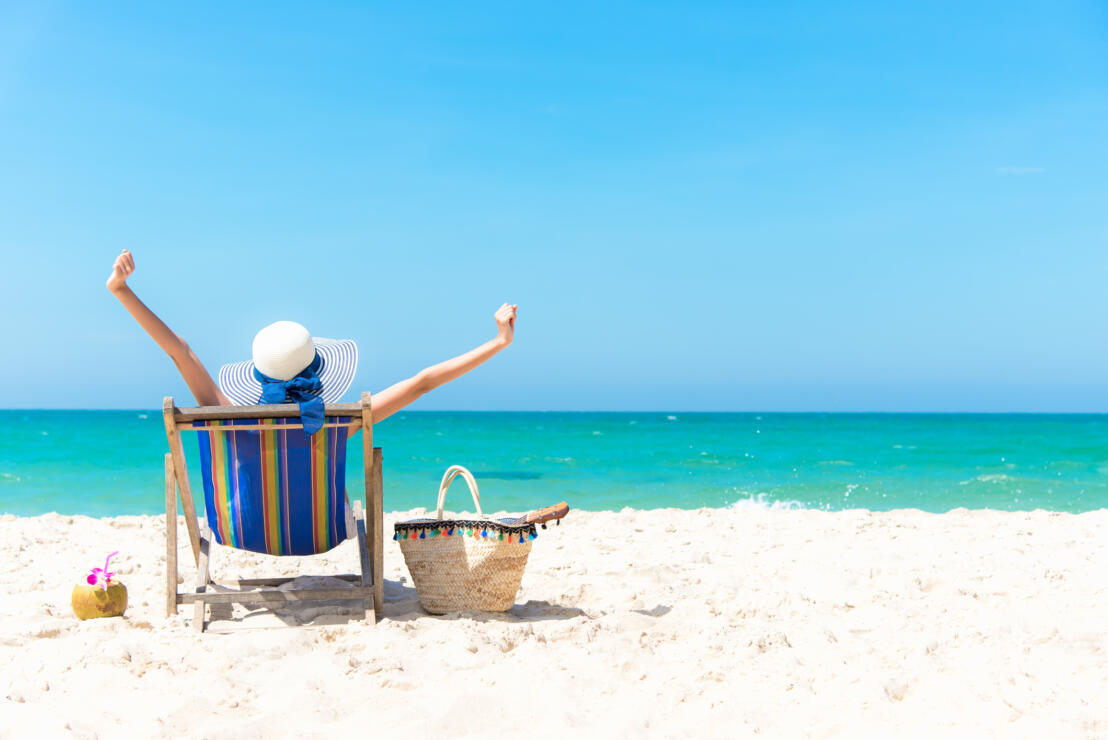
Plan around roughly ten hours of daylight across the region. That is enough for a full day of sightseeing, but it means a nine-to-five itinerary and sunset drinks on a terrace rather than long evenings outdoors.
Book anything timed to light — coastal walks, viewpoints, ruins — before three in the afternoon.
Is January Warm Enough to Swim in Southern Europe?
For most people, no. This is sunbathing-and-picnic weather, not swimwear weather. I would pack for walking the surf barefoot and paddling at most, and treat an actual swim as a bonus that only a hardened few will take.
- Water rule: Atlantic water runs cooler than the Mediterranean, so the further west and out into the ocean you go, the less inviting a dip becomes.
- Microclimate caveat: Islands can differ sharply from one side to the other within a single day’s drive — a sheltered south-facing bay can feel like a different season from the exposed north coast. Check the local forecast, not the national one.
- My call: Choose your trip for culture, food and empty landscapes; swim only if the moment appeals.
What a January Day Actually Feels Like
Sharp cold in the shade before nine, pleasant enough by eleven, pleasantest between noon and four, then a real chill once the sun drops. My insider tip: build your day around the four warmest hours and use the dark ones for museums, tapas and long lunches.
That rhythm is what makes January feel generous rather than grim.
The Canary Islands: The Warmest Place in Southern Europe in January
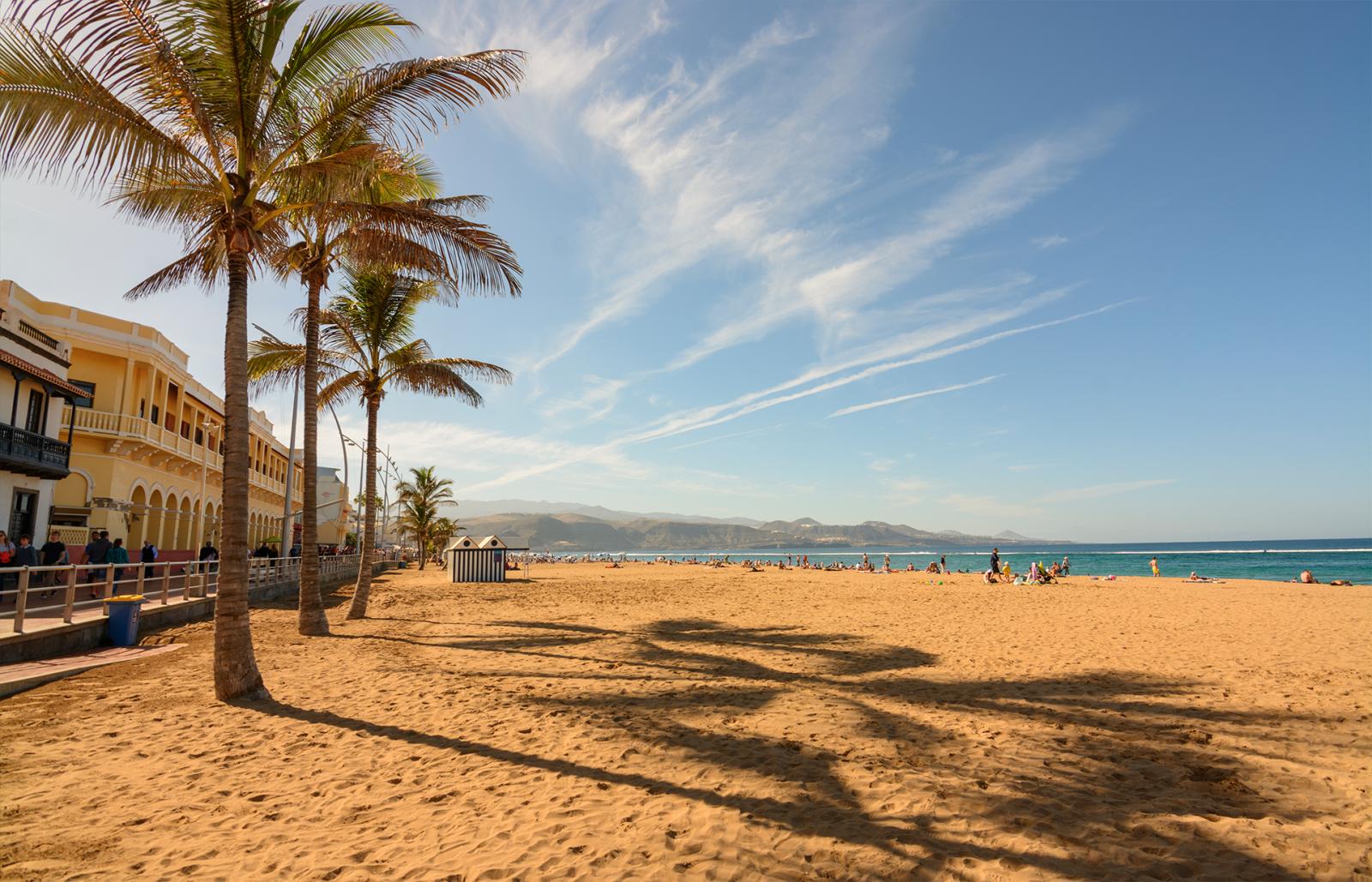
Sitting off the West African coast as Spanish territory, the Canary Islands are the only place in this article where you can genuinely count on beach weather in January: days of 20–23°C, nights of 13–15°C, and only about 3–5 rainy days across the whole month. Add 6–7 hours of daily sunshine and sea temperatures around 19°C, and the archipelago wins the “warmest place in Southern Europe in January” title by a clear margin — not by a degree or two.
Getting there is easier than the latitude suggests: most European cities reach the Canaries in a 4–6 hour flight. That is the sweet spot where the weather jumps a full season without the travel time of a long-haul trip.
Tenerife: The Single Warmest Island
Tenerife is where I’d send anyone choosing one island. It pairs the archipelago’s best January numbers with the most range — a national park, volcanic coast, laurel-forest pockets and towns worth wandering — and it has two international airports, which changes how you should plan the trip.
- The smart routing: Fly into one airport and out of the other, then drive one loop. Tenerife takes roughly 3 hours to circle by car, so a single continuous route beats doubling back to your arrival point.
- Teide National Park: The headline hike. Go high for the volcanic caldera and go early — afternoon cloud tends to build on the peaks while the coast stays clear.
- Natural lava pools: The honest alternative to a resort pool. Black rock, Atlantic swell, and warmer-feeling water than the open beach on breezy days.
- Los Gigantes: This is the whale-watching base. The cliffs offshore hold resident pilot whales and dolphins, so boat trips here don’t depend on migration luck the way other coastlines do.
- Icod de los Vinos: The inland detour for wine and the old dragon tree. Pair it with the Los Gigantes loop in one day rather than treating it as a separate trip.
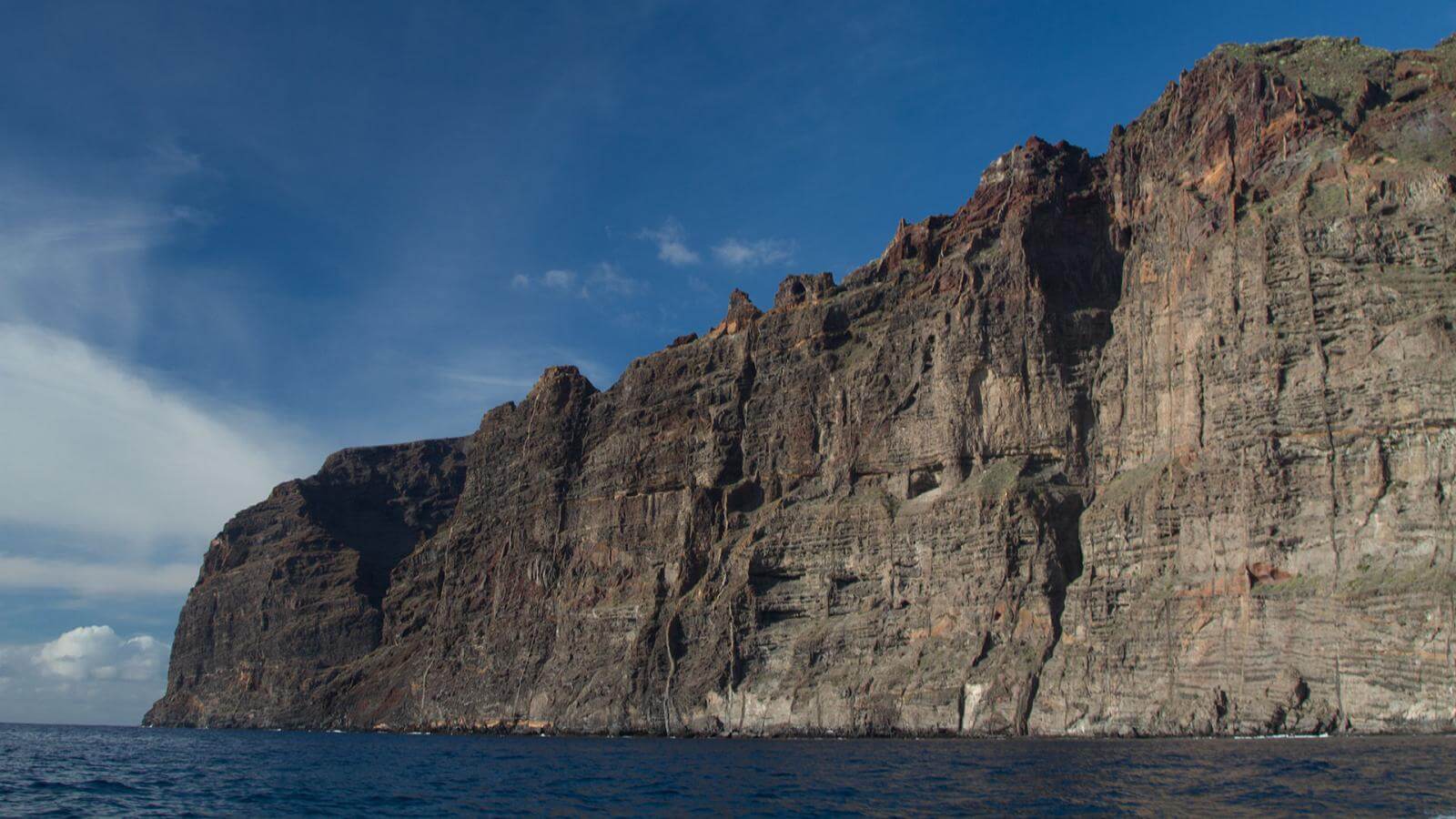
One timing catch worth planning around: the Santa Cruz de Tenerife Carnival runs for roughly three weeks in February, one of the biggest in the world. It’s spectacular if you like it and impossible to avoid if you don’t — so either book well ahead for those dates or leave before it starts.
Gran Canaria, Lanzarote and La Gomera at a Glance
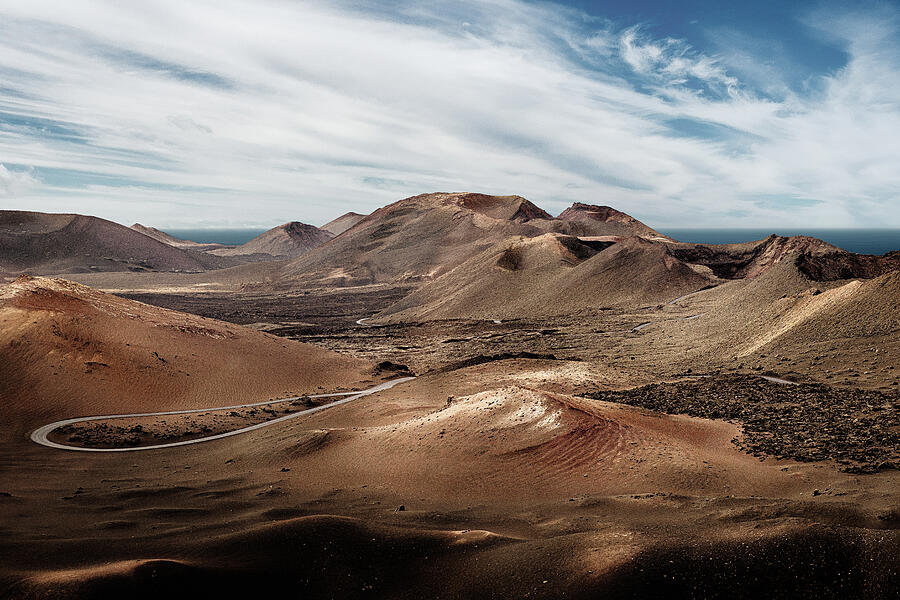
Once you’ve seen Tenerife, the other islands each win for a specific kind of traveler, and I’d pick them by terrain rather than by temperature — the January weather is close enough across all of them.
- Gran Canaria — “Continent in Miniature”: Forests, mountains, dunes and sandy beaches compressed into one island, with Las Palmas adding a genuine city. Best choice if you want beach time and urban energy without switching islands.
- Lanzarote — the wild card: Mars-like volcanic terrain that makes the rest of the Canaries look lush, plus a serious wine scene grown in ash fields. Pick it for landscapes and bodegas; skip it if you want green.
- La Gomera — the hiker’s island: Rainforest rather than lava, with Garajonay National Park at its core. Cooler and damper at altitude, but the most rewarding walking of the four.
My honest recommendation: if this is your first winter-sun trip, do Tenerife and don’t overthink it. If you’ve done Tenerife before or want contrast, add La Gomera for forest or Lanzarote for terrain — Gran Canaria only wins if a proper city matters to your January.
Madeira: Portugal’s Island of Eternal Spring
The final approach into Funchal threads a hard banking turn between sea cliffs and hillside houses — a fitting arrival for an island where January delivers 18°C days, 14°C nights and only about nine rainy days. The sea sits near 20°C, warmer than most Mediterranean destinations this month.
Levada Walks and Mountain Trails
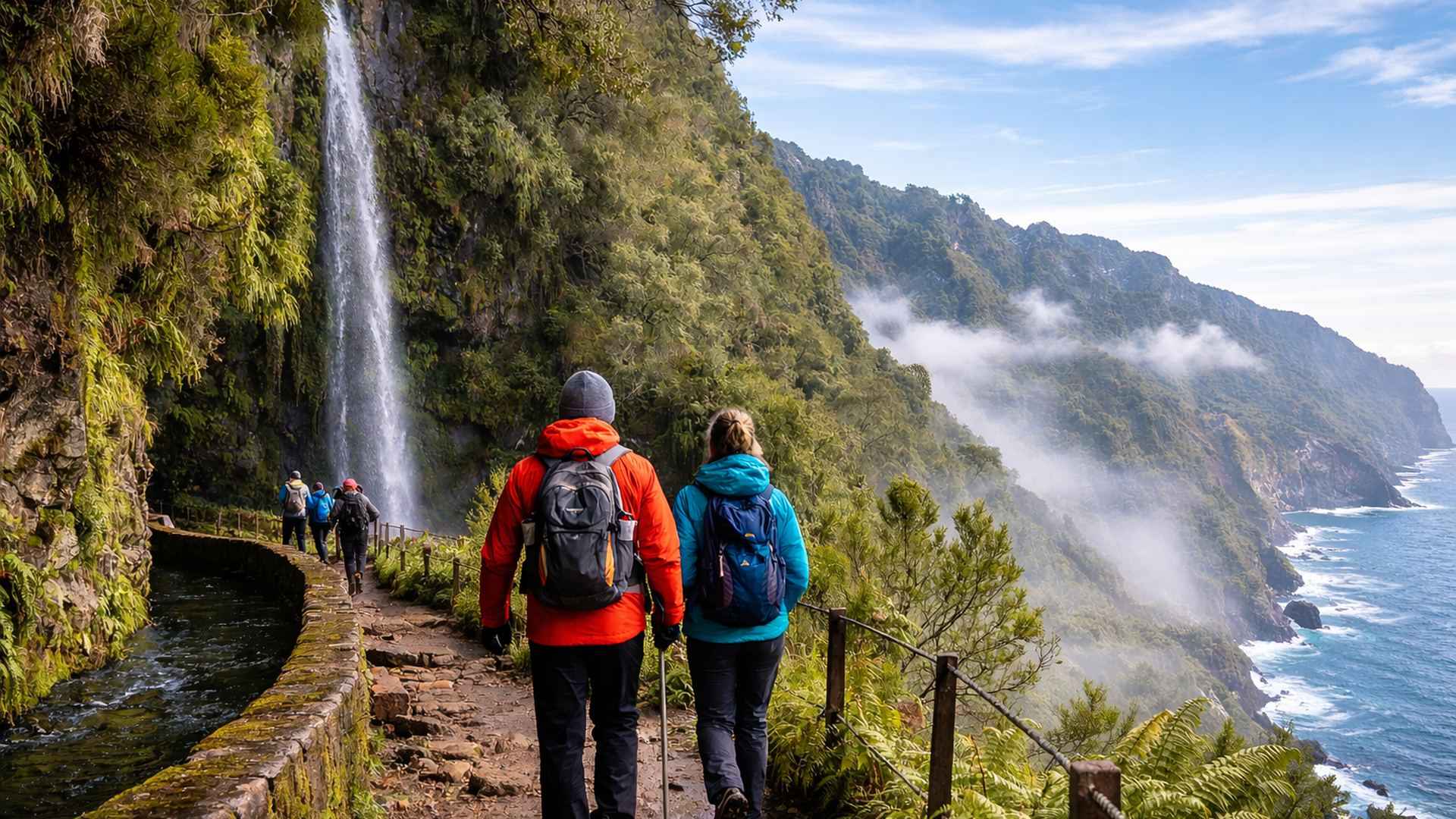
Levadas are the stone irrigation channels cut across the island to carry water from the wet north to the dry south, and the maintenance footpaths beside them make the finest winter walking in Madeira: flat gradients, laurel forest, and viewpoints you cannot reach by car.
- North-side levadas for January: Pick a route high on the north slope for tunnel sections and waterfall viewpoints, but check recent trail status before setting out — winter rain can trigger closures and rockfall.
- Insider detail: Bring a headlamp even on a marked levada. Several tunnel stretches are unlit, and phone torches die fast in the damp.
- Pico do Arieiro above the clouds: Madeira’s showpiece. In January a temperature inversion frequently leaves the peaks floating over a flat cloud sea, so drive up before sunrise and stay for the light — you can reach the trailhead by car, no hiking required to get the view.
Funchal: Gardens, Wine and the Cable Car
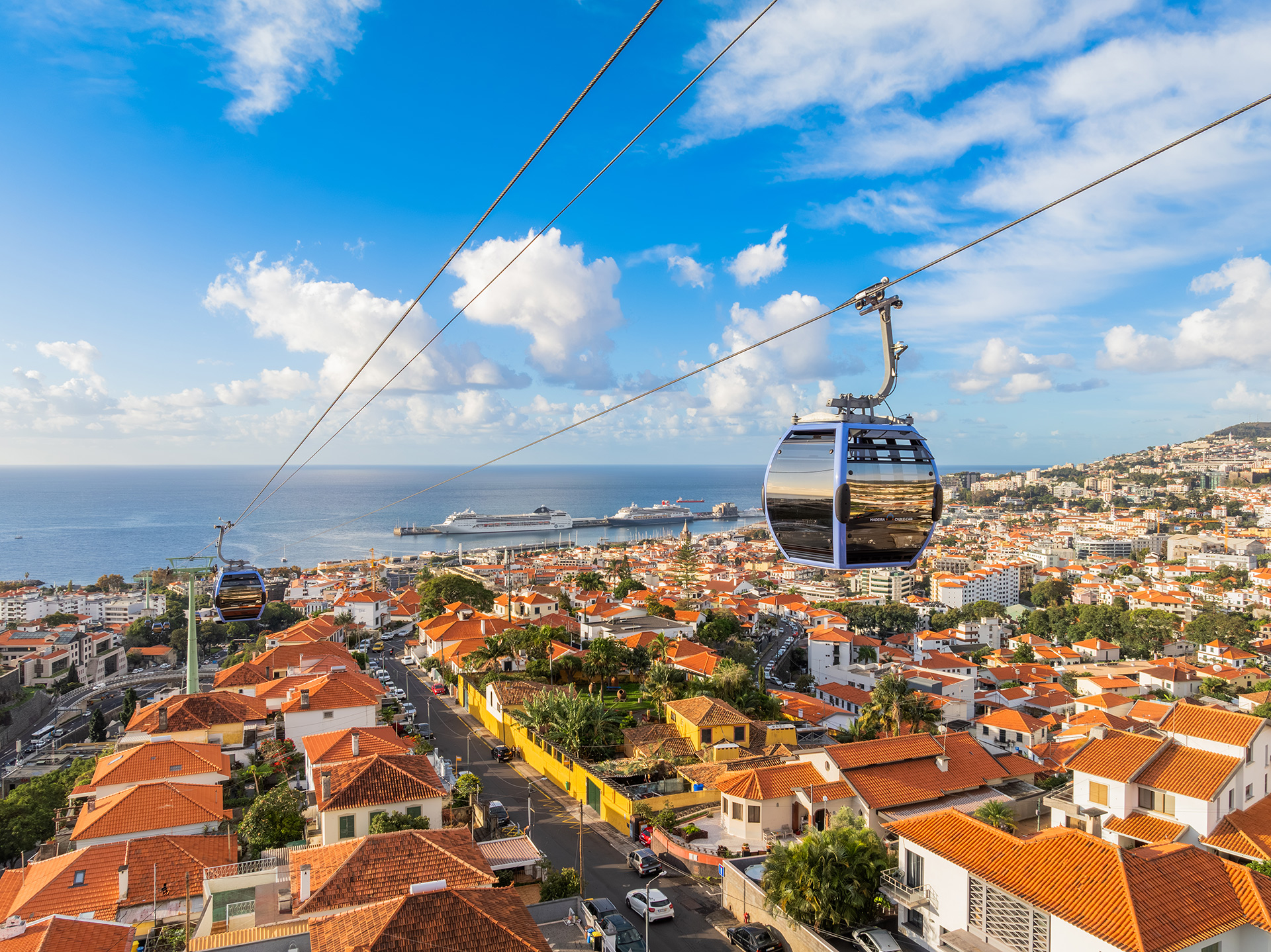
Funchal rewards a slow afternoon. Start in the painted Old Town, then take the cable car up to Monte for the botanical gardens — expect roughly €11 one way or €16 return, though fares change, so confirm with the operator before you go.
- Madeira wine cellars: The fortified wine ages in heated attics rather than cool cellars, which is exactly why a tasting tour is worth your time. Book the seated tasting tier over the walk-through; the difference in the pour is significant.
- Whale and dolphin watching: Boats leave Funchal’s marina, with sperm whales and dolphins resident year-round. Choose the morning sailing — Atlantic swell builds through the afternoon and January crossings get choppy.
- Best sequence: Levada or Pico do Arieiro in the morning, Funchal’s gardens and a wine tasting after lunch, when the light over the harbour is at its best.
Andalusia: The Warmest Mainland Region in Southern Europe
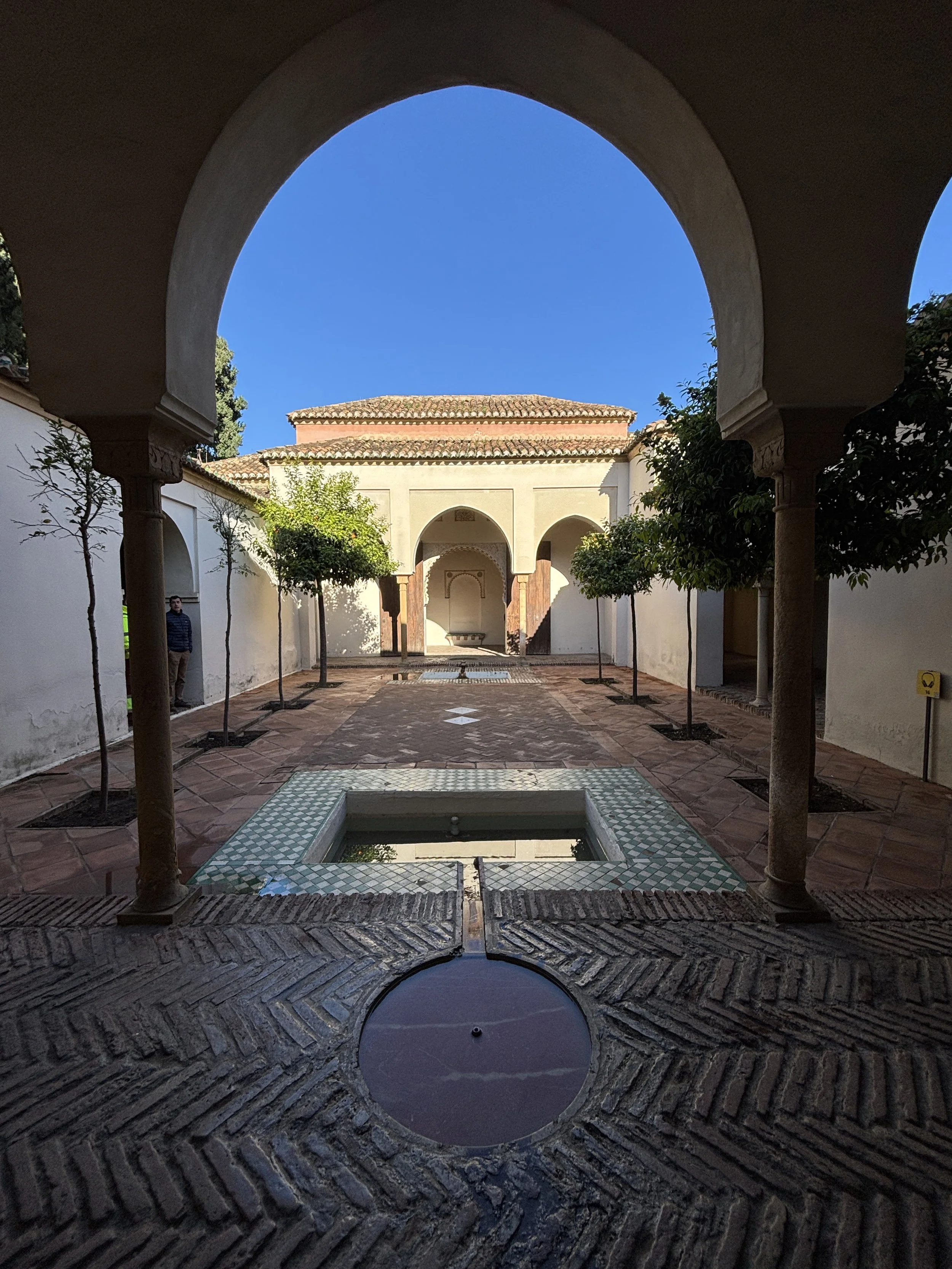
Malaga is the strongest value play on the Spanish mainland in January: 18°C days, 9°C nights, and only about five rainy days in the whole month, with the sea at 16°C — warm enough for a barefoot walk, not a swim. This is the region where your money stretches furthest, because the best experiences here are either free or nearly so.
Malaga and the Costa del Sol
Malaga rewards a low-spend itinerary better than any city on this list. Skip the paid viewpoints and climb instead to the 10th-century Alcazaba fortress, then push on to Gibralfaro Castle above it for the coastal panorama that would otherwise cost you a rooftop bar tab.
- Free culture: The Alcazaba and the castle grounds cost little and absorb a full morning. Save the Museo Picasso for a rare rainy afternoon rather than paying on a blue-sky day.
- Beach on a budget: Malagueta Beach is a five-minute walk from the centre and made for picnics — buy supplies and eat on the sand instead of paying for beachfront covers.
- Best cheap luxury: Rooftop pools at central hotels beat the pricier beach clubs in January, when the sun is pleasant but not strong enough to justify a full resort day.
- Eat outside: Terrace tapas is where Malaga feels generous — lunch in the sun is the highlight of the day, and dinner barely matters.
My verdict: Malaga wins for a first Andalusia trip. It is the warmest and cheapest base here, and it needs no car.
Seville, Granada and Córdoba
Seville runs cooler at 16°C days and 8°C nights with around six rainy days, but it is the city I would choose for pure atmosphere — and the one where eating well is easiest on a modest budget, with roughly 3,000 tapas bars competing for your evening.
- Seville: The Alcázar and Plaza de España anchor the sightseeing, and the city holds three UNESCO World Heritage Sites within easy reach. Wander the Jewish Quarter at dusk — it costs nothing and outperforms most paid attractions.
- Granada: Book the Alhambra far in advance — it is the one reservation I would not leave to chance anywhere in Andalusia. Afterwards, order a drink and free tapas arrive with it, which makes Granada the cheapest night out in the region by a distance.
- Granada bonus: Sierra Nevada sits close enough for a same-day ski trip, so you can pair a warm-city morning with snow by lunchtime — an itinerary no other mainland destination here offers.
- Córdoba: The Mezquita is the single most rewarding monument in southern Spain and works as a stop between Seville and Granada rather than an overnight.
Marbella: Golf and a Quieter Costa del Sol
Marbella averages 17°C days and 8°C nights with about five rainy days — marginally cooler than Malaga but far calmer, and its real January draw is winter golf at low-season rates on courses that would be unaffordable and unbookable in summer.
- Culture for free: The Dalí and Soriano sculptures lining Alameda Park and Avenida del Mar form an open-air gallery you can walk in an hour, spending nothing.
- Time it right: Three Kings Day on 6 January brings processions and full streets; book accommodation early if your dates overlap, or come just after for the emptiest promenade of the year.
- Who it suits: Golfers and anyone who wants the Costa del Sol without the scene. Skip it if you want nightlife or big-name sights — Malaga delivers both for less.
Malta: Mediterranean Culture Without the Crowds
Valletta hits 16°C in the middle of the day and dips to about 11°C after dark, with roughly seven rainy days across January and the sea holding at 16°C. That is jacket weather, not swimwear weather — but it is also the only month when you can photograph St John’s Co-Cathedral’s gilded interior and the Grand Harbour ramparts without a cruise-ship queue in front of you.
January is one of Malta’s wetter months, so plan indoor monuments for showers and harbour walks for the clear hours.
Where to Stay: Valletta, Sliema or Gozo
These three bases serve genuinely different trips, and picking wrong costs you time in taxis.
- Valletta — take this for serenity. The fortified peninsula is walkable end to end, and after the day-trippers leave you have the limestone streets almost alone. It is the strongest choice for a short, culture-first break where you want to be inside the sights, not commuting to them.
- Sliema and St Julian’s — take these for nightlife and centrality. More hotel choice, more restaurants, easier transport links to the rest of the island. I only pick them if evening energy and a livelier waterfront matter more to you than atmosphere.
- Gozo — take this for space and quiet. Reach it by ferry from the main island, then drive between red beaches, megalithic temples and working fishing villages. Best as a second stay after Valletta, not your only base, unless you are here purely to slow down.
My call: base in Valletta for two to three nights, then move to Gozo if you have the days. Sliema wins only for travellers who prioritise nightlife over character.
What to See in Malta in January
Prioritise the heavy-hitting interiors first, then let the weather decide the outdoor days.
- Valletta core: St John’s Co-Cathedral, Fort St Elmo, and Upper Barrakka Gardens over the Grand Harbour.
- Prehistoric Malta: the Ħaġar Qim temples above the sea, and the Hypogeum underground necropolis — reserve entry well ahead because visitor numbers are capped.
- West coast drives: Golden Bay for the wide beach, then the Blue Grotto for the cliff formations.
- Mdina and beyond: the walled “Silent City,” the Three Cities across the harbour, Dingli Cliffs at sunset.
Do the Hypogeum and St John’s on your wettest forecast day. Save Dingli Cliffs and Golden Bay for when the sky clears — Malta’s winter light on those cliffs is the whole reason to come in January rather than June.
Lisbon and the Algarve: Portugal’s Mild South
Lisbon’s yellow trams climb Alfama at a spring-like 15°C in January, past tiled façades and laundry lines with the crowds gone — this is the month the city belongs to people who live in it. Nights drop to about 9°C and expect roughly 10 rainy days across the month, so build in a café hour and don’t plan anything weather-critical for the afternoon you land.
Lisbon: Sightseeing Weather Without the Summer Heat
The real January win is queue-free culture. The 16th-century Jerónimos Monastery in Belém — where summer visitors wait around the cloister courtyard — is close to walk-in in winter, and the Belém waterfront is where I’d spend your first morning while jet lag is still working for you.
- Belém first, Alfama last: Hit Jerónimos and the riverside monuments in the morning light, then save Alfama’s tangle of lanes for late afternoon when the light rakes across the rooftops.
- Miradouro da Senhora do Monte: The highest of the city’s viewpoints and the one to hold for sunset — it’s above the Alfama tourist strip, which is exactly why it still feels like a local spot.
- Trams and cable cars: Ride the yellow trams for the views, not the speed. They are standing-room transport through very steep streets.
- Pastel de nata: Order it warm with a bica and eat it standing at the counter like everyone else. This is the single best-value thing you’ll consume in Portugal.
- Fado in Bairro Alto: Fado houses and Bairro Alto’s bar district pair naturally — dinner and a show, then walk out into the noise. Bairro Alto is also where Lisbon stays loud past midnight.
- Day trips within easy reach: Sintra for palaces and forest mist, Cascais for a breezy Atlantic promenade, and Évora inland for Roman ruins and a bone chapel. Évora is the smartest pick on a wet day.
Keep the geography honest: the north of Portugal stays cooler in January, so Lisbon is the better base for warmth rather than Porto. Direct flights from across Europe make this one of the simplest entries on this list.
The Algarve: Empty Cliffs and Better Surf
The Algarve runs warmer and drier than Lisbon — 16°C days, 8°C nights, and only about 5 rainy days — which is why the empty cliff paths at Ponta da Piedade feel almost illicit in January. The sea holds around 17°C: too cold to swim comfortably, ideal for a wetsuit and bodyboarding.
- Ponta da Piedade and Benagil Cave: The two iconic Algarve sights, both near Lagos. Winter is the only season you’ll photograph them without a crowd in frame.
- Winter surf: The Atlantic is in its prime surf season, so the west coast delivers its most consistent swell. Bring or rent a full wetsuit — bodyboarding here in January is a wetsuit sport.
- Lagos vs Albufeira: Lagos wins for cliff walks, surf and a walkable old centre. Albufeira only makes sense if you want the densest restaurant and nightlife strip — and in January much of that is quiet anyway. Choose Lagos.
- Farro as the cultured base: Faro’s Old Town and the Arco da Vila are genuinely lovely without the airport-transit energy the city gets saddled with.
- Ria Formosa: The lagoon system is at its birdwatching peak in winter, when migratory waders crowd the salt marshes. Go at dawn.
- Cabo de São Vicente: Europe’s southwestern corner is a wind-blasted clifftop lighthouse — worth the drive for the drama, not for lingering.
- Cataplana: The Algarve’s answer to a bouillabaisse, a seafood stew cooked and served in a hinged copper pot. Order it as the main event at dinner.
Winter golf runs throughout the region and the courses are far easier to book than in summer.
Sicily and Southern Italy
Arancini eaten standing at a Palermo counter, golden mosaics you can study without a crowd pressing behind you, and a Greek temple ridge at Agrigento under low winter sun — Sicily in January is the trip for people who want ruins and street food, not beach weather. Expect 14–17°C days, 8–10 rainy days and a sea around 15°C across the island: bring a jacket for the mornings and a plan for the wet days.
Palermo and Western Sicily
Palermo averages 15°C days and 10°C nights with around 6 rainy days — the driest, most walkable window the city offers all year. Work through the Palermo Cathedral exterior first, then spend the real time inside the Norman Palace and Palatine Chapel, where the Byzantine mosaics reward a slow look rather than a rushed loop.
- Food first: arancini and cannoli are the mission here — eat cannoli filled to order, never pre-filled.
- Beach option: Mondello Beach is a promenade walk in winter, not a swim; the sea sits near 15°C.
- Worth the detour: Monreale’s cathedral mosaics are the finest in Sicily and pair naturally with a Palermo base.
- Drive south: the Valley of the Temples at Agrigento is the payoff of a western Sicily road trip — the ridge of Greek temples without summer’s punishing heat is exactly why January works.
- Island hop option: Trapani is the launch point for the Egadi islands, though winter ferries run a reduced schedule — confirm crossings with the operator before committing.
Taormina, Siracusa and Mount Etna
Taormina’s cliffside views over the Ionian Sea are the reason people book the northeast coast, and January empties its picture-perfect shopping streets of the summer crush. It is also the practical staging point for a Mount Etna day trip — the volcano is a genuine winter excursion, sometimes snow-capped on top, so dress for altitude rather than for the coast.
- Best photo slot: walk Ortigia, Siracusa’s old town, at golden hour when the honey-coloured stone and harbour light do the work for you.
Sorrento and the Amalfi Coast
Sorrento averages 16°C days, 11°C nights and around 14 rainy days, with the sea near 14°C — wetter than Sicily, so treat it as a culture-and-food base rather than a sun fix. The trade-off is access: the Cathedral of Sorrento and the Museo Correale are crowd-free, Pompeii is an easy train ride away, and the Amalfi Coast drive is quiet instead of gridlocked.
- Wet-day plan: Pompeii by train beats any coastal outing when rain rolls in.
- Driving tip: take the coast road on a clear weekday morning — this is the rare season when the famous switchbacks are actually pleasant to drive.
Cyprus, Crete and Turkey’s Turquoise Coast
Limassol’s sea sits at 18°C in January — warmer than the water in any of the mainland destinations in this guide — and that single number is why Cyprus belongs on a winter shortlist built around being outdoors rather than indoors.
Limassol and Cyprus
Limassol runs 17°C by day and 10°C at night, with around eight rainy days in January. That is walking-and-sightseeing weather, not beach-lounging weather, so plan days around the coast path and the old town and save swims for the hardy.
Do this: Start at Limassol Castle, then walk the marina promenade toward the old town and order halloumi and mezze at a lunch spot — the town’s food scene is the payoff for a cloudy day.
For inland variety, drive up to the Troodos mountain villages for a change of air and pace, or spend a day in divided Nicosia. If you only pick one excursion, choose Paphos: the Archaeological Park’s Roman mosaics are the island’s headline sight, and the Tombs of the Kings — carved rock-cut chambers on the seafront — are best walked in the cooler morning light.
Crete: Greece’s Reliable Winter Island
Crete is Greece’s best winter island bet, and it has a trick up its sleeve: the Alkyonides Days, a stretch of around seven to ten unexpectedly warm, clear days that sometimes push past 20°C. They can land anywhere in the winter months and are unpredictable — but if your week gets one, you will remember it more than any museum.
Expect 15–17°C daytime temperatures, nine to eleven rainy days, and 16°C sea. Split your time along the north coast and pick a base to match your temperament:
- Chania: The Venetian harbour is the most photogenic base, and the old town stays lively enough in winter.
- Rethymno: A tighter, sleepier old town — good if you want fewer distractions.
- Heraklion: The practical choice for the archaeological museum and Knossos, which pair into one strong day.
- Agios Nikolaos: The calmest base on the island’s east side, and my pick for anyone here to slow down.
Elafonisi Beach — that pale pink-sand lagoon — is the trip’s natural day out, and winter is when you get it almost to yourself. Skip Samaria Gorge: it is closed to walkers through the winter for safety.
Fethiye and Antalya
Turkey’s south coast is a different climate to the rest of the country, and Fethiye sits at 15°C by day with only around five rainy days in January — the driest option in this section.
Fethiye’s outdoors: The Lycian Way passes right by town, so you can walk proper coastal trail in January without summer’s heat. Above the harbour, the rock-cut Tomb of Amyntas is the short climb worth doing at sunset.
Two expectations to set: Butterfly Valley is reached by boat, and those boat tours stop in winter, so treat the valley as a summer reason to return. And the Tuesday Market runs weekly — go early for produce and pickled goods before stalls thin out.
Antalya, the largest city on Turkey’s south coast, works as a bigger, busier alternative if you want restaurants and museums behind the coastline. Fethiye is the better winter base for trails and quiet; Antalya is the better base if you want city energy at the end of the day.
Planning Your January Escape: Flights, Costs and Packing
A one-way fare to Lisbon has gone for as little as £8 ($10) in January — that is the scale of savings this month delivers. Flights, hotels and car hire all bottom out after the holidays, because everyone is back at work and broke.
This is the month to book the trip you have been putting off.
Cheap Flights and Low-Season Prices
Book mainland and island destinations differently in January, or you will pay twice. The Canaries and Madeira are northern Europe’s winter high season — the one exception to the low-season rule — while everywhere else is at its cheapest and emptiest.
- Book early for the Canaries and Madeira: Tours and excursions sell out even though flight prices look reasonable. Reserve activities before you go, not on arrival.
- Book late for the mainland: Andalusia, Lisbon, Malta and Sicily reward flexible travelers with the lowest rates of the year and walk-in access to restaurants and sights.
- Package deals: UK travelers should price a Jet2 package — flights and hotel on one booking — and confirm it carries ATOL protection before paying. That protection is the reason to book a package over separate components.
- Rent a car: It is essential in the Algarve, the Canaries and Sicily, where the best beaches, cliffs and villages are unreachable by public transport in winter. Prices are at their annual floor in January.
- Buy travel insurance: Winter weather disruption is the real risk in January, not temperature. Cover for delays and cancellations pays for itself on one bad connection.
What to Pack for Spring Days and Cool Nights
Pack for a Mediterranean spring day and a chilly evening, and you will be comfortable everywhere from Funchal to Limassol.
- Light jacket: Your daytime outer layer for seafront walks and city sightseeing.
- Rain mac: Squalls pass quickly but they arrive without warning, especially on Atlantic islands.
- Layers: Nights drop sharply after sunset, and restaurants with outdoor terraces stay cool.
- Sunscreen: Winter sun at southern latitudes is stronger than it feels, particularly on water and at altitude.
Frequently Asked Questions
Do I need to rent a car?
Not in Malaga or Valletta, both of which work perfectly as car-free bases. Do rent one in the Algarve, the Canaries and Sicily, where the best cliffs, beaches and villages are unreachable otherwise.
Will restaurants and attractions be open in January?
Yes in the cities and main towns, where life carries on at a normal pace all winter. Some outdoor attractions close for the season — Samaria Gorge is shut to walkers and Butterfly Valley boat tours stop — so confirm anything weather- or season-dependent before you commit.
Which destination works for a short three- or four-day break?
Valletta or Malaga, because both deliver their headline sights within walking distance of a single base. Save the Canaries, Sicily and Crete for trips where you have a week to drive a loop.
Pick Your January Escape and Go
If you want beach warmth, fly to Tenerife and drive one loop between the two airports. If you want culture and low costs, base yourself in Malaga or Valletta and let the days fill themselves.
January gives you the Mediterranean at its most honest: warm sun, empty monuments and room to linger over lunch.
Choose your island or city from the shortlist above and get the flights booked before the low-season window closes.
Leave a Reply