
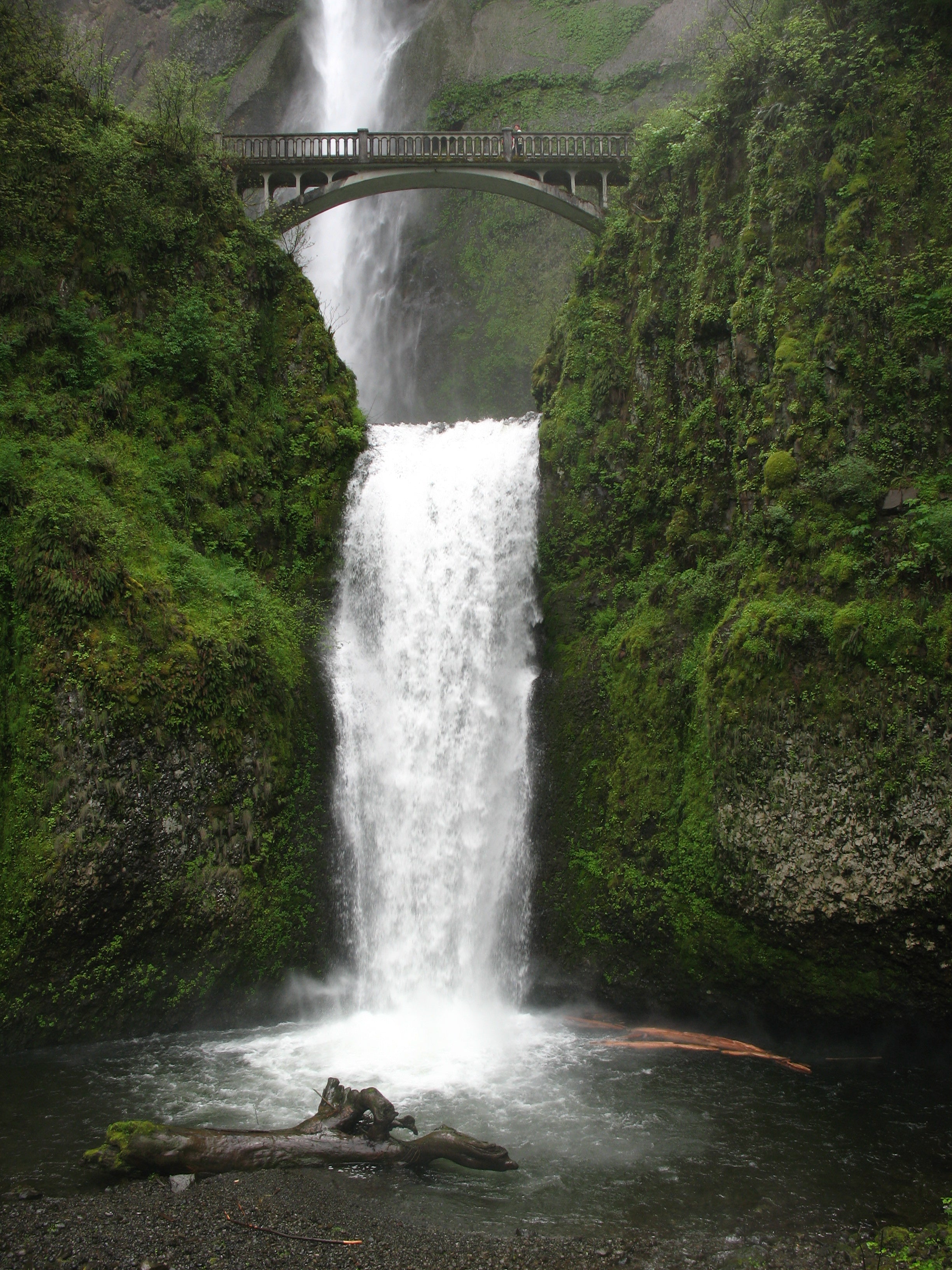
Cold, glacial mist coats your face before you even round the final bend of the trail. The roar of thousands of gallons of water crashing over ancient basalt columns vibrates straight through the soles of your boots.
Unlike dry mountain ranges, waterfall hikes in the Pacific Northwest feed on endless coastal rain and melting glaciers, creating massive, moss-draped amphitheaters you won’t find anywhere else on earth.
This guide helps you skip the tourist traps and choose the perfect trail for your skill level, whether you want a quick roadside photo or a rugged wilderness trek.
Expect to spend about $5 to $30 on park passes, while cozy basecamp cabins range from $120 for budget stays to $450+ for luxury mountain lodges.
The Quick-Hit Guide to the PNW’s Best Cascades
If you are short on time, here is my handpicked shortlist of the absolute best trails covered in this guide. These are the non-negotiable stops that make the region famous.
- Best Iconic Gorge Views: Multnomah Falls for classic scale and Latourell Falls for stunning basalt columns.
- Best Family-Friendly Loops: Sahalie and Koosah Falls on the McKenzie River or the legendary Trail of Ten Falls.
- Best Washington Classics: Sol Duc Falls in Olympic National Park and the multi-tiered Wallace Falls.
- Best Wilderness Escapes: Panther Creek Falls for deep forest solitude and Comet Falls for a rugged Mount Rainier challenge.
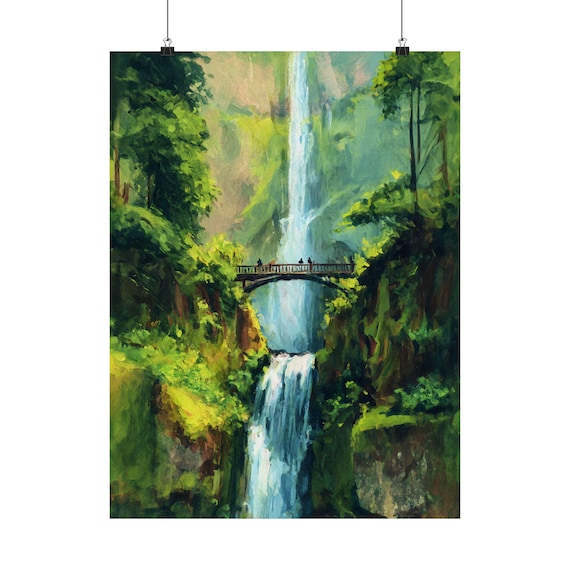
What is the Best Time of Year for Waterfall Hikes in the Pacific Northwest?
The Pacific Northwest is a region defined by its hydrology, and timing your visit to coincide with peak runoff is the single most effective way to guarantee a dramatic experience. While the region’s temperate rainforests keep trails lush year-round, the sheer volume of water cascading over basalt cliffs fluctuates significantly with the seasons.
To help you decide when to pack your boots, here is how the seasons compare for waterfall chasing:
| Season | Water Volume | Trail Conditions | Best For |
|---|---|---|---|
| Spring (April–June) | Peak | Muddy/Wet | Photography & Maximum Flow |
| Summer (July–Sept) | Low to Moderate | Dry/Accessible | High-altitude & Alpine Hikes |
| Autumn (Oct–Nov) | Increasing | Moody/Foggy | Solitude & Fall Foliage |
| Winter (Dec–March) | High | Snowy/Hazardous | Experienced Hikers Only |
The Case for Spring Runoff
I recommend targeting late April through early June if your priority is seeing waterfalls at their most powerful. As the mountain snowpack begins to melt, rivers and streams swell, turning modest cascades into thundering spectacles.
This is the time when the “milky white” appearance of falls like Panther Creek is most pronounced. Expect mud on the trails, so waterproof boots are not optional—they are a necessity.
Summer: The Season of Accessibility
If you prefer clear skies and easier access to high-elevation trails, summer is your window. While some lower-elevation waterfalls may lose volume by August, this is the prime season for reaching alpine basins where snowmelt keeps falls active well into the dry months.
I prefer summer for hikes in Mount Rainier National Park or the Mount Hood Wilderness, where the weather is stable enough to enjoy the mist without the bone-chilling dampness of the shoulder seasons.
Autumn and Winter: For the Moody Adventurer
Autumn brings a unique, atmospheric quality to the Pacific Northwest. As the fog rolls through river valleys, the contrast between the vibrant green moss and the grey basalt cliffs is at its peak.
Winter, however, requires caution. While the water volume is high, many high-country trailheads become inaccessible due to snow.
Stick to lower-elevation gorge trails during these months, and always check local road status reports before heading out, as landslides and tree falls can temporarily close popular routes.
Pro Tip: Regardless of the season, aim for a weekday start. Popular trails like those in the Columbia River Gorge or near Mount Hood see significant congestion on weekends.
Arriving at the trailhead before 8:00 AM is the best way to secure parking and experience the serenity these locations are famous for.
Planning your stay: For the best access to these waterfall hubs, base yourself in gateway towns like Hood River for Columbia River Gorge adventures, or look for cabin rentals near the entrances of Mount Rainier or the Gifford Pinchot National Forest. These locations provide the early-start convenience needed to beat the crowds to the most iconic trailheads.
Top 8 Waterfall Hikes in Oregon’s Columbia River Gorge
The Columbia River Gorge is the undisputed waterfall capital of the Pacific Northwest, where high-volume plunges meet dramatic basalt amphitheaters just a short drive from Portland. Because trail conditions in the Gorge shift frequently due to landslide risks and fire recovery, I recommend checking the official U.S.
Forest Service Columbia River Gorge National Scenic Area website for real-time closures before you lace up your boots.
| Waterfall | Difficulty | Best For | Key Feature |
|---|---|---|---|
| Multnomah & Wahkeena | Moderate | Classic Sightseers | Iconic 620-foot drop |
| Latourell Falls | Easy/Moderate | Photography Buffs | Perfect basalt columns |
| Wahclella Falls | Easy | Quick Nature Fix | Seeping canyon walls |
| Dry Creek Falls | Easy | PCT Enthusiasts | Secluded amphitheater |
Multnomah Falls and Wahkeena Falls Loop

This loop is the quintessential Gorge experience, but the crowds are real. I recommend arriving before 8:00 AM to secure parking and experience the mist without the mid-day tour bus crush.
The full loop connects two of the region’s most famous falls; if you only have time for one, stick to the paved path at Multnomah, but the full loop offers a much-needed escape from the noise.
Latourell Falls Trail
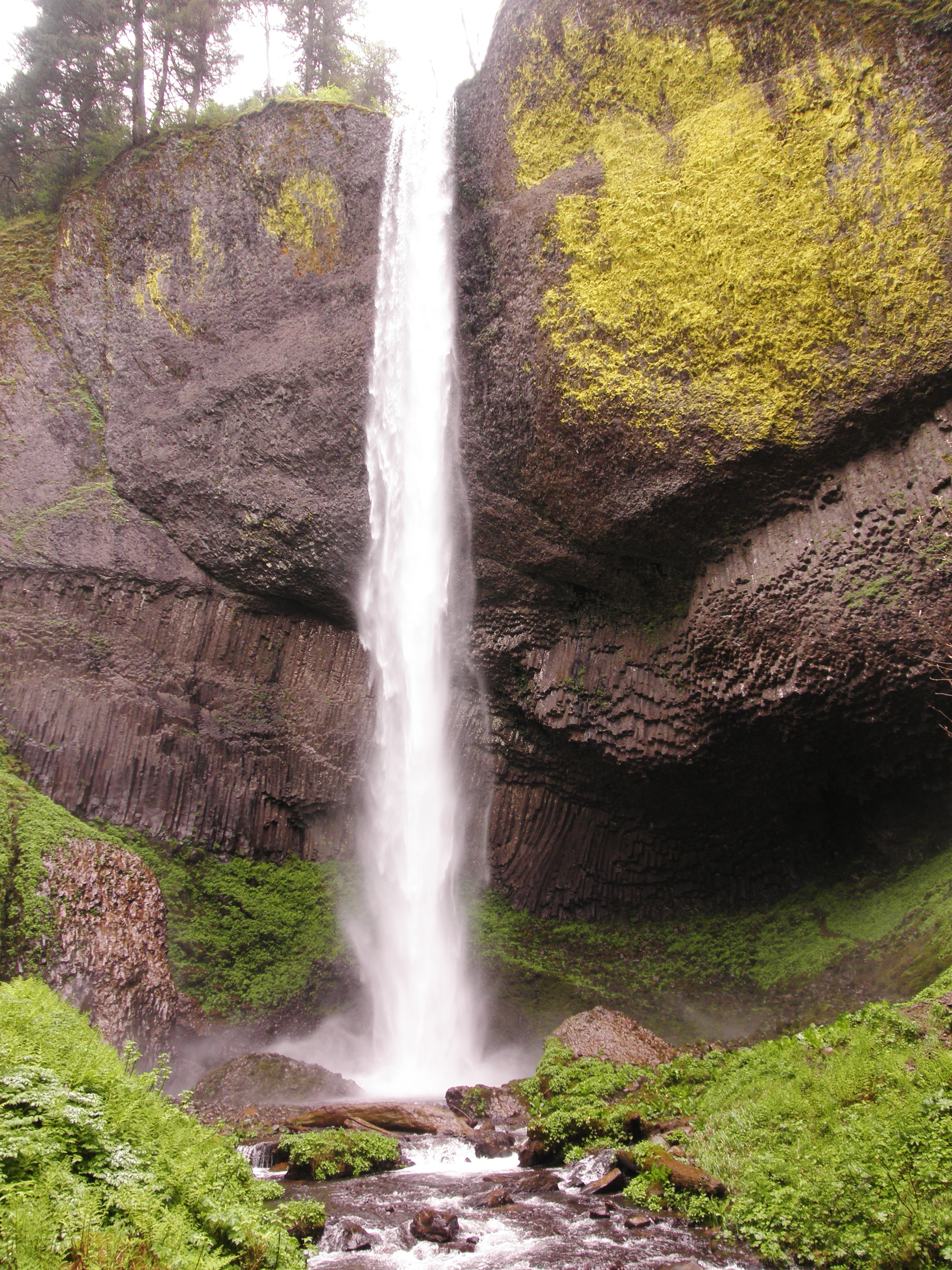
Latourell Falls is my top pick for dramatic geology. The trail features a spectacular 249-foot plunge framed by massive, perfectly geometric columnar basalt.
It is best for those who want a high-reward, relatively short hike without the overwhelming crowds found at nearby Multnomah.
Wahclella Falls Trail
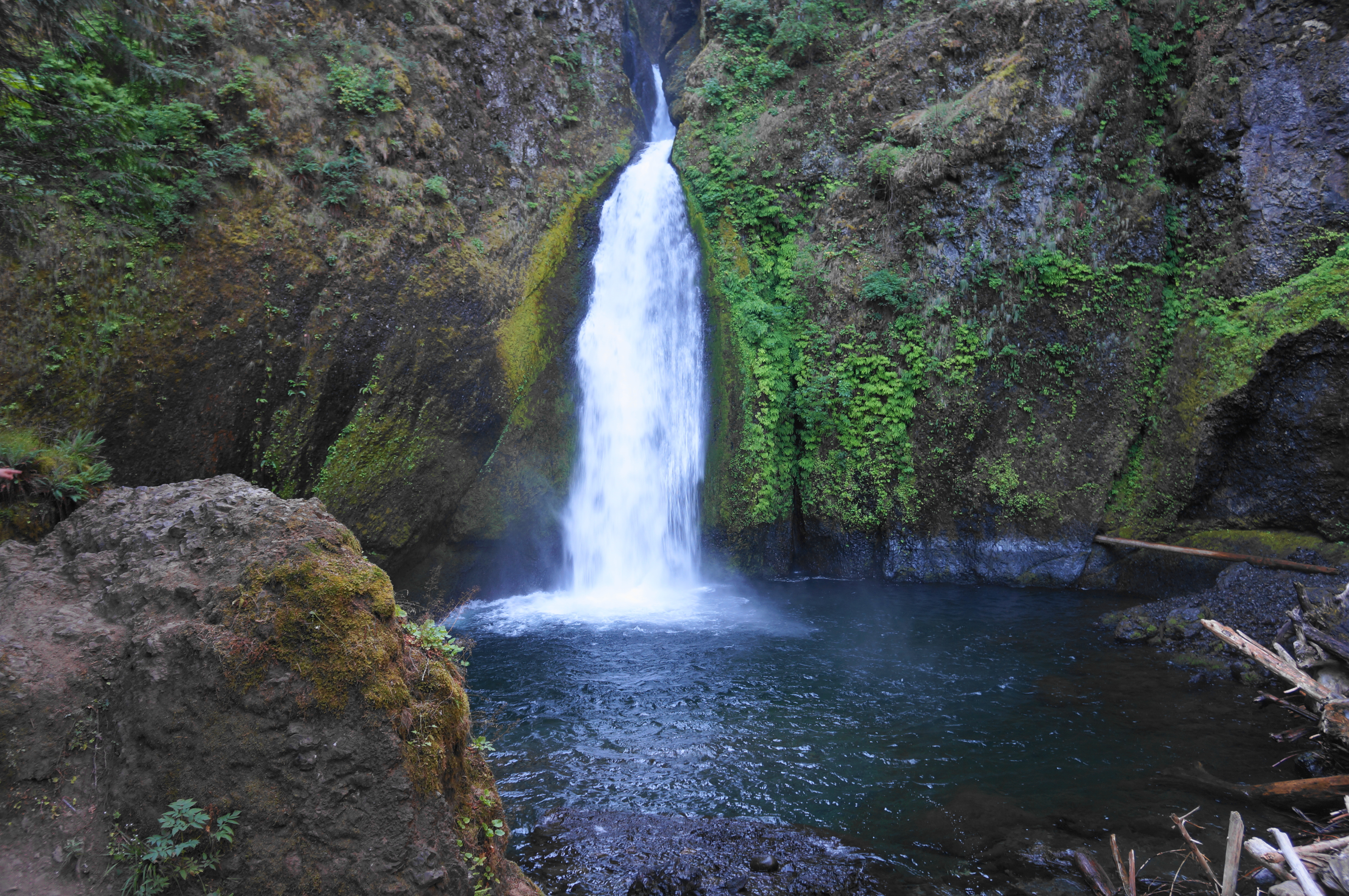
For a short, high-impact hike, Wahclella Falls is unbeatable. At roughly one mile, this trail is perfect for families or those short on time.
Keep an eye on the canyon walls to the right of the falls; during heavy rain, water seeps directly out of the rock face, creating a unique, mossy spectacle.
Punch Bowl Falls and Tunnel Falls (Eagle Creek Trail)

The Eagle Creek Trail is the gold standard for lush, rainforest-style hiking in the Gorge. While Punch Bowl Falls is the primary draw, those with stamina should push the additional miles to see Tunnel Falls. Warning: Always verify the current status of the Eagle Creek Trail with park officials, as fire damage and trail instability have historically led to extended closures.
Elowah Falls Trail
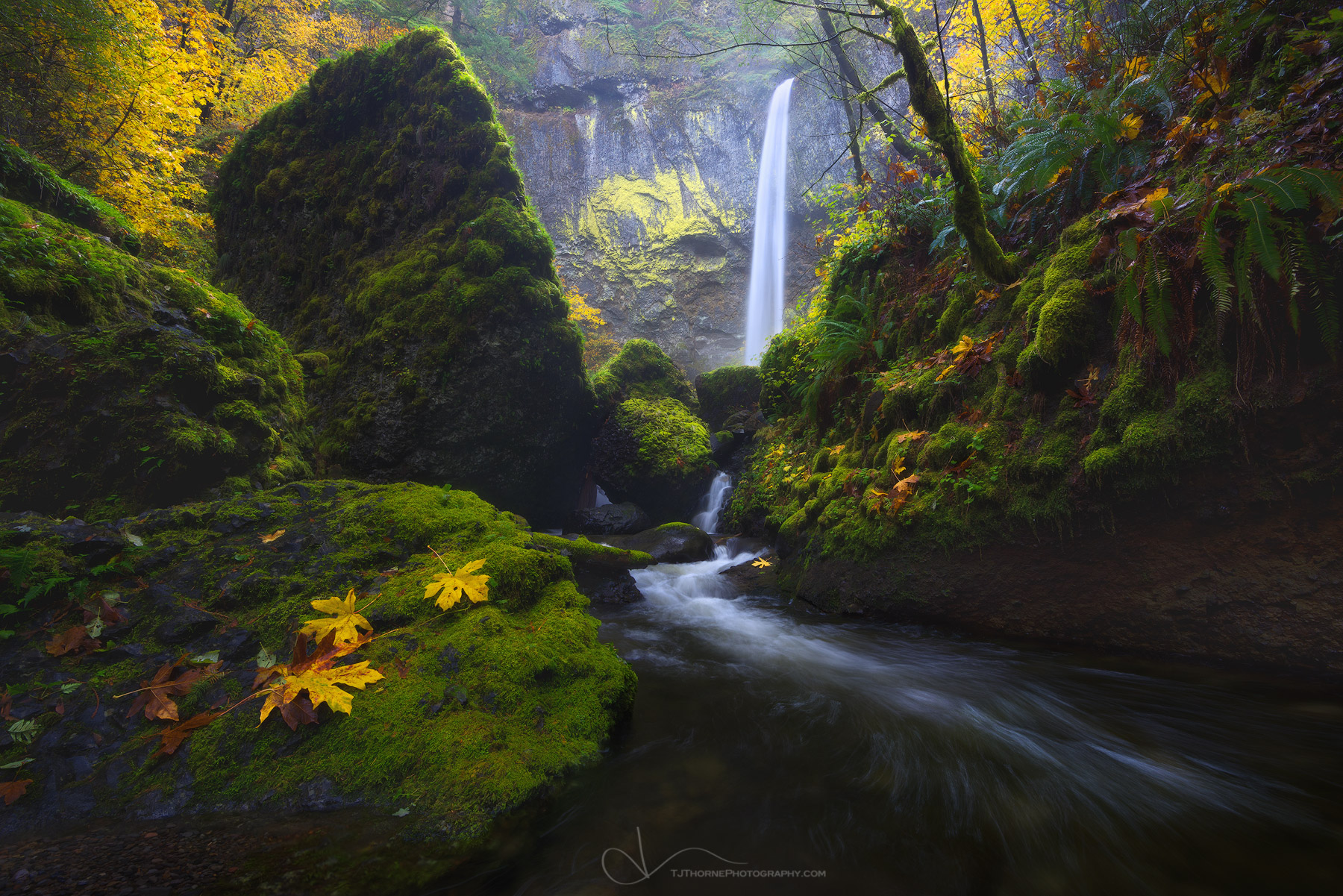
Elowah Falls is a hidden gem for hikers who want to avoid the main tourist thoroughfares. The trail leads to a massive, towering waterfall that feels significantly more wild and secluded than the roadside attractions along the Historic Columbia River Highway.
Dry Creek Falls via the Pacific Crest Trail
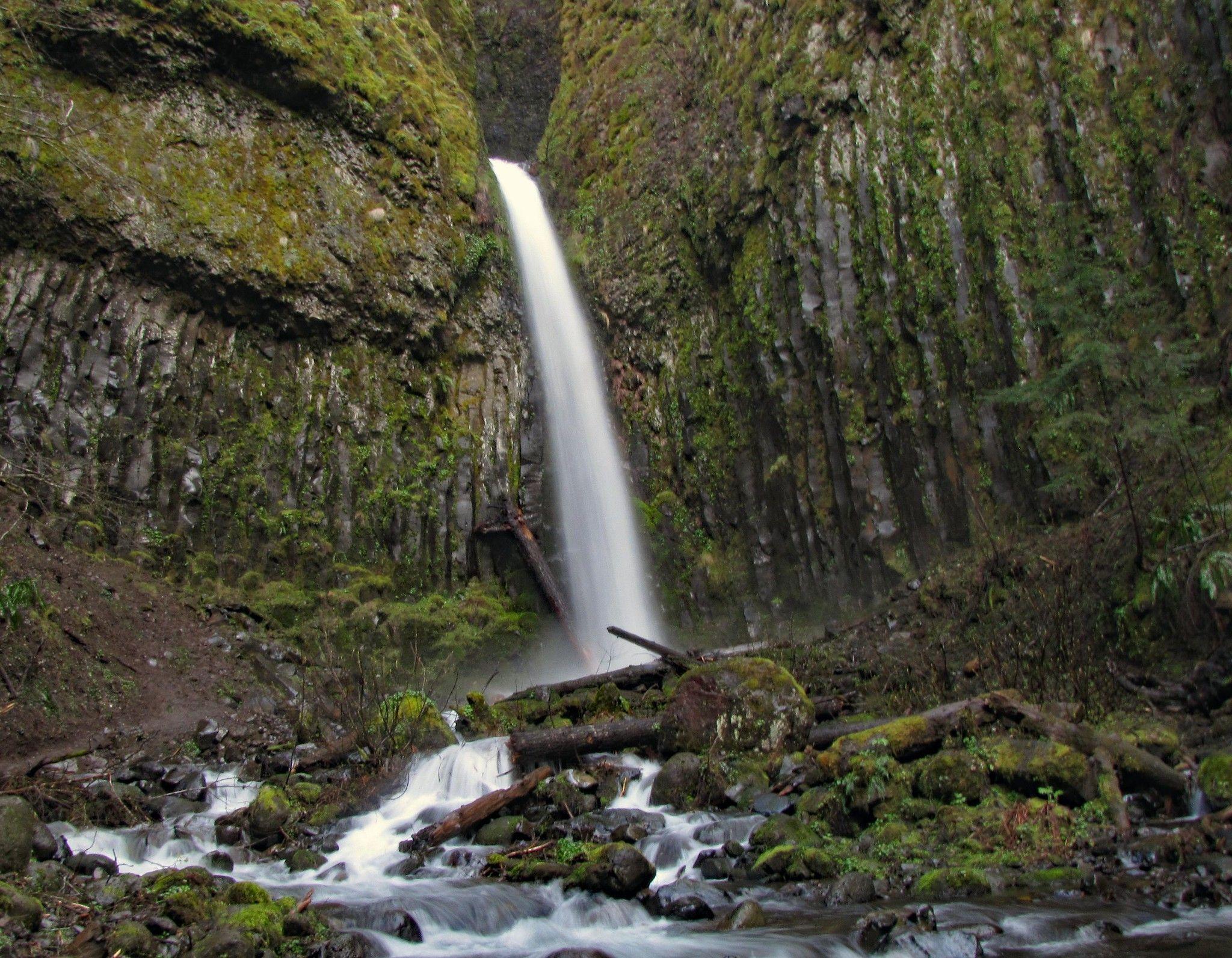
Access this classic via the Bridge of the Gods Trailhead. After crossing under I-84 and navigating the gravel Harvey Road, you will find the PCT trailhead.
This 4.4-mile round trip is the move for hikers looking for a quintessential Pacific Northwest forest experience that ends in a stunning, horsetail-shaped waterfall enclosed by grand cliffs.
Oneonta Falls and Gorge Chasm
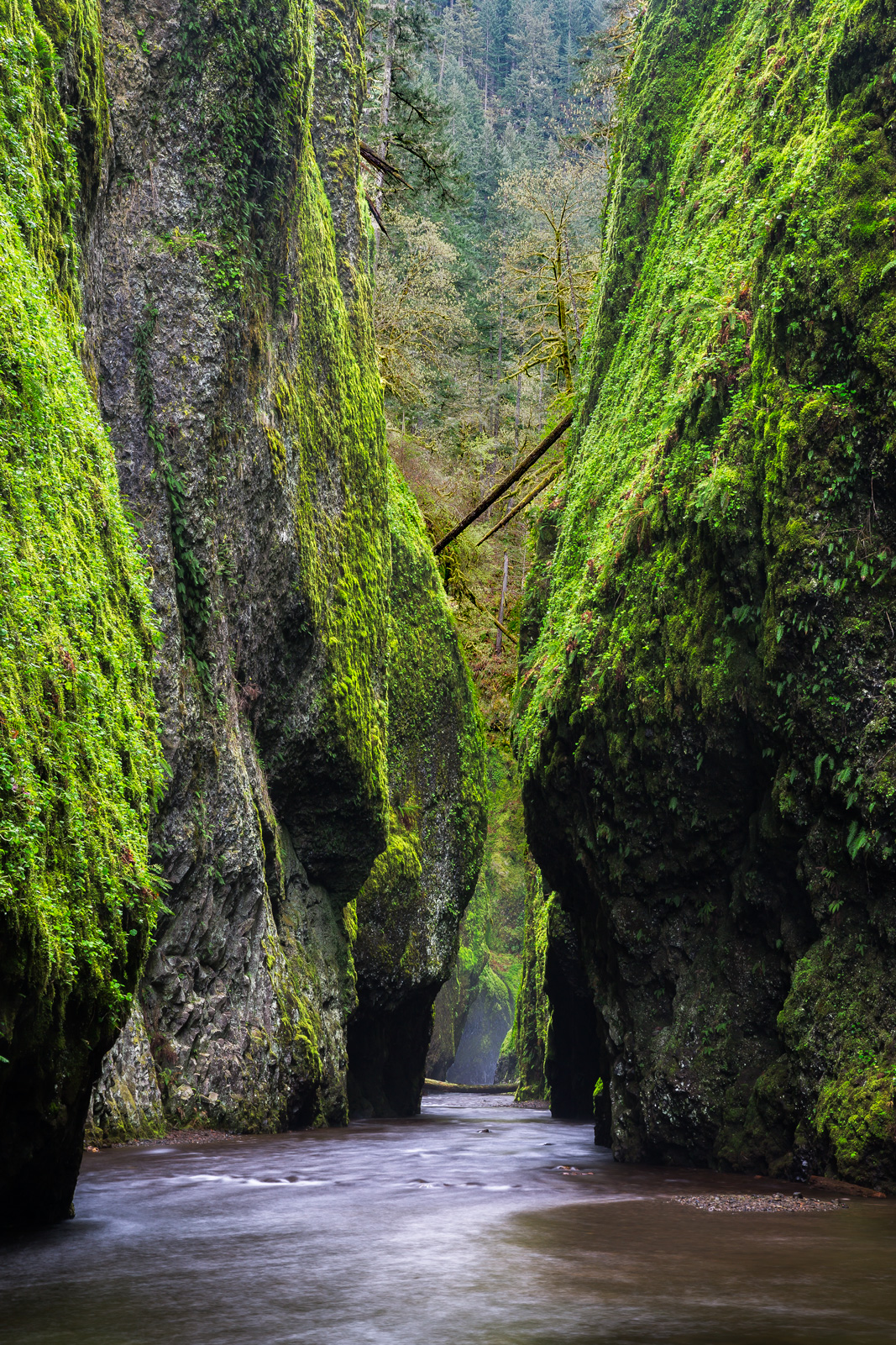
Oneonta is famous for its narrow, moss-covered slot canyon, but it is notoriously fickle. Access often depends on water levels and official safety status.
I recommend prioritizing this only when conditions are confirmed safe; otherwise, stick to the more reliable trails mentioned above.
Angel’s Rest Trail Waterfalls
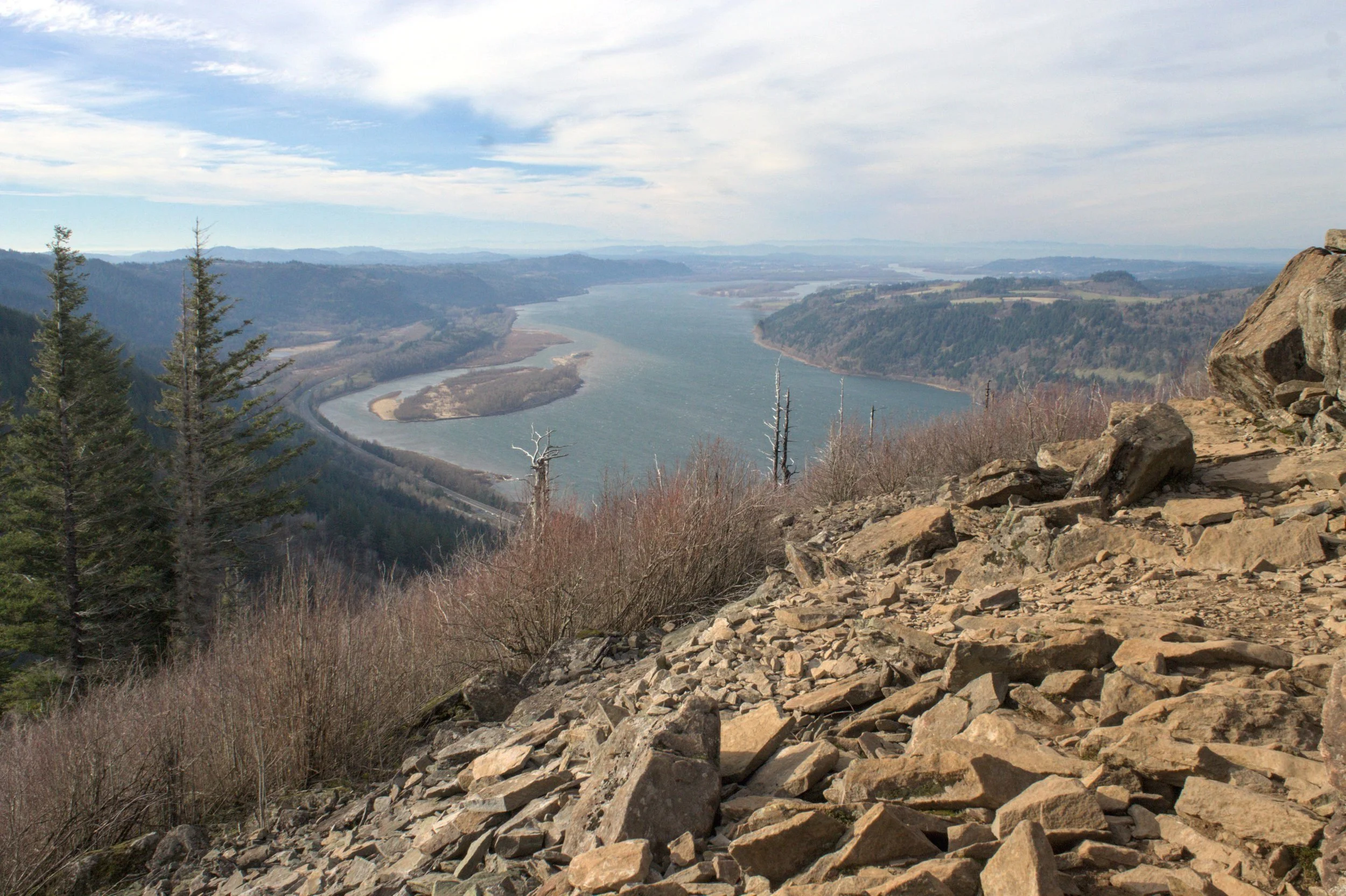
While Angel’s Rest is primarily known for its panoramic views of the Columbia River, the ascent includes several smaller, charming waterfalls. It is the best choice for hikers who want a challenging workout with a view, treating the waterfalls as a bonus along the climb rather than the sole destination.
Pro Tip: For the best experience, base yourself in a lodge or cabin near the town of Cascade Locks. This puts you in the heart of the waterfall zone, allowing for early-morning trailhead access before the daily congestion begins.
Best Waterfall Hikes in Mount Hood and Central Oregon
Central Oregon’s high desert landscape hides some of the most dramatic basalt-canyon plunges in the state, offering a stark, rugged contrast to the mossy, temperate rainforests found further north. While the Columbia River Gorge draws the crowds, heading south toward Bend and the McKenzie River Pass rewards you with fewer trail permits and more solitude.
| Waterfall | Difficulty | Best For |
|---|---|---|
| Sahalie & Koosah | Easy | Families and quick roadside stops |
| Proxy Falls | Moderate | Photographers wanting the “classic” misty shot |
| Steelhead Falls | Moderate | Afternoon lounging and sun-seekers |
| Tamanawas Falls | Moderate | Mount Hood area access |
Ramona Falls Trail
Located on the flanks of Mount Hood, this trail is a quintessential Pacific Northwest experience that requires a river crossing, so check local conditions before heading out. It is best for hikers who want a full-day, high-reward loop.
Skip this if you are uncomfortable with potentially tricky water crossings during high-flow spring months.
Tamanawas Falls Trail
This trail is my pick for a reliable, moderate hike on the east side of Mount Hood. It features a massive 110-foot waterfall that cascades over a lava cliff.
It is ideal for those who want a steady, well-maintained path. I recommend arriving early on weekends to secure a spot at the trailhead parking area.
Proxy Falls Loop
Proxy Falls is a must-see for its unique, porous basalt formation that makes the water appear to emerge directly from the cliff face. It is perfect for those who want a short, high-impact hike.
I recommend visiting in late spring or early summer when the snowmelt is at its peak.
Sahalie and Koosah Falls Trail
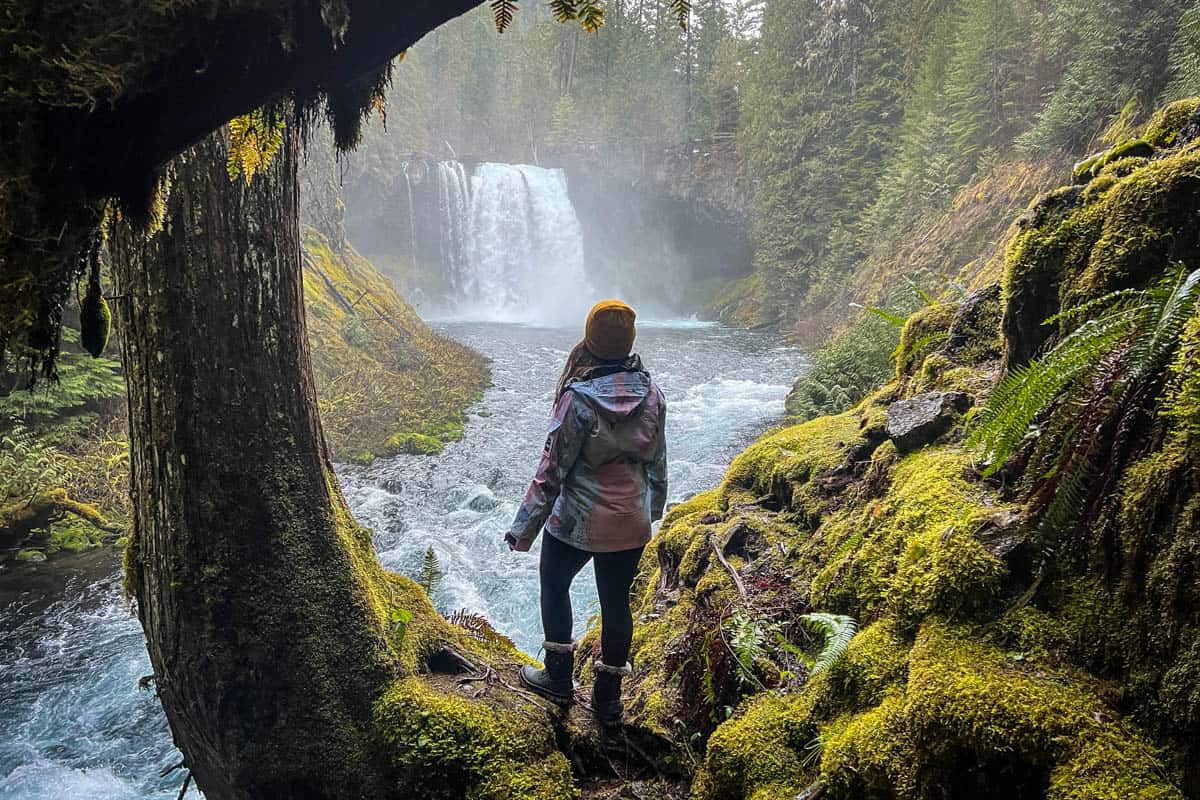
These two falls are located along the McKenzie River and are connected by a 2.6-mile loop that is exceptionally family-friendly. Sahalie is the more powerful, roaring choice, while Koosah offers a more serene, tiered look.
Base yourself in nearby Sisters or Bend for easy access to these and other McKenzie Pass attractions.
Steelhead Falls in the Deschutes River Canyon
Steelhead Falls is the move for those who want to combine hiking with a relaxed afternoon by the water. Located north of Redmond, the trail descends into a dry, rocky canyon.
Bring a towel and plenty of water, as there are no facilities at the trailhead. It is best for those who don’t mind a bit of a drive on dirt roads to reach the start.
Green Lakes Trail (Fall Creek Waterfalls)
This trail is a high-altitude gem that shines early in the season when the snowmelt is peaking. It offers a spectacular view of the South Sister volcano.
I recommend this for experienced hikers who want to see the alpine side of Central Oregon’s waterfall scene.
Silver Falls State Park (Trail of Ten Falls)
If you only have time for one destination, make it the Trail of Ten Falls. It is the premier waterfall experience in Oregon, allowing you to walk behind several of the cascades.
It is best for those who want maximum waterfall density in a single day. Stay in nearby Silverton to get an early start and beat the tour buses.
Planning Tip: When exploring Central Oregon, base yourself in Bend or Sisters for the best access to the McKenzie River and Deschutes Canyon. If you are targeting the Mount Hood area, look for mountain lodges or cabins near Government Camp to minimize your morning drive.
Always carry the “Ten Essentials” and check official forest service websites for current trail closures or parking permit requirements, as these can change seasonally.
Best Waterfall Hikes in Western Washington and the Cascade Foothills
Western Washington’s waterfall hikes offer a wilder, moss-drenched experience compared to the more manicured trails found further south, rewarding those who venture into the deep, old-growth shadows of the Cascade foothills. Whether you are looking for a family-friendly outing near Seattle or a rugged wilderness trek, these four trails define the region’s dramatic vertical landscape.
| Trail | Best For | Difficulty | Key Feature |
|---|---|---|---|
| Wallace Falls | Families & Beginners | Moderate | Tiered waterfall views |
| Bridal Veil Falls | Rainy-day chasers | Moderate | Raging seasonal torrent |
| Denny Creek | Summer hikers | Moderate | Natural rock slides |
| Boulder River | Wilderness seekers | Easy | Old-growth immersion |
Wallace Falls State Park Trail
Located northeast of Seattle, this is the gold standard for accessible, multi-tiered waterfall hiking. The trail gains elevation steadily, passing through lush forest to reach several distinct viewing areas of the falls.
I recommend pushing through to the upper falls for the most impressive perspective, though the lower viewpoints are perfect if you are short on time. It is a popular spot, so aim for a weekday morning to secure parking at the trailhead.
Bridal Veil Falls (Lake Serene Trail)
Found further east along Highway 2, this trail is a masterclass in timing. While the hike to Lake Serene is a classic, the spur to Bridal Veil Falls is the real draw during the shoulder seasons.
I suggest visiting after a heavy rain; the waterfall transforms from a delicate veil into a powerful, thundering torrent that sprays the entire canyon. Skip this if you are looking for a quiet, dry hike, as the trail can be slippery and crowded during peak flow.
Denny Creek and Keekwulee Falls (Lake Melakwa Trail)
Situated just below Snoqualmie Pass, this trail is a prime choice for those basing themselves in mountain cabins or lodges near the pass. The hike features the famous Denny Creek rock slides, which are a local favorite for summer cooling, followed by the impressive Keekwulee Falls.
It is best for hikers who want a mix of geological features and high-mountain scenery. Always check current trail conditions, as snow can linger in the higher elevations well into early summer.
Boulder River Trail (Feature Show and Meditation Falls)
If you prefer solitude over infrastructure, the Boulder River Trail is the move. This is a true wilderness journey that feels miles away from civilization, leading you through an ancient forest where waterfalls tumble directly down the canyon walls into the river.
It is an easy, low-gradient walk, making it perfect for those who want a long, meditative day in nature without the intense vertical climb. My pick is to pack a lunch and find a mossy rock near the river to watch the cascades—it is the ultimate way to experience the quiet power of the Washington wilderness.
Decision Summary: Choose Wallace Falls for the most reliable, well-maintained experience, or head to the Boulder River Trail if you want to escape the crowds and immerse yourself in an old-growth forest. For the most dramatic water volume, prioritize Bridal Veil Falls during the rainy season, and keep Denny Creek as your go-to for a summer adventure near the mountain passes.
Which National Park Waterfall Hikes in Washington are Worth Visiting?
Washington’s national parks offer a masterclass in temperate rainforest hydrology, where high-altitude snowmelt and consistent coastal precipitation collide to create some of the most dramatic cascades in the country. While many visitors stick to the roadside viewpoints, the true magic of Olympic and Mount Rainier National Parks is found on the trails that lead you directly into the spray zone.
Sol Duc Falls and Merriman Falls (Olympic National Park)
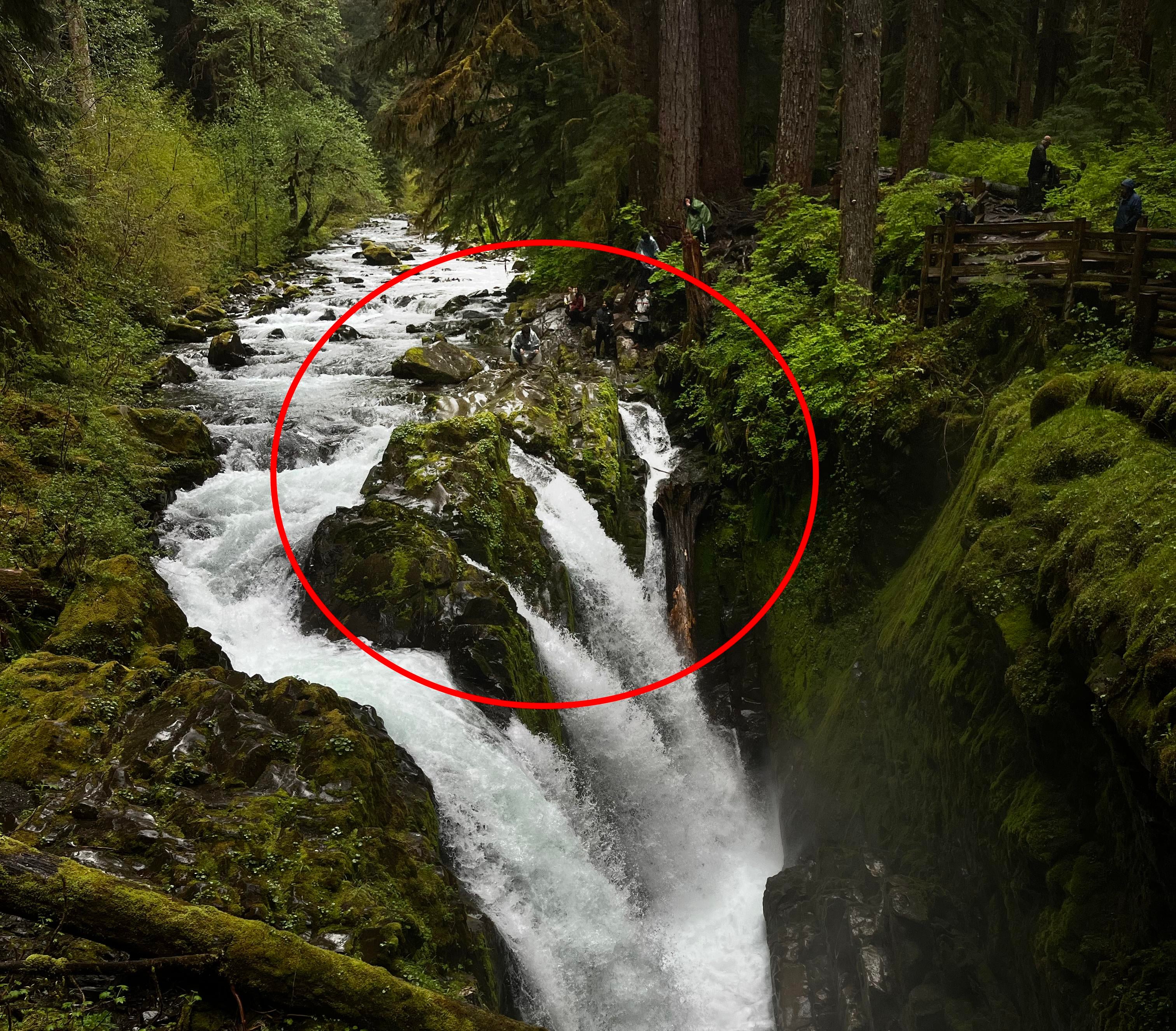
Sol Duc Falls is the quintessential Olympic Peninsula experience, defined by a dramatic, multi-channeled drop into a narrow, moss-covered canyon. The hike is an easy-to-moderate 1.6-mile roundtrip, making it accessible for most hikers.
The trail begins near the Sol Duc Campground, winding through an ancient, old-growth forest that feels perpetually damp and vibrant. For those looking to extend the adventure, the area offers extensive backcountry options; just remember that if you plan to stay overnight, you must secure a wilderness permit via the Wilderness Information Center in Port Angeles, especially between May 1st and September 30th.
I recommend arriving early in the morning to beat the crowds that congregate at the iconic wooden footbridge.
While in the area, keep an eye out for Merriman Falls. It is a more secluded, roadside-accessible gem that offers a high-reward, low-effort stop for those who prefer to spend their energy on longer treks elsewhere.
Olympic National Park requires a $30 entrance fee per vehicle, though an Annual Park Pass is the smarter financial choice if you plan to visit more than once in a year.
Comet Falls and Bloucher Falls (Mount Rainier National Park)
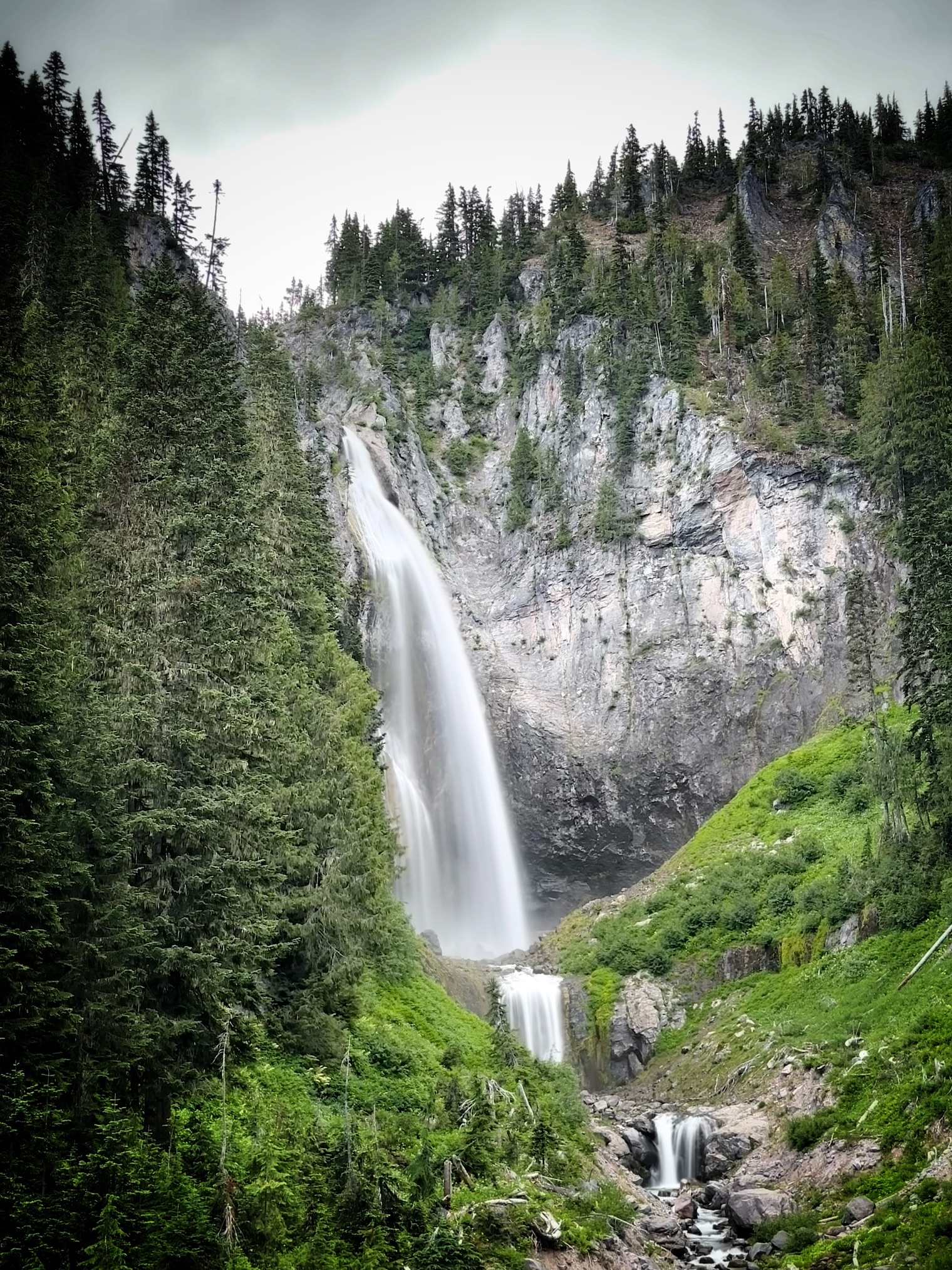
The hike to Comet Falls is a serious, 3.8-mile roundtrip climb that delivers far more than a single waterfall. You are essentially hiking alongside the roaring Van Trump Creek, traversing hand-made ladders and talus slopes before reaching the three-tiered Bloucher Falls.
The final payoff, Comet Falls, is a staggering 300-foot plunge that looks exactly like a blazing comet tail during peak water flow. This trail is best for hikers who want a rigorous workout that rewards them with both high-alpine scenery and intimate forest details.
Skip this one if you are looking for a flat, leisurely stroll; the elevation gain is significant and requires sturdy footwear.
Pro Tip: Mount Rainier is notorious for its rapidly changing weather. Even on a clear day at the trailhead, the temperature near the falls can drop significantly due to the mist and elevation.
Always pack a waterproof shell, regardless of the forecast. For the most convenient access to the trailhead, look for lodging in the Longmire or Ashford areas, which serve as the primary gateways to the park’s southern entrance.
| Waterfall | Difficulty | Distance (RT) | Best For |
|---|---|---|---|
| Sol Duc Falls | Easy-Moderate | 1.6 miles | Families and casual hikers |
| Comet Falls | Moderate-Strenuous | 3.8 miles | Hikers seeking a full-day challenge |
Final Decision Factors: If you are prioritizing ease of access and classic, lush scenery, Sol Duc Falls is the clear winner. If you want a challenging, high-intensity hike that showcases the raw power of Mount Rainier’s glacial runoff, Comet Falls is the superior choice.
Always check the official National Park Service website for current trail closures or road conditions before heading out, as winter snowpack often dictates accessibility well into the summer months.
Best Hidden Gems and Roadside Waterfalls in Southwest and Eastern Washington
Venturing beyond the popular Columbia River Gorge corridor rewards travelers with dramatic, high-volume cascades that see a fraction of the foot traffic. Whether you are seeking a secluded forest sanctuary or a high-desert spectacle, these Washington sites offer some of the most impressive water features in the Pacific Northwest.
Panther Creek Falls (Gifford Pinchot National Forest)
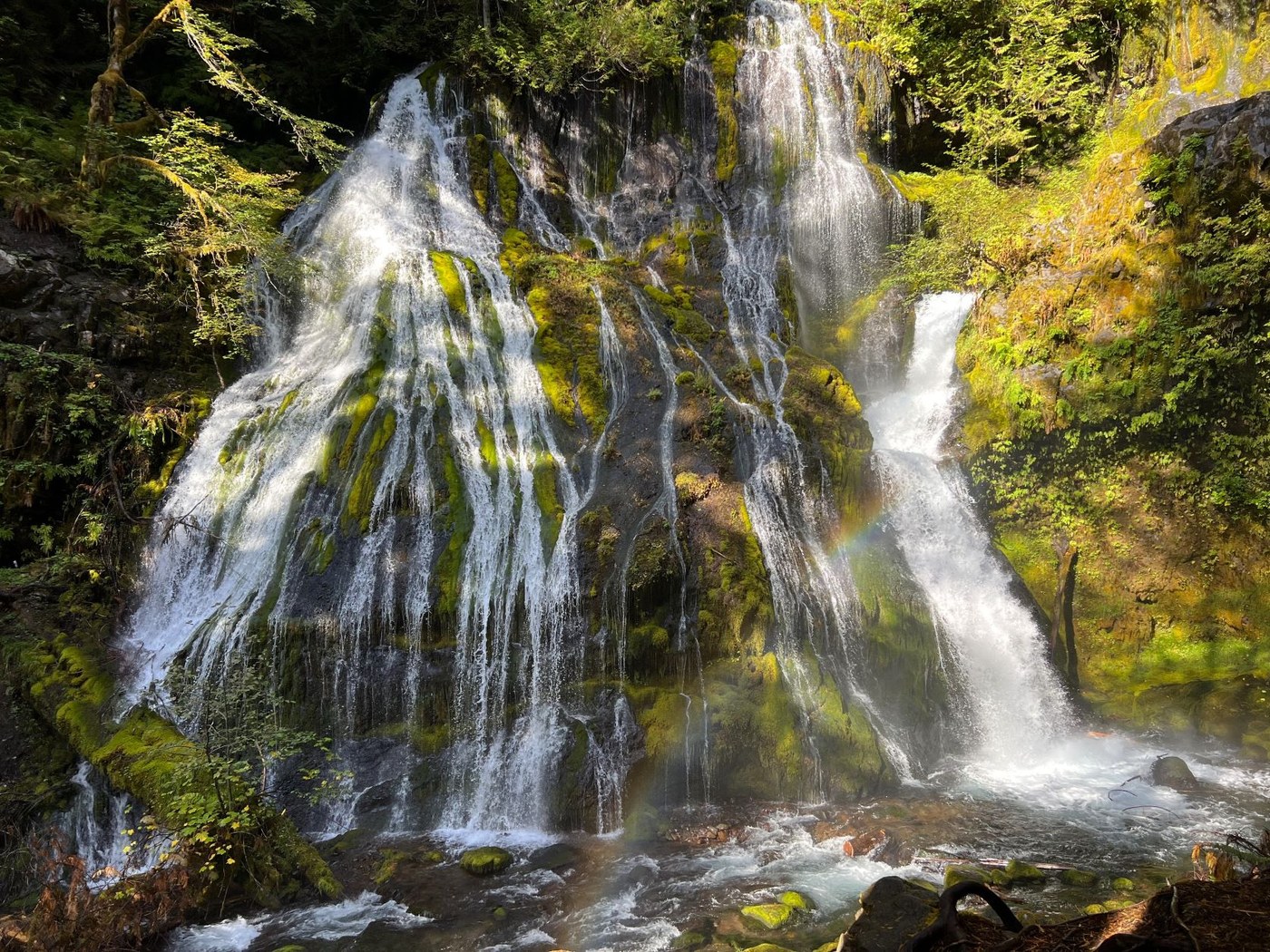
Panther Creek Falls is the quintessential hidden gem for photographers and those who prefer solitude over paved, crowded viewpoints. Located deep within the Gifford Pinchot National Forest, this multi-tiered, milky-white waterfall cascades over moss-covered basalt in a way that feels entirely untouched.
I recommend this spot for travelers who are comfortable with a short, slightly steep scramble to reach the lower viewing area, where the scale of the falls truly comes into focus. Skip this if you are looking for ADA-accessible paths or high-traffic amenities, as the area is rugged and remote.
Pro Tip: The road to the trailhead can be rough; a vehicle with moderate clearance is helpful. Plan your visit for early morning to capture the soft, diffused light hitting the falls before the sun peaks over the canyon walls.
Palouse Falls State Park
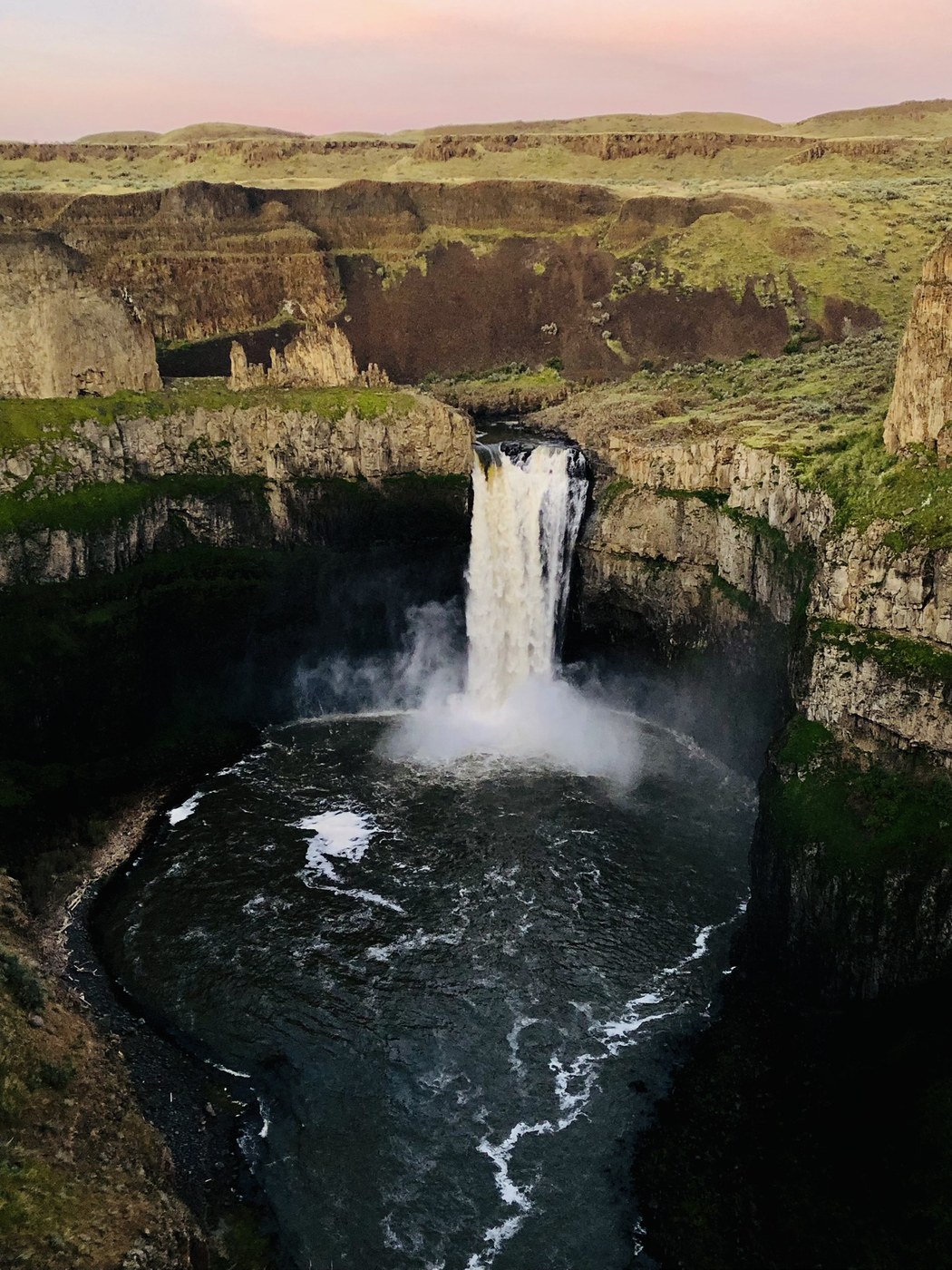
Palouse Falls is an absolute must-see for anyone traveling through Eastern Washington, as it is one of the few places where you can witness a massive, 200-foot waterfall carving through a stark, high-desert canyon. It is best for those who want a high-impact visual reward with minimal hiking effort, as the main viewpoint is just a short walk from the parking area.
Skip the temptation to hike beyond the marked fences; the basalt cliffs are unstable, and the park strictly enforces safety boundaries.
Pro Tip: Bring a wide-angle lens and plenty of water, as the Eastern Washington sun is intense and there is little shade at the rim. For the best overnight access, base yourself in nearby towns like Walla Walla or Dayton, which offer comfortable inns and dining options for a multi-day road trip through the Palouse region.
Silver Star Mountain Roadside Falls
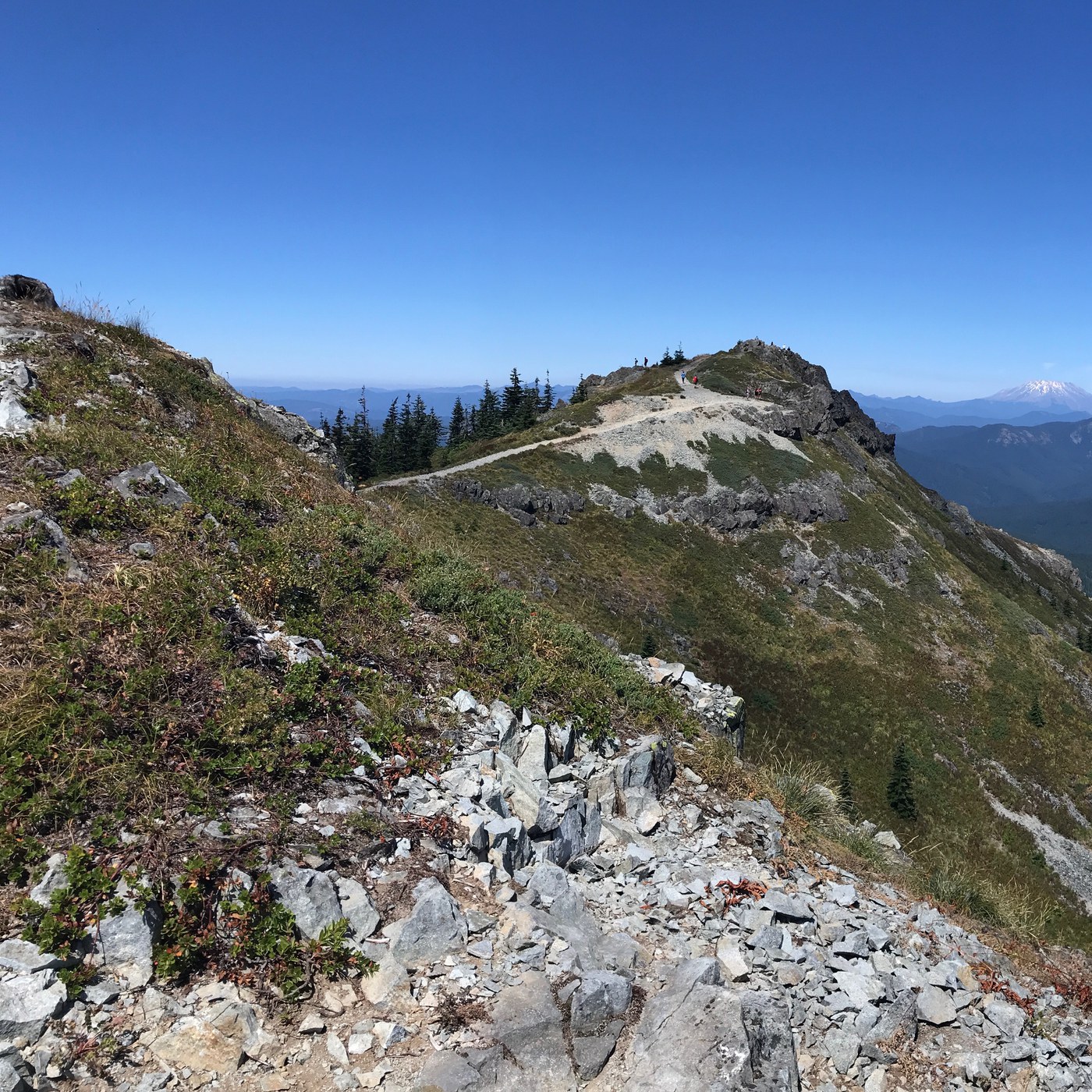
The journey to the Silver Star Mountain trailhead is just as memorable as the summit, featuring several unnamed but beautiful roadside waterfalls that appear during the spring snowmelt. This area is perfect for road-trippers who enjoy spontaneous stops and scenic mountain drives in Southern Washington.
I prefer this route for the “discovery” aspect; it is not a destination for those who need a singular, famous waterfall, but rather for those who appreciate the quiet beauty of the Cascades.
Pro Tip: Check road conditions before heading out, as the access road is unpaved and can be treacherous after heavy rain or late-season snow. If you are planning an overnight stay, look for cabin rentals or campgrounds near the town of Yacolt to stay close to the trailhead for an early morning start.
| Waterfall | Best For | Access Difficulty | Primary Draw |
|---|---|---|---|
| Panther Creek | Photographers | Moderate (steep) | Seclusion and tiers |
| Palouse Falls | Sightseers | Easy (paved/gravel) | Dramatic canyon scale |
| Silver Star Falls | Road-trippers | Easy (roadside) | Spontaneous scenery |
Summary: For the most rewarding experience, prioritize Panther Creek if you want a quiet, intimate forest hike, or head to Palouse Falls if you want to see one of the most iconic geological features in the state. Always verify regional forest road status before departure, as seasonal closures are common in these remote areas.
Frequently Asked Questions
Do I need a permit or pass for waterfall hikes in the Pacific Northwest?
Most popular waterfall trails in the Pacific Northwest require a recreation pass, but the specific type depends entirely on the land management agency. For trails within the Columbia River Gorge or Mount Hood National Forest, you will frequently need a Northwest Forest Pass or a Day Pass ($5 per vehicle).
Some high-traffic trailheads also require a Discover Pass if you are visiting Washington State Parks.
Always check the specific trailhead signage before you leave your car. Many locations, such as those in the Mt.
Hood Wilderness, utilize self-pay stations where you must have exact cash on hand to fill out a permit envelope. I recommend keeping a stash of small bills and a dedicated pen in your glove box to avoid being turned away or fined.
Are Pacific Northwest waterfall trails open and safe in the winter?
While many lower-elevation trails remain accessible year-round, winter in the Pacific Northwest introduces significant hazards including ice, snow-covered paths, and an increased risk of landslides. Trails in higher elevations, such as those near Mount Rainier, often become impassable without specialized gear like micro-spikes or snowshoes.
Furthermore, seasonal road closures frequently cut off access to popular trailheads entirely.
I advise checking the official U.S. Forest Service or National Park Service website for your specific destination no more than 24 hours before you depart.
Even if a trail is technically “open,” heavy rainfall can make steep sections dangerously slick or prone to rockfall. If you are not an experienced winter hiker, stick to paved or well-maintained paths near urban centers during the colder months.
Which PNW waterfall hikes are best for families and kids?
The best waterfall hikes for families are those with high reward-to-effort ratios and well-defined, maintained trails that don’t require technical scrambling. Trails like those found in Silver Falls State Park are excellent because they offer multiple viewing points, allowing you to turn back early if little legs get tired.
The path to Dry Creek Falls is another solid choice, as it provides a classic Pacific Northwest forest experience without excessive elevation gain.
For families, I recommend prioritizing trails that feature wide, clear paths and avoid areas with exposed cliff edges or steep, rocky terrain. Always pack extra layers, as the mist from the falls can make temperatures drop rapidly, even on a sunny day.
If you are planning a trip with children, aim for weekday mornings; the reduced foot traffic makes for a much more relaxed experience and ensures you can secure parking at the trailhead.
How to Plan Your Perfect Waterfall Adventure
Start by booking a cozy cabin basecamp in Cascade Locks or near Mount Rainier to ensure you can reach the trailheads before the 8:00 AM crowds arrive. Don’t forget to purchase your Northwest Forest Pass online ahead of time so you are ready to hit the trail immediately.
There is nothing quite like the raw, grounding power of standing in the mist of an ancient Pacific Northwest canyon.
Grab your waterproof boots, pack your camera, and head out to experience these thundering falls for yourself.
Leave a Reply