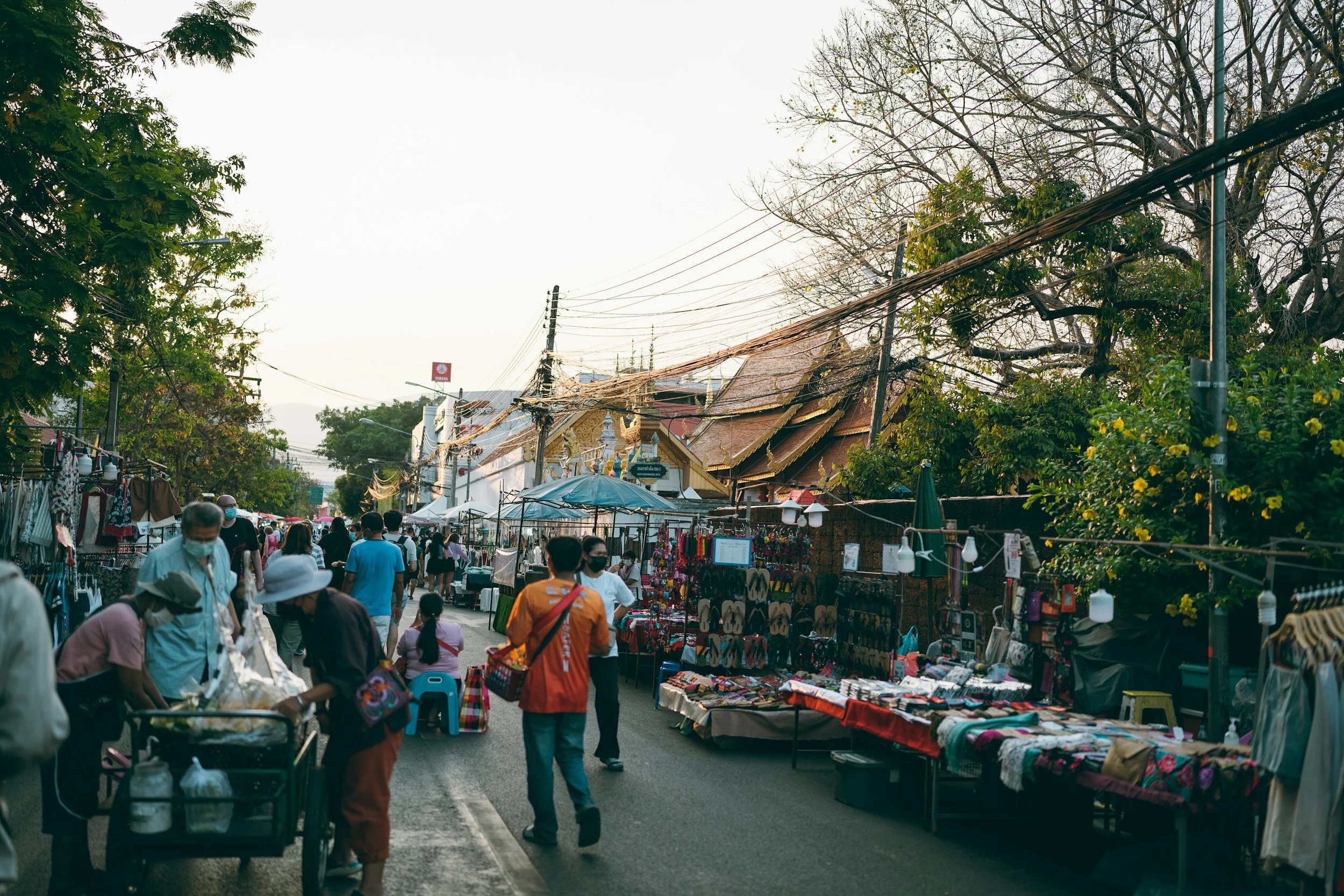
At six in the morning on the temple terrace above Chiang Mai, my fingers were cold enough that I kept them buried in my sleeves while the city lights flickered out below. By two that afternoon I was wiping dust off my ankles in the Old City with the sun bouncing off white walls hot enough to feel through my shirt.
Then the temperature dropped again the second the sun went down, and I reached for the same layer I’d worn at dawn.
That single-day swing is what makes packing for northern Thailand in January different from any other trip you’ve taken in the region — this is not a beach-bag destination, and a suitcase built for the islands will leave you cold at sunrise and turned away at a temple gate by lunch.
It demands one warm layer you like wearing, clothes that cover your knees and shoulders, and sun protection you’ll actually reapply — nothing more exotic than that.
Here’s exactly what earns a place in your bag, what you should leave at home, and how to decide each category in under a minute.
Expect to spend roughly $60–100 if you’re mostly repacking what you already own, $150–250 to build the layering core and sun kit from scratch, and $400 or more if you want technical gear that will outlast this trip.
The Short Version: What Actually Goes in the Bag
If you read nothing else, pack from this list and you’ll be right on nearly every day of the trip.
- Warm layer: A fleece if Doi Inthanon, Pai or trekking is on the route — it’s the best warmth-per-gram and the only thing standing between you and a genuinely cold sunrise.
- Temple outfit: A long dress plus one opaque scarf — the dress covers knees and neckline, the scarf converts it to full coverage in four seconds.
- Daytime bottoms: One pair of neutral knee-covering pants plus flowy pants or a long skirt — linen beats every other fabric here.
- Footwear: Two pairs maximum — supportive sandals or lightweight sneakers for city days, and cheap flip-flops for wet guesthouse showers.
- Sun and dry-air kit: Face sunscreen and SPF lip balm from home — the formulas you trust cost more and stock is spotty outside big-city pharmacies.
- Day bag essentials: A power bank, an A/B/C travel adapter, and a small first-aid kit with blister cushions — the three items that quietly save the day.
Everything else on the list is a duplicate you won’t reach for. Northern Thailand has laundry shops in every town, so pack for three days of wear and one wash.
What Does January in Northern Thailand Actually Feel Like?
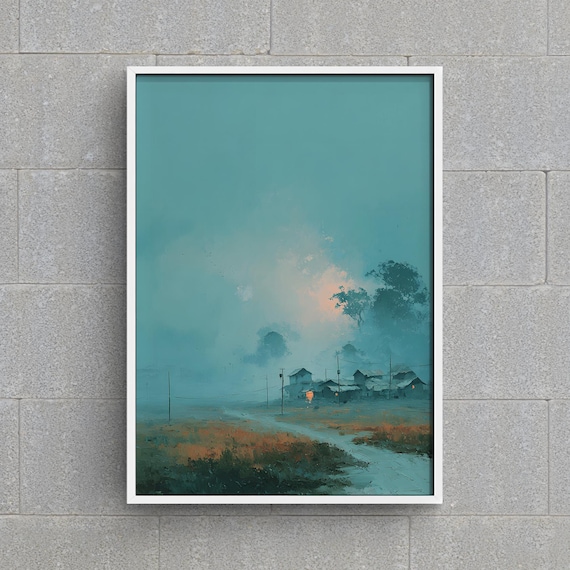
Valley fog sits over the Ping River and the rice paddies outside Chiang Mai most January mornings, then burns off by mid-morning into dry, hard-edged sun. That daily sequence — mist, heat, quick evening chill — is the real January forecast for the north, and it shapes what you pack far more than any weekly average does.
The Cool-Dry Season, Not a Single Forecast
January is the heart of northern Thailand’s cool, dry season: clear skies, rare rain, and air that stays dry for weeks at a time. Plan around the pattern rather than a single number, because a sunrise temple walk and a late café stop can feel like different seasons on the same day.
- What holds steady: dry, sunny days. You can commit to outdoor mornings and long walks without hedging.
- What moves daily: how cool the night gets and how aggressive the midday sun feels.
- What changes the plan: the occasional rain band or cold snap — rare, but real enough to check for.
The habit worth keeping: open the forecast for Chiang Mai, Chiang Rai and Pai three to five days before you fly. January is predictable enough that anything unusual shows up clearly in that window, and it’s early enough to change what goes in the bag rather than what you regret carrying.
Why the Day Swings More Than the Week Does
The biggest temperature gap in January is not Monday versus Friday. It’s 2 p.m. versus 10 p.m. Midday sits in summer territory under direct sun, while pre-dawn and post-sunset hours are cool and damp enough that you’ll notice.
Pack as if each day contains two climates, because it does.
- Early morning: misty and cool — the best walking hours and the reason sunrise outings feel cold at the start.
- Late morning to mid-afternoon: the hottest, brightest stretch, with the sun doing real work even though the season is “cool.”
- Late afternoon: warmth fades slowly, and dust haze softens the light.
- After sunset: the temperature drops fast and keeps falling toward dawn, the coolest point of the cycle.
Dry Air, Dust and Misty Mornings
The contrast with the wet months is what first-timers underestimate. From roughly June through October, rain scrubs the air clean and the hills are green and damp.
In January everything has dried out: dust hangs over rural roads and open fields by afternoon, and the low humidity pulls moisture from skin, lips and sinuses from the first day.
Mist is a morning-only event in the valley basins around Chiang Mai, Chiang Rai and Pai. It’s why sunrise viewpoints look the way they do in photos — and why an early start feels genuinely cold in a way the afternoon will not prepare you for.
It’s gone by mid-morning, so don’t let a grey 7 a.m. window fool you into under-packing for the day.
The Three-Layer System That Handles a Whole Day
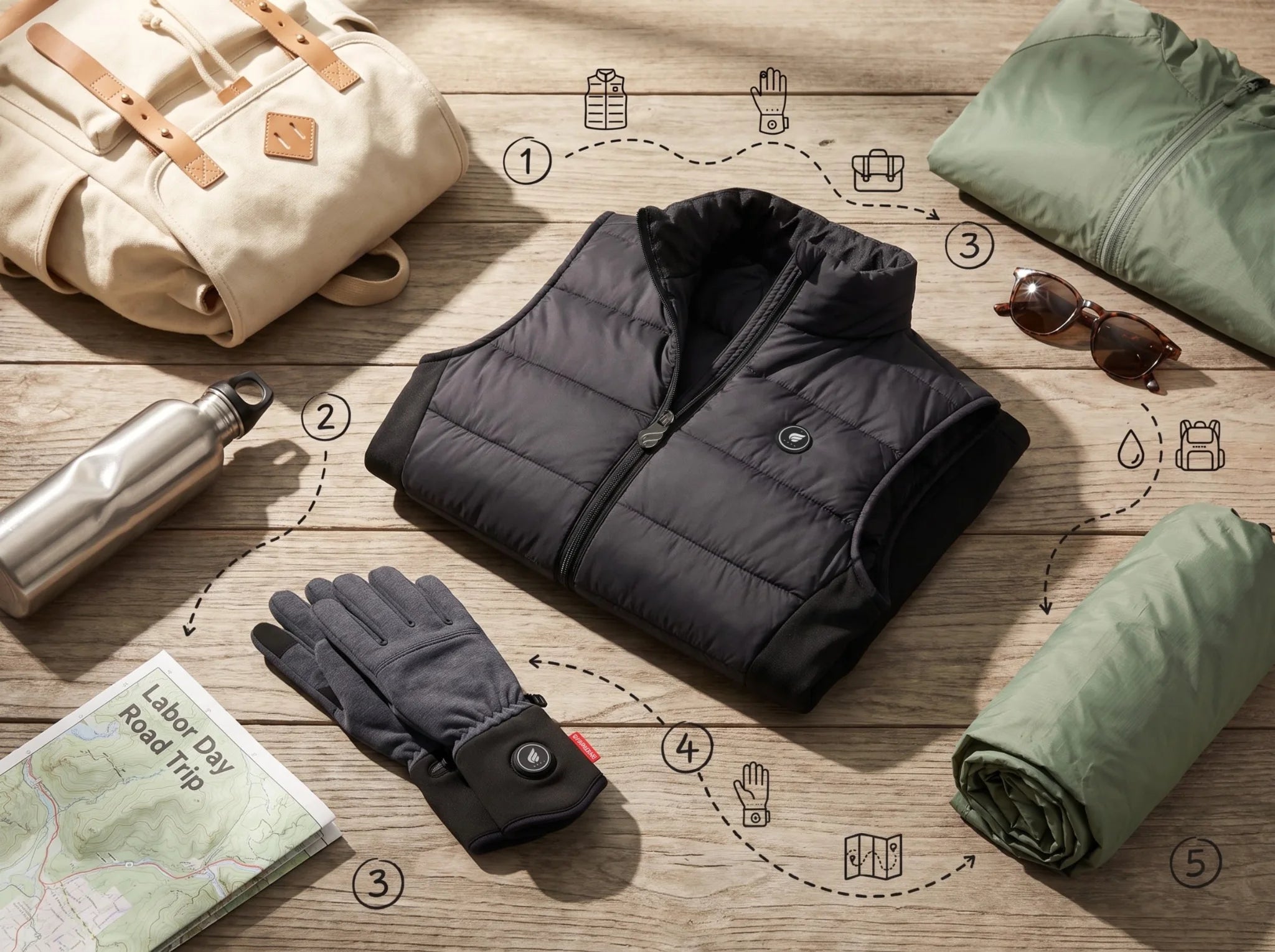
A warm layer you actually like wearing is the highest-value item in this entire packing list — because the layering system only works when that layer comes along instead of staying buried in your suitcase. Build the rest around it and a single January day from cold sunrise to hot midday needs no repacking.
Base Layer: Breathable and Quick-Drying
The base is the layer that never comes off, so pick it for comfort against skin, not for looks. It manages sweat during long walking hours and keeps you cool when the sun is doing its worst.
- Dry time matters more than softness: a fabric that dries in an hour beats one that stays damp through a café stop.
- Fit: close enough to wick, loose enough that a mid-layer slides over it without bunching.
- Test it at home: if it feels clammy after a workout, it will feel worse on a dusty temple afternoon.
- Wear it twice: the base earns repeat wears only if it dries fast and resists odor — that’s what keeps the bag light.
Mid Layer: The One You Actually Re-Wear
This is the piece you put on at breakfast, take off by late morning, and put on again for dinner. It handles cool starts and cold indoor air conditioning, and it should be the single warm layer you genuinely enjoy wearing — if you don’t like it, you won’t reach for it, and the system collapses.
My judgment: choose the layer based on how it feels over your base with a daypack on. Anything that rides up, restricts your arms, or needs constant adjustment will end up in the hotel drawer by day two. One layer you like beats a stack you tolerate.
Outer Layer: What You Shed by Midday
The outer layer is pure flexibility — the shell or cover that goes on for the coldest stretch and comes off once the day warms. Treat it as something you carry, not something you wear all day.
- Keep it in the day bag, not the suitcase: if it only exists in the room, you’ll be cold and improvising.
- Stash it in the lid or outer pocket: the fastest layer to shed should be the fastest layer to grab.
- Make it packable: if it doesn’t squash small, it will fight you for day-bag space with everything else.
Daytime Clothing for Temples, Cafes and Long Walking Days
By late morning in Chiang Mai’s Old City, the sun is bouncing off white temple walls while dry-season dust settles on your ankles — and January’s cool, rainless air means that dust stays put until the next storm. The clothes that survive that day are the ones that breathe, cover the knee when a temple guard checks, and are dry on the hanger by breakfast.
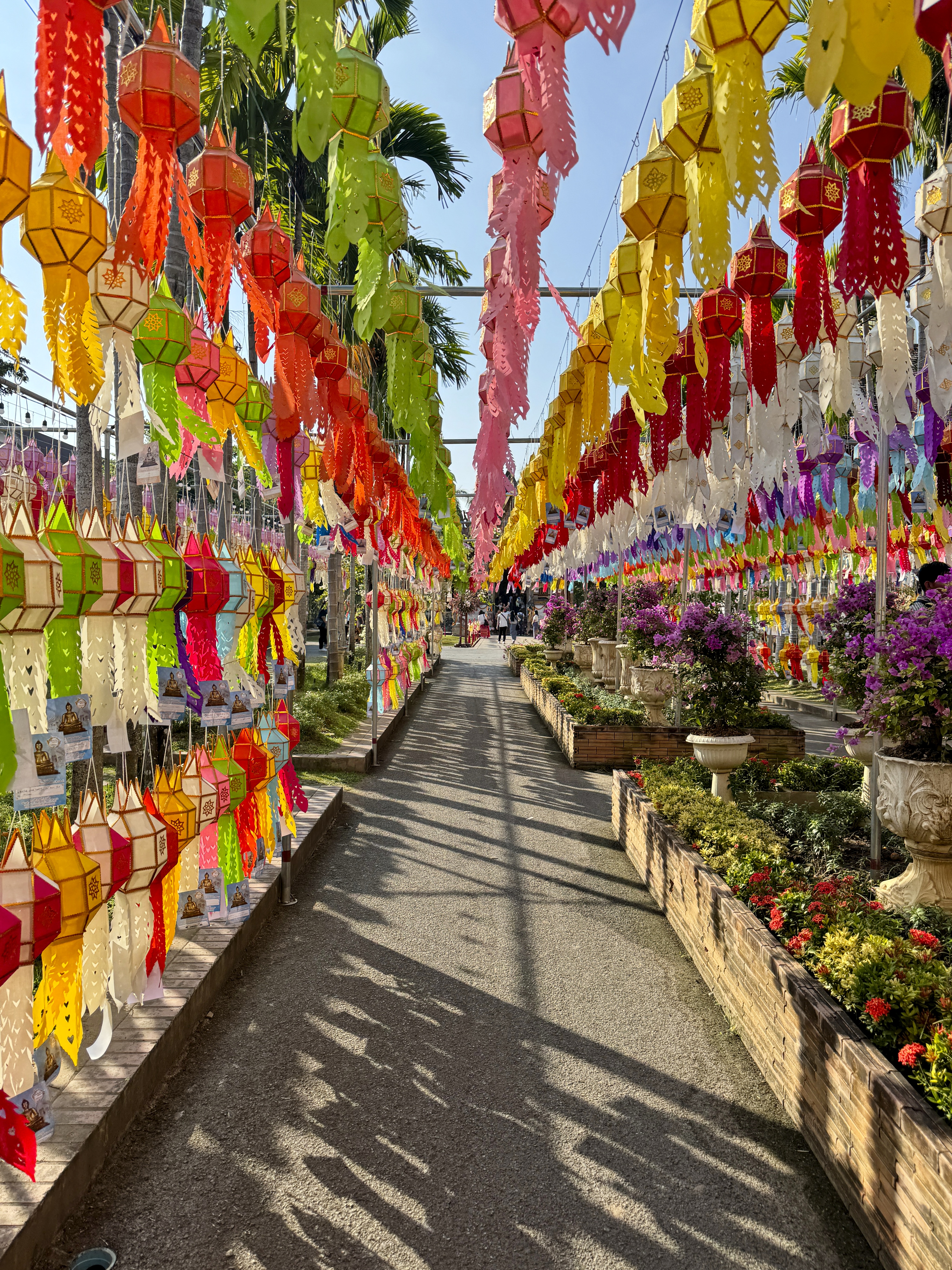
Breathable Fabrics That Dry Overnight
Pack for the test that actually matters — does the fabric breathe and dry fast, not does it look like “travel gear.” This is what I would build the daytime wardrobe from:
- Linen: the single best daytime fabric here. It moves air, dries quickly on a hotel hanger, and looks fine in a Nimman café after a full day of walking.
- Thin cotton blends: ideal for tops — soft against skin in humidity, and a cotton-synthetic mix dries far faster than pure cotton.
- Wicking activewear: worth packing for anything involving steps, hills or a long walk between sights, because it pulls sweat off instead of holding it.
- Heavy cotton and denim: the failure case. Both trap sweat, take hours to dry overnight, and get heavy and saggy by afternoon — save the denim for home.
Keep colors light. Pale neutrals and off-whites reflect the midday heat instead of absorbing it, and light khaki dust shows far less on a cream trouser than it does on black.
Bottoms That Cover the Knee
Knee-covering bottoms do double duty in the north: they get you through a temple gate without a rental wrap and stay comfortable on a full walking day in the Old City.
- Lightweight chinos: the smart pick if your days mix temples, cafés and a dinner out — they read tidy and still breathe.
- Flowy pants: my default for heat. Maximum airflow, no cling, and they pack down to nothing.
- Long skirt: best for anyone who runs hot; it is the coolest option that still passes at every temple entrance.
- Shorts: fine for non-temple time — boat days, markets, guesthouse lounging — but they lock you out of most temple stops.
Pack one pair of neutral bottoms — olive, khaki or black — and repeat it all trip. It photographs well, hides dust, and pairs with every top you brought.
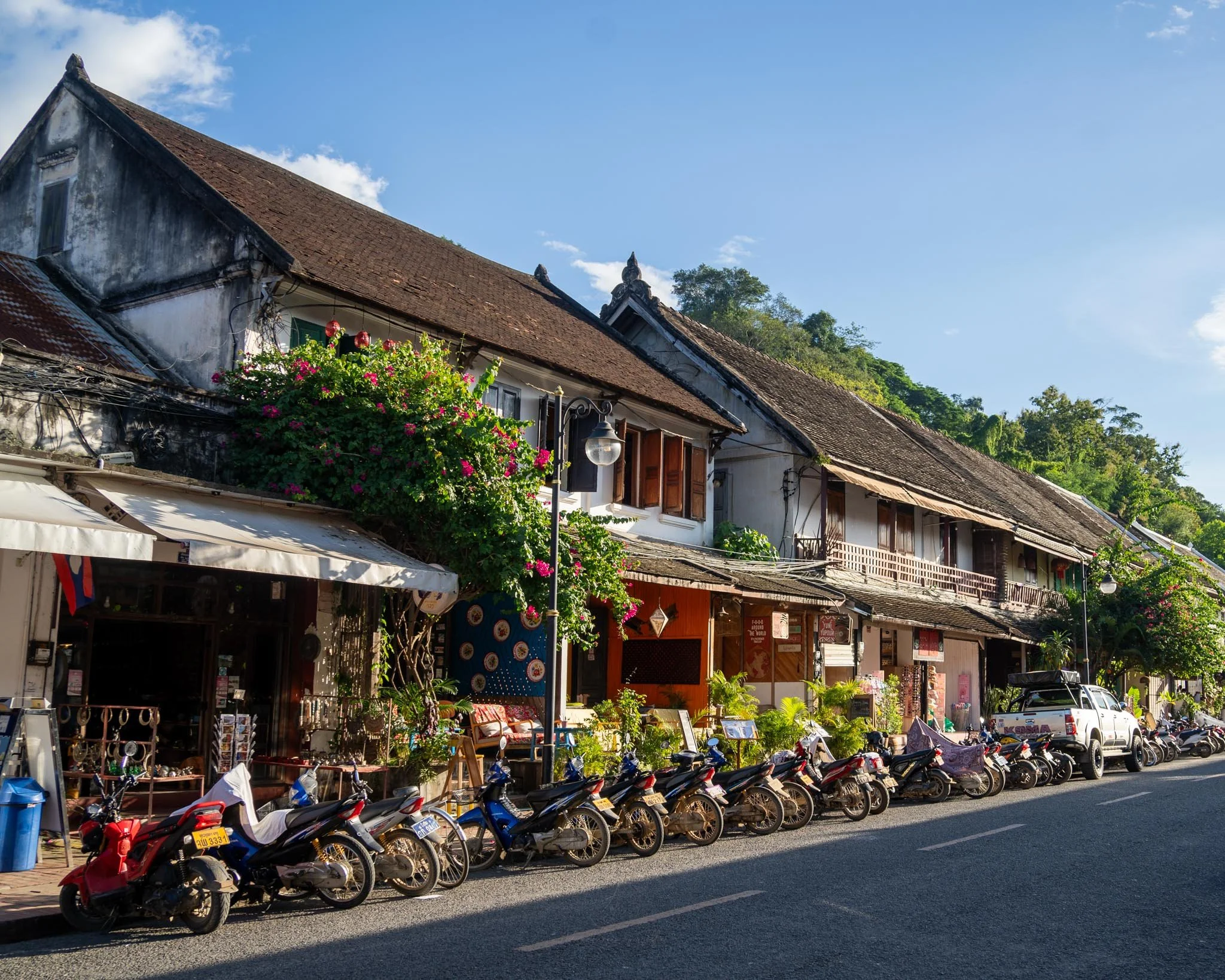
What Casual Evenings Out Still Require
Almost nothing. Northern Thailand’s evening dress code is genuinely laid-back: no formal wear is expected at restaurants, bars or rooftop spots in Nimman or the Old City, and you will not be underdressed in the same trousers you wore that afternoon.
The only move worth making is choosing a darker neutral for dinner. Light colors hide dry-season dust brilliantly by day, but a khao soi or curry splash does not come out in the sink — a navy or charcoal bottom survives a spill you would notice all week on cream.
Do You Need a Jacket in Northern Thailand in January?

The place you will question every packing decision is the sunrise terrace at Doi Suthep, standing still in the dark before the city lights fade. Northern Thailand in January is a warm-weather destination that hides genuine cold in a handful of specific places — and yes, a jacket earns its bag space.
One Warm Layer Beats Three You Tolerate
Pick a single warm layer you actually like wearing, because you will reach for it every pre-dawn departure and every over-air-conditioned café. Three options, and my ranking is clear:
- Fleece: Warmest per gram and the pick if Doi Inthanon, Pai or any trekking is on your route. Slightly bulky in a daypack.
- Sweatshirt: Fine for city-only trips and evening dinners in Nimman. Fails on weight-to-warmth if you head for the peaks.
- Light jacket: Best if it is wind-resistant and packable — it doubles as the shell over a thin layer on a motorbike ride.
Take a thin second layer instead of one thick one. A thin base plus a fleece handles a cold summit morning and still folds small by 9 a.m., while one heavy layer either bakes you or leaves you stuck with it in your hands all day.
Where the Cold Actually Bites
Lowland Chiang Mai is the mild case. The cold is concentrated in these spots:
- Doi Suthep at sunrise: Still air plus altitude plus standing around waiting makes this the chilliest hour of a Chiang Mai day.
- Doi Inthanon: Thailand’s highest mountain, and the summit area is reliably the coldest place in the country — treat it as a different climate from the city.
- Pai mountain lodges: Open-air decks and valley-edge bungalows lose heat fast after sunset.
- Air conditioning: Café, mall, minibus and airport A/C is set aggressively, and this is where most travelers actually need the layer — not the outdoors.
Insider detail: the van or bus ride to Doi Inthanon and Pai runs cold before you ever reach the cold air — pack the warm layer at the top of your day bag, not buried under everything else.
If You Run Hot or Cold
- Run cold: Choose the fleece, keep a scarf accessible, and put the layer on before the sunset rather than after you are already chilled.
- Run hot: A light jacket you can tie around your waist handles the A/C problem without overheating you on climbs.
What to Wear to Northern Thai Temples
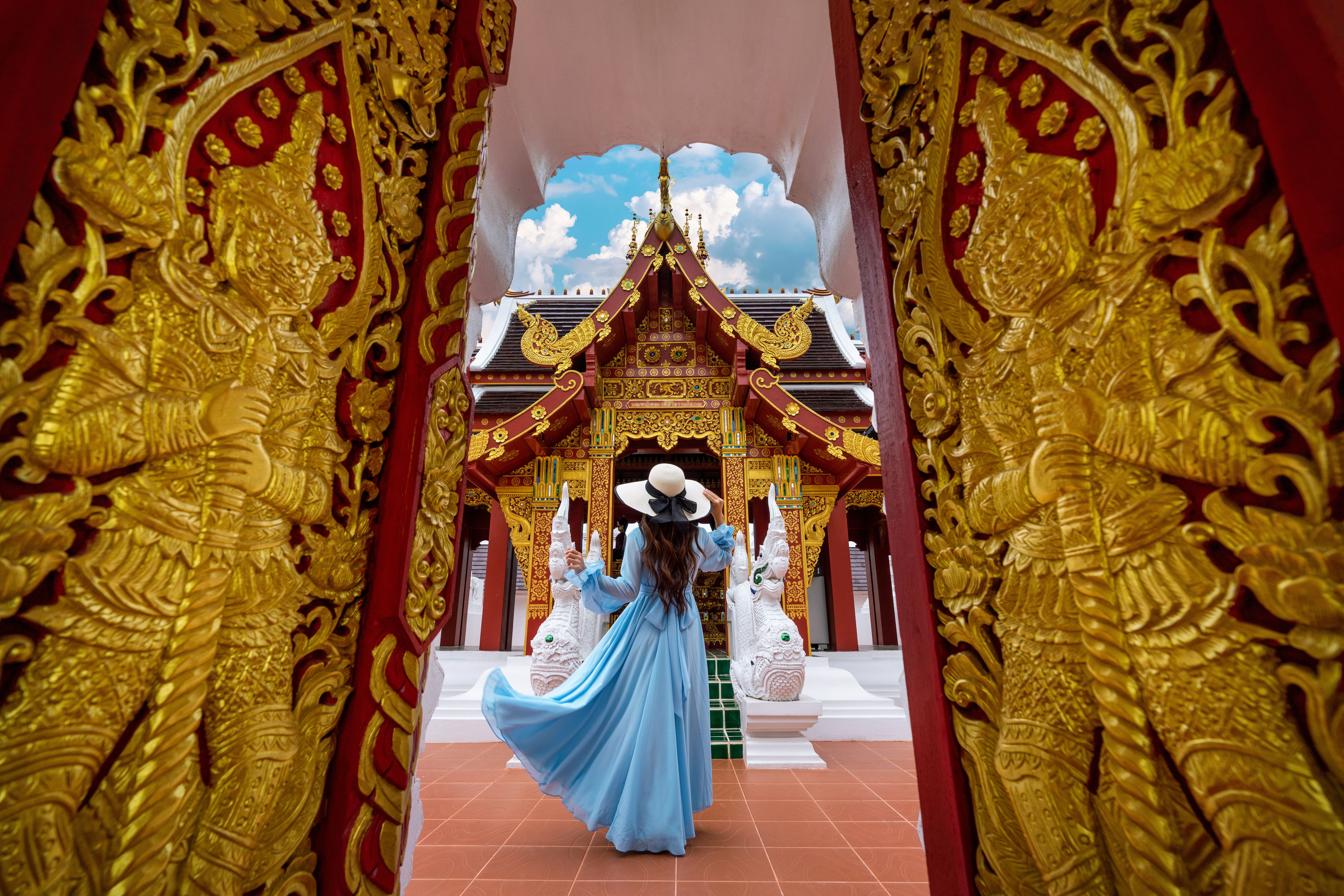
At Chiang Mai’s old-city temples, the person turned away at the gate is almost always the one in a tank top or above-the-knee shorts — not the one who is too hot. Cover the right four areas and you walk straight in; miss one and you are negotiating with staff at the entrance while everyone files past you.
The Coverage Rule That Matters
Thai temples are active places of worship, not museums, and the standard is modest dress rather than “tourist casual.” Plan every temple outfit around four non-negotiables:
- Knees: covered when standing and when sitting cross-legged on the floor.
- Shoulders: covered — straps and sleeveless tops fail here even if the rest is modest.
- Midriff: covered, including when you bend, crouch or raise your arms to take a photo.
- Cleavage and neckline: covered. A high neckline is the single easiest fix in your bag.
My judgment: build the temple outfit from the knee-covering pieces already on your list, then solve the top half with a wrap rather than packing a separate “temple shirt.” The long dress plus scarf combination is the strongest single answer — the dress handles knees and neckline, and the scarf converts it into a shoulders-and-midriff-approved outfit in about four seconds. That one pairing beats a dedicated outfit you wear once and carry all day.
One Scarf, Three Jobs
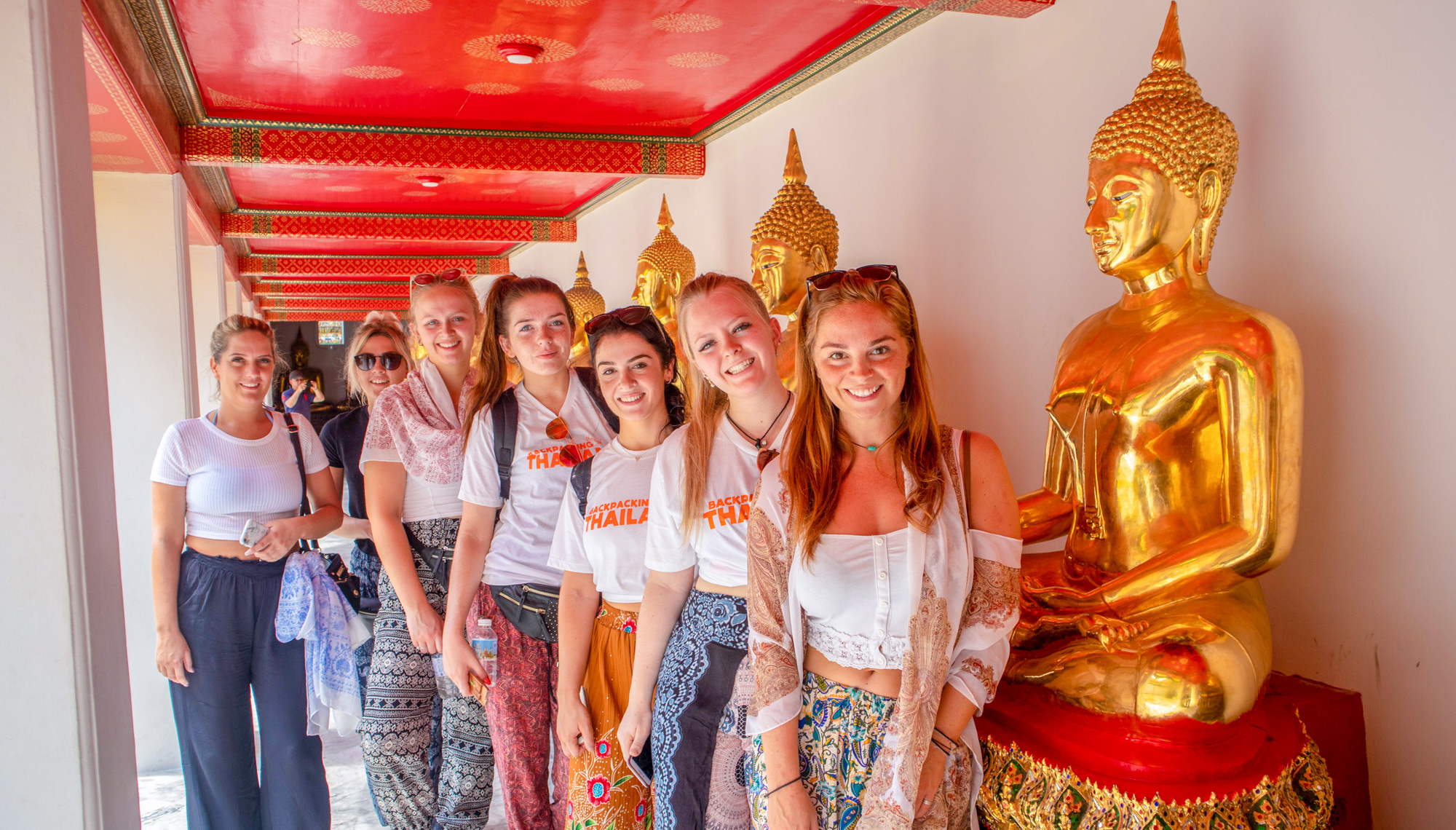
A scarf or wrap earns its bag space because it works in three different configurations, and it also functions as a warm layer on cool temple mornings.
- Shoulders: draped across both and tucked or pinned so it stays put when you raise your arms.
- Midriff: wrapped around the torso and tied at the back or side when a cropped or fitted top exposes skin.
- Waist: tied as an emergency skirt when your shorts or cropped pants fail the knee test.
Choose an opaque wrap. Sheer gauze and thin sarong prints look right in photos and fail at the gate — when fabric goes translucent in strong light, staff will treat it as uncovered. A solid, slightly heavier cotton or pashmina-weight piece passes everywhere and doubles as a shawl on cool evenings.
Temple-by-Temple Variation and Rental Wraps
Rules are enforced unevenly, and the enforcement is stricter at the major old-city temples and at any temple holding a ceremony than at small neighborhood wats where you may see locals in short sleeves. Assume nothing carries over from the last temple you visited.
- Posted signs: read them at every entrance, even when you are certain you are dressed correctly.
- Staff guidance: if a guard asks you to add a layer, comply immediately — this is not a negotiation.
- Rental wraps: larger temples such as Wat Chedi Luang keep wraps at the entrance for a small fee, but supply is not guaranteed, sizing is basically one-size, and the wrap may be shared and well-used. Treat it as your safety net, never your plan.
Insider detail: bring your own wrap even if you plan to rent — the rental rack is often empty by mid-morning, when tour buses arrive and everyone needs the same thing.
Sun, Dust and Dry-Air Protection
Midday light over Northern Thailand in January burns through a clear sky before you feel it — which is why sun protection, not warmth, is the category most travelers under-pack for this trip.
Sunscreen, Hat and Sunglasses
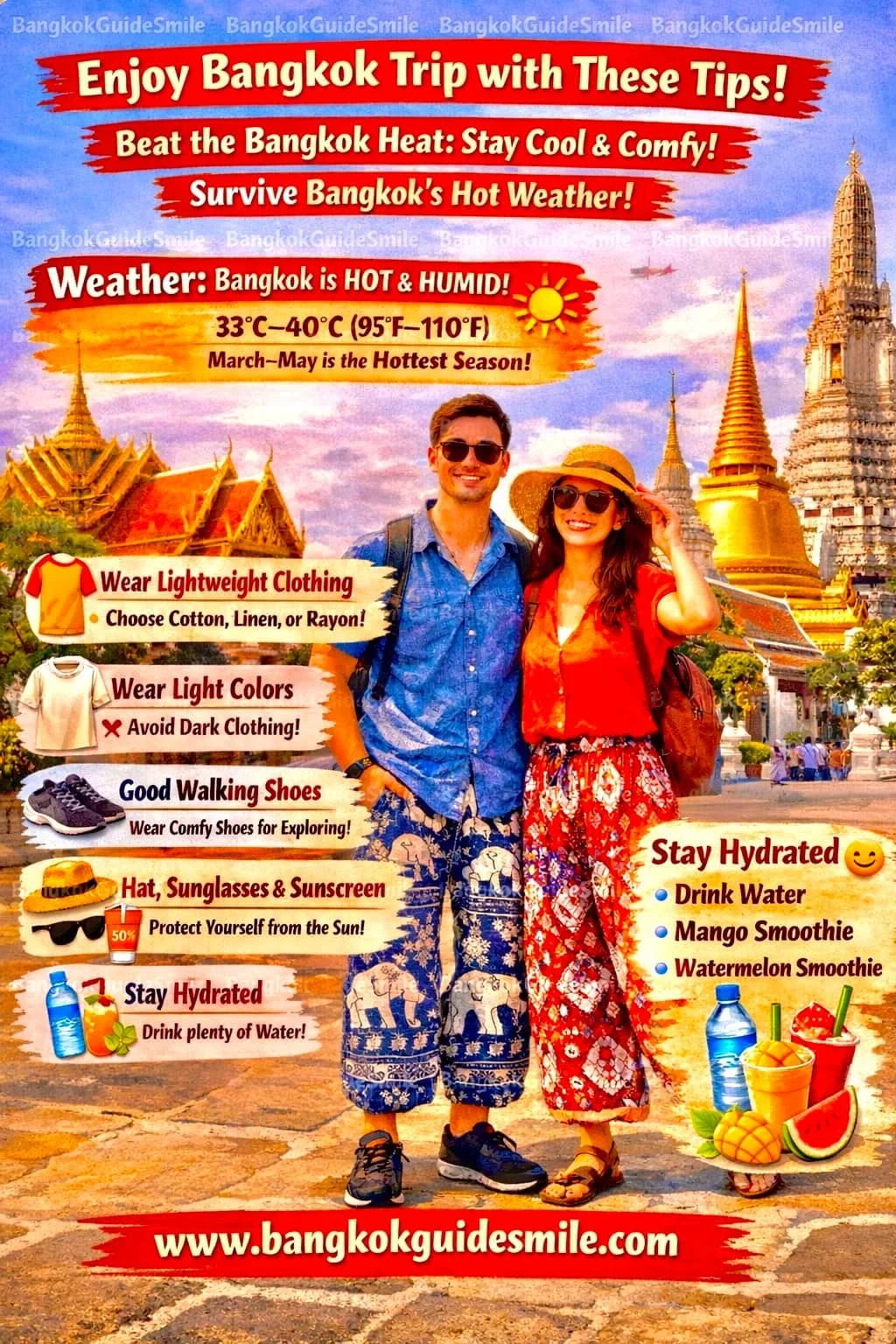
Pack sunscreen from home. Preferred formulas — the ones that do not pill under makeup, sting eyes, or leave a white cast — cost noticeably more in Northern Thailand and stock is spotty outside big-city pharmacies.
That is the single packing decision I would not leave to chance.
- Face sunscreen: Bring the tube you already trust. It is the layer you will reapply mid-afternoon on a temple walk, so texture matters more than the SPF number on the label.
- Body sunscreen: Bring a bigger, cheaper bottle for arms, neck and feet — the skin that gets forgotten and then burned.
- Lip balm with SPF: Non-negotiable. Cracked, sunburnt lips ruin a full day faster than anything else on this list, and SPF lip balm is hard to find in smaller towns.
- Hat: Choose a brim that shades the ears and back of the neck. A cap fixes the forehead and leaves the rest exposed.
- Sunglasses: Pack a pair you can lose without mourning. Boats, motorbikes and long-tail transfers are where good sunglasses disappear.
Reapplication is what actually works. A high SPF number applied once at breakfast does nothing by 2pm. Set a mental rule — reapply at lunch and again before any late-afternoon outing — and you will finish the trip without a burn.
Dry Air and Exposed Skin
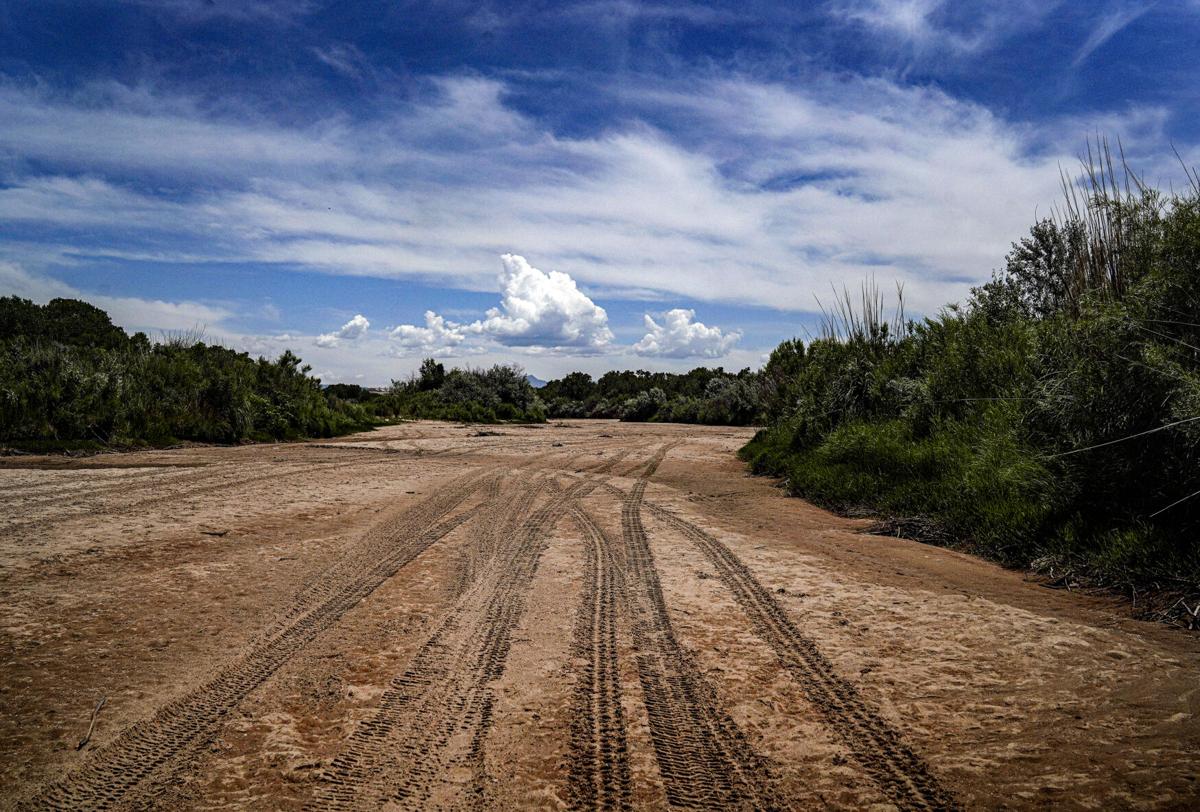
January’s dry air pulls moisture from exposed skin all day, so the answer is coverage as much as cream.
- Long-sleeve or rash shirt: Pack one as your backup for hours in open sun. It beats reapplying sunscreen every hour and dries fast after a hot day.
- Buff or mask: Worth the pocket space on any motorbike day or rural road — dry-season dust is real, and breathing it is the fastest way to end a trip early.
- Cloudy days still burn: Overcast skies do not block UV. Treat a grey morning exactly like a bright one.
Boat Days and Long Hours in Open Sun
Time on the water is the highest-UV exposure most travelers get in the north, because light reflects off the surface and there is nowhere to hide.
- Sunglasses on a strap: Cheap insurance. A dropped pair is gone.
- Rash shirt on, hat on: Both stay on for the full crossing, not just the first hour.
- Reapply before, not after: Wind and spray strip sunscreen faster than walking does. Top up before you board and again when you step off.
Footwear: Sandals, Sneakers or Both?
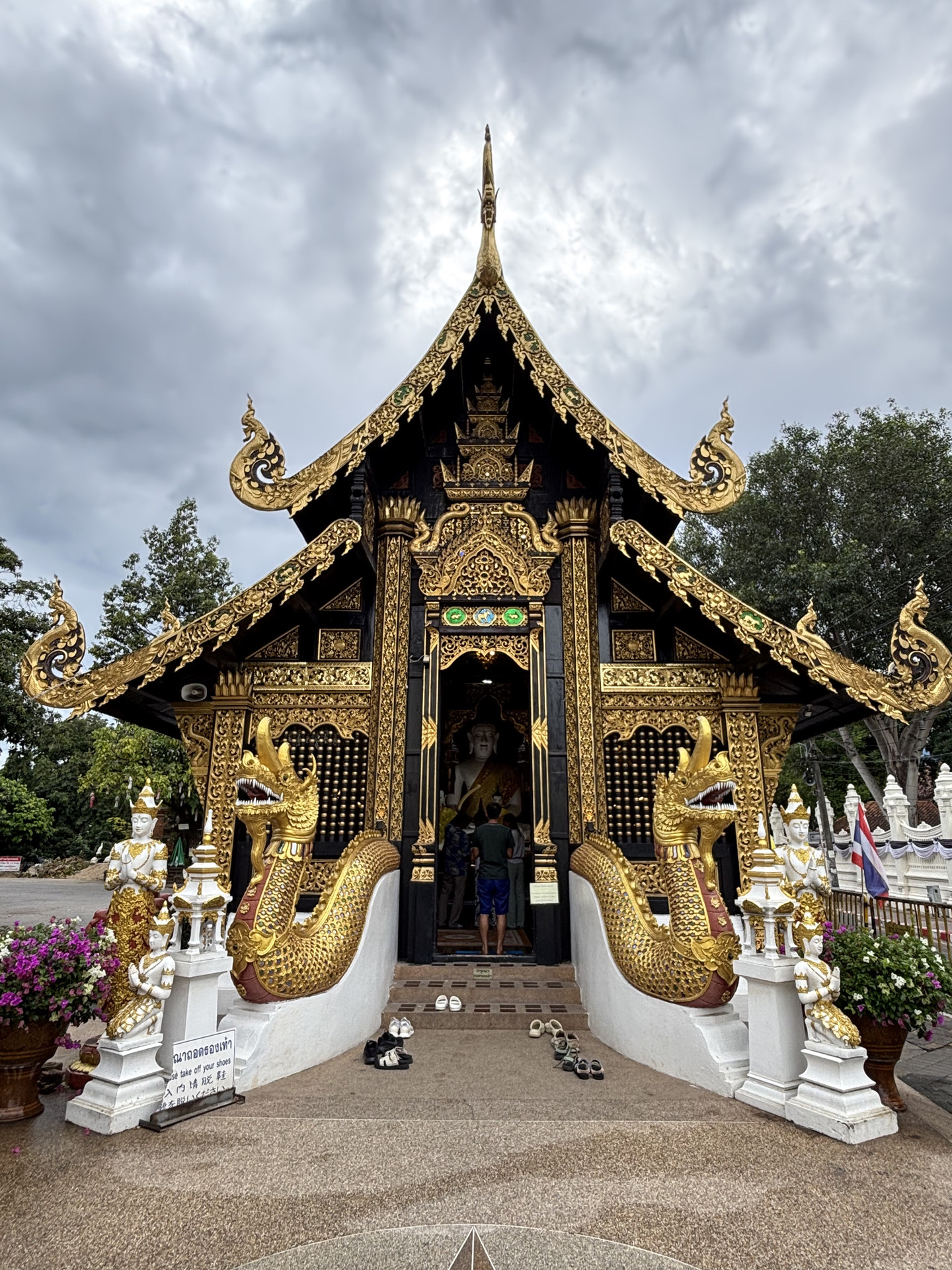
Old City Chiang Mai sidewalks crack, tilt and collect January dust, so the wrong shoe turns a full temple-and-cafe day into a blister problem by 3pm. The fix is not a bigger shoe bag; it is picking each pair for one job and skipping the duplicates.
City Days and Cafe Hopping
For a morning of coffee stops and short hops between Nimman or the Old City, flip-flops or flat sandals are fine and they are what most people wear. The moment your day involves real distance, switch to supportive sandals or lightweight sneakers — cushioned soles handle uneven pavement and cut fatigue noticeably.
- Short walks and casual errands: Flip-flops or flat sandals win on airflow and speed.
- Long walking days: Supportive sandals or lightweight sneakers are worth the bag space.
- Guesthouse showers and hotel pools: Pack a thin, cheap pair of flip-flops. Shared bathrooms and pool decks stay wet, and this is the pair you will not mind soaking.
Slip-On Shoes for Temple Stops
Every temple visit means shoes off at the entrance, and doing that in laced shoes on hot stone gets old fast. Choose footwear that slides on and off in seconds, because you may repeat the ritual several times a day.
Keep the pair identifiable, too. Piles of near-identical sandals stack up at busy temple entrances, so a distinctive strap or color saves you the awkward hunt when you leave.
When to Add a Closed, Grippy Shoe
If a hike or trek is on the itinerary, add closed shoes with grip — slippery limestone, loose dirt and root-covered trails are exactly where sandals fail. For everything else, that third pair is dead weight.
- Doi Inthanon trails or jungle treks: Closed, grippy footwear is non-negotiable.
- Sightseeing-only trips: Skip it and stick with sandals plus sneakers.
- Waterfalls or stream crossings: Grip matters more than waterproofing; quick-drying uppers beat leather.
What Goes in the Day Bag
Your suitcase holds clothes; your day bag decides whether the day goes well. Everything below is what earns its space between a Chiang Mai temple morning, a van to Chiang Rai, and a boat or trek out of Pai — gear that solves a specific problem rather than “just in case” weight.
Water, Bags and Backups for Long Days Out
Tap water in Thailand is not for drinking, but bottled water is everywhere and cheap — expect roughly 10–20 baht for a small bottle at any convenience store, though prices vary by location. I still carry a reusable bottle anyway: it pays for itself by day three, cuts the plastic you haul around, and keeps you drinking on long songthaew and van transfers where stops are unpredictable.
- Reusable bottle: The default choice. Fill at your hotel or a café before you leave; the bottle earns its pocket space on any trip over three days.
- Convenience-store water: Fine as a backup, never the plan. Buy the larger bottle in the morning rather than a stream of small ones.
- Dry bag or zip-seal sacks: Worth it if you’re doing any river, waterfall or boat day. They keep a change of clothes genuinely dry and double as dirty-laundry separation in the bag.
- Ziplock bags: Cheap insurance for wet swimwear, muddy socks and leak-prone toiletries. Bring more than you think.
- Packable travel towel: Skip it unless you’re staying in hostels or hitting waterfalls — most hotels and guesthouses supply towels, and a wet cotton towel in a day bag is dead weight.
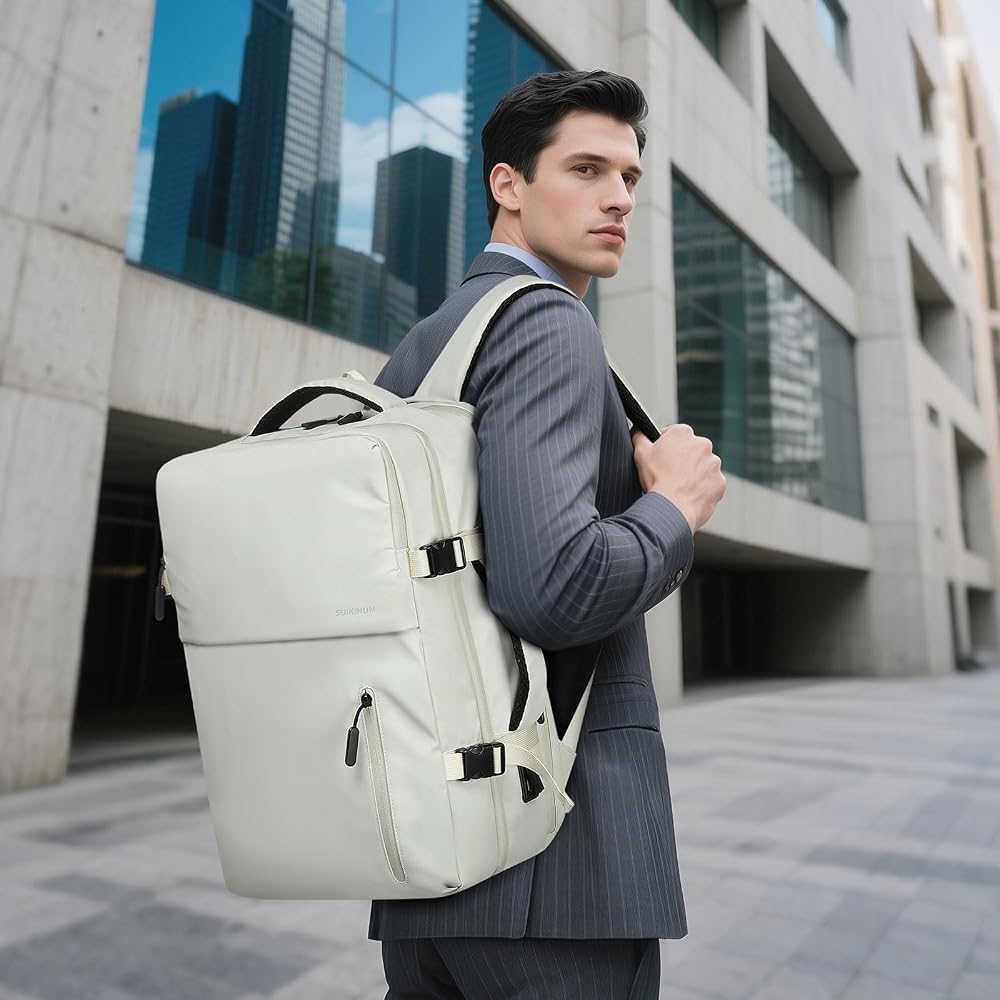
- Light daypack: Choose a packable or low-profile one you can flatten into your main bag for the flight out. A pack with a hip strap beats a tote for full walking days.
Power, Plugs and Chargers
Thailand runs on 220V, 50Hz with type A, B and C sockets, so a US two-pin plug often fits loosely but the voltage does not match American 110V devices — anything without a universal power brick needs a proper adapter, not just a plug shape.
- Travel adapter: Get one that covers A/B/C and includes at least two USB ports, so one wall outlet charges phone, camera and bank overnight.
- Power bank: Non-negotiable. Maps, ride-hailing apps and camera batteries drain fast on long days, and outlets are scarce away from cafés. Keep it in your carry-on for the flight.
Health and Comfort Odds and Ends
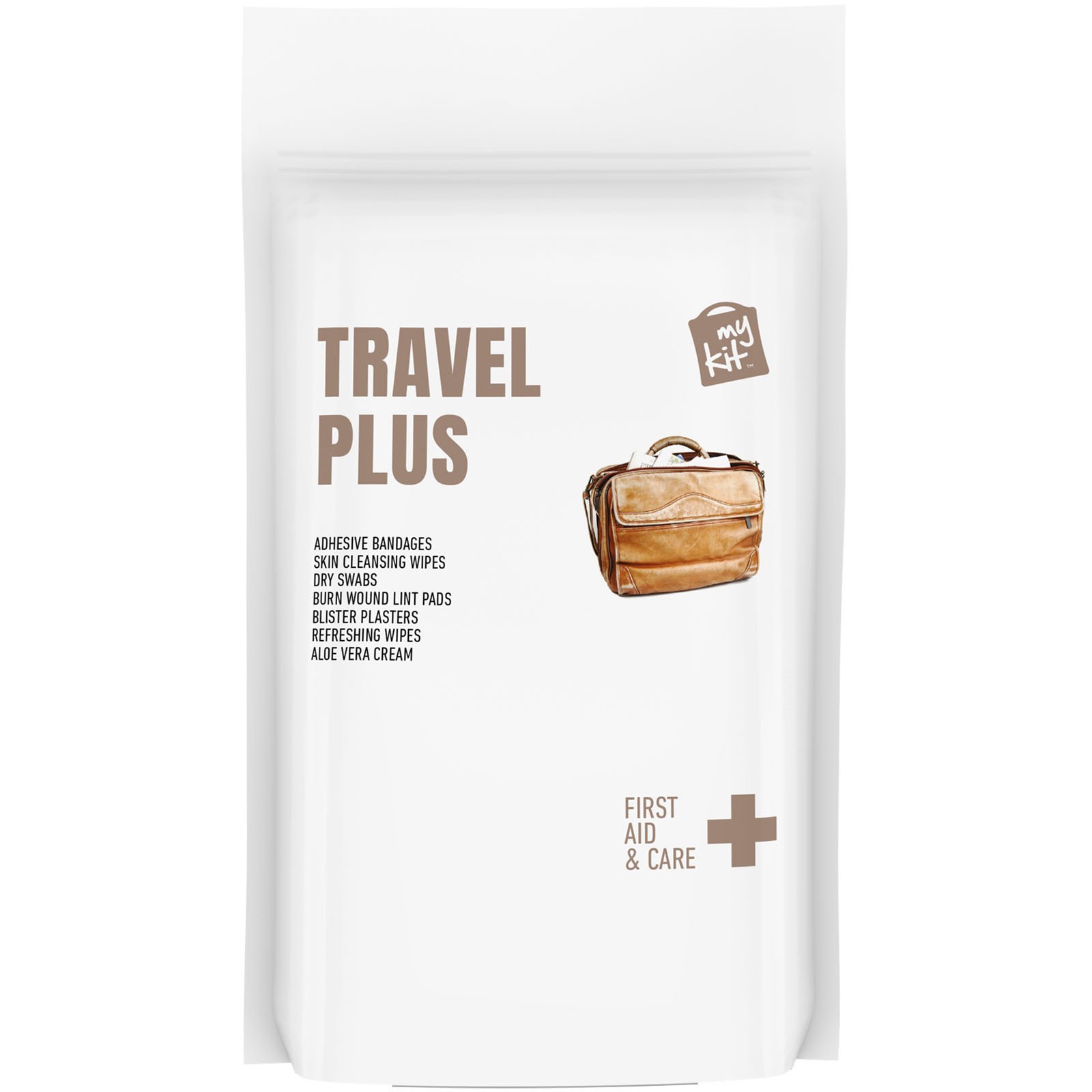
A small first-aid kit with blister cushions is the single most-used item in the bag — temple visits mean constant shoe removal and long days on hard pavement. Add these to it:
- Mosquito repellent: Needed for jungle treks, waterfall days and any evening outdoors. Apply before dusk, not after you start getting bitten.
- Sleep mask and earplugs: Guesthouses near Nimman and the Old City sit on active sois, with temple speakers, street noise and early deliveries. Earplugs solve it far cheaper than a room upgrade.
- Rehydration salts and painkillers: Small packets, big payoff after long sun-exposed days and spicy food.
Splash Protection for Boat Trips
Mae Ping boat rides, river crossings and Songkran-style splashes will find your electronics, so pack dedicated splash protection before you need it.
- Waterproof pouch for documents: Passport, printed bookings and cash stay in a neck pouch or zip-seal wallet that hangs inside your shirt.
- Waterproof case for phone and camera: A lanyard-style pouch beats a bulky housing for most travelers. Test the seal with a tissue before trusting it.
Two breathable tops is the whole plan, and it works — because Northern Thailand’s laundry shops wash by the kilo and hand clothes back folded the next morning, usually for a few dollars a load. You are not packing for seven days of wear; you are packing for three days of wear plus one wash.
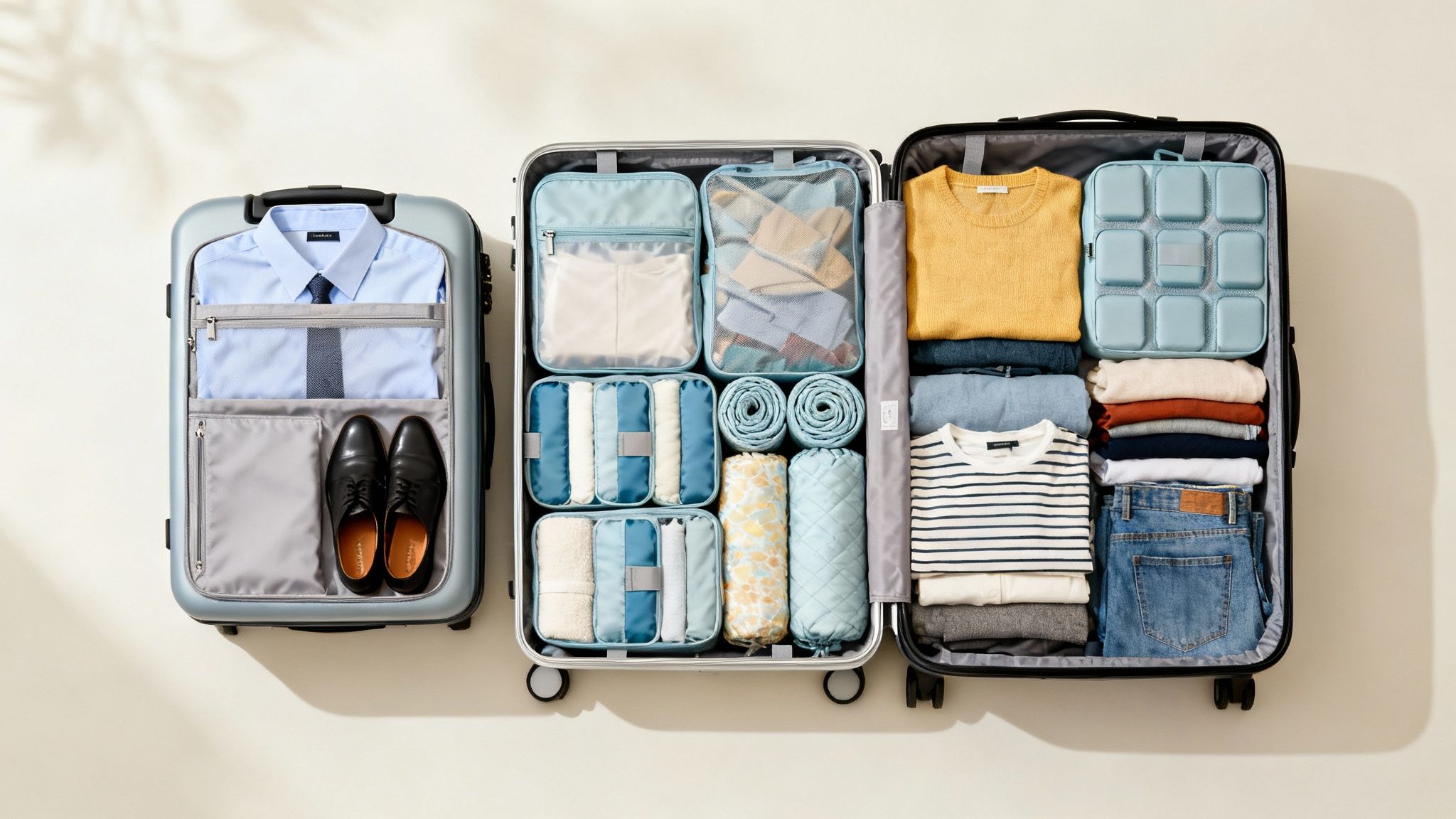
The Five-Piece Core
Everything you actually wear fits in five categories. Anything outside this list is a duplicate you will not reach for.
- Two breathable tops: Rotate one, wash one. This is the count that keeps a week-long trip honest.
- One knee-covering bottom: Your default for city days and any temple stop that appears on the itinerary without warning.
- One long skirt or flowy pants: The second bottom, and the one you will reach for on hot walking days when you want air moving.
- One pair of shorts: For non-temple time only — hostels, cafés, short walks.
- One warm layer: Cool mornings and evenings earn it; the middle of the day does not.
Add one temple outfit — the combination you have already chosen to cover knees, shoulders and midriff without improvising — and stop there. On footwear, two pairs maximum: a third pair is dead weight that eats the space you will want later.
Laundry Beats Overpacking
Every town on the standard Chiang Mai–Chiang Rai–Pai route has guesthouse laundry service or a self-serve shop, and turnaround is typically same-day if you drop off before mid-morning. Budget one wash for a four-day trip and two for a full week.
The move is to plan the wash day, not the spare outfits. Drop clothes off after breakfast, pick them up before dinner, and you travel with a bag that stays light on every transfer between towns.
One exception: bring a light rain shell only if the forecast suggests rain. If it does not, leave it home and reclaim the packing space.
Adjusting the Counts to Your Itinerary
The counts flex on one variable — how often you move between towns.
- Single-base trip (one hotel, one wash): The core counts above are exact. Add nothing.
- Three-town route with short stops: Add one extra breathable top so you are never doing laundry on a transfer day.
- Trekking or homestay nights: Add the extra top, and expect to hand-wash; assume no reliable same-day service.
Leave a third of the bag empty on the outbound flight. Northern Thailand is where people buy silk in Chiang Mai, curry paste from market stalls, and loose-leaf teas in Chiang Rai — all dense, all worth carrying, and all impossible to fit into a bag packed to the zipper. A foldable duffel in the front pocket solves it without checking luggage.
What to Leave Behind When Packing for Northern Thailand in January
The bag you regret is never the one missing something — it is the one hauling a bulky coat “just in case” through a January week of warm midday sun and dust. Cut these items before you add anything else, and every kilo you save goes to the layers and cover-ups you will actually rotate.
Heavy, Slow-Drying Clothes
Heavy denim and thick sweatshirts are the two worst offenders. They weigh down the bag and dry slowly in humid conditions, which matters if anything gets damp before it goes back in your luggage.
If you want warmer pants for cool evenings, pack a lighter pair instead of jeans.
- Heavy denim jeans: Slow to dry, heavy when packed, and uncomfortable in daytime heat.
- Thick sweatshirts or hoodies: Redundant — a lighter warm layer covers the same job without the bulk.
- Heavy wool scarf: Too warm for daytime and far bulkier than a light wrap that earns its keep at temples.
- Bulky coat: It steals the space that layers and cover-ups need, and January will not justify it.
Dressy Items No One Will Need
Heels and strappy dress sandals are dead weight here. The streets are uneven and dusty, temple visits mean repeated shoe removal, and you will be walking more than you expect — so anything that punishes your feet never leaves the hotel room.
Excessive jewelry falls into the same trap: it is hot, it gets in the way of sunscreen and scarves, and there is no occasion calling for it.
- Heels and strappy dress sandals: Skip entirely.
- Excessive jewelry: Keep it minimal or leave it at home.
The Contingency Trap
Packing for every possible temperature is the mistake that turns a light bag into an unwieldy one. January gives you warm days and cool starts — not four seasons — so the answer is a few pieces that handle the swing, not a wardrobe of hypotheticals.
My test for every item: if it only comes out for a scenario that probably will not happen, it stays home. Anything you genuinely forget is cheap and easy to buy locally.
Frequently Asked Questions
Do I need to bring a swimsuit?
Yes, pack one lightweight suit that dries fast. Hotel pools, waterfall days and boat trips all show up on northern Thailand itineraries, and a wet suit stuffed in a dry bag is far easier than hunting for one locally.
What should I wear on the flight over?
Wear your warm layer and your bulkiest shoes onto the plane — it’s the easiest way to keep the bag light and leave that third of your suitcase empty for the silk, curry paste and tea you’ll bring home.
Will my US hair dryer work in Thailand?
Thailand runs on 220V, and most American styling tools aren’t built for it, so the safest move is to leave the hair dryer at home and use what your hotel provides.
Pack the Layers, Skip the Maybes
Start by pulling the warm layer you actually like wearing and the one scarf or wrap that converts any dress into a temple-ready outfit, then build the rest of the bag around those two pieces. Check the forecast for Chiang Mai, Chiang Rai and Pai three to five days out and let that single window decide whether a rain shell comes along.
Getting this right means your one bag stays light through every van, boat and temple transfer while you spend the trip walking instead of rethinking your suitcase.
Save this list to your Northern Thailand board and start laying the five-piece core out on your bed tonight.
Leave a Reply