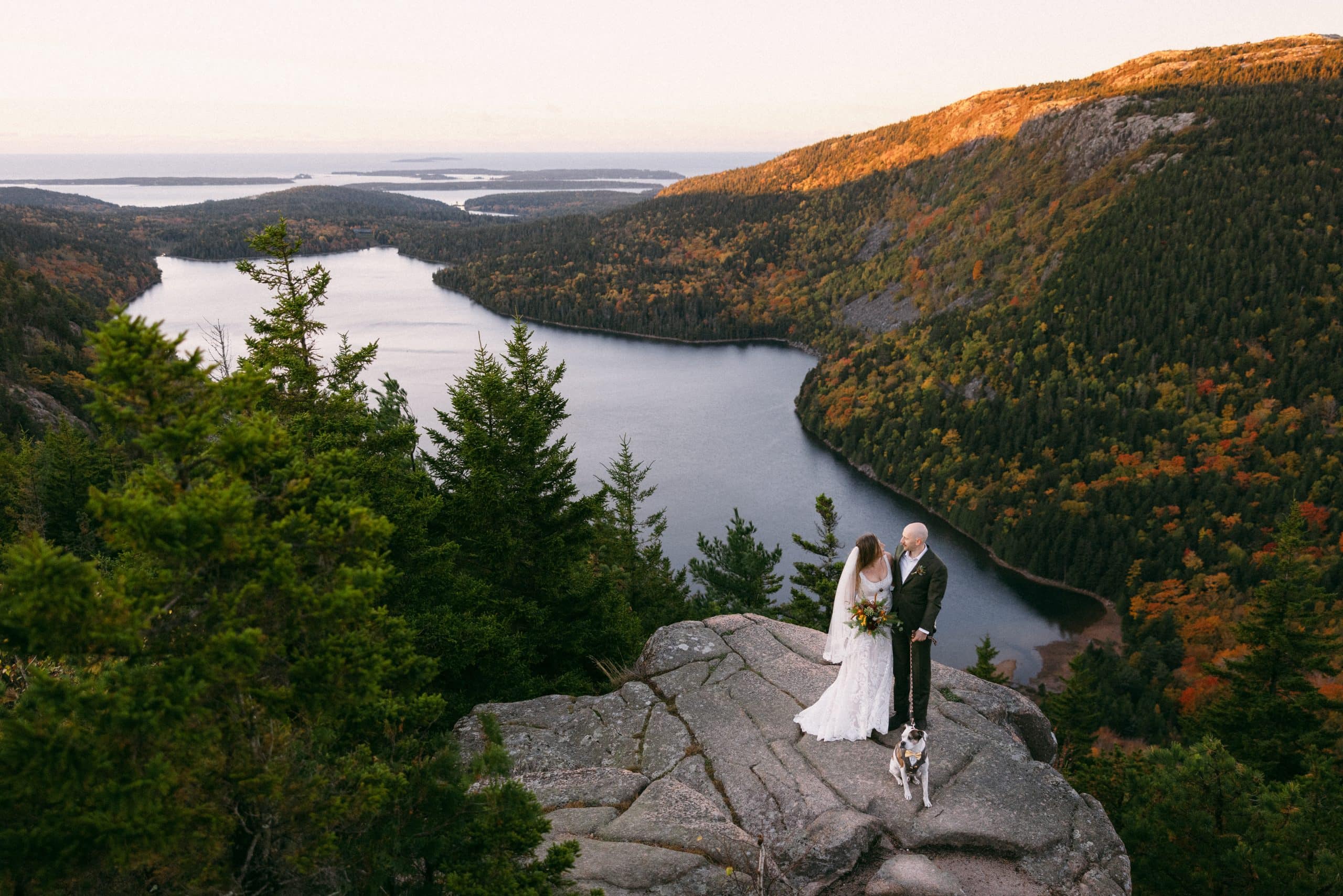
The air turns crisp, smelling of salt and decaying leaves, as sunlight filters through a canopy of maple trees that blaze against Acadia’s dark, craggy granite. This is fall in Maine, and the color isn’t just pretty—it’s a fierce, short-lived spectacle.
Unlike the rolling hills of Vermont, Acadia’s foliage drama happens at the edge of the Atlantic, creating a unique palette of reds, oranges, and golds mirrored in tidal pools and set against steel-gray ocean waves.
This guide pinpoints the exact weeks to target for that peak color, balancing your desire for a stunning show with practical factors like crowds and weather.
Expect to spend around $200-$350 per night for a mid-range Bar Harbor inn during peak season, while budget options like camping or stays in Trenton can dip below $150.
Acadia Fall Foliage: Your Quick-Reference Decision Guide
This snapshot cuts through the guesswork, letting you choose your ideal foliage window at a glance.
| Timeframe | Color Status & Vibe | Best For |
|---|---|---|
| Late September (Sept 25–30) | Early hints of color. Higher elevations turn first; lower areas are still mostly green. | Travelers wanting thinner crowds, open businesses, and a foliage preview. |
| Early October (Oct 1–10) | Color is building rapidly. Vibrant maples and birches emerge, especially at elevation. | A balanced trip: strong emerging color without the peak-season visitor surge. |
| Mid-October (Oct 11–20) | Peak to near-peak. The most vivid, widespread reds, oranges, and golds. | Anyone making fall foliage the trip’s centerpiece. Book lodging early. |
| Late October (Oct 21–31) | Past peak on ridges, but coastal areas hold color. Leaves dropping fast. | Budget-minded visitors willing to gamble on lingering color and cooler temps. |
When Is the Best Time to See Fall Foliage in Acadia National Park?
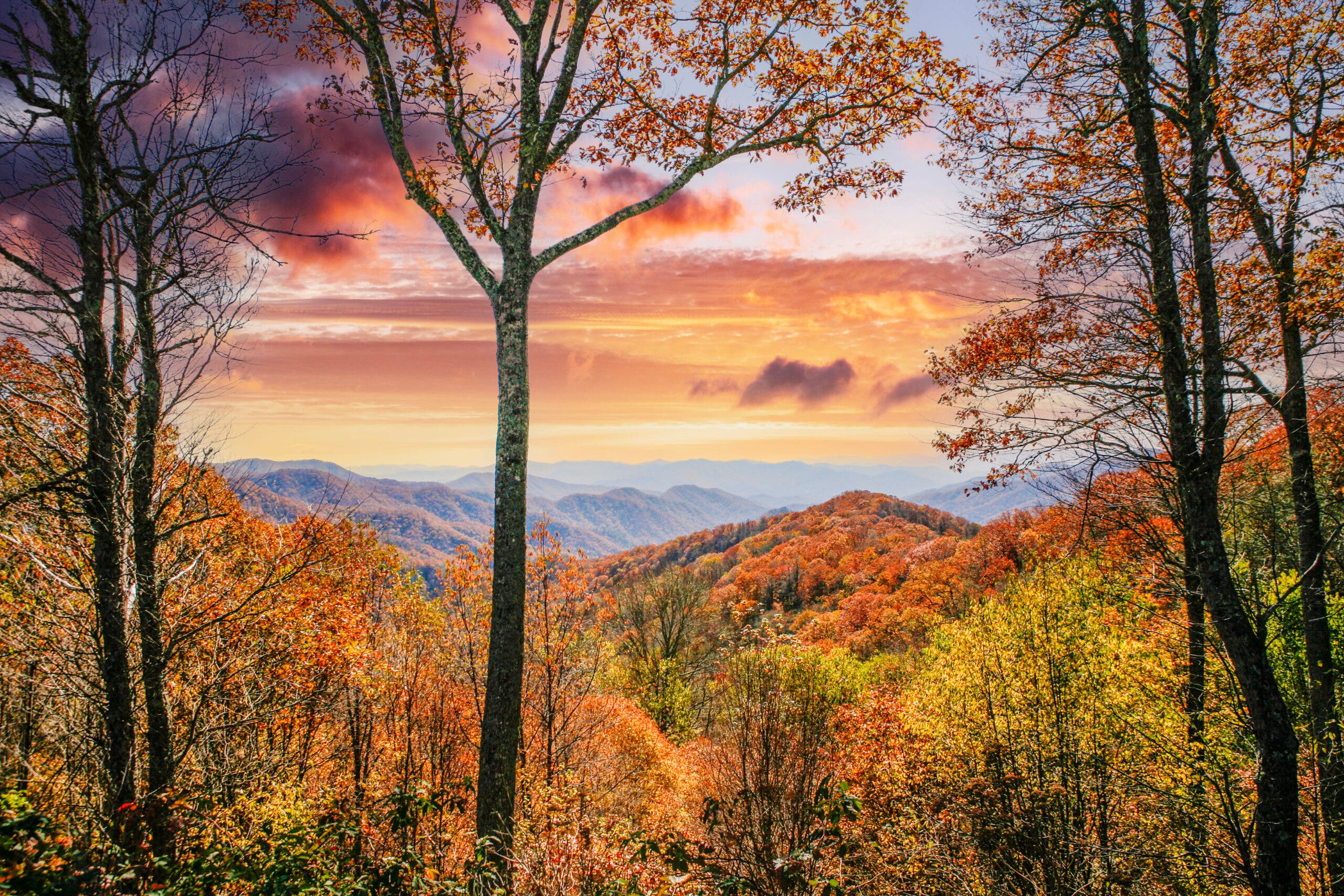
Mid-October is the sweet spot — and it has been consistently so for years. In both 2022 and 2023, peak color hit around October 15–20, with the week on either side still delivering serious foliage.
Plan around that window and you’ll catch Acadia at its most saturated: reds, oranges, and golds blazing across granite ridges, salt marshes, and birch-lined trails.
Typical Peak Foliage Window
Acadia’s fall color typically peaks during the first two weeks of October, with mid-October as the most reliable stretch. This is when the park’s mix of maple, birch, oak, and beech trees hit maximum vibrancy simultaneously.
The contrast of bright foliage against the dark Atlantic water and gray granite is what makes Acadia’s autumn different from inland New England — you won’t find that palette combination in the White Mountains or Vermont.
The caveat: peak lasts roughly seven to ten days before wind and rain strip branches bare. You get one shot per season, not a leisurely month-long window. Build flexibility into your dates if foliage is your primary reason for visiting.
Year-to-Year Timing Variations
Exact peak shifts every year depending on summer and early-fall weather. A hot, dry summer can push color later; an early frost accelerates it.
There is no way to guarantee timing months in advance — even the foliage prediction maps are educated guesses at best.
What stays consistent is the range: color starts showing in late September, hits peak somewhere between October 5 and October 25, and fades fast once November-level storms arrive. Book your trip for the second or third week of October and you’ll be in the zone regardless of how the season shakes out.
Check the National Park Service site and the Maine Foliage Report (updated weekly in season by the Maine Department of Agriculture) as your dates approach — these are the best real-time signals available.
Projected Peak Dates by Month
Here’s how each window typically plays out, based on recent-year patterns:
| Window | Color Status | Best For |
|---|---|---|
| Late September (Sept 25–30) | Early color — higher elevations and exposed ridges turning; lower areas still mostly green | Travelers who want foliage hints plus thinner crowds and open seasonal businesses |
| Early October (Oct 1–10) | Building color — maples and birches intensifying; some peak pockets at elevation | Balanced option: strong color emerging without the mid-month visitor surge |
| Mid-October (Oct 11–20) | Peak to near-peak — the most vivid, widespread color across the park | Anyone making foliage the trip’s centerpiece; book lodging early, this window fills months ahead |
| Late October (Oct 21–31) | Past peak on ridges; lower-elevation and coastal areas holding color; leaves dropping fast | Budget-minded travelers willing to gamble on lingering color; fewer crowds, cooler temps |
Many seasonal businesses in Bar Harbor stay open through Indigenous Peoples’ Day weekend (mid-October) and begin closing after that. If restaurant access and outfitter availability matter to your trip, mid-October is the practical deadline — not just the foliage deadline.
Is September or October Better for Fall Foliage in Acadia?
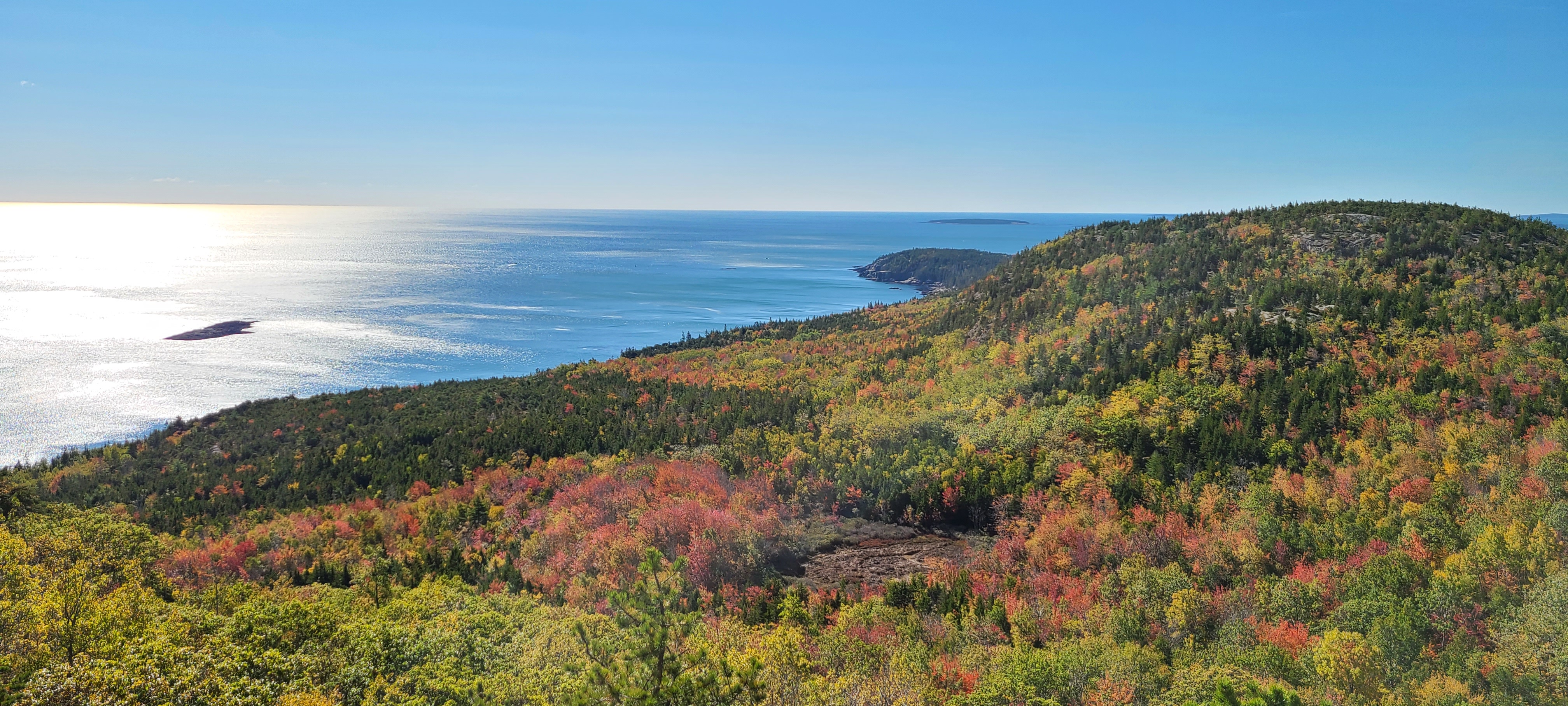
October wins for color — it’s not even close — but September wins for almost everything else, and the smartest visitors split the difference during the first two weeks of October.
| Factor | September | October |
|---|---|---|
| Foliage intensity | Early color only — greens fading to yellow, scattered red maples turning late in the month | Full spectrum peaks mid-month (typically Oct 15–20 in recent years) |
| Crowds | Thinner, especially on weekdays | Packed through Indigenous Peoples’ Day weekend |
| Weather | Warm days (60s–70s°F), less rain | Cool to cold (40s–60s°F), windier, wetter |
| Daylight | ~12 hours — sunrise hikes are civilized | ~11 hours — sunset arrives fast by late month |
| Seasonal businesses | Full summer operations still running | Many close after Indigenous Peoples’ Day weekend |
Advantages of Visiting in September
September is the move if you prioritize hiking, cycling, and breathing room. The Carriage Roads are in prime condition, the ocean at Sand Beach is still swimmable early in the month, and a Cadillac Mountain sunrise requires a less brutal alarm clock.
Bar Harbor lodging and restaurant reservations come without the 3–4 week advance crunch that October demands.
The trade-off is color. Early-to-mid September Acadia is still predominantly green, with only the first gold hints on birch and poplar.
Late September — roughly the final five days — is when red maples along Eagle Lake and the Park Loop Road start turning. It’s a preview, not the main event.
If you want the “wow” of driving through a tunnel of blazing orange and red, September will leave you wanting.
- Best for: Hikers, cyclists, families, and anyone who’d rather have empty trails than perfect foliage.
- Sweet spot: Last week of September — a taste of early color, lingering warmth, and summer-level access to everything in the park and Bar Harbor.
Advantages of Visiting in October
October is the reason people build entire Maine trips around Acadia. Mid-October delivers the full red-orange-gold explosion across the park’s deciduous forests.
Jesup Path’s white birch against a scarlet understory, the summit views from Penobscot Mountain, and the Park Loop Road corridor are genuinely spectacular during peak week.
The downsides are real: rain increases, winds pick up off the Atlantic, and temperatures dip into the 40s. Trails get slippery with wet leaves.
You’ll compete with serious crowds through the holiday weekend, and Bar Harbor dinner reservations become a strategic exercise.
Still, if fall color is your primary reason for visiting — and for most people booking this trip, it is — October delivers what September simply cannot.
- Best for: Photographers, leaf-peepers, and anyone who prioritizes peak autumn scenery over convenience.
- Sweet spot: The week before Indigenous Peoples’ Day — you catch peak or near-peak color while slightly dodging the holiday weekend surge.
Base yourself in Bar Harbor for walkable restaurant access and the nearest park entrance, or consider Southwest Harbor or Northeast Harbor for quieter stays with only a 15–20 minute drive to the Park Loop Road. October lodging books out months ahead — reserve as soon as your dates are firm.
One thing the official park page won’t tell you: Bar Harbor’s seasonal lobster pounds and waterfront restaurants typically close for the season the week after Indigenous Peoples’ Day. If you’re visiting mid-to-late October, call ahead before you go — a spot that was open last Tuesday may have shuttered for winter by the time you arrive.
How Does Weather Affect the Best Time to Visit Acadia for Fall Colors?

Cold rain can strip a tree of its leaves overnight in Acadia, turning a vibrant palette into bare branches before your eyes. Weather is the wild card that can accelerate or abruptly end the fall color show.
Temperature and Rainfall Influences
Peak foliage is a race against weather. Warm, sunny days and crisp, cool nights (above freezing) produce the most vivid anthocyanin pigments in maples, creating those fiery reds and oranges.
A hard frost or a series of cold, rainy, windy days can cause leaves to drop prematurely, cutting the season short. You’re gambling on a window, not a guarantee.
| Weather Condition | Effect on Foliage | Traveler Impact |
|---|---|---|
| Ideal: Sunny days, cool nights (40s-50s°F) | Promotes peak color intensity and longevity. | Best-case scenario for photos and hiking comfort. |
| Unpredictable: Early frost or hard freeze | Can kill leaf color and cause rapid browning/dropping. | Risk of missing peak; pack extra layers for cold. |
| Common: Multi-day rain and wind | Physically knocks leaves off branches. | Plan indoor backup days; waterproof gear is mandatory. |
Unpredictable Conditions and Preparation
Acadia’s coastal location means fog, wind, and rapid weather shifts are the norm, not the exception. Your preparation dictates your experience more than the forecast does. Pack for three seasons in one day.
- Layer Strategically: Base layers, a fleece or insulated jacket, and a completely waterproof/windproof outer shell are non-negotiable. Temperatures often range from the 40s°F to 60s°F in a single October day.
- Embrace the Gray: Misty, foggy days can make the saturated leaf colors against gray rock and sea look even more dramatic. Don’t cancel a hike for a cloudy forecast—just pack your rain gear.
- Prioritize Waterproofing: A good pair of waterproof hiking boots and a pack cover will save your trip. Trails like the Jesup Path boardwalk are perfect rainy-day options, but you’ll still get soaked walking to them.
- The Insider Weather Tip: Check the hourly forecast for wind speed on Cadillac Mountain. The summit can be 15-20 degrees colder and significantly windier than Bar Harbor. A calm day in town can feel like a gale up top, making sunrise miserable if you’re unprepared.
Stay in Bar Harbor or Southwest Harbor for easy access to indoor options like museums, restaurants, and shops on inevitable rain days. Booking a lodge or inn with a fireplace turns a rainy afternoon into a cozy highlight.
How to Time Your Visit to Avoid Crowds During Peak Foliage
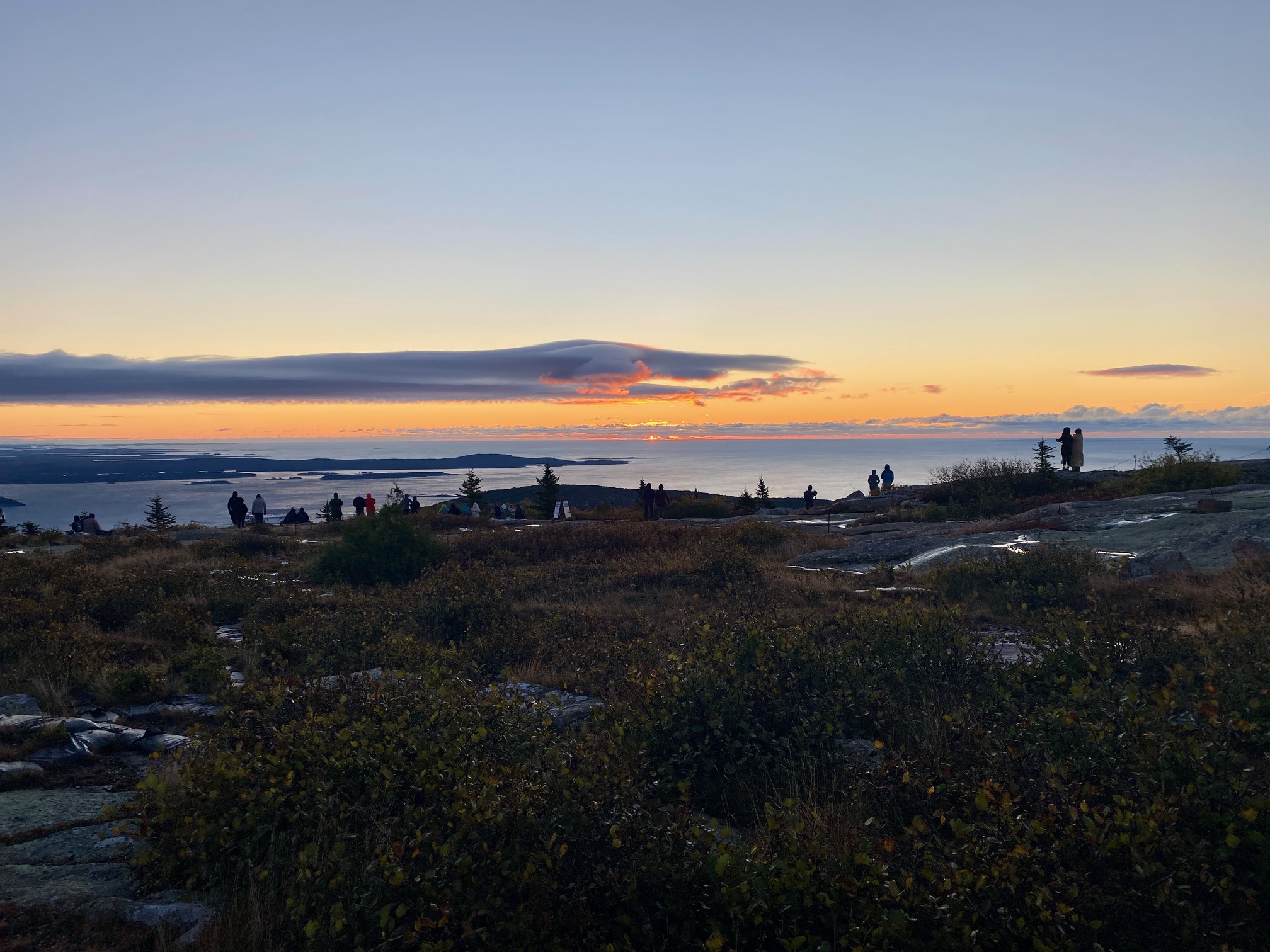
During peak foliage weekends in October, the Park Loop Road parking lots at Cadillac Mountain, Sand Beach, and Jordan Pond fill before 8 a.m. — and they don’t empty until late afternoon. That single fact should shape your entire schedule.
Crowd avoidance in Acadia isn’t about finding a secret trail; it’s about being deliberate with when you show up to the places everyone already knows about.
Weekday and Sunrise Strategies
Tuesday through Thursday are your best friends. Weekend traffic on Mount Desert Island during peak October is genuinely frustrating — bumper-to-bumper on Route 3 and full parking lots by mid-morning.
If you can swing a midweek trip, you’ll cut your competition for trailhead parking roughly in half and actually enjoy the Park Loop Road instead of inching through it.
Sunrise at Cadillac Mountain is the signature Acadia experience, and it’s also your single smartest crowd-management move. Here’s why: the sunrise crowd clears out by 7:30 a.m., which means you get two payoffs in one morning.
Watch the first light, then use that early-hour window (roughly 7:30–9:00 a.m.) to hit nearby stops like Sieur de Monts or the Jesup Path boardwalk while everyone else is still stuck in Bar Harbor getting coffee.
- Vehicle reservation required: Cadillac Summit Road requires a timed vehicle reservation during peak season — typically available at recreation.gov starting in early spring. These sell out fast for October sunrise slots. Book the moment reservations open.
- Arrive 45 minutes before sunrise to claim a parking spot at the summit. The lot is small and the best viewing positions along the ridge fill quickly.
- Park Loop Road is one-way for most of its length, so plan your morning stops in clockwise order to avoid backtracking and wasting time looping around.
Less-Traveled Timing Options
If your dates are flexible, the single best crowd-reduction strategy is shifting your trip to late September rather than mid-October. You’ll sacrifice peak color intensity, but the trade-off is real: thinner crowds, open businesses, and still-gorgeous foliage.
Think of it as 70% of the color with 30% of the people.
Within peak October itself, these windows genuinely help:
- First light to 9 a.m.: The quietest hours on any trail. Most visitors don’t leave their hotels until 9 or 10. The Bubbles and South Bubble trailhead is particularly empty at dawn — you might share the summit with only a handful of people.
- Late afternoon (after 4 p.m.): Day-trippers and cruise ship passengers heading back to Bar Harbor thin out noticeably. Bass Harbor Head Lighthouse at golden hour with fewer people is worth planning around.
- Midweek in early October (first week): Foliage is building but hasn’t peaked, so the “peak or bust” crowd hasn’t arrived yet. Great colors, manageable traffic.
- After Indigenous Peoples’ Day weekend: Crowds drop sharply once the holiday weekend ends. Many seasonal businesses stay open through mid-to-late October, so you won’t lose services, but the parking situation improves noticeably.
One move that consistently works: base yourself in Southwest Harbor or Tremont instead of Bar Harbor. Bar Harbor puts you closest to the Park Loop Road, but it’s also where the cruise ship crowds, restaurant lines, and souvenir traffic concentrate. Southwest Harbor on the quiet side of the island gives you faster access to the Bass Harbor area, the western trails, and a genuinely peaceful home base — without losing more than 15–20 minutes of driving to the popular eastern-side stops.
Insider detail most blogs skip: the free Island Explorer shuttle runs during fall foliage season and stops at major trailheads. Parking at a shuttle lot and riding in eliminates the parking hunt entirely — especially useful on weekends when the lots near Sand Beach and Jordan Pond are full by 9 a.m. Check the Downeast Transportation website for the current fall schedule, as routes and hours adjust each season.
Frequently Asked Questions
Is it possible to predict the exact week of peak color?
No — and any guide promising an exact date is guessing. Mid-October is historically the safest bet, but factors like early frost, wind events, or a warm September can shift peak color by a week or more in either direction.
Book your trip for the October 10–20 window and accept that you might catch early color or late color instead. Either way, the park looks stunning.
How far in advance should I book lodging for fall foliage?
Two to three months minimum for Bar Harbor hotels and inns — especially for weekend stays. Inventory around peak foliage (mid-October) disappears fast, and rates climb significantly over summer pricing.
If you’re booking late, look at Southwest Harbor or Trenton as backup bases; they’re less in demand and still within easy driving distance of the park’s best foliage trails.
Are park facilities and seasonal businesses still open during peak foliage?
Most seasonal businesses in Bar Harbor stay open through Indigenous Peoples’ Day weekend in mid-October, which conveniently aligns with peak color. The Park Loop Road, visitor centers, and major trailheads typically remain accessible into late October.
After that, services thin out quickly. Plan your restaurant reservations and gear purchases for the first half of your trip in case anything closes early due to weather.
What’s the best fall foliage hike on a rainy day?
Jesup Path. The boardwalk trail winds through a white birch forest and marshland, and the canopy offers real shelter from light rain.
The contrast of amber and gold leaves against the white birch bark is arguably more dramatic under overcast skies than bright sun. It’s a flat, easy walk — no scrambling on wet rocks required — and it stays beautiful even in fog.
Your Next Step to a Color-Filled Acadia Escape
Lock in your lodging for that mid-October window now, especially if Bar Harbor is your target; waiting guarantees fewer options and higher rates. Simultaneously, bookmark the Maine Foliage Report to monitor conditions as your trip approaches.
Witnessing Acadia’s autumn is worth the planning because the fusion of blazing forest, rugged coastline, and first-in-the-nation sunrise is a sensory experience you can’t replicate anywhere else.
For a less frantic experience, strongly consider booking a cozy inn in Southwest Harbor instead of Bar Harbor to enjoy the quiet side of the island with easier access to the western, less-crowded trails.
Leave a Reply